
Key Facts
- Evergreen oak native to western North America.
- Has leathery leaves and produces acorns important to wildlife.
- Tolerates dry, rocky sites and is drought adapted once established.
- Often grows as a single trunk tree or as a multi stemmed shrub on poor sites.
- Flowers are inconspicuous catkins that appear in spring.
- Can resprout after fire or top kill in many settings.
- Used for habitat, erosion control, and native landscape planting.
Canyon Live Oak is an evergreen oak native to western North America that thrives on rocky slopes and canyon woodlands. It offers leathery leaves and acorns that support wildlife, and can appear as a single‑trunk tree or a multi‑stemmed shrub depending on site quality.
Identification
Evergreen foliage is leathery and persistent, and the species produces acorns that are an important food source for wildlife. Flowers are small male catkins and inconspicuous female blooms in spring. Mature size varies widely by site with typical height about 15 to 60 feet and a similar broad spread of roughly 20 to 60 feet in open conditions.
Best uses and where to grow
Use Canyon Live Oak for habitat planting, erosion control on slopes, and native or Mediterranean‑style landscapes where drought tolerance is valued. It prefers full sun to light shade and is suited to USDA zones 6 through 10, though local microclimates and coastal versus interior provenances affect final size and hardiness.
Planting time and spacing
Plant during cooler, wetter months to give roots a chance to establish before summer drought. Space specimens at least as far apart as their expected mature spread, typically 20 to 60 feet for open‑grown trees. On poor or steep sites expect multi‑stemmed forms that need less horizontal clearance.
Soil, light and watering
Prefers well drained loam to rocky or sandy soils and tolerates poor and serpentine soils with a pH from slightly acidic to neutral and some alkaline sites. Water regularly until established, then switch to infrequent deep irrigation. Poor drainage or waterlogging leads to decline, while lack of establishment watering can cause wilting and slow growth.
After‑flowering care and pruning
Acorn production follows spring flowering and supports wildlife; no special after‑flower care is required. Prune only to remove dead or hazardous limbs and to shape young trees. Heavy pruning is generally unnecessary since many individuals resprout readily after top kill or fire.
Controlling spread and container growing
The species can form multi‑stemmed clumps on poor sites and will resprout from the root crown, so control involves removing basal sprouts and cutting resprouts close to the root crown. Not suitable for long‑term container culture because of eventual size, though young nursery specimens can be grown in containers briefly before planting out.
Frequently asked questions
- How fast does Canyon Live Oak grow?
- Growth rate is moderate to slow and varies with soil, moisture and provenance; trees on richer, moister interior sites grow faster than coastal or rocky hillside specimens.
- What USDA zones are appropriate?
- Reported hardiness is USDA zones 6 to 10, but local microclimate and provenance can alter cold tolerance so verify locally.
- Are the acorns or leaves toxic to pets?
- Acorns contain tannins that can cause gastrointestinal upset in pets and have been linked to livestock poisoning when eaten in quantity; consult a veterinarian for exposure concerns.
- Is it good for erosion control?
- Yes. Its tolerance for dry, rocky slopes and ability to form multi‑stemmed clumps make it useful for stabilizing soils on steep sites.
- Can Canyon Live Oak regrow after fire?
- Many individuals resprout after fire or top kill, which helps recovery in fire‑adapted landscapes.
Related Plants


Mentioned In (3)
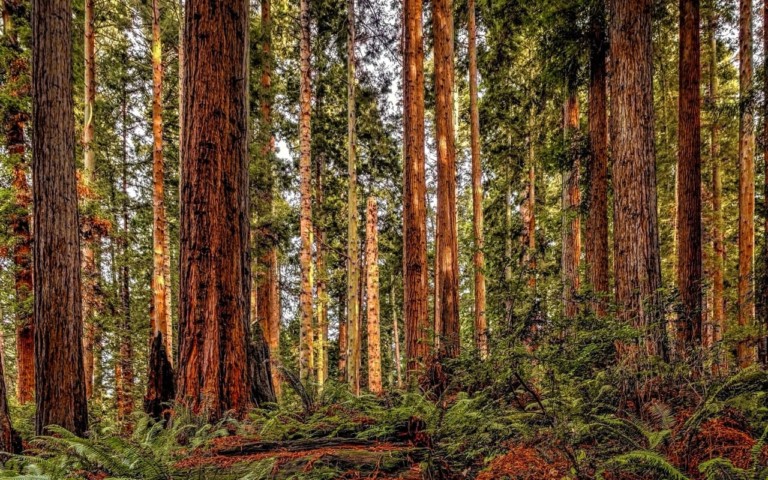
Trees
The 25 Biggest Trees in America
The United States is home to some of the most magnificent trees on Earth. From towering coast redwoods in California…
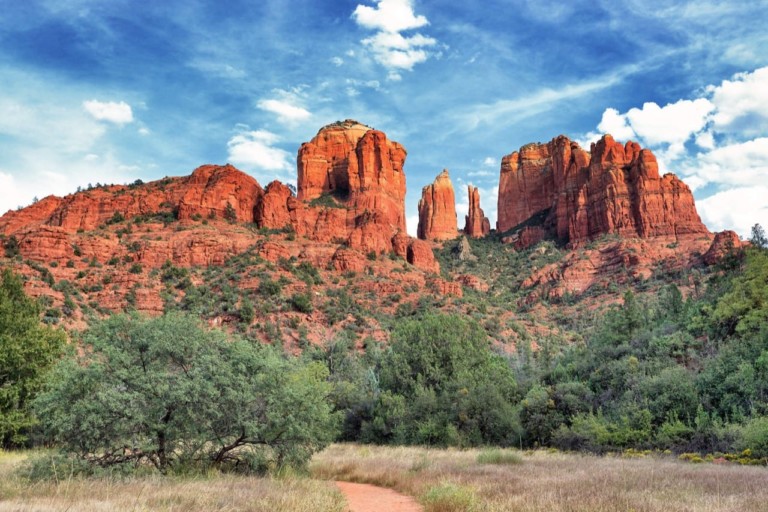
Oak
9 Types Of Oak Trees in Arizona
Arizona's climate ranges from low to subtropical deserts to the coldest mountain, ultimately determining which trees are most adapted to each region.…

Oak
76 Types of Oak Trees in North America (foliage photos)
Because of all the forests in North America, you can find just about every tree you can think of if…