
Key Facts
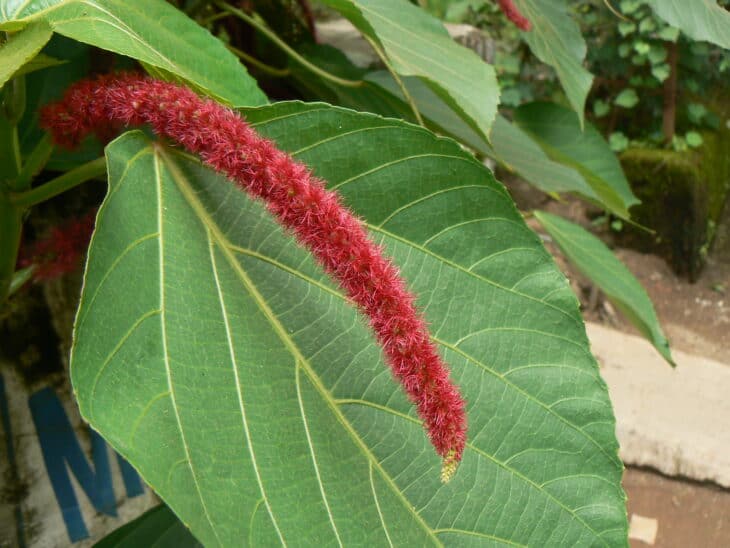
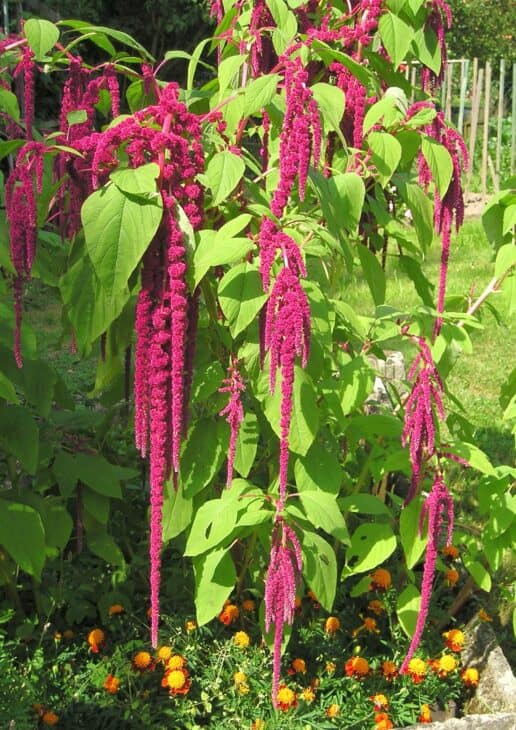
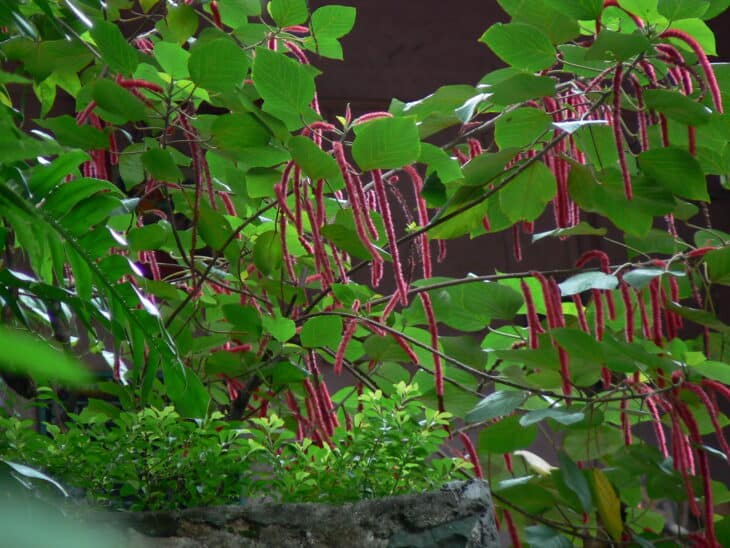
- Tropical evergreen shrub with distinctive long fuzzy catkin flowers.
- Commonly grown as a houseplant or greenhouse specimen in cool climates.
- Native to tropical Asia and Pacific islands.
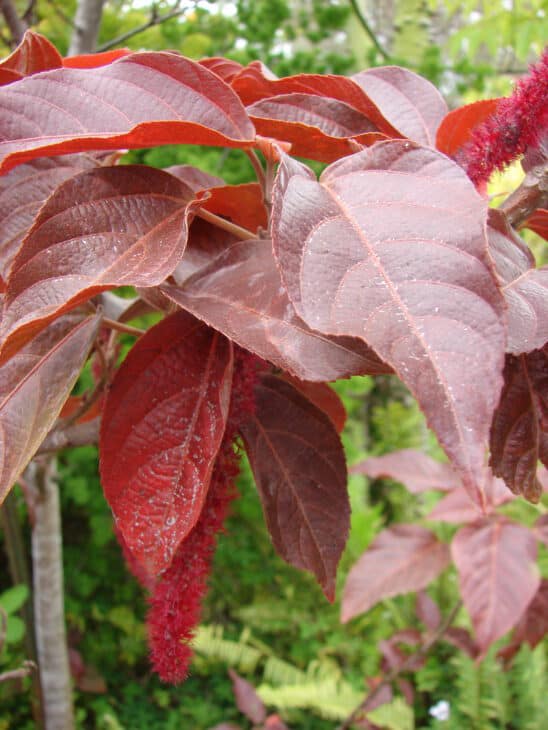
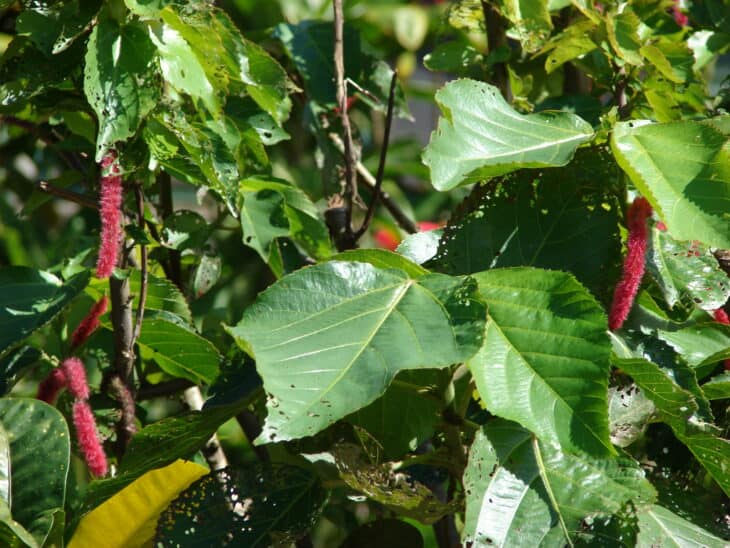
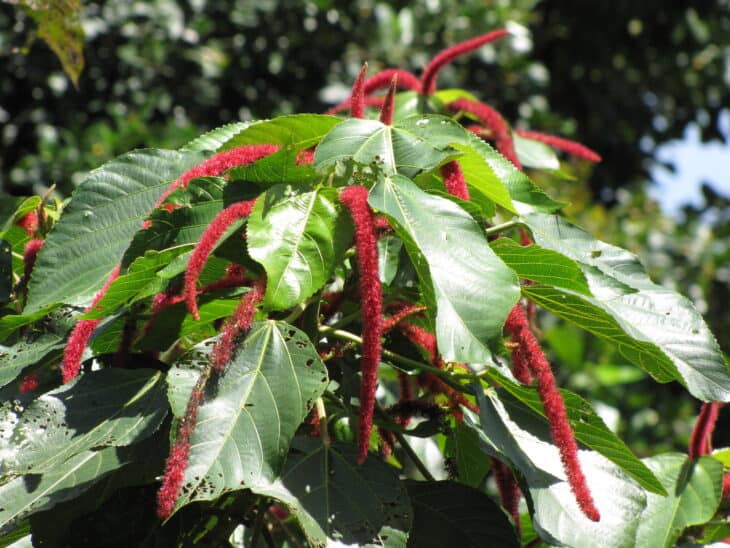
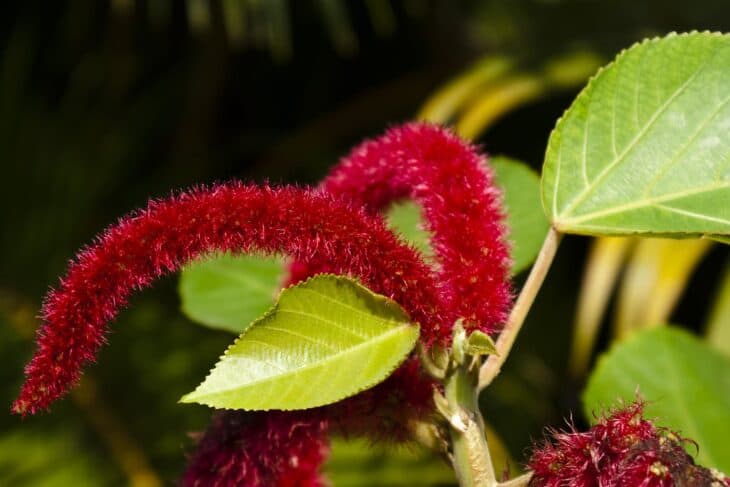
- Produces pendant red to pink flower tassels that persist for weeks.
- Prefers warm, humid conditions and regular moisture.
- Responds well to pruning to maintain shape and encourage flowering.
- Propagates readily by stem cuttings.
- Tender to frost and typically not hardy outdoors in temperate winters.
Chenille (Acalypha hispida) is a tropical evergreen shrub prized for long fuzzy red to pink pendant tassel flowers that persist for weeks. It is commonly grown as a houseplant or greenhouse specimen in cool climates because it needs warmth, humidity and bright light to flower well.
Identification
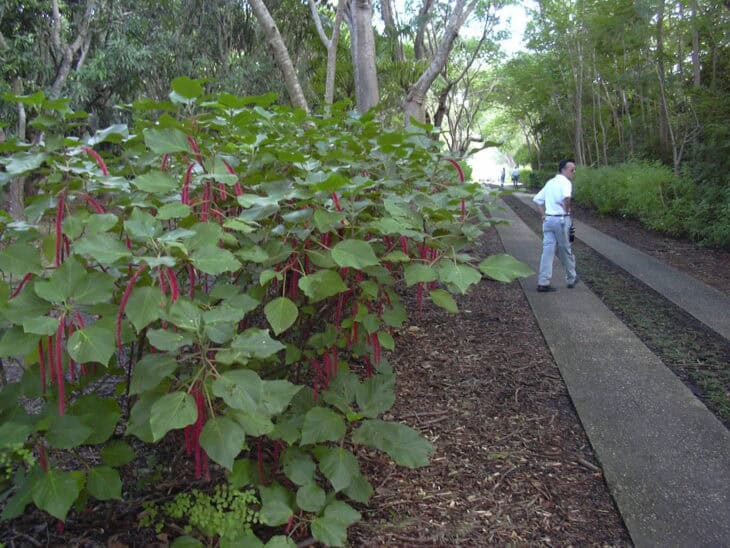
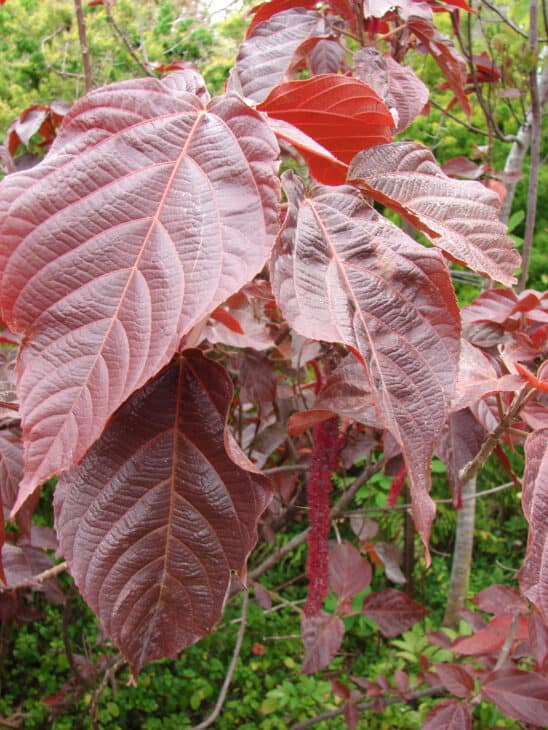
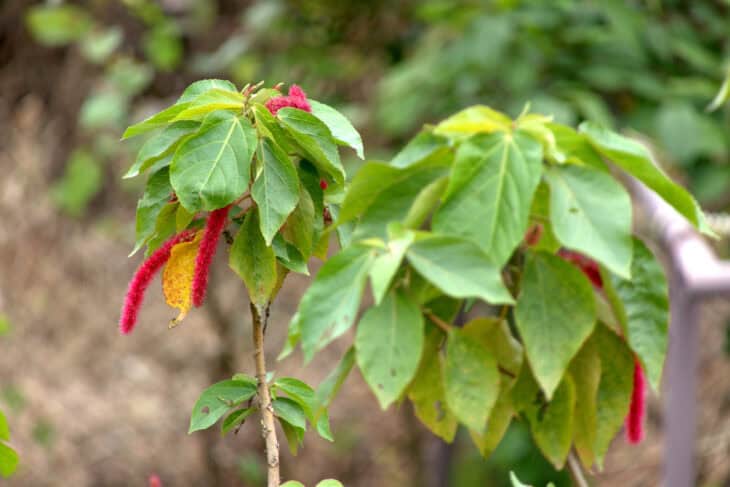
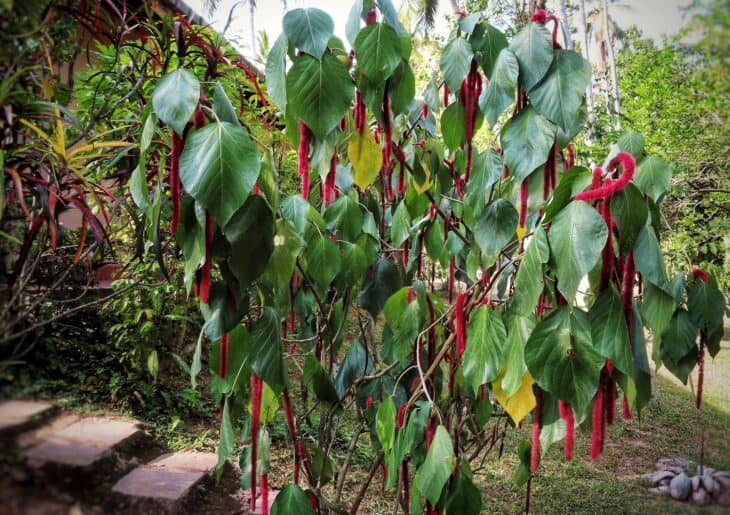
Acalypha hispida has distinctive long fuzzy catkin flowers that hang from the branches like tassels. Foliage is evergreen where winters are warm. In cultivation plants commonly reach about 2 to 6 feet tall and spread roughly 2 to 4 feet depending on pruning and pot size.
Where to grow and best uses
Use chenille as a dramatic container specimen for patios and sunrooms or as a greenhouse plant in cool climates. Outdoors it performs best in warm sheltered beds in USDA zones 10 to 11 where it can remain evergreen and flower year round. In cooler regions it is most successful as an indoor flowering shrub.
Planting and spacing
Plant chenille in spring or whenever warm conditions are established in your area so roots can settle before cool weather returns. Space plants about 2 to 4 feet apart to allow the rounded habit to develop and to permit airflow. In containers choose a pot large enough for steady root growth and routine watering.
Light and watering
Provide bright filtered light to part sun with protection from hot afternoon sun to avoid leaf scorch. Keep soil consistently moist but not waterlogged. Inconsistent moisture reduces flowering and prolonged drought leads to leaf drop. Good drainage prevents root rot while steady moisture encourages continuous bloom.
Soil and feeding
Plant in rich loose soil that holds moisture yet drains well and includes organic matter. A quality potting mix works for containers. Regular balanced feeding during the active growing season supports flower production and foliage vigor. Avoid soils that remain soggy or bone dry for long periods.
Pruning and after flowering care
Chenille responds well to pruning to maintain shape and stimulate new growth and flowering. Remove leggy stems and spent flower tassels to tidy the plant. In warm climates heavier pruning in spring encourages a compact habit while light trimming year round keeps a neat specimen for containers and borders.
Propagation
Propagate by semi ripe stem cuttings which root readily under warm humid conditions. Use clean sharp tools and a well drained rooting medium. Cuttings generally establish faster than seed and let you reproduce a desired cultivar with the same flower color and habit.
Containers and indoor care
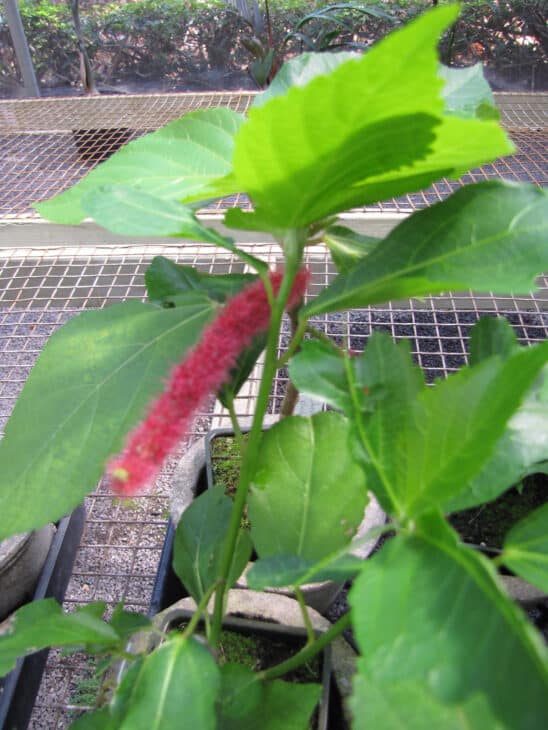
Chenille often stays smaller in containers and benefits from consistent warmth and humidity indoors. Place near a bright window with morning sun or filtered light. Reduce exposure to cold drafts and move containers indoors before temperatures drop. Repot every couple of years to refresh soil and maintain vigor.
Control and spread
Because chenille is tender to frost it usually remains confined to containers or warm garden beds in most temperate areas. Pruning controls size and prevents plants from becoming leggy. Monitor spacing and remove unwanted shoots to keep specimens compact and to limit natural spread in favorable climates.
Frequently asked questions
- How fast does Chenille grow?
- Growth rate varies with light humidity and temperature. In warm humid conditions plants typically reach the common cultivated size range of about 2 to 6 feet over a few growing seasons. Growth is slower in pots and under low light.
- Is Chenille hardy outdoors?
- Chenille is tender and generally grown outdoors only in warm climates approximately USDA zones 10 to 11. In cooler areas grow it in containers and protect it from frost.
- How often should I water Chenille?
- Keep the soil evenly moist. Water when the top inch of soil begins to dry in containers and maintain steady moisture during warm months to support flowering. Avoid standing water which can cause root problems.
- How do I propagate Chenille?
- Take semi ripe stem cuttings and root them in a warm humid environment in a free draining medium. Cuttings generally root quickly and produce flowering plants sooner than seed raised material.
- Will Chenille flower indoors?
- Yes with bright light warmth and higher humidity chenille can flower indoors, though bloom may be more abundant where temperatures and humidity are consistently warm.
Gallery
Related Plants


Mentioned In (1)

Plants
5 Plants That Look Like Cattails
Cattails are plants with many names and countless uses. They can be used for stuffing pillows, jackets, and moccasins. The…