
Key Facts
- Member of the Amaranthaceae family.
- Showy crested or plume like flower heads with velvety texture.
- Commonly grown as an annual in temperate gardens.
- Prefers full sun and blooms in warm months.
- Propagated easily by seed.
- Tolerant of heat and humidity but not frost.
- Poor drainage can cause root rot.
Cockscomb is a warm season ornamental prized for velvety crested or plume-like flower heads that add bold color from summer into fall. It is usually grown from seed in sunny, well drained locations and tolerates heat and humidity but will not survive frost.
Identification
Celosia cristata belongs to the Amaranthaceae family and is known for its unusual crested or plume-like blooms with a velvety texture. Plant height varies widely by cultivar from roughly 6 to 36 inches. Flower colors range from red and pink to yellow and orange and the showy blooms are the main landscape feature.
Best uses and where to grow
Use cockscomb as a summer bedding plant, bright border accent or in mass plantings where strong color is desired. It performs best in full sun and warm conditions and is treated as an annual in cooler climates. In frost-free areas it can persist and may self-seed or regrow the following year.
Planting time and spacing
Sow seed indoors several weeks before the last expected frost or direct sow outdoors after danger of frost has passed. Space plants roughly 6 to 18 inches apart depending on cultivar and desired effect. Taller varieties need the wider spacing while dwarf bedding types can sit closer together.
Light, soil and watering
Full sun produces the best flowering and sturdy habit; plants placed in heavy shade will bloom less. Plant in fertile, well drained garden soil with neutral to slightly acidic pH. Avoid waterlogged sites because poor drainage leads to root rot even though the species tolerates heat and humidity.
Blooming and after-flowering care
Blooms appear from summer and continue into fall often until the first hard frost. Remove spent flower stalks to keep plants tidy and to limit unwanted self-seeding in warmer zones. In frost-free areas allow some seed heads to mature for natural reseeding if self-sown plants are acceptable.
Propagation and spread control
Celosia cristata is most reliably propagated by seed, either started indoors before last frost or direct sown after frost danger. Some varieties can also root from soft tip cuttings. In USDA zones around 10 to 11 plants may survive year round and self-seed, so pull seedlings or collect seed if you need to control spread.
Frequently asked questions
- How fast does Celosia Cristata grow?
- Growth rate varies by cultivar and conditions. When started early from seed plants commonly produce flowers during the same warm season, reaching mature height in a few months.
- Is cockscomb perennial?
- Usually treated as an annual in cooler climates. It can survive year round only in frost free areas roughly USDA zones 10 to 11.
- What soil does cockscomb prefer?
- Fertile, well drained garden soil with neutral to slightly acidic pH. Avoid sites with poor drainage to prevent root rot.
- How much sun does it need?
- Full sun yields the best flowering and air circulation. Light afternoon shade is tolerated but heavy shade reduces bloom.
- Will it spread or self-seed?
- In warmer, frost-free areas plants can self-seed and persist. Remove seed heads or pull seedlings to prevent unwanted volunteers.
Related Plants


Mentioned In (2)
Plants
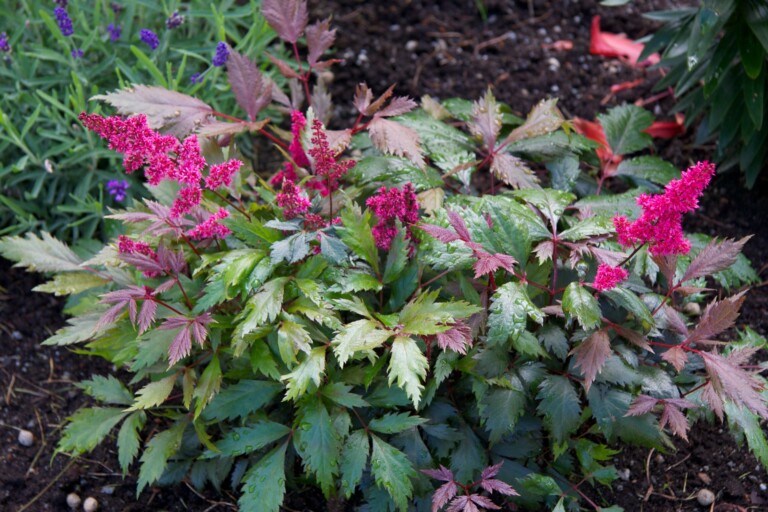
5 Plants That Look Like Astilbe
Astilbe plants are popular for their large plumes of flowers that could fill your garden with color from early spring…

Plants
10 Plants That Look Like Brains
Plants can be weird and wonderful, but have you ever seen plants that look like brains? Plants that look like…