
Key Facts
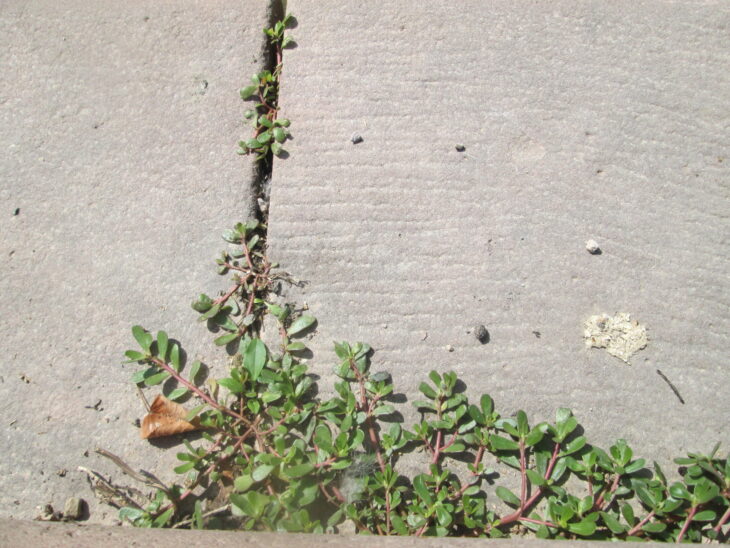
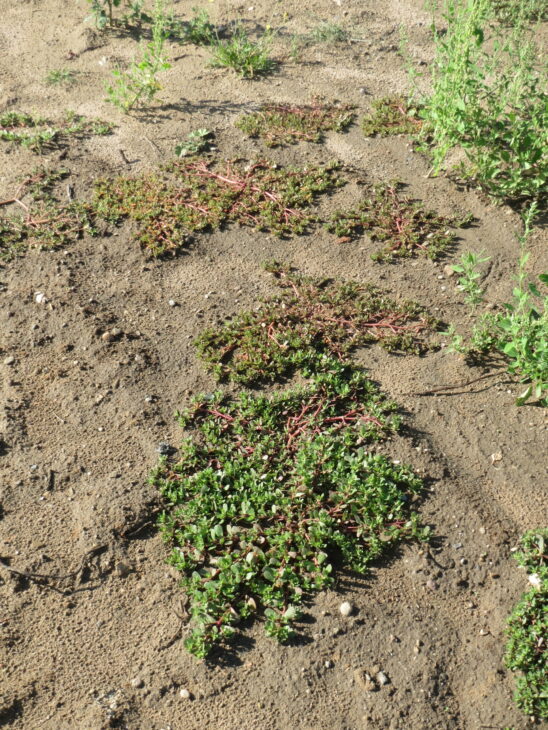
- A low, succulent annual that forms mats or clumps.
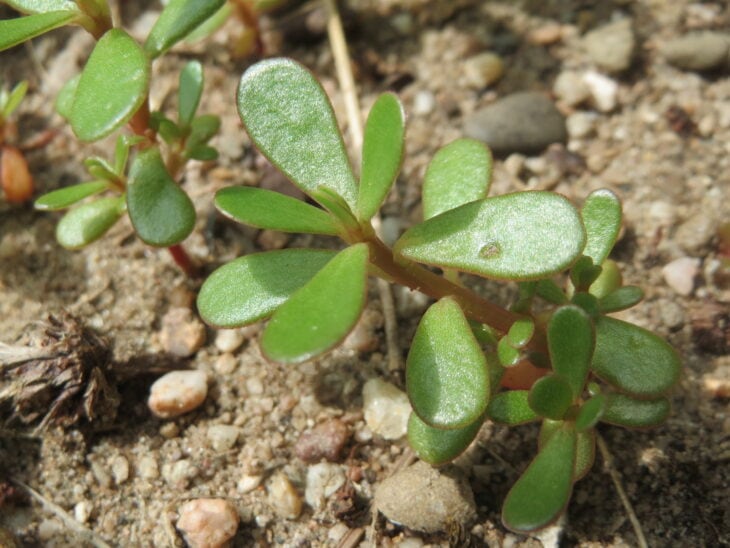
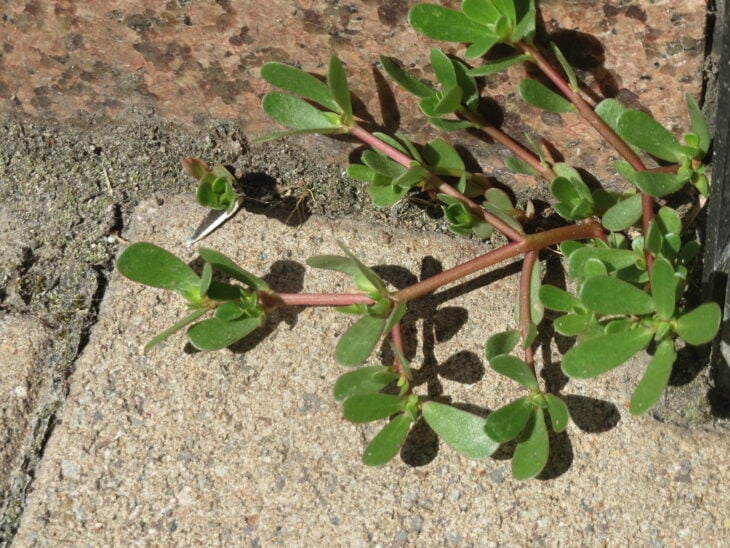
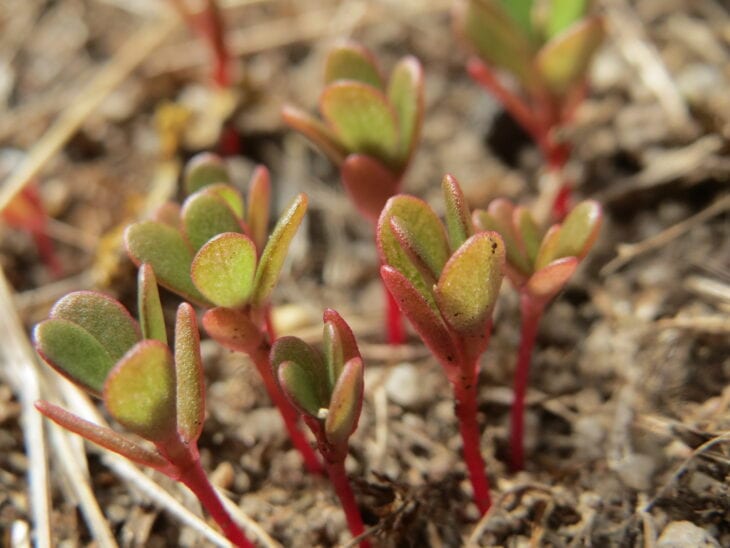
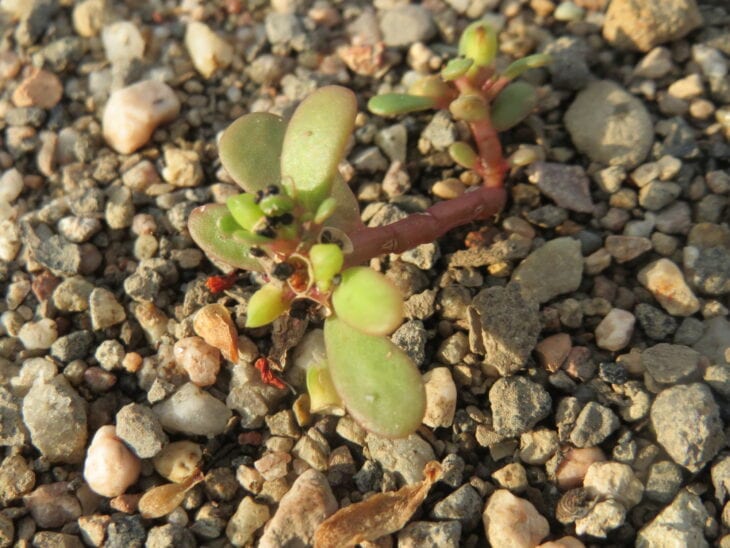
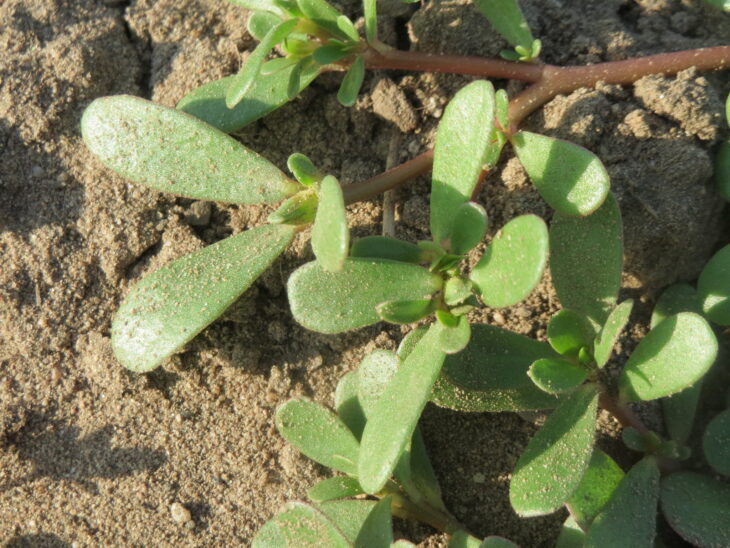
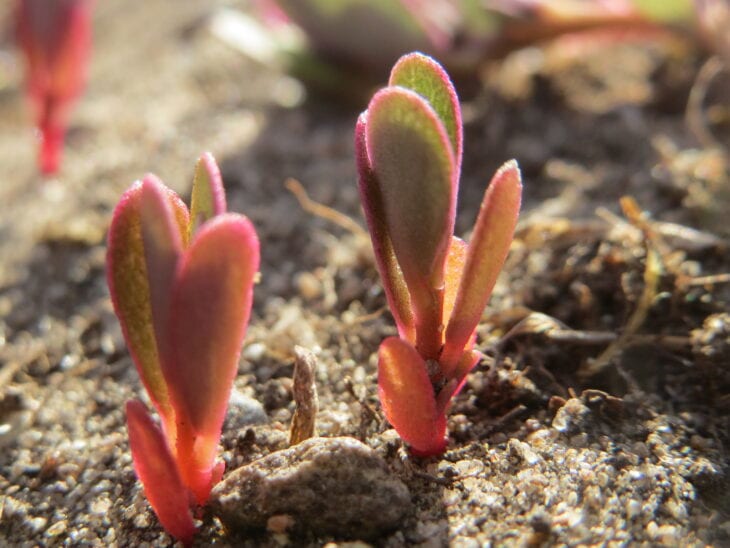
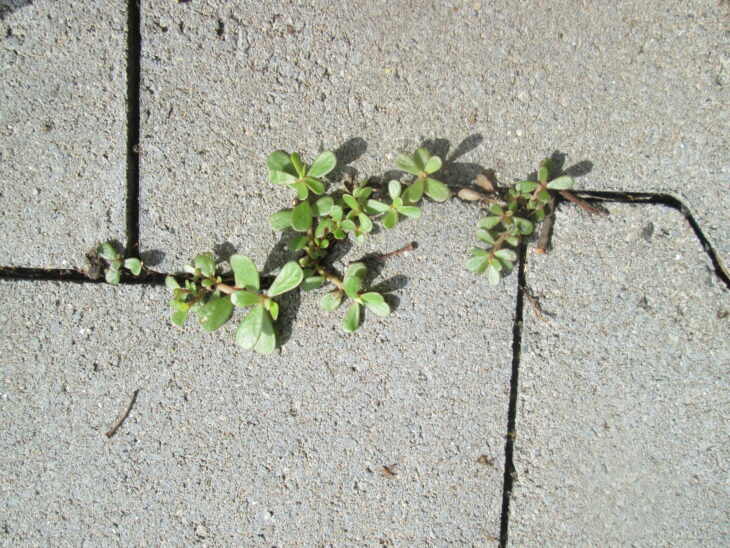
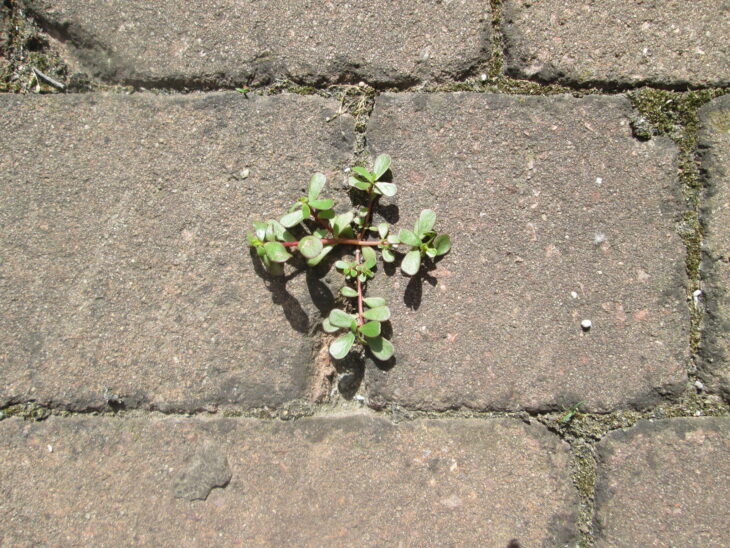
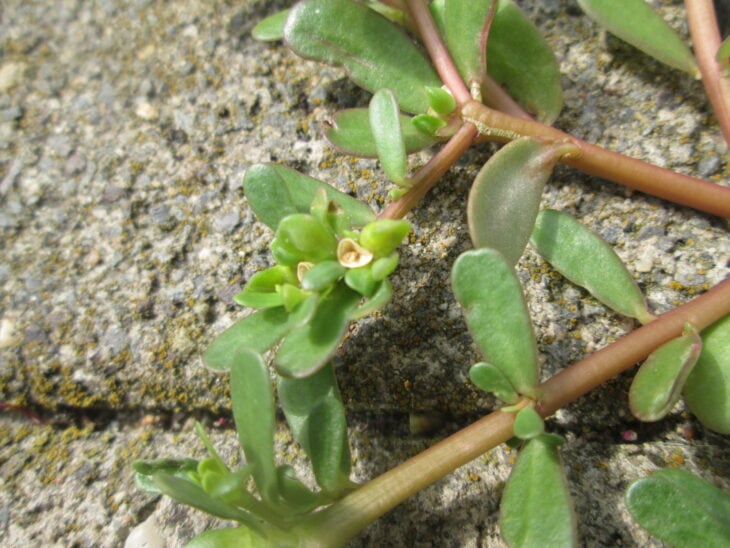
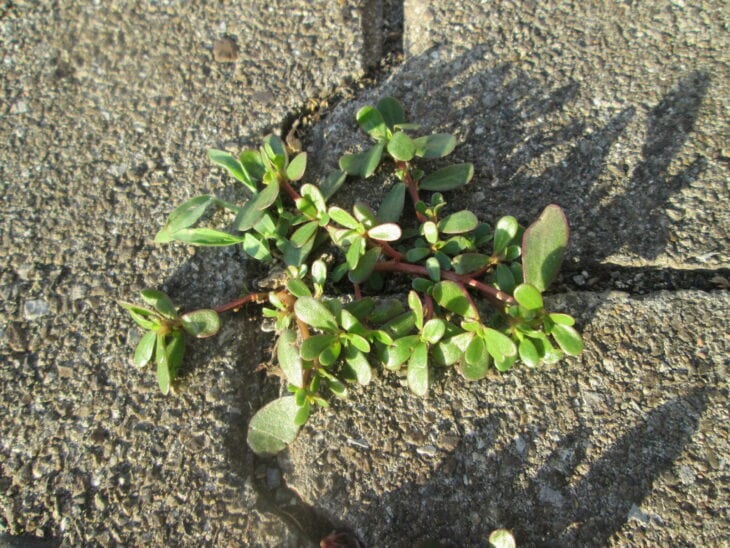
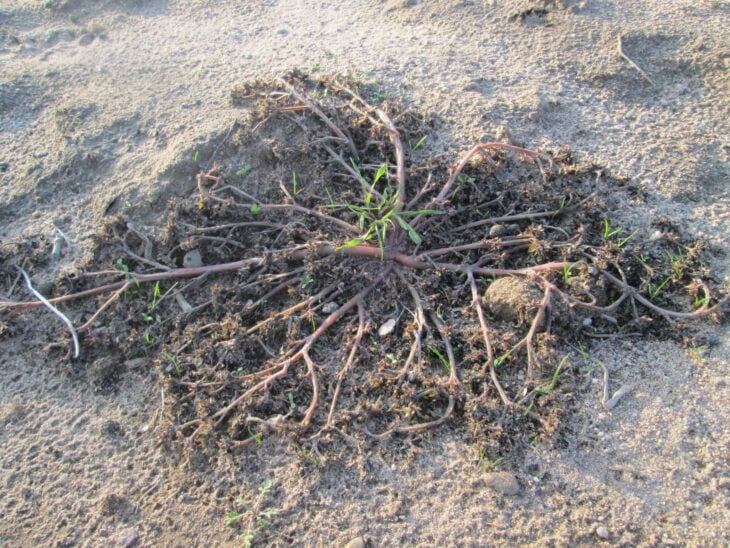
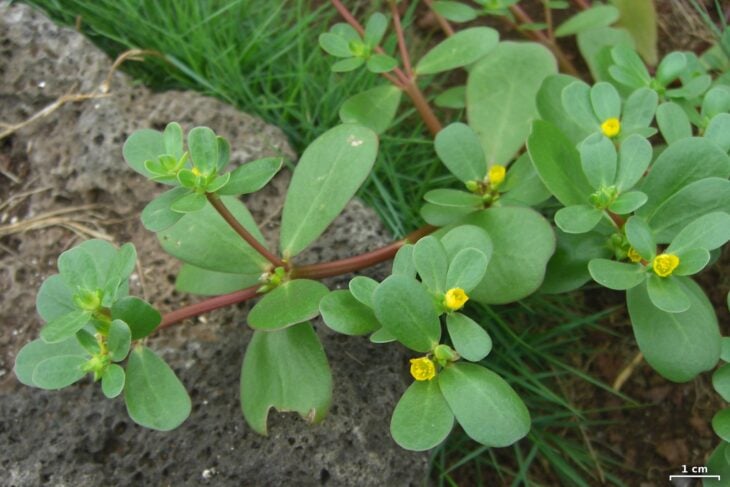
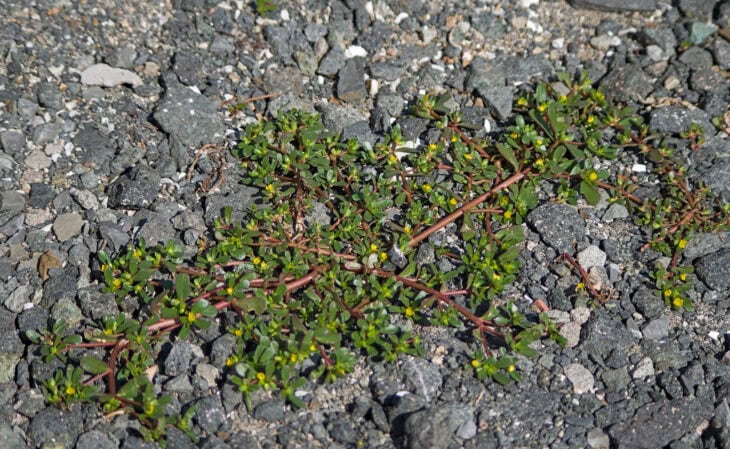
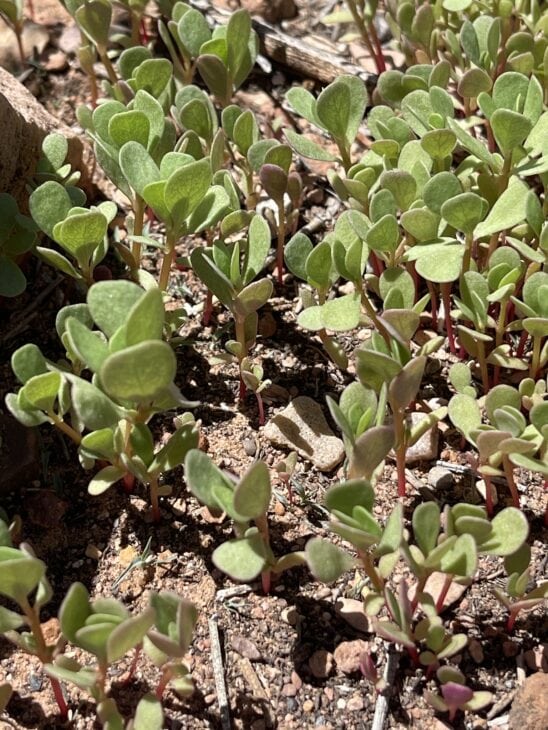
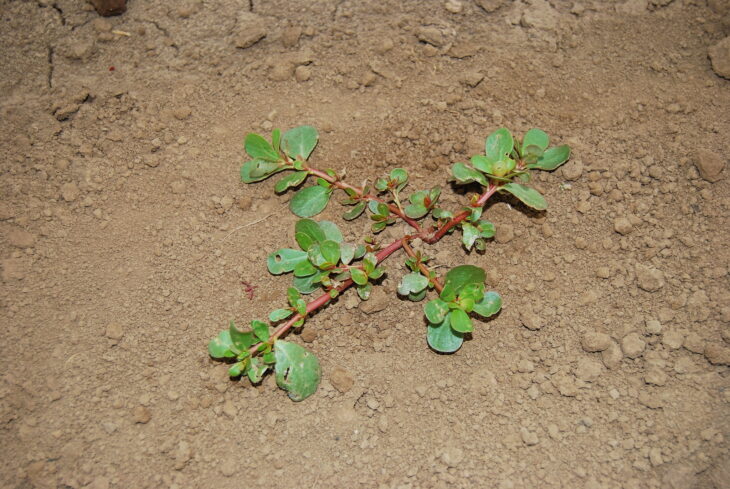
- Leaves are fleshy and smooth and stems are prostrate and often red-tinged.
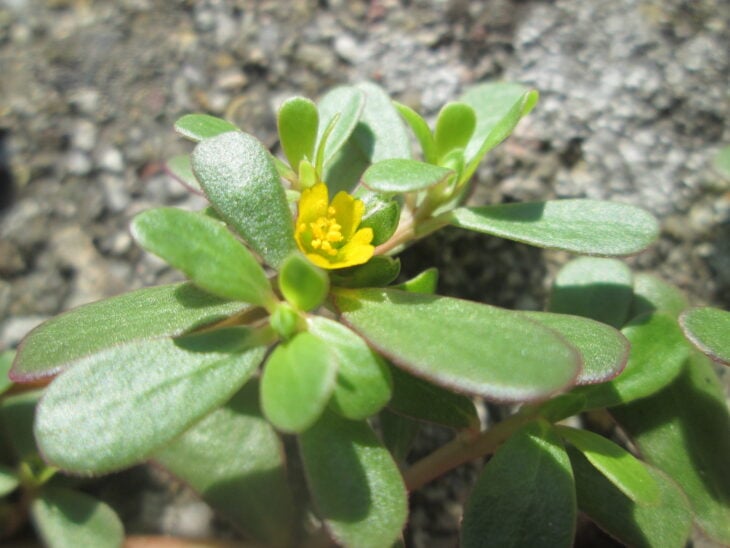
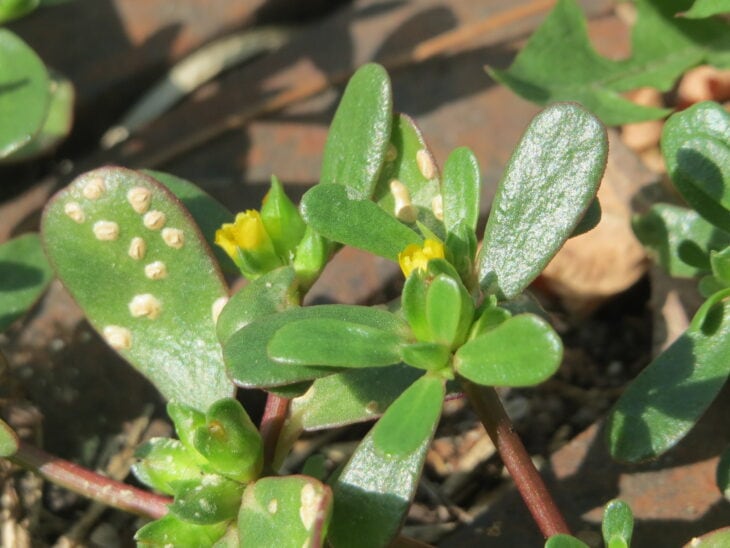
- Produces small yellow flowers that open in full sun.
- Edible raw or cooked and high in omega-3 fatty acids and vitamin C.
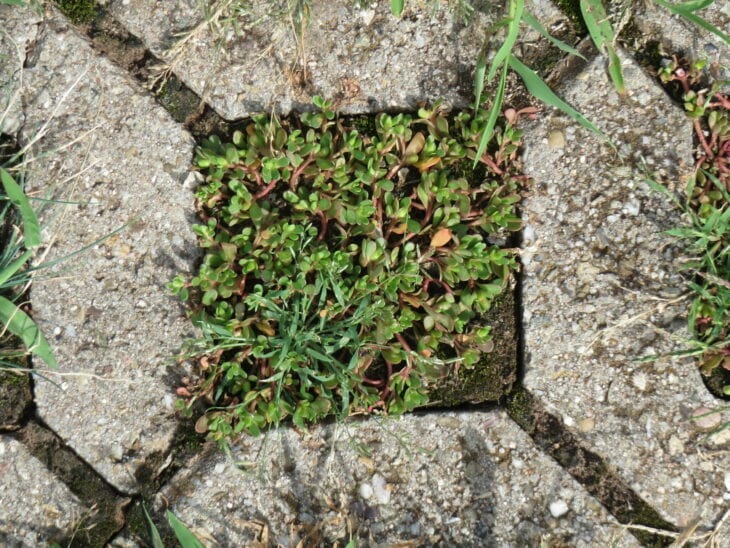
- Tolerates poor, compacted, and dry soils but does not like waterlogged ground.
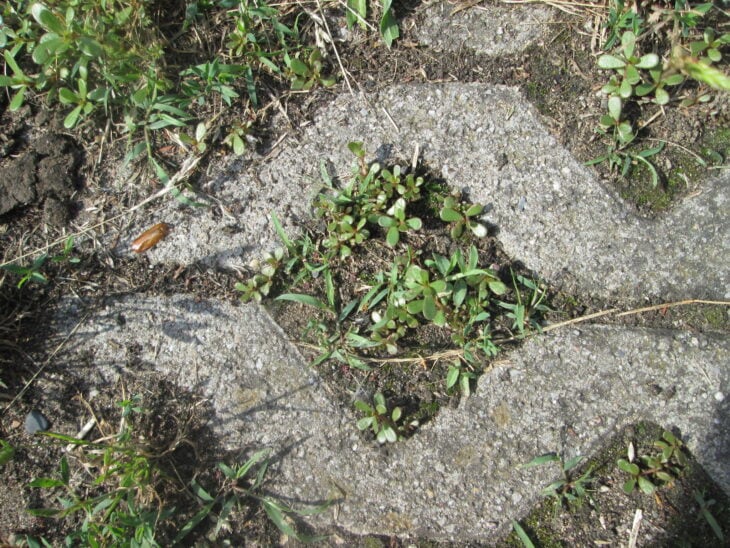
- Spreads readily by seed and by stems that root at the nodes.
- Generally frost sensitive and dies back after hard freezes in cool climates.
Common purslane (Portulaca oleracea) is a low succulent that forms mats and produces small yellow flowers, prized by some gardeners as an edible groundcover and considered a persistent weed by others. It tolerates poor dry soils but can spread quickly from prolific seed and from stems that root at the nodes, so placement matters.
Identification
Leaves are fleshy smooth and stems lie flat and often show a red tinge, producing small yellow flowers that open in full sun. Plants grow very low in height usually two to six inches and can sprawl to cover six to twenty four inches across from seedlings and rooting stems.
Best uses and where to grow
Use common purslane as a low edible groundcover in hot sunny spots where drought tolerant plants are needed and aggressive spread is acceptable. It performs best in full sun for compact habit and flowering and will persist where freezes are rare in USDA zones nine to eleven but acts as a frost tender annual in cooler climates.
Planting and propagation
Sow seed in warm soil after the last frosts for best establishment or use stem cuttings which root quickly at the nodes. Plants reproduce readily by seed and vegetative rooting so remove flower stalks before seed set if you want to limit naturalizing and avoid leaving stem fragments that contact soil.
Soil and watering
Prefers well drained sandy to loamy soils and tolerates poor compacted and moderately saline ground as long as it is not waterlogged. Overly wet soil reduces survival while dry conditions are tolerated and promote the succulent habit and flowering in warm months.
After flowering and control
Control relies on removing flowering stems before seed ripens because seed banks can persist and drive reinfestation. Since stems root at nodes avoid leaving fragments on soil and hand pulling or removing mats before seeds mature is the most reliable way to reduce spread.
Edible use and safety
Leaves and young stems are edible raw or cooked and are a source of omega three fatty acids and vitamin C. The plant contains oxalates and large quantities could be a concern for some animals or sensitive people. ASPCA lists common purslane as non toxic to dogs and cats but livestock risk is possible in high intake.
Frequently asked questions
- How fast does Common purslane grow?
- It grows rapidly in warm weather forming mats within a single season because it spreads both by abundant seed and by stems that root where they touch soil.
- Is purslane edible?
- Yes leaves and young stems are edible raw or cooked and provide omega three fatty acids and vitamin C.
- Are purslane plants toxic to pets?
- ASPCA lists common purslane as non toxic to dogs and cats but the plant contains oxalates and large amounts may pose a risk to some animals or people.
- Will purslane come back every year?
- In cool climates the plant is frost sensitive and dies back after hard freezes with return from seed the next year while in warmer USDA zones nine to eleven it can persist and behave more aggressively.
- Can I grow purslane in containers?
- Yes it can be grown from seed or from stem cuttings in pots provided the medium is well drained and the container receives plenty of sun.
- How do I prevent purslane from spreading?
- Remove flowering stems before seed set avoid leaving rooting stem fragments and clear seedlings promptly to reduce the seed bank and limit new mats.
Gallery
Related Plants


Mentioned In (1)

Plants
9 Plants That Look Like Thyme
Thyme has been used as a flavor for food and burned as incense in temples. It has been and still…