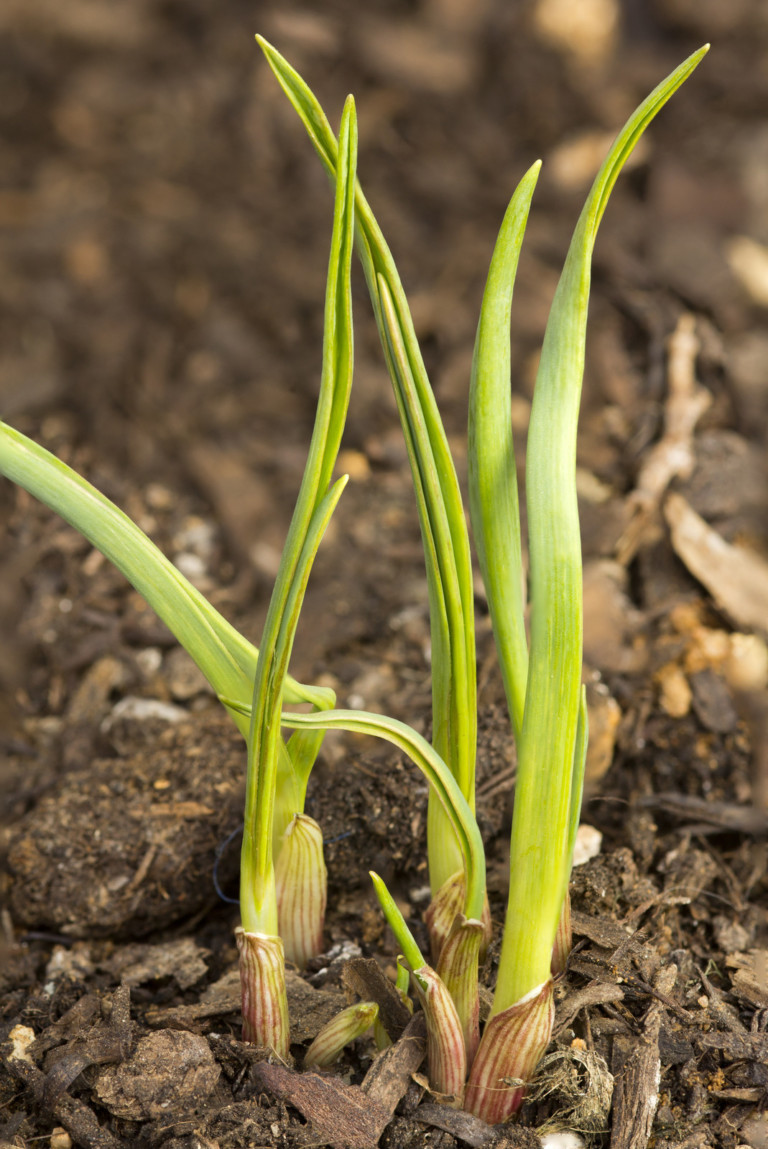
Key Facts
- Annual herb in the carrot family
- Leaves are called cilantro and are used fresh
- Seeds are dried and used as the spice coriander
- Quick to bolt in hot weather which ends leaf harvest
- Produces small white to pink umbels that attract pollinators
- Prefers well drained soil and regular moisture during leaf growth
- Easily grown from seed and will self seed in favorable conditions
Coriander is an annual culinary herb grown for its fresh leaves, called cilantro, and for the dried spice made from its seeds. It establishes quickly from seed and commonly flowers and sets seed within the same season, which ends the prime leaf harvest when plants bolt.
Identification and key traits
Coriandrum sativum belongs to the carrot family and forms delicate umbels of small white to pink flowers that attract pollinators. Plants typically reach 12 to 24 inches tall with a spread of about 6 to 12 inches.
Where to grow and best uses
Grow coriander in kitchen gardens, herb beds or edible borders to harvest fresh leaves for cooking and to collect seeds for spice. It is treated as an annual in most regions and is listed for USDA zones 2 to 11 as an annual, with local climate affecting survival and how quickly plants bolt.
Light, soil and spacing
Plant in full sun to part shade. In hot climates partial shade can reduce heat stress and delay bolting. Choose well drained loam or sandy loam and aim for a neutral to slightly acidic soil pH near 6.2 to 7.0. Space plants roughly 6 to 12 inches apart depending on whether you will thin for leaf harvest.
Planting and watering
Sow seed directly outdoors with succession plantings to extend leaf harvest. Transplanting is possible but handle seedlings gently because coriander resents root disturbance. Keep soil evenly moist during leaf production; rapid bolting commonly follows hot weather and will end the leaf harvest.
Flowering, seed harvest and self-seeding
Flowers typically appear in summer in temperate climates and form umbels before seed set. Allow umbels to dry on the plant and harvest coriander seeds when brown and dry for spice. Plants readily self-seed in favorable conditions; remove flower stalks to prevent volunteers or let some go to seed to renew the patch.
Cautions and toxicity
Leaves and seeds are edible for people. Coriander is generally not listed as toxic to dogs and cats but ingestion can cause mild stomach upset in pets; consult a veterinarian for large ingestions. A small number of people experience allergic reactions or contact sensitivity to coriander.
Propagation and seasonality
Best propagated by direct sowing and by allowing self-seeding. Succession sowings in cooler conditions extend the harvest window because plants bolt quickly in heat and stop producing tender leaves.
Frequently asked questions
- How fast does Coriander grow?
- Coriander grows quickly from seed and commonly reaches about 12 to 24 inches tall within the same growing season, often flowering and setting seed that same year.
- When will coriander flower and set seed?
- Flowers usually form in summer in temperate regions after the plants mature, with exact timing depending on sowing date and local climate.
- Will coriander regrow after flowering?
- Once coriander bolts and flowers it stops producing the tender leaves used as cilantro, but it will often self-seed and produce new plants the following season.
- How can I delay bolting?
- Sow in cooler conditions or provide partial shade in hot weather, use succession plantings and keep soil evenly moist to extend the leaf harvest before plants bolt.
- Can I harvest both leaves and seeds?
- Yes. Harvest leaves while plants are leafy and green. Allow selected plants to flower and dry on the stem to collect coriander seeds for spice.
- Is coriander safe for pets?
- It is generally non toxic to dogs and cats but can cause mild stomach upset; check with your veterinarian for concerns about large ingestions.
Gallery

Related Plants