
Key Facts
- A tall spring-flowering bulbous perennial.
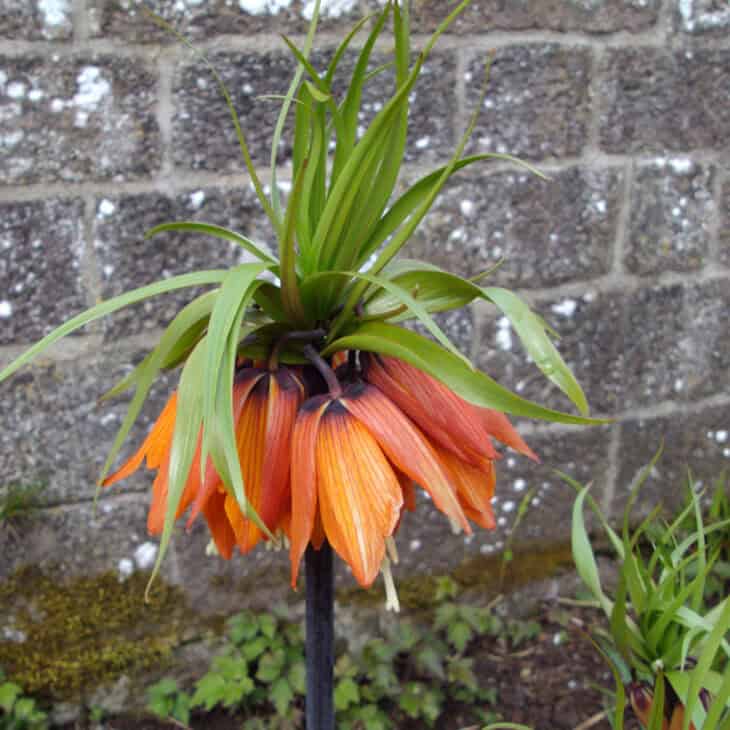
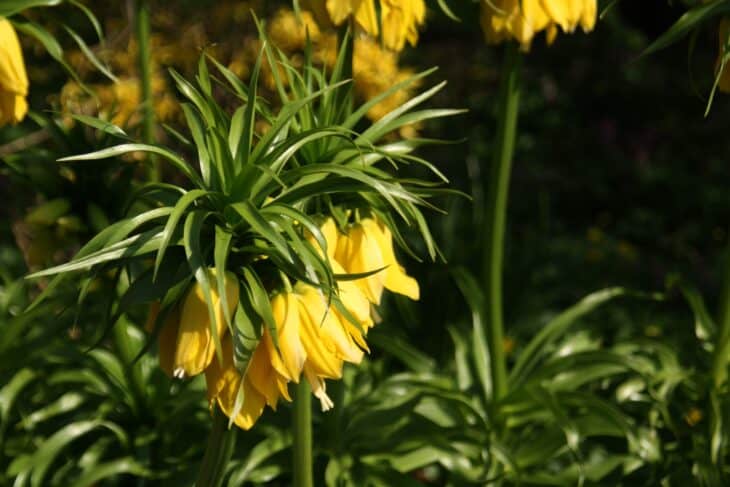
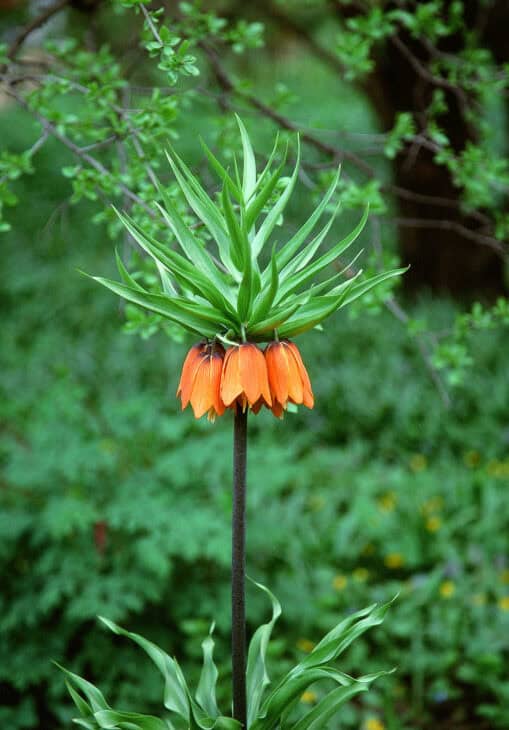
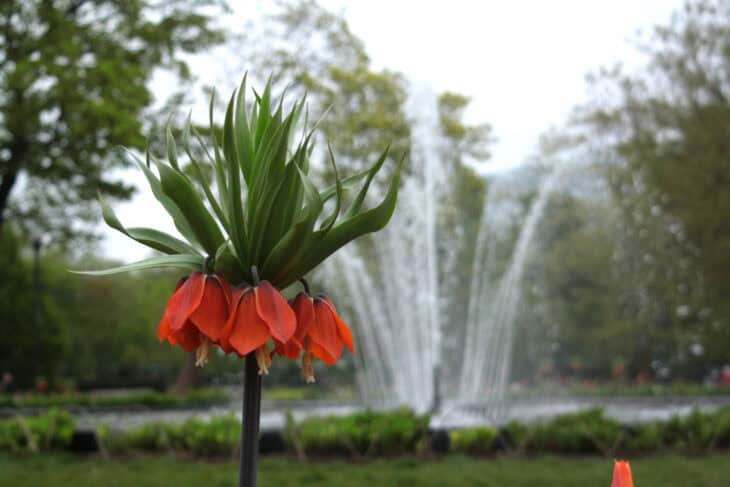
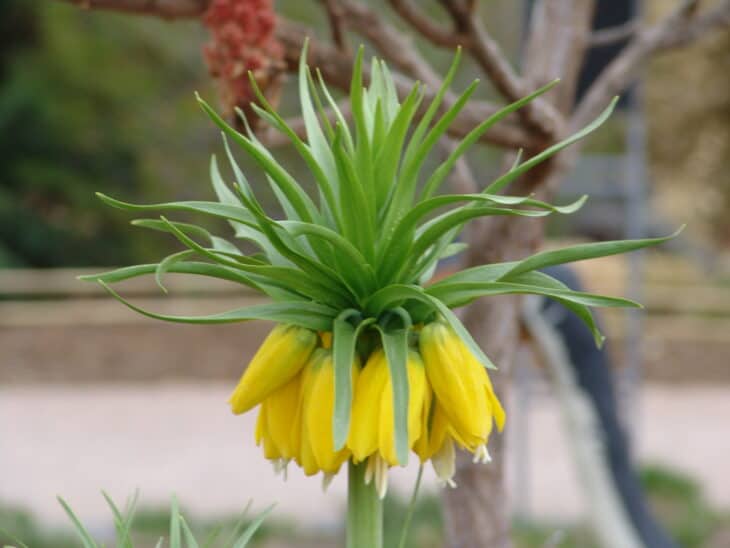
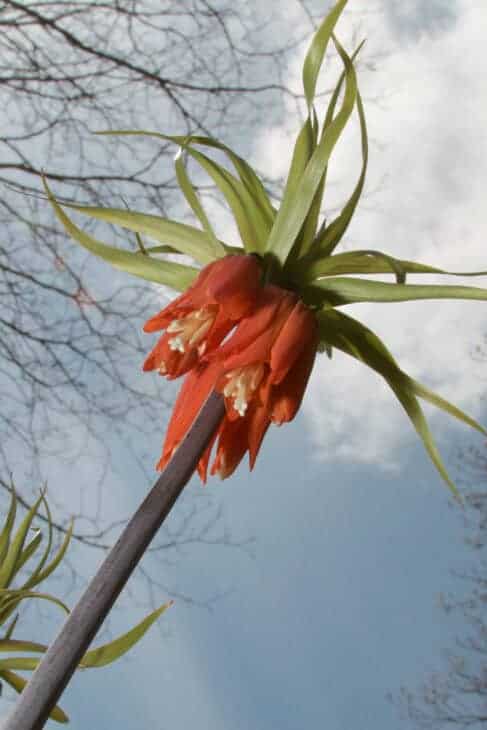
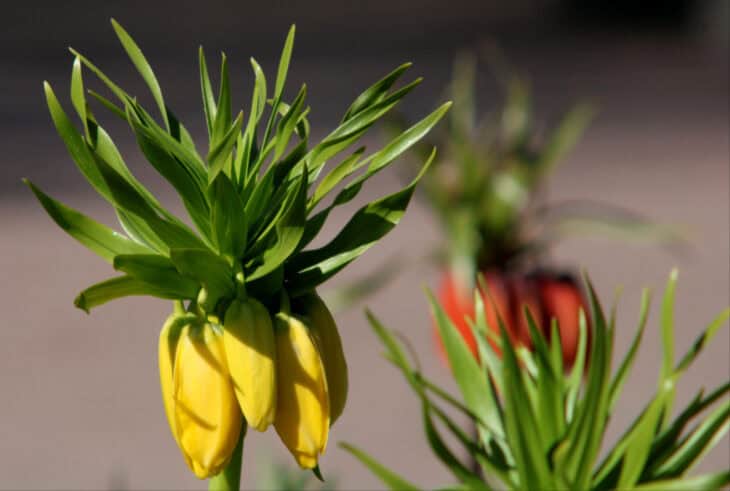
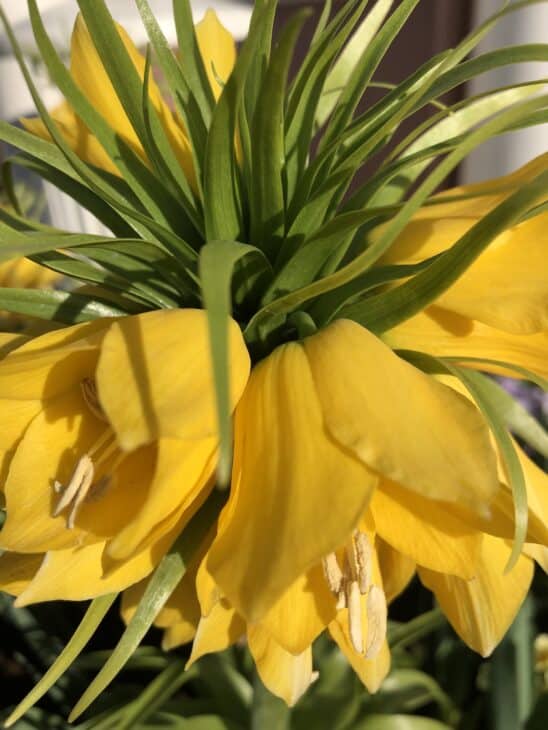
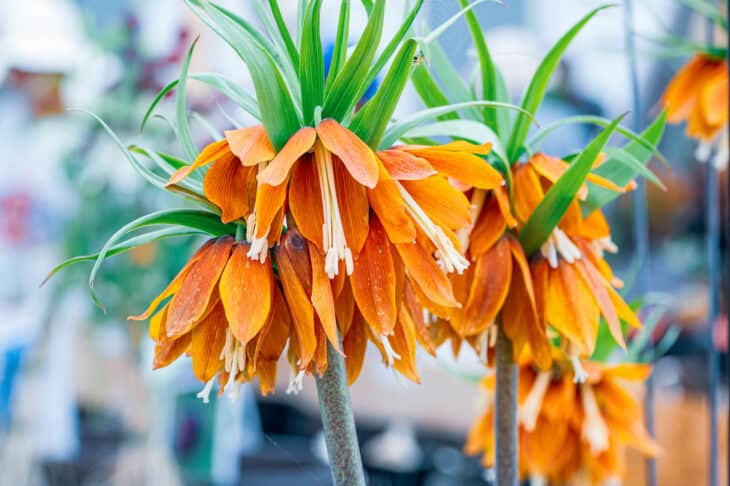
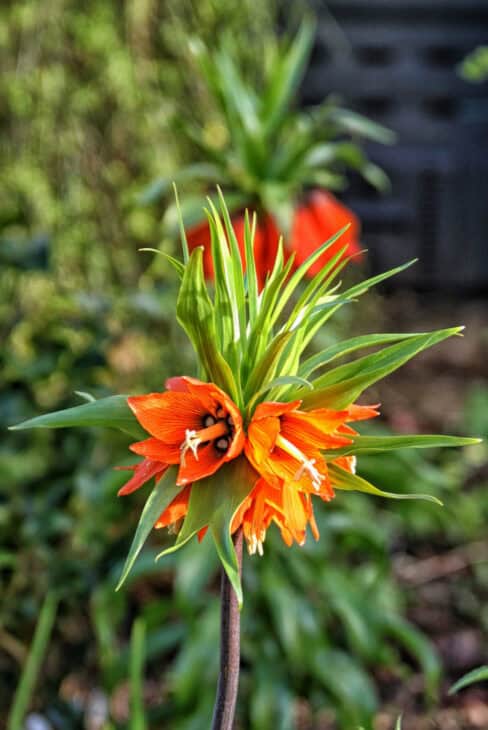
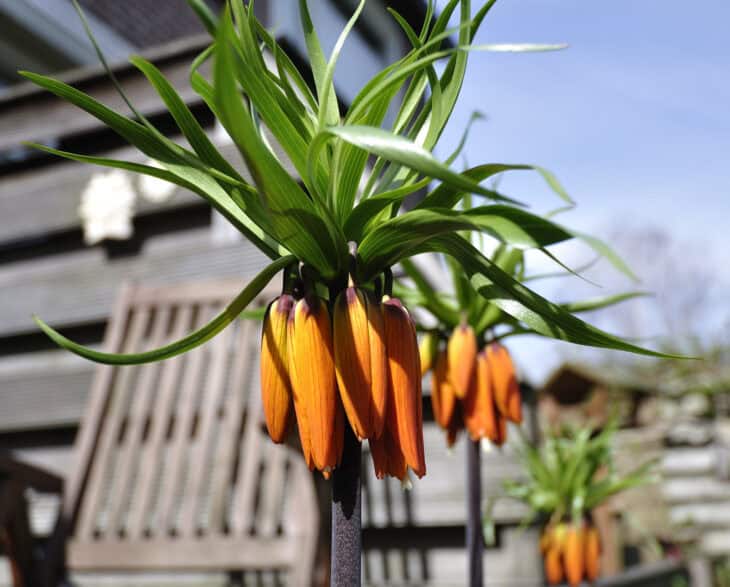
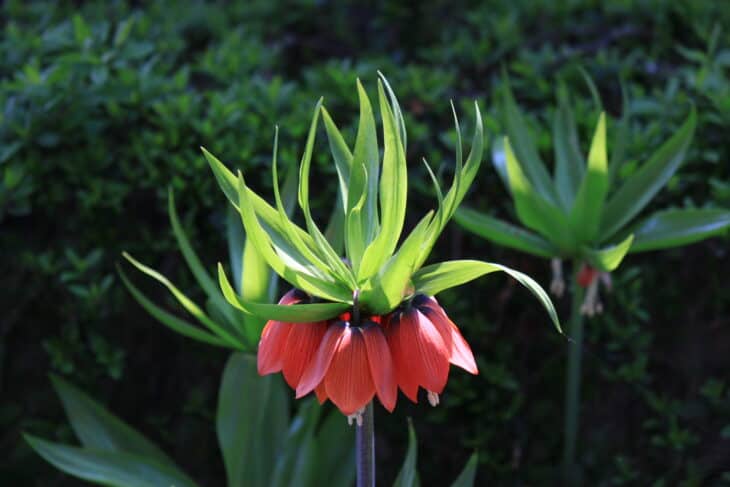
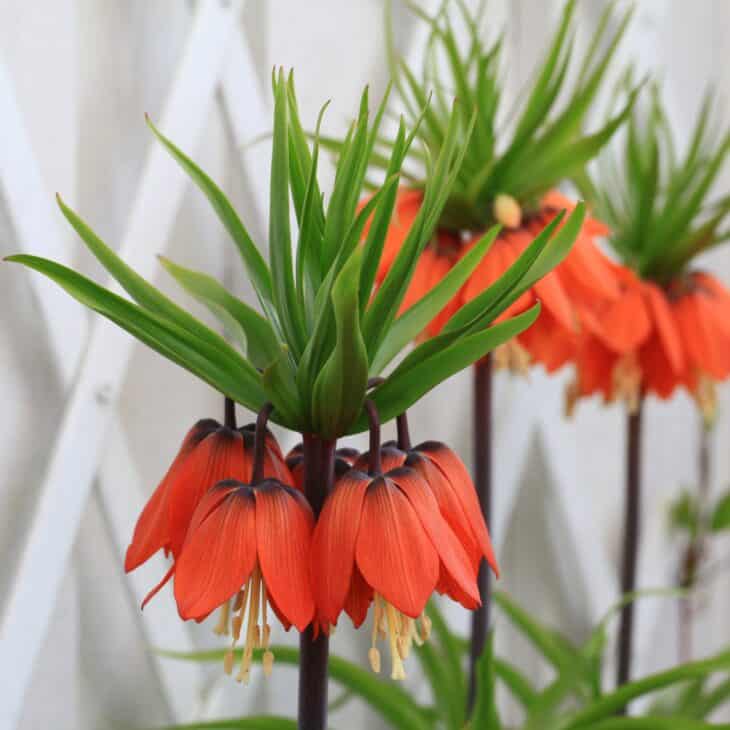
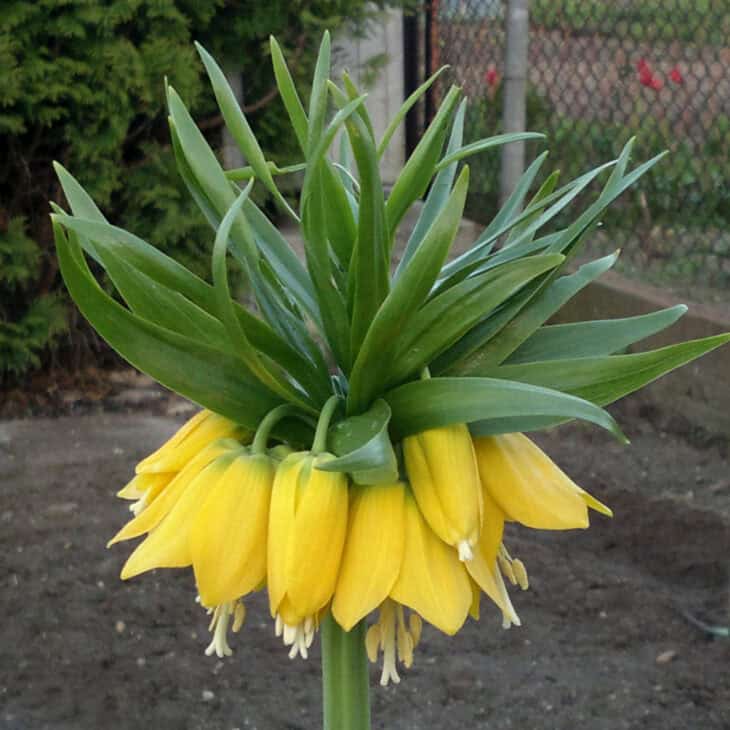
- Topped by a crown of leaves above nodding bell-shaped flowers.
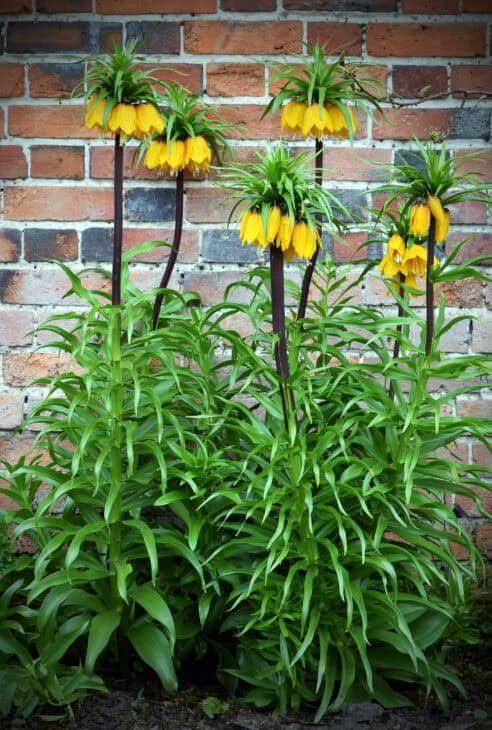
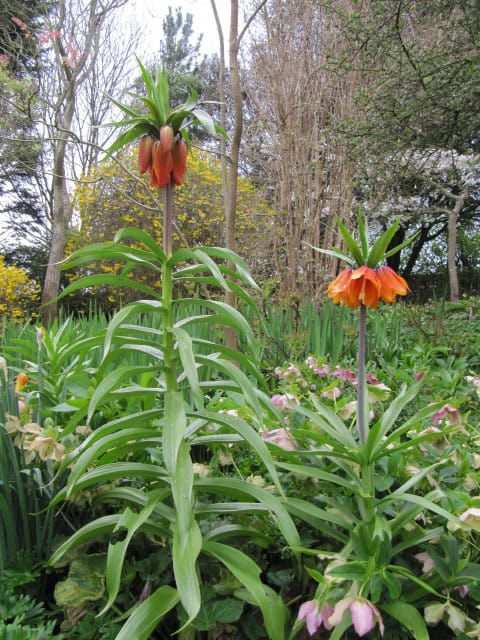
- Typically 24–36 in (60–90 cm) tall.
- Prefers well-drained fertile soil and dislikes waterlogged sites.
- Flowers appear in spring, often April–May in temperate zones.
- All plant parts are considered poisonous if ingested.
- Propagated by bulb offsets and by seed.
Crown Imperial Fritillaria imperialis is a tall spring flowering bulbous perennial with nodding bell shaped flowers topped by a crown of leaves. It creates a dramatic back of border specimen or a spirited clump but is poisonous and needs well drained soil.
Identification
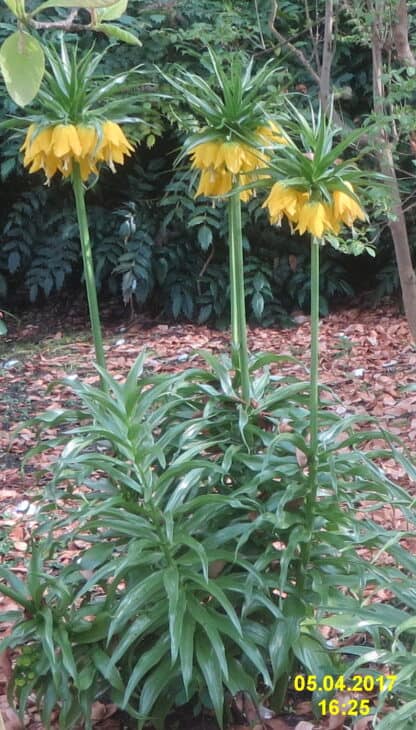
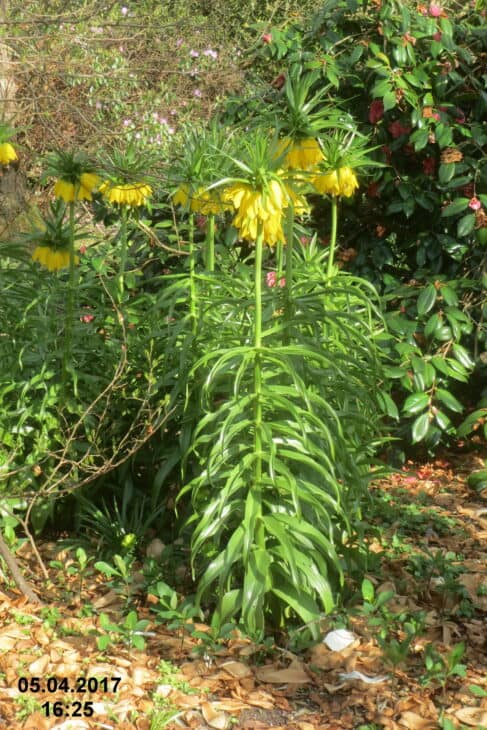
Plants reach about 24 to 36 in 60 to 90 cm at flowering. Flowers are nodding, bell shaped and sit beneath a tuft of leaves at the stem top. Bloom time is in spring, often April to May in temperate Northern Hemisphere locations.
Where to grow and best uses
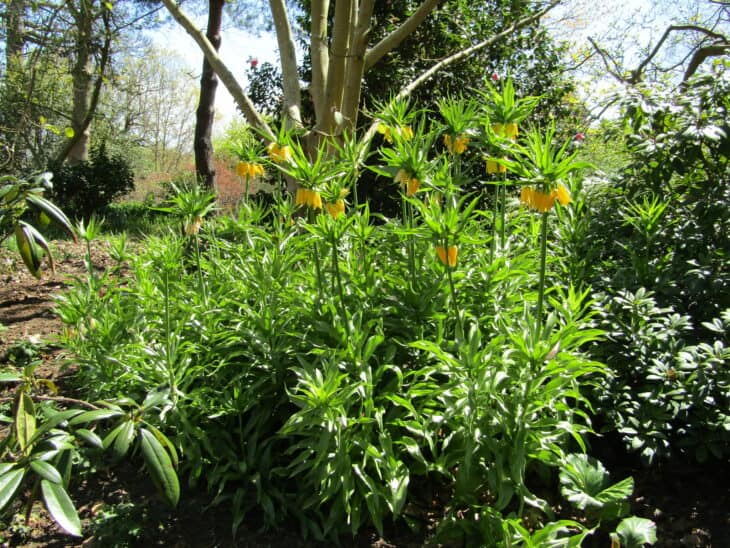
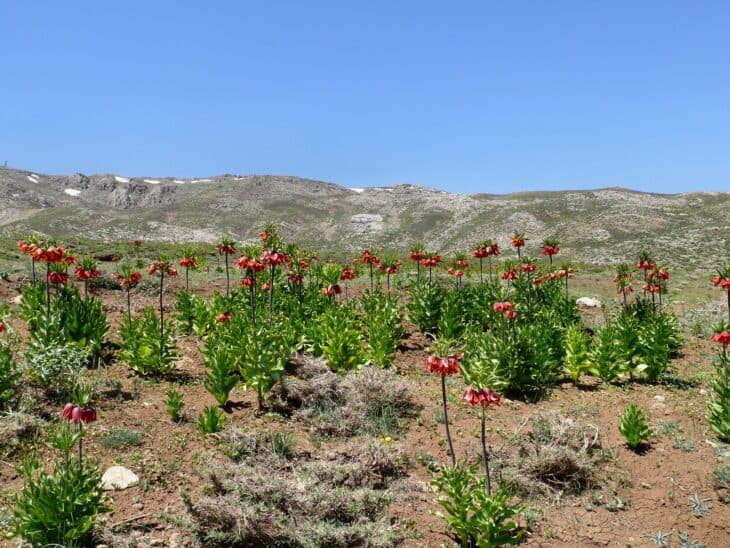
Use Crown Imperial as a tall spring accent at the back of mixed borders or in groups for a bold vertical display. It also works in sheltered sunny sites where nearby plants will not be smothered by its size. Note that all plant parts are poisonous so avoid planting where children or pets might dig bulbs.
Light and soil
Light preference is full sun to part shade with sunnier sites producing the best flower displays. Soil should be fertile and well drained. Poor drainage increases the risk of bulb rot and is the main reason bulbs fail to establish in warmer climates.
Planting and spacing
Flowering occurs in spring so bulbs are planted in the dormant season according to local practice. Space bulbs roughly 12 to 18 in 30 to 45 cm apart to form clumps that fill out over time. Avoid waterlogged sites and amend heavy soil with organic matter or use raised beds if drainage is poor.
Watering and seasonal care
Keep soil evenly moist while foliage is active but do not let bulbs sit in standing water. Remove spent flowers to prevent unnecessary seed set. Allow the foliage to die back naturally so bulbs can refill their stores before you cut stems to ground level.
Propagation and controlling spread
Propagate by lifting and dividing bulb offsets or by seed. Offsets produce flowering plants much sooner than seed. Seed grown plants can take several years to reach flowering size. Lift and divide clumps every few years if you need to control spread or rejuvenate the planting.
Toxicity and handling
All parts are considered poisonous if ingested and bulb sap can cause skin irritation on handling. Keep bulbs and plants away from children and pets and wear gloves when handling bulbs or freshly cut stems.
Hardiness
Hardiness USDA zones 5 to 9 is typical guidance. In colder zones top growth can be killed to the ground while bulbs survive. In warmer zones bulbs are more likely to rot if soils are not well drained.
Frequently asked questions
- How fast does Crown Imperial grow?
- Established bulbs reach their full flowering height each spring. Bulbs produce offsets over seasons. Seed grown plants may take several years to flower.
- When does Crown Imperial bloom?
- It blooms in spring, often April to May in temperate Northern Hemisphere locations but exact timing varies with climate and latitude.
- Is Crown Imperial poisonous?
- Yes. All parts are considered poisonous and bulb sap can irritate skin. Keep away from children and pets and use gloves when handling bulbs.
- Can Crown Imperial naturalize?
- It forms clumps by producing offsets and can fill a site over time. Lift and divide bulbs when clumps become crowded to control spread.
- What soil does it need?
- Fertile, well drained soil is best. Avoid waterlogged conditions because poor drainage leads to bulb rot.
- How should I propagate it?
- Propagate by dividing bulb offsets for quickest results. Growing from seed is possible but takes multiple years to reach flowering size.
Gallery
Related Plants


Mentioned In (1)

Plants
8 Plants That Look Like Tulips
Tulips are beloved for their elegant, cup-shaped blooms and vibrant spring color, but they aren't always the easiest plants to…