
Key Facts
- Deciduous broadleaf tree native to Europe and western Asia.
- Produces single-seeded acorns that feed wildlife.
- Long lived and often develops a broad, spreading crown.
- Valued as a specimen and for timber and habitat.
- Tolerant of a range of soils including heavy clay when drained.
- Prefers full sun but tolerates light shade.
- Flowers in spring before or with leaf emergence.
- Leaves are lobed and variable in shape.
English Oak is a long lived deciduous oak valued as a large shade and specimen tree that produces acorns and supports wildlife. It develops a broad, spreading crown and suits parks, large yards and habitat plantings while requiring space for its mature size.
Identification
English Oak has lobed, variable leaves and produces single seeded acorns each year. Mature trees typically reach 50 to 100 feet tall with a broad crown 40 to 80 feet across. Flowers appear in spring before or with leaf emergence, and the trunk often develops substantial girth with age.
Best uses and where to grow
Use English Oak as a specimen, large shade tree, parkland or habitat screen where room allows for a spreading crown. It tolerates a range of soils including heavy clay when drained and prefers full sun for best form and growth. Hardy in USDA zones 4 to 8, site selection should account for mature size.
Planting and spacing
Allow ample room for a mature crown and roots by spacing planted trees about 40 to 80 feet apart depending on expected final size. Plant on a slight rise or improve drainage on heavy wet sites to avoid waterlogged conditions that cause decline. Position the root collar at soil grade and avoid deep planting.
Soil and watering
English Oak prefers moist, fertile, well drained soils and tolerates clay and alkaline soils when drainage is adequate. Water regularly through the first few growing seasons to encourage establishment. In the warm end of its hardiness range trees can show drought stress and may need supplemental water during prolonged dry spells.
Maintenance and after-flowering care
Prune young trees to establish a strong framework and remove dead or rubbing branches during dormancy. After flowering, acorns develop and drop; expect seasonal litter beneath the tree. Avoid heavy pruning on mature trees and monitor for regional pests and diseases that affect vigor.
Propagation
Propagate English Oak from fresh acorns sown directly or cold stratified, and preserve named cultivars by grafting or by purchasing grafted nursery stock. Nursery trees offer consistent form while seed-grown trees show more variability in leaf shape and eventual habit.
Wildlife value and toxicity
Acorns are a valuable food for birds and mammals and the tree supports broad wildlife habitat. Acorns and wilted young leaves contain tannins and can be toxic to livestock if eaten in large amounts. For concerns about pets or livestock consult local extension or veterinary guidance.
Frequently asked questions
- How fast does English Oak grow?
- Growth is generally moderate. Trees commonly reach the quoted mature height of 50 to 100 feet over many decades, with slower early growth in colder climates.
- Is English Oak suitable for small gardens?
- No. Its large mature height and 40 to 80 foot crown spread make it a poor choice for small yards. Reserve it for large sites or parks.
- When does English Oak flower?
- It flowers in spring, typically April to May in the temperate northern hemisphere, often before or with leaf emergence.
- Are acorns poisonous to pets?
- Acorns can cause gastrointestinal upset and contain tannins that are toxic to livestock when eaten in quantity. Check veterinary resources for pet-specific guidance.
- How do I propagate English Oak?
- Plant fresh acorns or use cold stratification for seed propagation. Cultivars are propagated reliably by grafting and by purchasing nursery stock.
- How close can I plant to buildings?
- Keep large trees well away from foundations and utilities. Allow for the mature crown and root spread by siting trees roughly 40 to 80 feet from structures.
Gallery


Related Plants


Mentioned In (6)
Trees
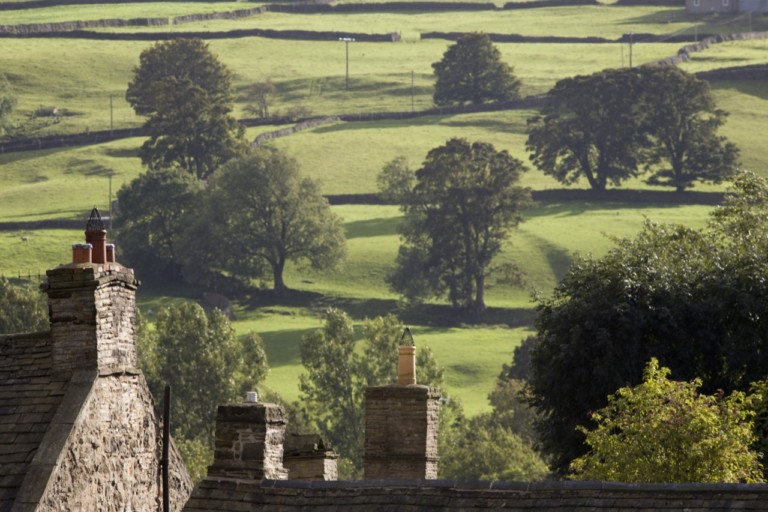
17 Most Common Trees in England
The country of England is home to a large variety of trees. Due to the temperate climate, there are many…

Oak
9 Types of Oak Trees in Ontario
Do you plan to grow Oak Trees in your Ontario garden? Oaks are stately, tall, and attractive trees with dark…
Oak
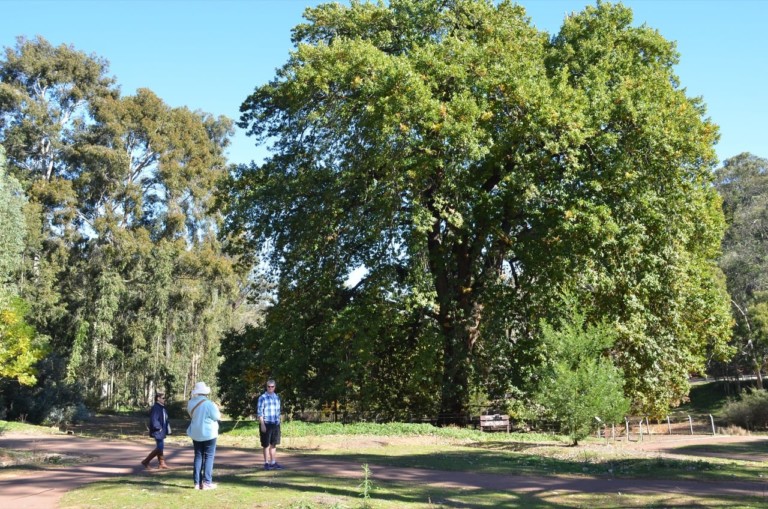
9 Types Of Oak Trees In Australia
Did you know that there are over 600 Oak species in the world? Oaks are part of the Quercus genus. They…

Oak
12 Common Types Of Oak Trees In Canada
Do you plan to grow Oak Trees in your garden? Well, you will be happy to know that there are…

Oak
8 Types of Oak Trees in Ohio
The state of Ohio is home to more than 100 species of trees, and the most common tree in the…

Oak
76 Types of Oak Trees in North America (foliage photos)
Because of all the forests in North America, you can find just about every tree you can think of if…