
Key Facts
- Common name foxtail or foxtail barley.
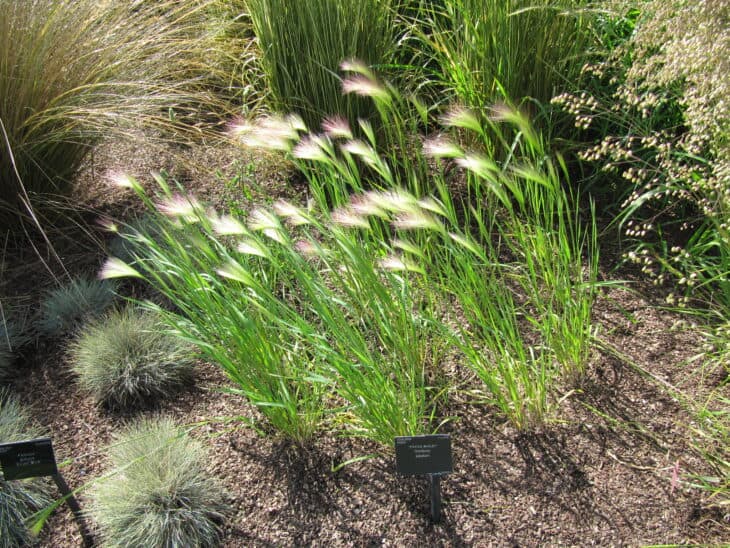
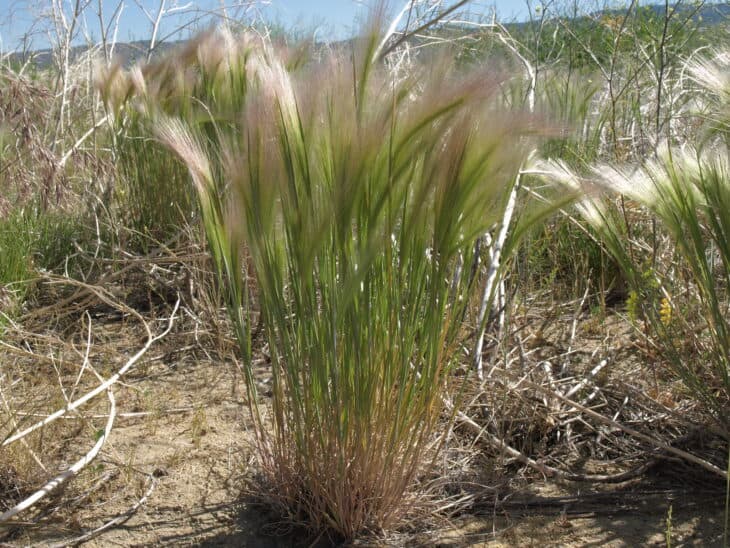
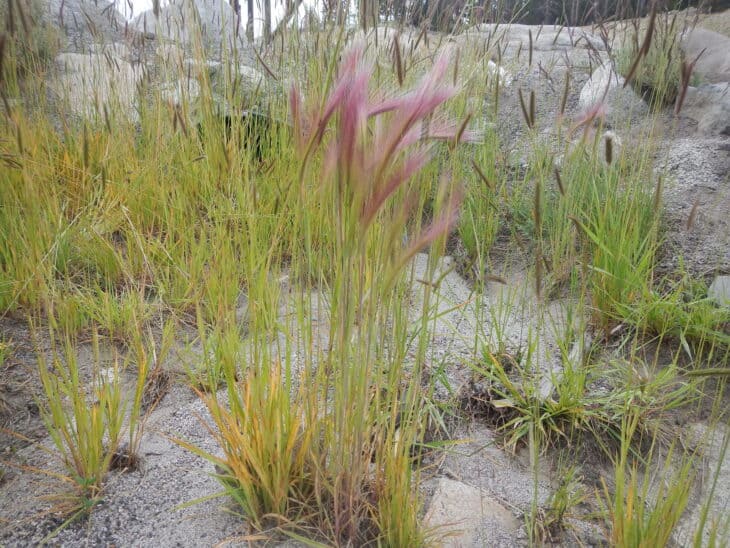
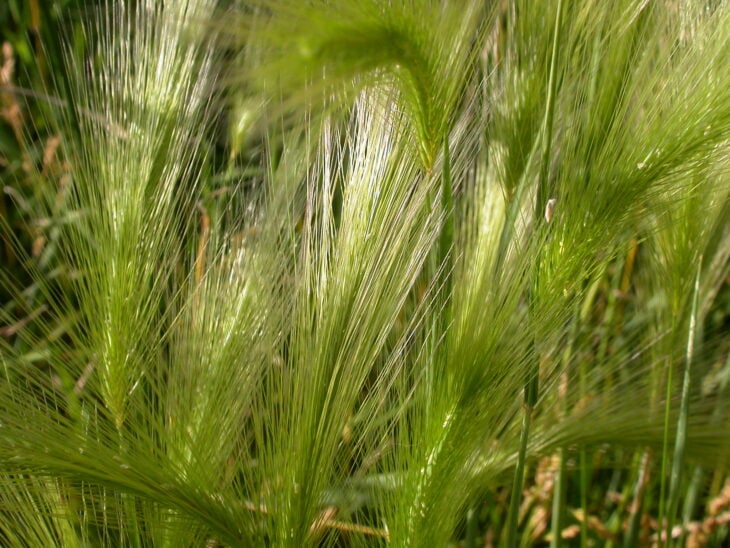
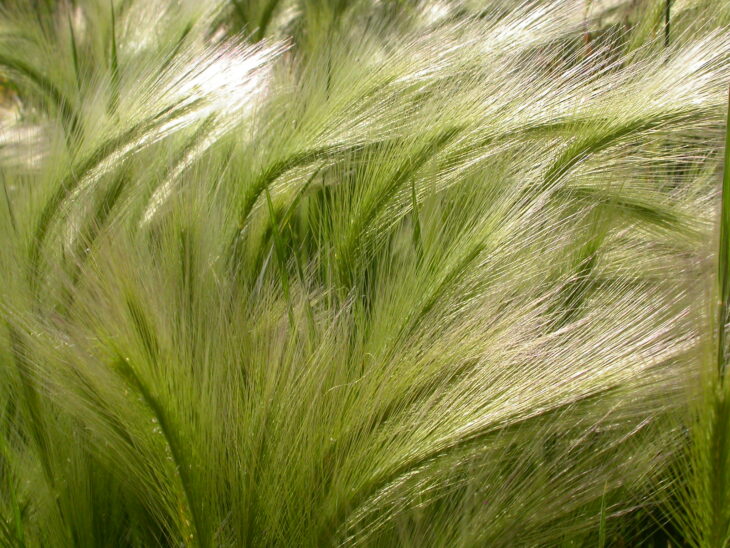
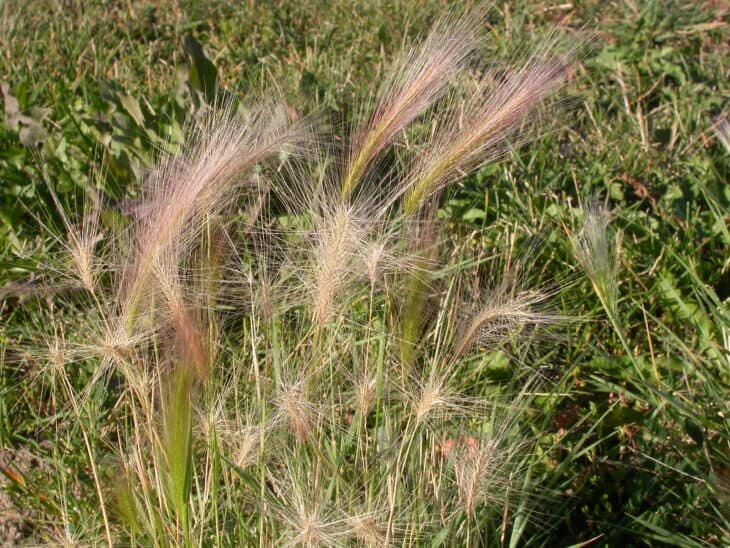
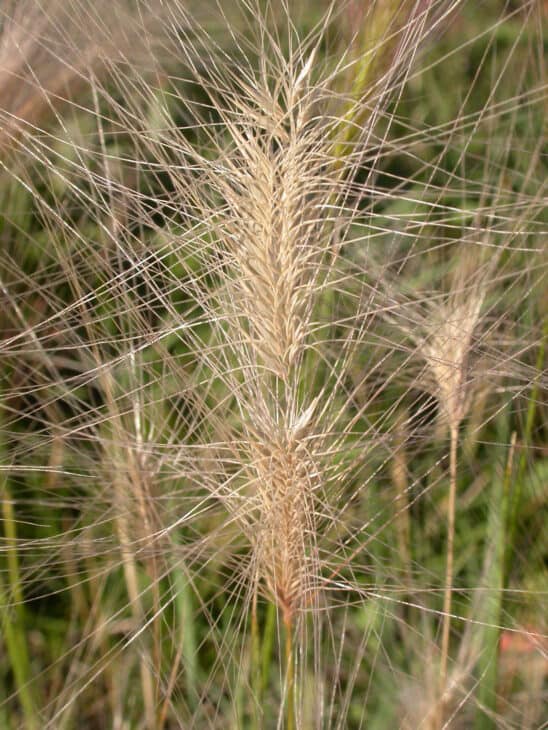
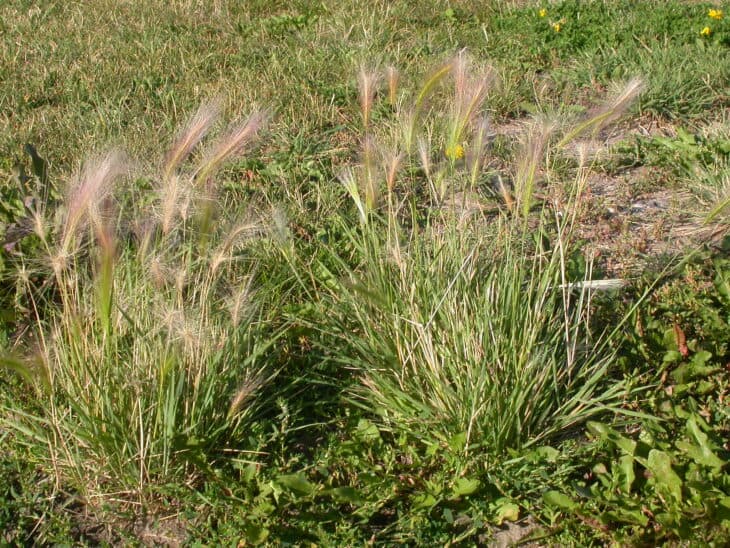
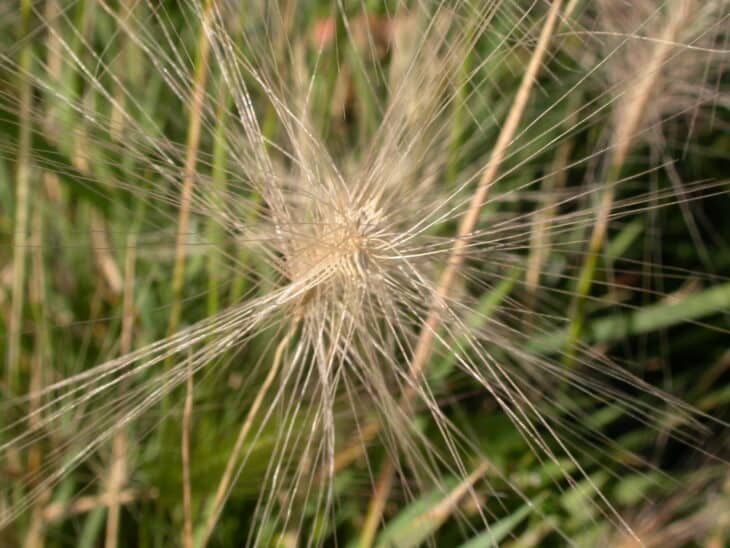
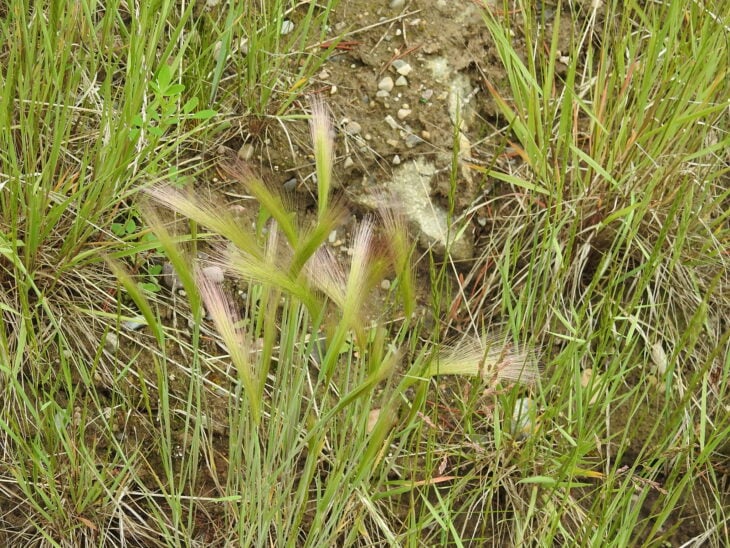
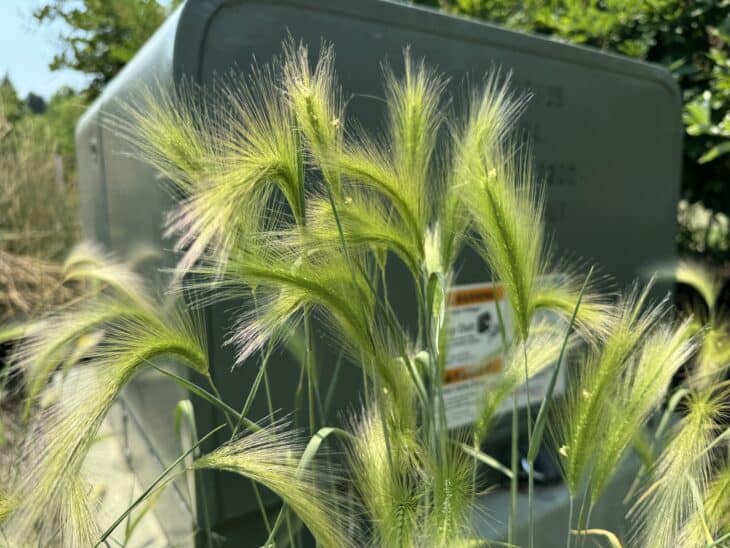
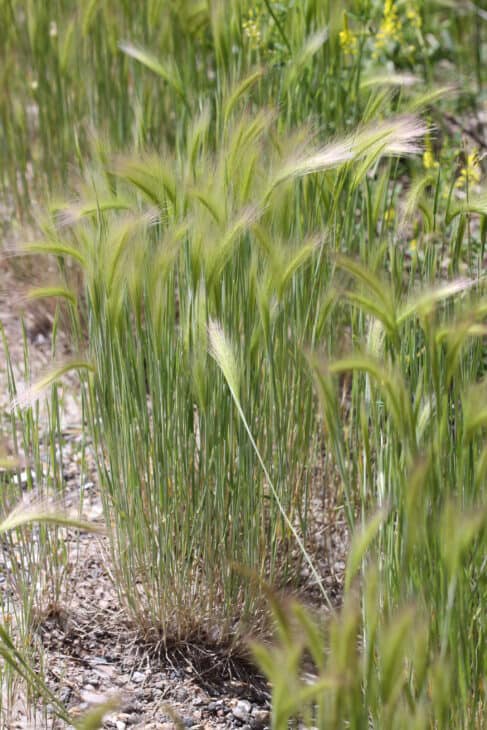
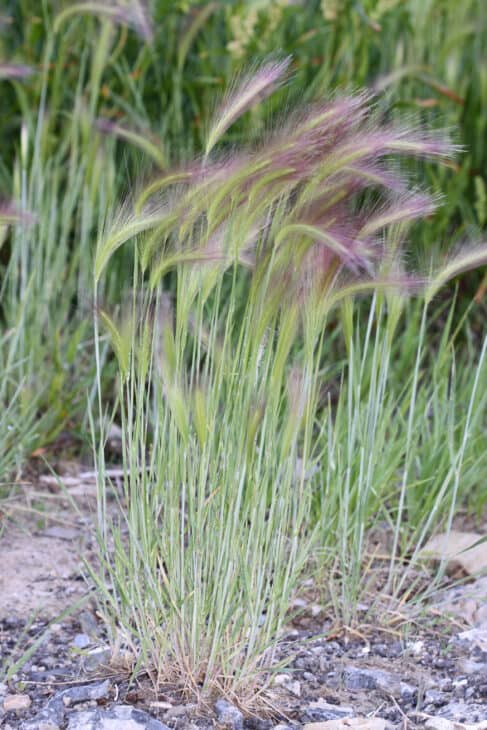
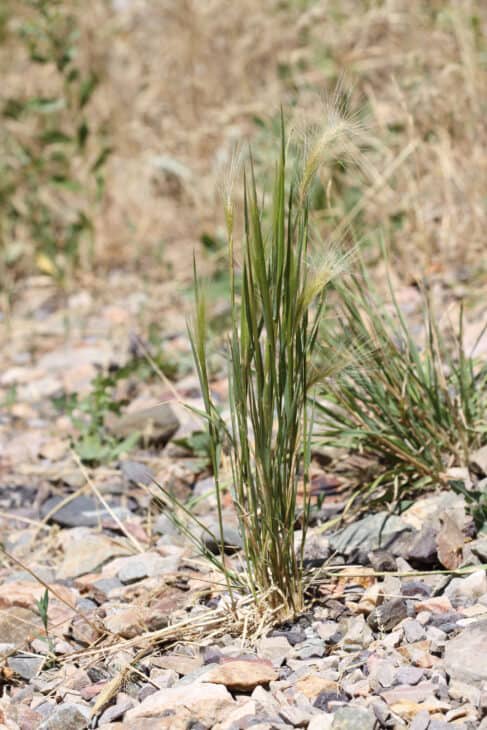
- Tufted grass with soft bottlebrush seed heads and long, twisted awns.
- Reproduces primarily by seed and self seeds readily.
- Tolerant of saline and alkaline soils and poor fertility.
- Prefers well drained sites and full sun.
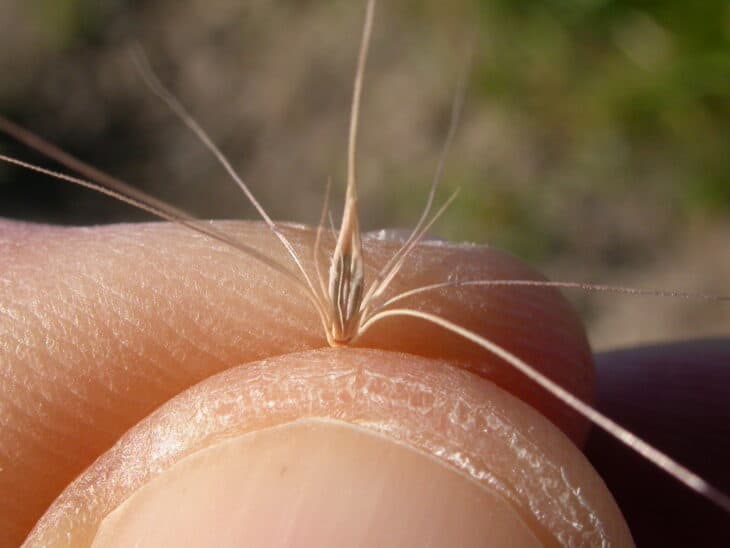
- Awns are a mechanical hazard to pets and livestock rather than a systemic toxin.
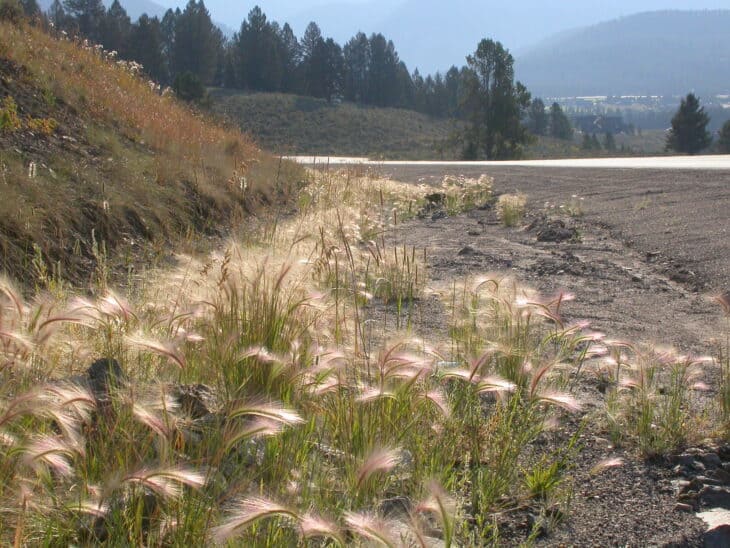
- Often found in disturbed sites roadsides and fields.
- Can act as a short lived perennial or annual depending on climate.
Foxtail Hordeum jubatum is a tufted grass with soft bottlebrush seed heads and long twisted awns. It is useful for low fertility sunny sites but spreads readily by seed and its awns can injure pets and livestock.
Identification
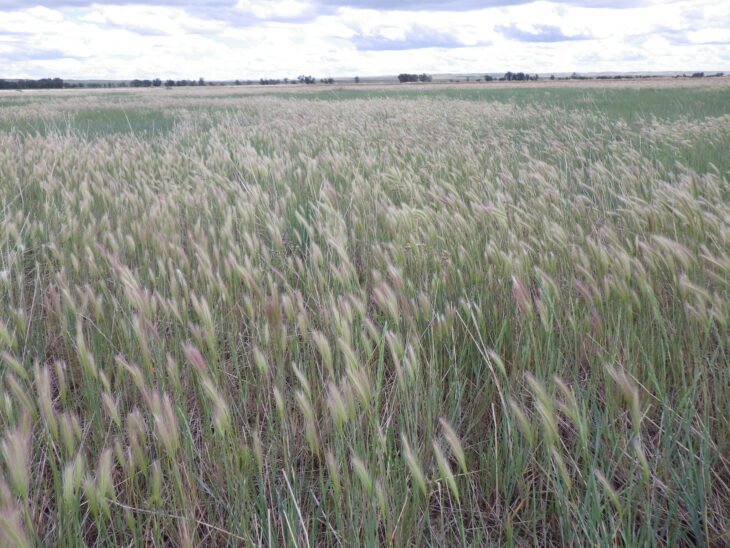
Foxtail forms upright tufts that typically reach 12 to 36 inches tall with seed heads that look like soft bottlebrushes and carry long twisted awns. Clumps usually spread about 12 to 24 inches but dense patches develop from prolific self seeding. Flowering and seed head development occur in late spring to early summer depending on climate.
Where to grow Foxtail Best Uses
It thrives in full sun and tolerates light shade. Foxtail prefers well drained sandy to loamy soils and withstands saline alkaline and low fertility sites. Use it to naturalize sunny margins poor soil banks or disturbed ground where a short lived perennial or annual grass is acceptable. Avoid planting near areas where dogs cats or livestock graze because awns are a mechanical hazard.
Planting and care
Foxtail reproduces primarily by seed and self seeds readily. Space plants about 12 to 24 inches apart to allow each tuft room to develop and to reduce early crowding. It performs on dry sites and needs good drainage. Poorly drained soils reduce vigor and can cause crown problems.
After flowering remove or cut seed heads before they mature to limit spread. Mowing or hand removal of seedlings can help control local patches. If you want it to naturalize allow some seed heads to remain but monitor for unwanted colonization.
Controlling spread and safety
The main management concern is seed production. Removing flowerheads before seeds mature prevents new patches. Keep it out of pastures and pet runs to reduce the risk of awns embedding in skin mouth or eyes which can lead to infection. Check local extension guidance for regional invasive status before planting.
Frequently asked questions
- How fast does Foxtail grow?
- Foxtail commonly reaches about 12 to 36 inches in a single season and spreads quickly by seed to form dense patches if allowed to set seed.
- Is Foxtail poisonous to dogs and livestock?
- It is not known for chemical toxicity. The awns can embed in skin mouth eyes and respiratory tracts and cause injury or infection.
- Is Foxtail invasive?
- It readily colonizes disturbed sites and can act as a locally aggressive self seeding grass. Control focuses on preventing seed set.
- What soil does Foxtail prefer?
- Well drained sandy to loamy soils. It tolerates saline alkaline conditions and low fertility.
- How do I stop Foxtail from spreading?
- Remove or mow flowerheads before seeds mature and pull seedlings early. Prevent seeding near desirable plantings or animal areas.
Gallery
Related Plants


Mentioned In (2)

Plants
9 Plants That Look Like Wheat
Wheat (Triticum aestivum) is an ancient grain known to all. Wheat is used worldwide to make bread, pasta, baked goods,…

Plants
24 Poisonous Plants in California
California is the largest agricultural state in all of America and has almost 23 million acres of land reserved for…