
Key Facts
- Deciduous ornamental maple valued for rounded fullmoon leaves.
- Cultivars with golden foliage need some protection from hot afternoon sun.
- Produces small, often reddish spring flowers followed by winged samaras.
- Usually grown as a small tree or large shrub for specimen planting.
- Prefers moist fertile soil with good drainage and a slightly acidic to neutral pH.
- Typically propagated by grafting or by seed for species plants.
- Generally hardy in temperate climates but sensitive to late spring frost when leaves emerge.
- Not listed as a common household toxin but related maples can be toxic to horses.
Golden Fullmoon Maple (Acer shirasawanum) is a small deciduous ornamental maple grown for its rounded, fullmoon leaves and several golden foliage cultivars. It works well as a specimen or multi stem shrub where a compact, decorative canopy is desired and requires some protection from hot afternoon sun in warm climates.
Identification
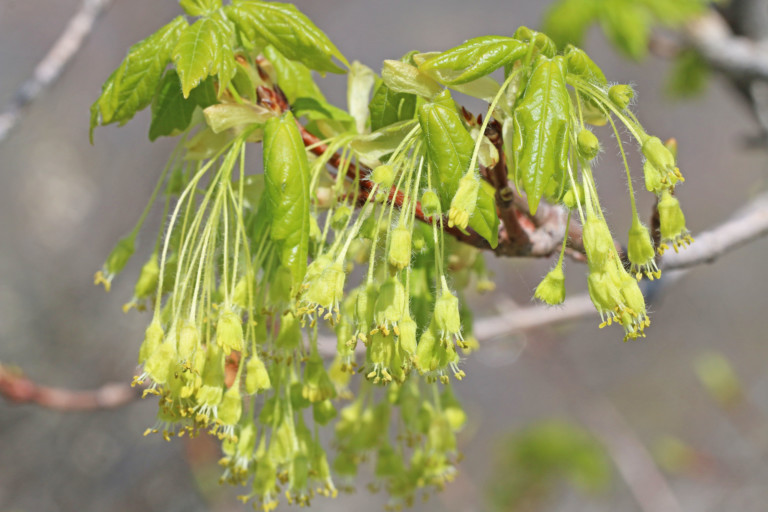
Acer shirasawanum has rounded, often broad leaves that give the common name fullmoon maple. Cultivars produce gold or yellow-tinged foliage that is showy but can be sensitive to hot afternoon sun. Small reddish spring flowers open around leaf emergence and are followed by winged samaras.
Where to grow and best uses
Grow as a small single stem tree or a multi stem large shrub for a specimen planting, patio focal point or mixed border. Hardy in USDA zones 5 to 8 so it suits temperate gardens. In colder zones expect slower growth and possible winter dieback; in warm zones protect foliage from intense afternoon heat.
Soil, light and location
Prefers moist fertile soil with good drainage and a slightly acidic to neutral pH. Avoid waterlogged ground and heavy alkaline soils which can reduce leaf color intensity. Light needs range from part shade to full sun depending on climate; golden cultivars do best with morning sun and afternoon shade in hot areas.
Planting and spacing
Space plants according to mature spread which can range from about 6 to 20 feet depending on form and pruning. Plant as a single specimen or allow multiple stems for a rounded shrub habit. Choose a location that gives room for the expected spread and a sheltered microclimate against harsh afternoon sun in warm sites.
Watering and maintenance
Keep soil consistently moist but not waterlogged. Prolonged waterlogging can cause root loss and decline, while drought and strong afternoon sun increase the risk of leaf scorch on golden cultivars. Mulch to conserve moisture and reduce temperature swings at the roots.
After flowering and pruning
Flowers are small and not typically followed by heavy maintenance. Light pruning to shape and remove dead wood helps maintain a compact form. Spread and habit respond to rootstock and pruning choices so prune with the intended single stem or multi stem habit in mind.
Propagation
Species plants can be grown from seed but named cultivars with golden foliage are usually propagated vegetatively. Grafting or cuttings preserve cultivar traits and are commonly used to maintain leaf color and form for garden-worthy selections.
Frequently asked questions
- How fast does Golden Fullmoon Maple grow?
- Growth rate varies by cultivar and site conditions. Expect a mature range of about 8 to 25 feet depending on the selection and growing conditions.
- What hardiness zones are suitable?
- Suitable for USDA zones 5 to 8. Local microclimate and cultivar choice will affect cold tolerance and summer leaf performance.
- Do golden cultivars tolerate full sun?
- Golden cultivars tolerate sun but perform best with morning sun and protection from hot afternoon sun in warm climates to avoid leaf scorch.
- How much space should I allow?
- Allow roughly 6 to 20 feet of spacing according to the plant’s form and desired final size. Narrower spacing suits multi stem shrub forms; wider spacing favors single stem specimen trees.
- What is the best way to propagate a named cultivar?
- Use grafting or vegetative cuttings to preserve golden foliage and specific cultivar characteristics rather than growing from seed.
Related Plants


Mentioned In (1)

Maple
42 Common Types of maple trees Growing in the USA (photos)
Maple trees are quite common in the United States, so regardless of which state you visit, it’s very likely you’ll…