
Key Facts
- Native to eastern and central North America.
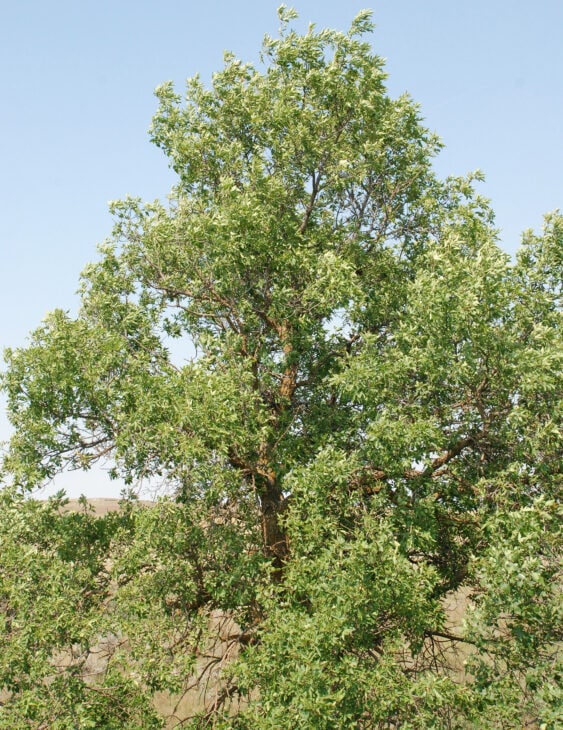
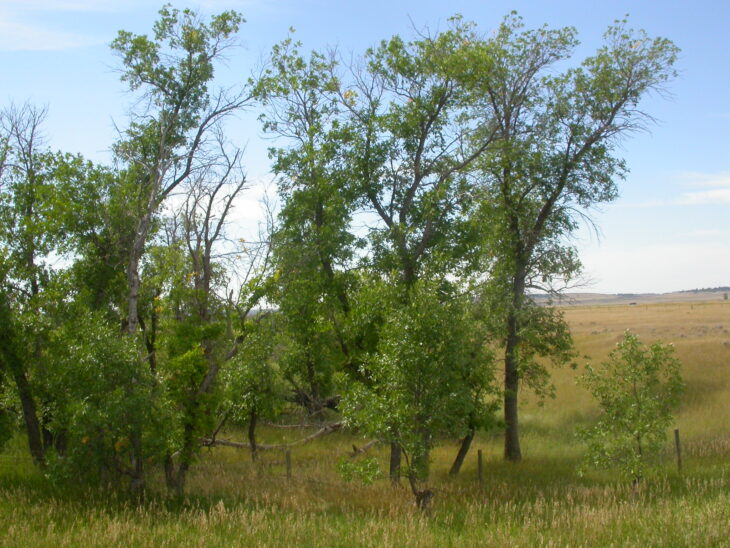
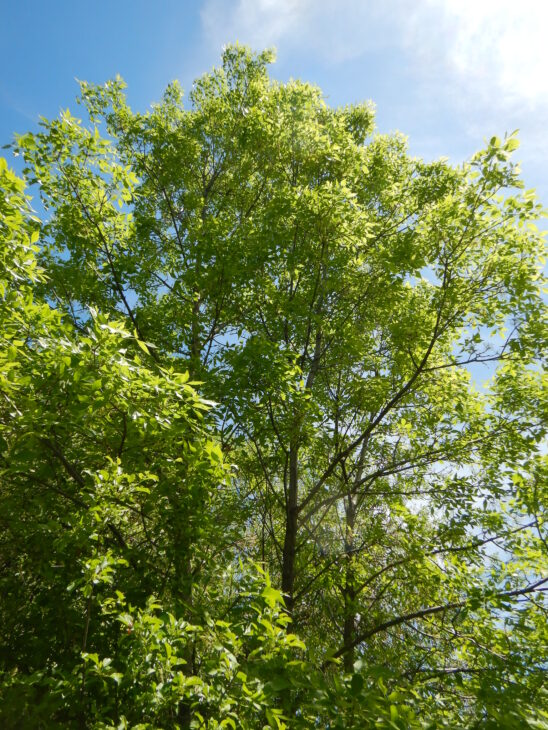
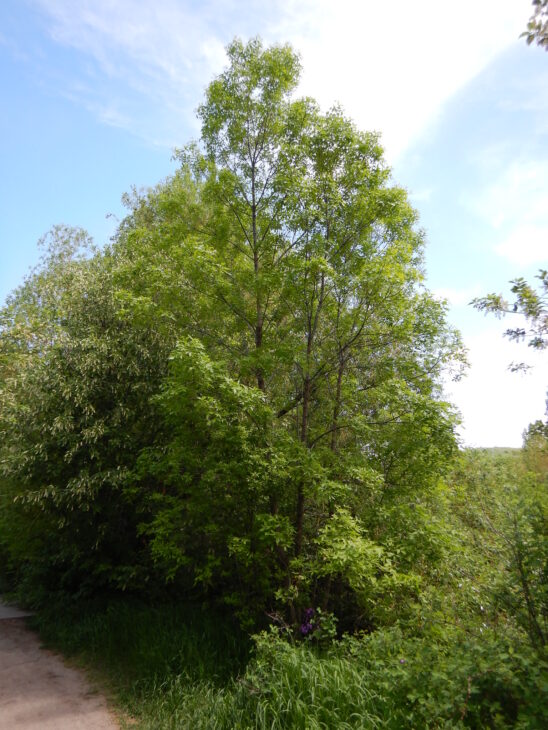
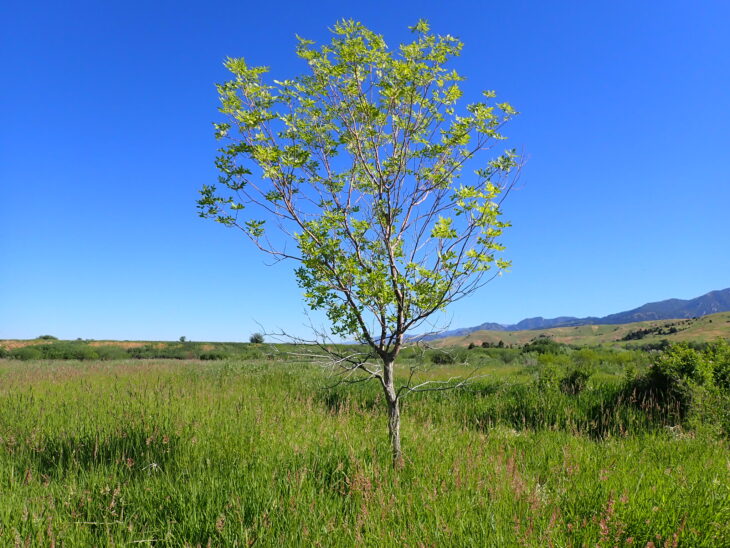
- Deciduous shade tree with an upright vase to rounded crown.
- Dioecious with separate male and female trees.
- Produces winged samaras for seed dispersal.
- Tolerates wet soils and compacted urban sites.
- Commonly used as a street and shade tree.
- Highly susceptible to emerald ash borer which can cause rapid decline.
Green Ash (Fraxinus pennsylvanica) is a fast growing North American shade tree valued for its adaptability to wet and urban soils. It provides reliable street and yard shade but is highly vulnerable to emerald ash borer which can cause rapid decline.
Identification
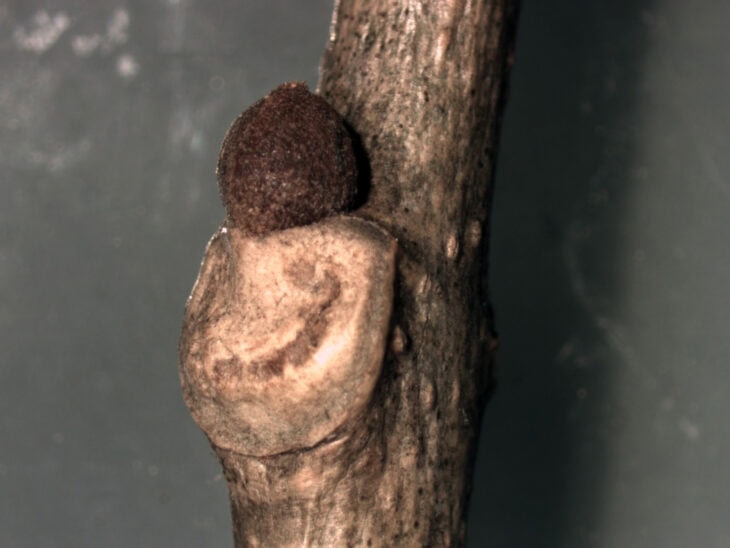
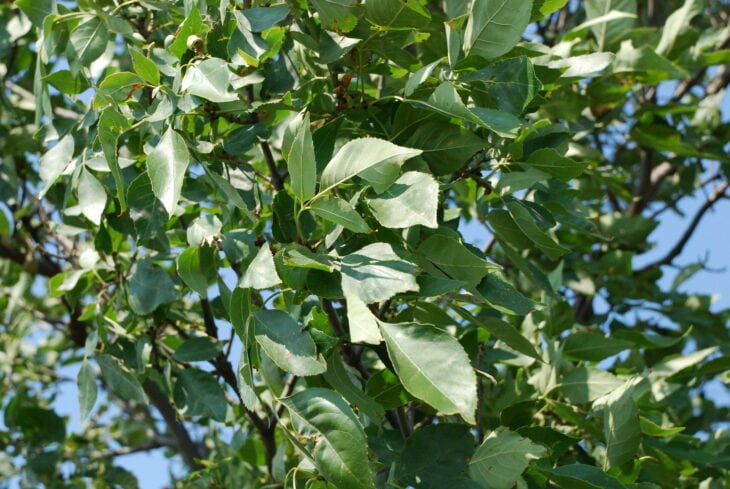
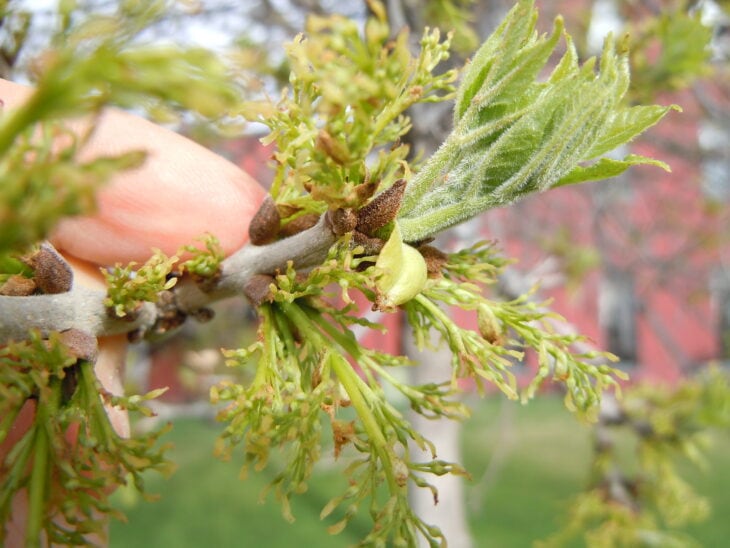
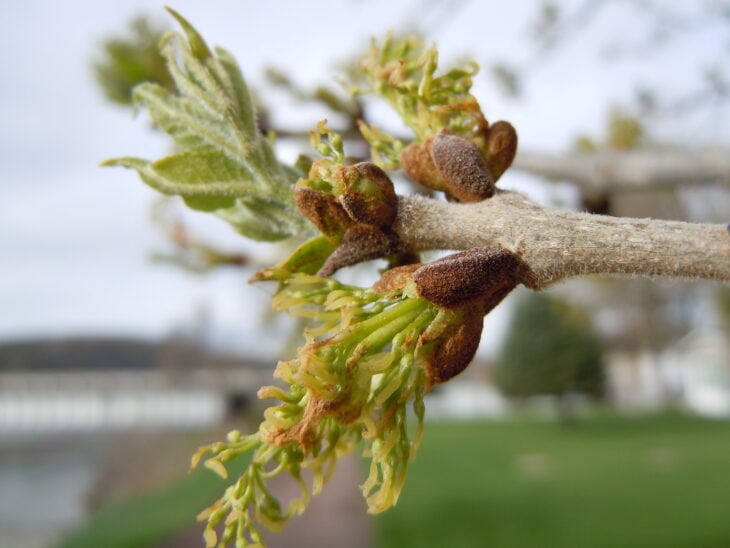
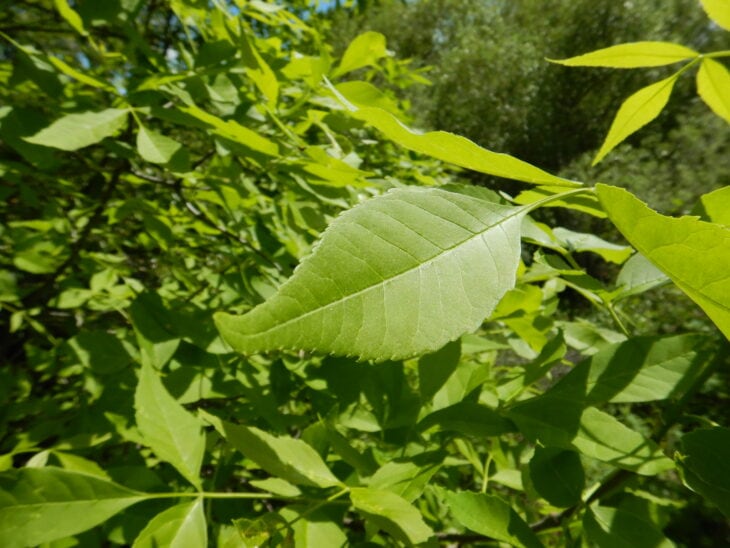
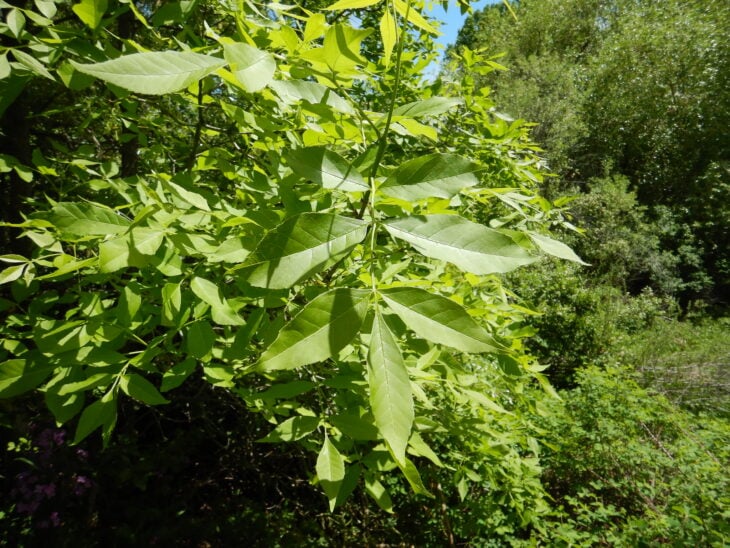
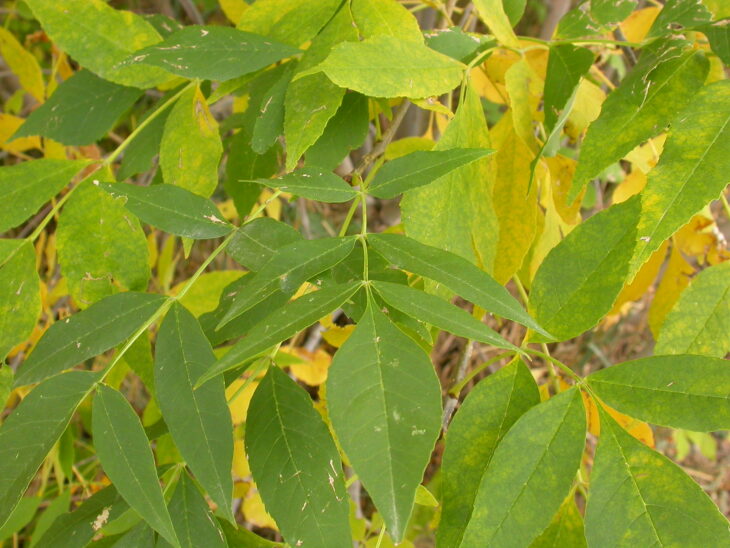
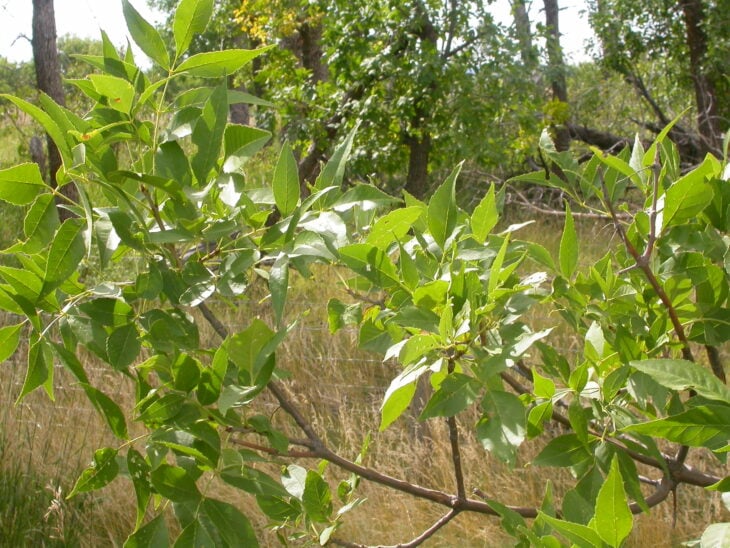
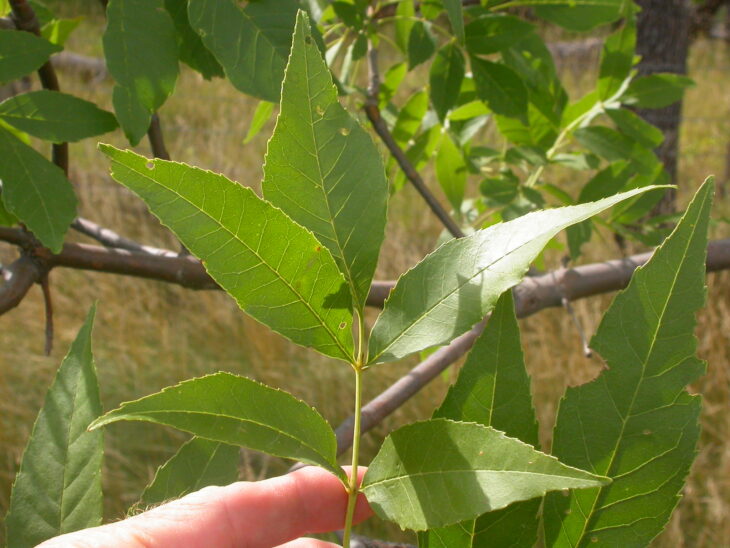
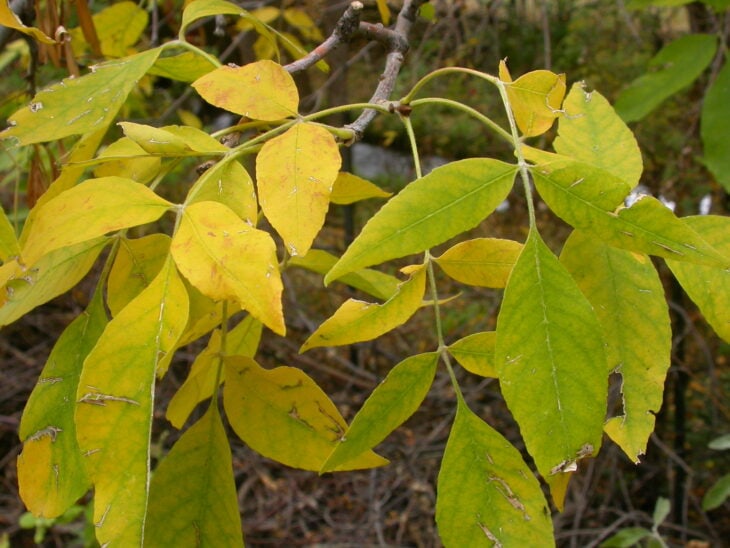
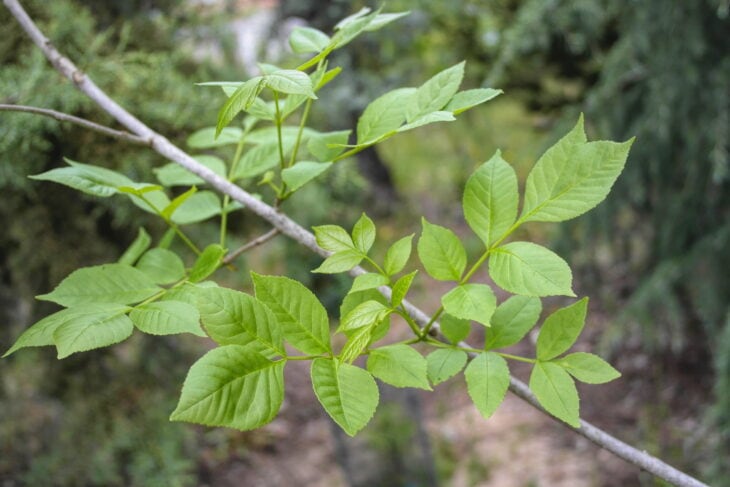
Deciduous tree with an upright vase to rounded crown and pinnate leaves. Trees are dioecious so male and female trees are separate and only female trees produce winged samaras. Mature height is typically 40 to 60 feet with a spread around 30 to 50 feet in landscape settings.
Where to grow and best uses
Performs across USDA zones 3 to 9 and is commonly used as a street and shade tree. It tolerates compacted urban soils and wet spots so it suits city planting strips and yards with clay or occasional flooding. Avoid sites where the emerald ash borer is present unless you have a management plan.
Planting and spacing
Allow space for the mature crown by planting trees about 30 to 50 feet apart depending on cultivar and site. Choose a location with full sun to part shade and avoid long term poorly drained depressions. Match hole size to the root ball and set the root flare visible at the finished grade.
Water and soil
Prefers moist well drained soils but tolerates wet or compacted clay and occasional flooding. Prolonged saturation will reduce vigor so improve drainage for long term health. In urban sites mulch to conserve moisture and reduce compaction but keep mulch pulled slightly away from the trunk to avoid rot.
Maintenance and pests
Prune young trees for a strong central scaffold to reduce future storm damage. Monitor for emerald ash borer as this pest can cause rapid decline and mortality. Severely infested trees should be removed promptly to reduce hazard and limit spread if local authorities recommend removal.
Propagation and spread control
Propagates from seed produced in winged samaras and commonly sends up root suckers. Named cultivars are usually propagated by grafting or cuttings since seedlings do not reliably come true to type. Manage unwanted suckers by removing them at the root to prevent thicket formation.
Frequently asked questions
- How fast does Green Ash grow?
- Green Ash is considered fast growing and typically reaches a mature height of 40 to 60 feet in suitable sites depending on soil and climate.
- What hardiness zones suit Green Ash?
- Green Ash performs broadly in USDA zones 3 to 9 which covers much of eastern and central North America.
- Is Green Ash good for wet sites?
- Yes. It tolerates wet or compacted soils and occasional flooding but prolonged saturation reduces vigor so improved drainage is advised for long term health.
- How far apart should I plant Green Ash?
- Space trees about 30 to 50 feet apart to accommodate a mature crown and reduce future crowding in landscapes or along streets.
- Does Green Ash produce seeds?
- Yes. Female trees produce winged samaras that disperse by wind. The species is dioecious so only female trees set seed.
Gallery
Related Plants


Mentioned In (7)

Trees
23 Most Common Trees in South Dakota
If you are looking to plant a tree in your garden, it is best to know what the most common…

Trees
30 Most Common Trees in Arkansas
The state of Arkansas is home to a diverse variety of trees. Some trees found in Arkansas are not native…
Trees
23 Most Common Trees in Nebraska
Nebraska is known for its vast, rich landscapes that are absolutely teeming with wildlife and vegetation. There are approximately 10,000…
Trees
27 Most Common Trees in Ohio
Ohio is one of the most beautiful states in the United States, thanks to the millions of native trees that…
Trees
30 Most Common Trees in Kansas
Kansas is home to a wide range of trees, from the tall and hardy oak tree that can grow up…
Trees
20 Most Common Trees in North America
The North American continent is home to an enormously diverse array of landscapes, topographies, geographies, and climates, covering a total…

Trees
20 Different Types of Hardwood Trees
Hardwood trees are usually sought after by those who wish to make strong, sturdy furniture and other items so it…