
Key Facts
- Annual grass in the Hordeum murinum species complex.
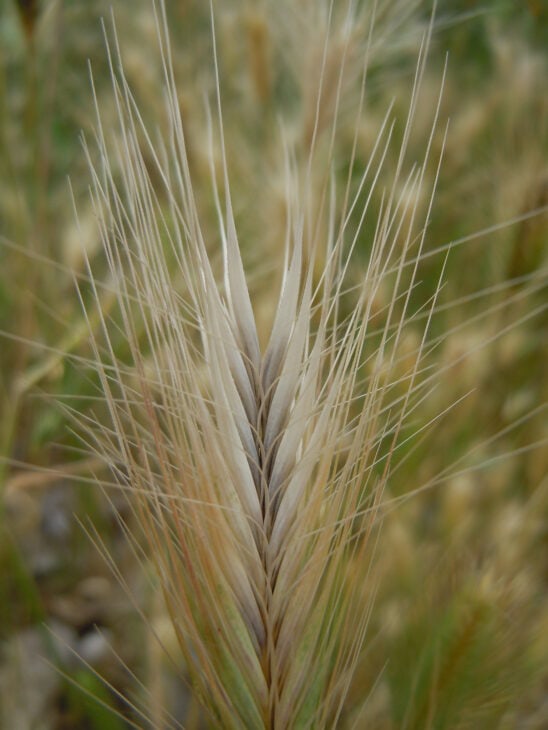
- Produces bristly spikelets with long awns that cling to fur and fabric.
- Common on roadsides, waste ground and in disturbed pastures.
- Can reduce pasture quality and compete with desirable forage.
- Spreads primarily by seed rather than by underground stems.
- Seeds and awns can cause physical injury to pets and livestock.
- Tolerant of dry, low fertility and compacted soils.
- Flowers most commonly in spring in temperate regions.
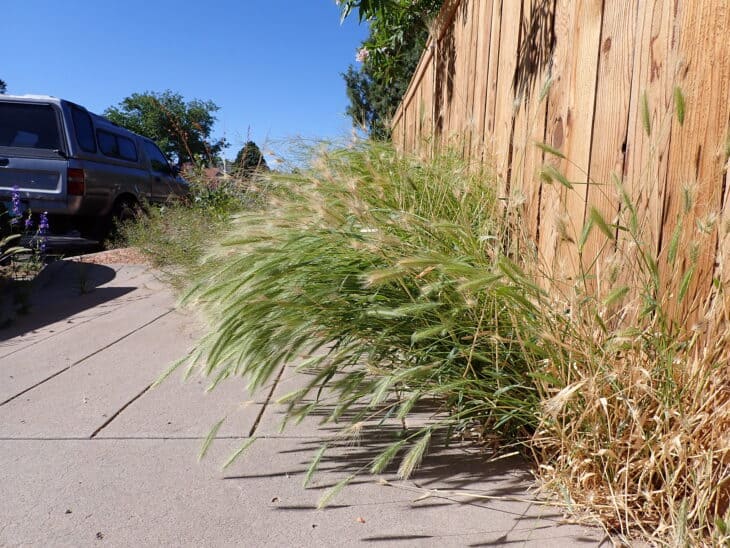
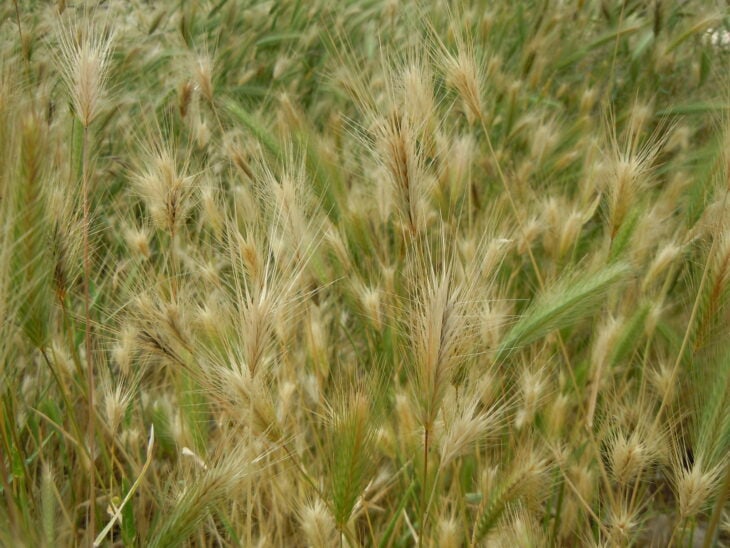
Hare Barley is an annual, awned grass that quickly colonizes disturbed ground and pastures. It forms short tufted clumps with bristly seed heads whose long awns cling to fur and fabric, making it a nuisance in grazed areas and around pets.
Identification
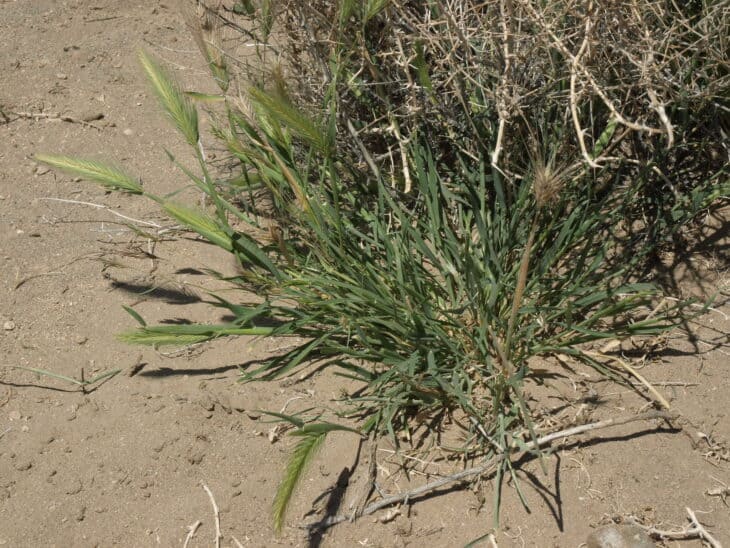
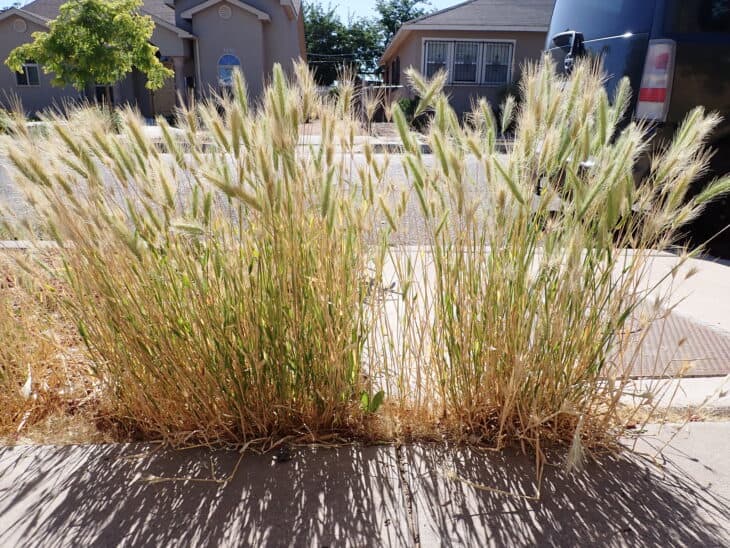
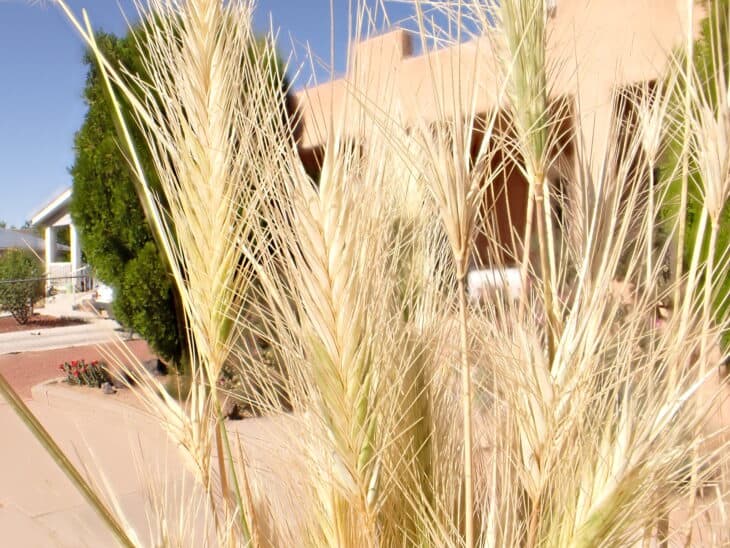
Look for short upright to nodding tufts 10 to 60 cm tall with compact spikelets bearing long, barbed awns. The seedheads are bristly and readily stick to clothing and animal fur. Plants flower chiefly in spring in temperate climates and produce abundant seed rather than spreading by underground stems.
Best uses and where it grows
Hare Barley is not a recommended garden plant but it can rapidly cover bare or disturbed soil, roadsides and waste ground. In pastures it competes with desirable forage and can reduce pasture quality. It favors sunny open sites and tolerates poor, dry and compacted soils where many desirable species struggle.
Planting season and propagation
Propagation is by seed only. Spikelets adhere to animals, clothing and machinery and are the main vector for spread. Seedlings commonly emerge in disturbed soil and plants typically flower in spring, producing more seed that drives local reestablishment rather than vegetative spread.
Watering and routine care
Hare Barley tolerates dry, low fertility soils and requires little supplemental water to persist in open sites. Regular irrigation is unnecessary and may favor other plants over hare barley. Persistently waterlogged, poorly drained soils limit establishment and reduce vigor.
After flowering and control
Prevent seed set to control stands. Mow or cut before awned spikelets mature and remove clippings offsite. Small patches can be pulled before seeding when soil is moist. Clean equipment, clothing and animal coats to avoid moving spikelets to new sites. The species spreads by seed rather than rhizomes.
Risks to pets and livestock
Hare Barley is not known to be chemically toxic but its awned seeds can cause painful mechanical injuries to skin, eyes and ears and may become embedded, leading to infection. Check animals for seedheads after exposure and consult a veterinarian for wounds or embedded awns.
Frequently asked questions
- How fast does Hare Barley grow?
- It establishes quickly from seed on disturbed ground and can produce flowering seedheads by the following spring in temperate climates.
- How tall does it get?
- Plants usually form short tufts roughly 10 to 60 cm tall.
- How does Hare Barley spread?
- Spreads primarily by seed with awned spikelets that cling to animal fur, clothing and machinery rather than by underground stems.
- Can I keep it as a groundcover?
- It will colonize bare soil but is generally unwanted because it competes with desirable plants and produces hazardous awned seeds.
- Will shade stop it?
- Dense shade reduces vigor but it tolerates partial shade. Open sunny sites favor the species.
Gallery
Related Plants


Mentioned In (1)

Plants
9 Plants That Look Like Wheat
Wheat (Triticum aestivum) is an ancient grain known to all. Wheat is used worldwide to make bread, pasta, baked goods,…