
Key Facts
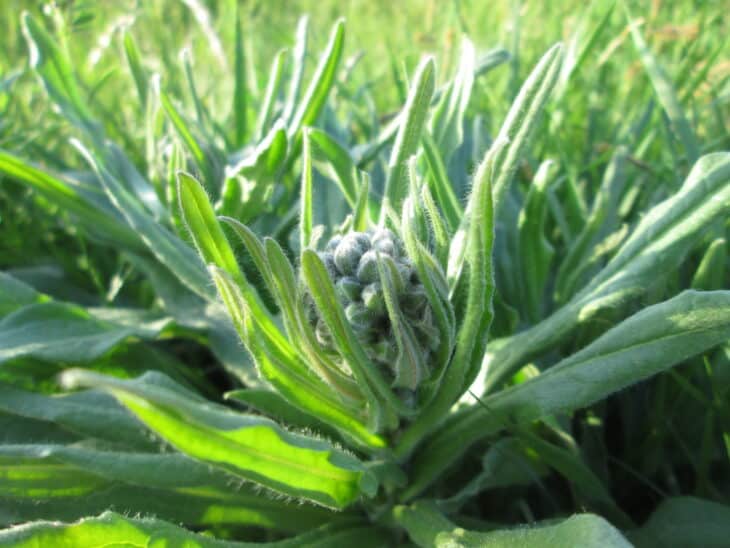
- Biennial or short lived perennial that often forms a basal rosette in year one and flowers in year two.
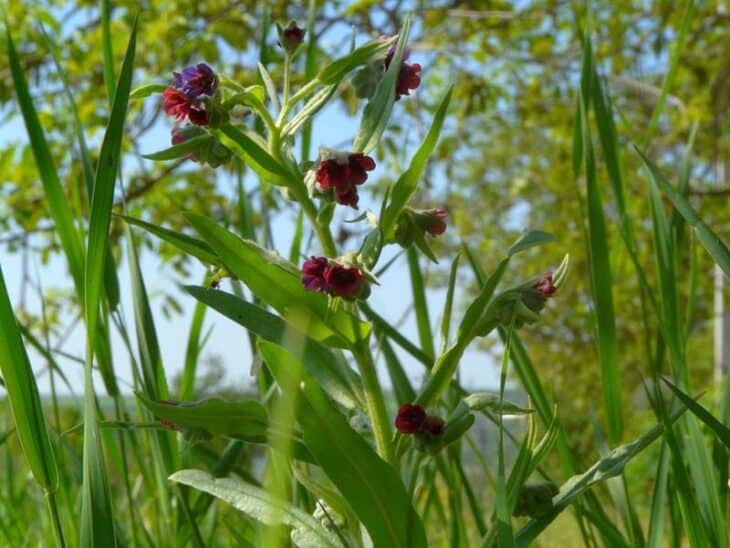
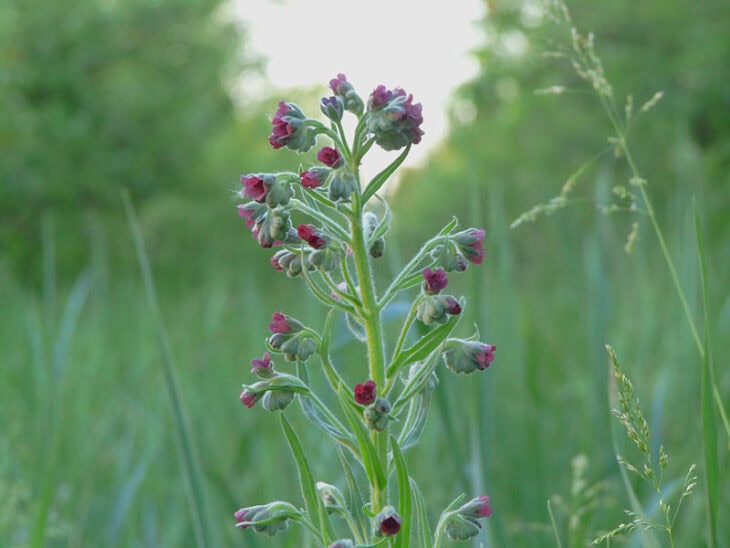
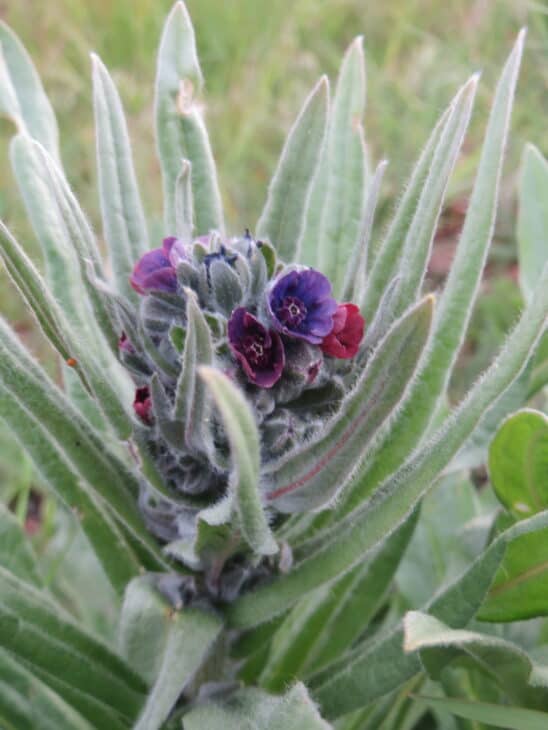
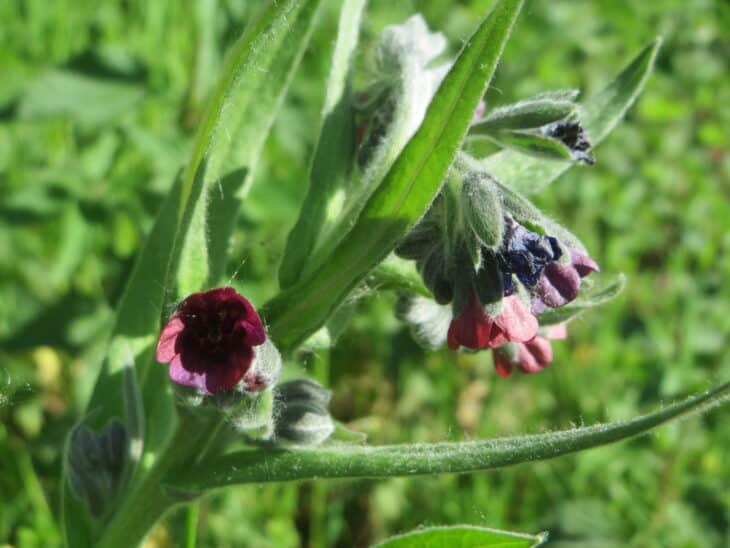
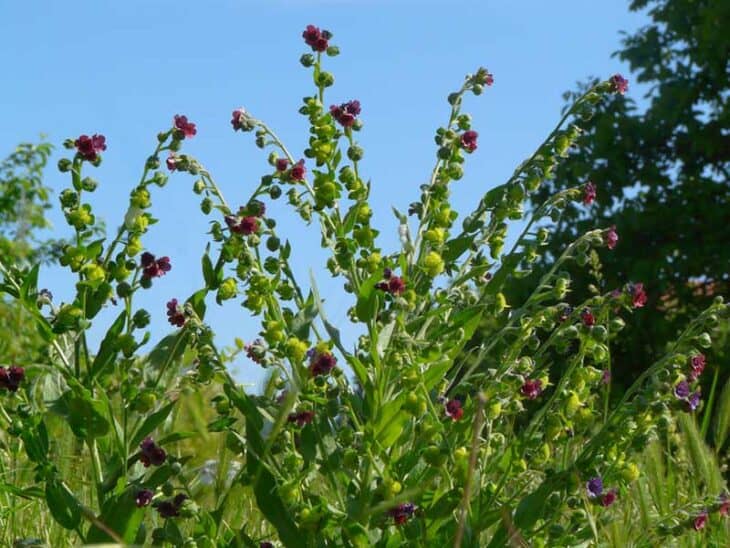
- Narrow rough hairy leaves and clusters of tubular red to reddish orange flowers with a pale eye.
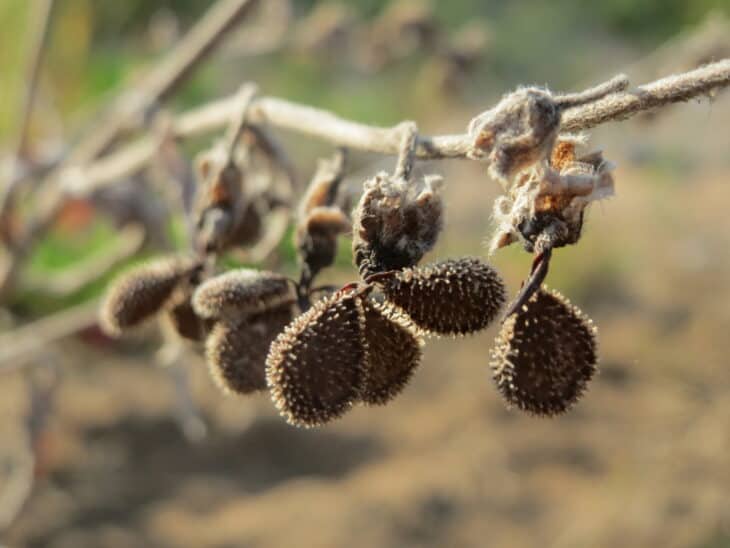
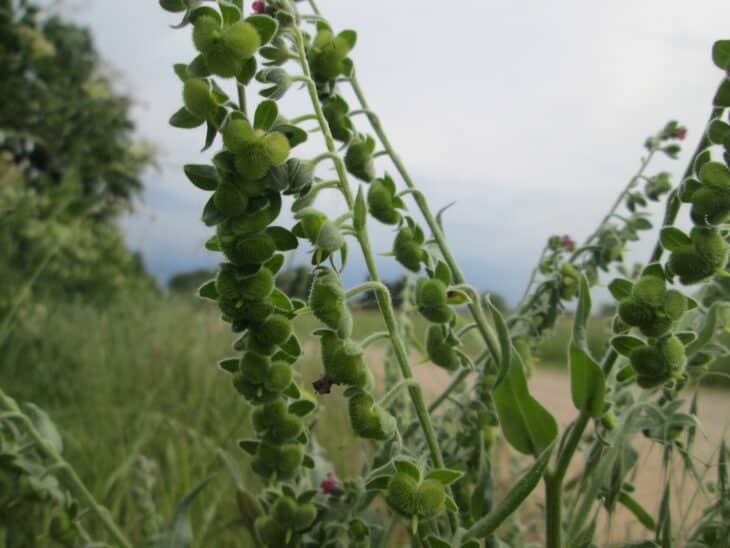
- Reproduces and spreads readily by sticky nutlets that attach to animals and clothing.
- Native to Europe and western Asia and introduced across North America where it can be weedy.
- Contains pyrrolizidine alkaloids and is toxic to livestock if eaten.
- Prefers well drained soils and tolerates poor dry sites.
- Flowers typically appear in late spring to mid summer in temperate climates.
- Propagates easily by seed and can form self seeding patches.
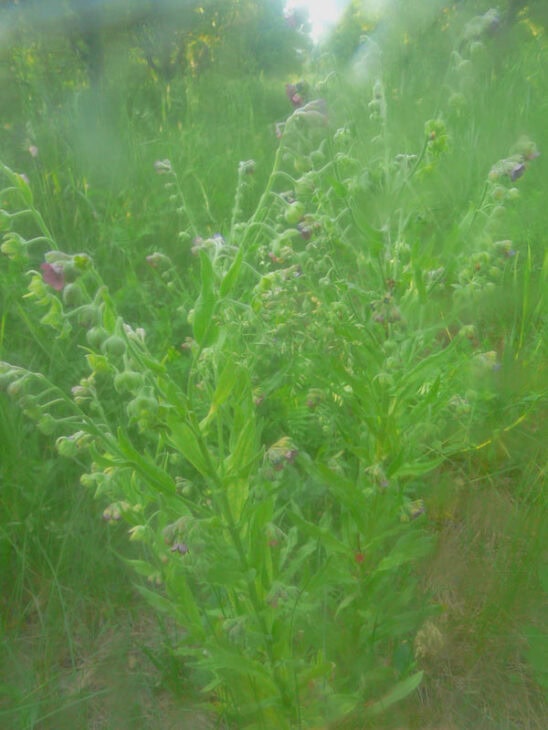
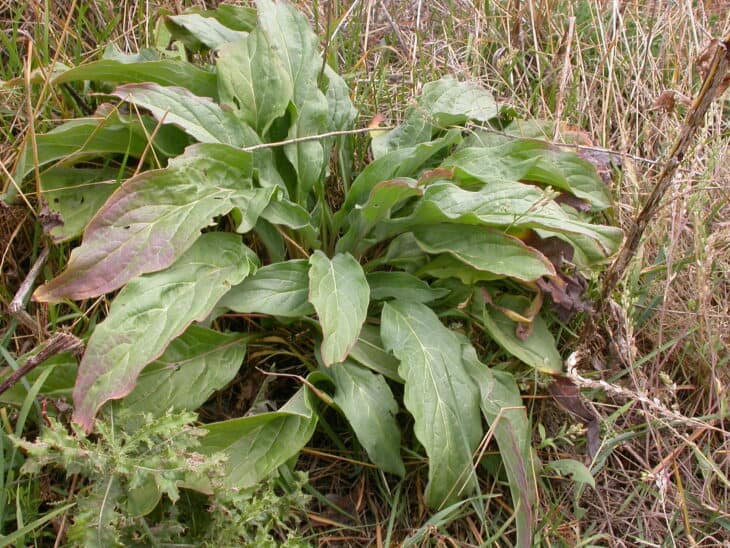
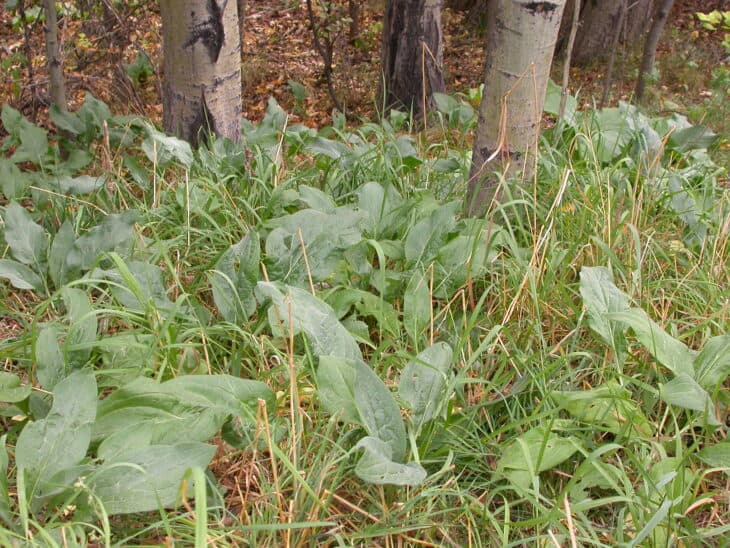
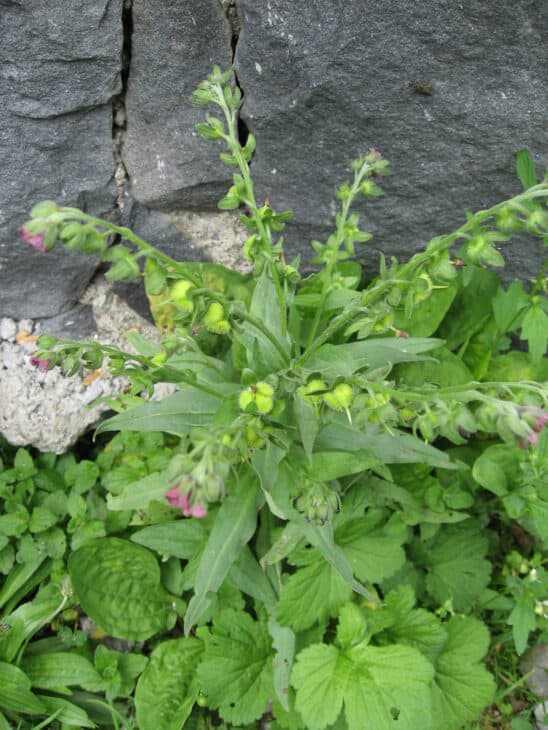
Hound’s Tongue is a rough leaved biennial with clusters of red to reddish orange tubular flowers and a pale eye. It forms a basal rosette the first year and blooms the second year, then sets sticky nutlets that readily cling to animals and clothing and spread the plant.
Identification
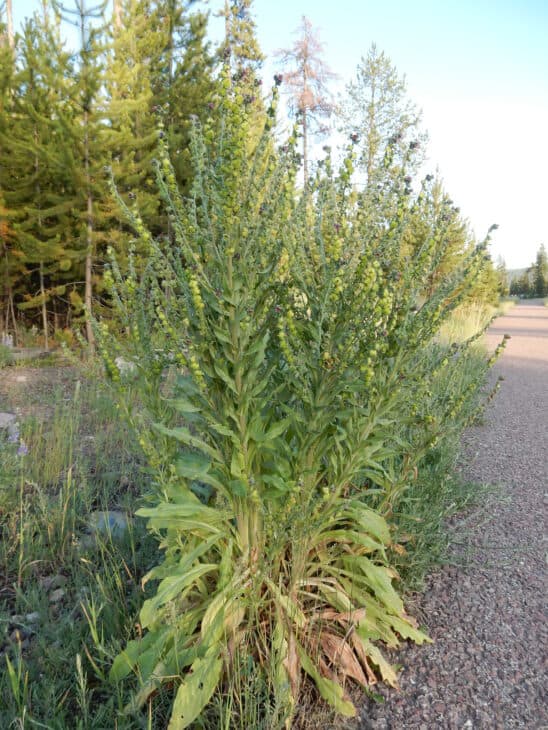
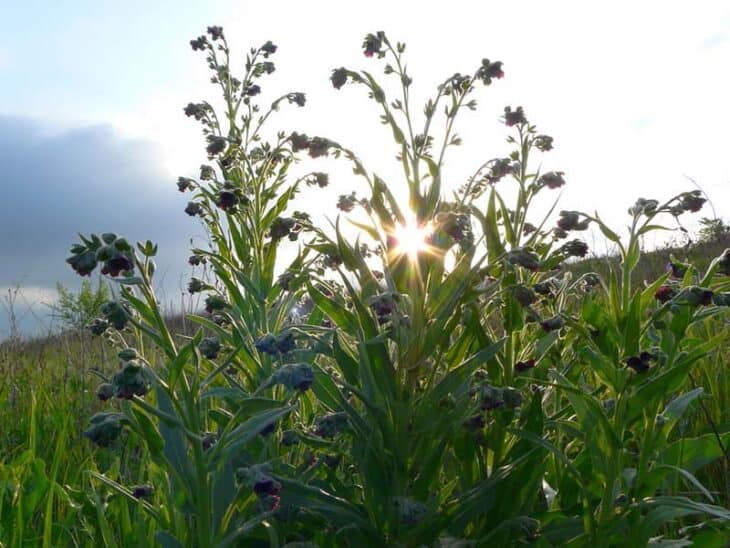
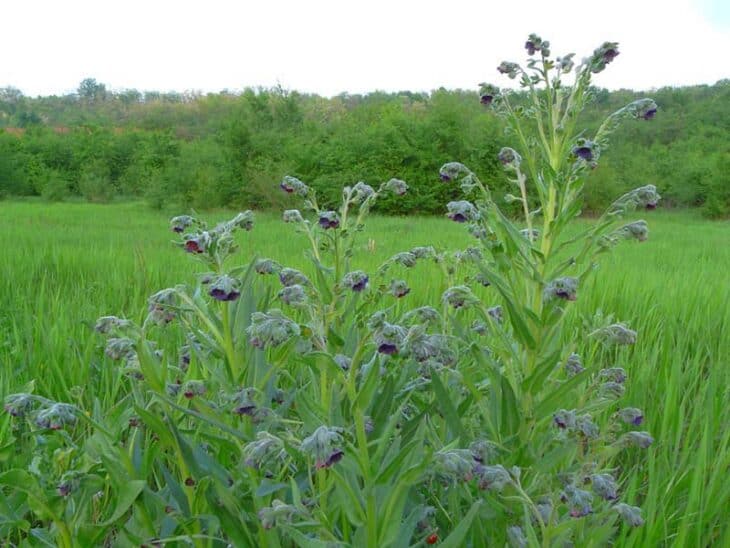
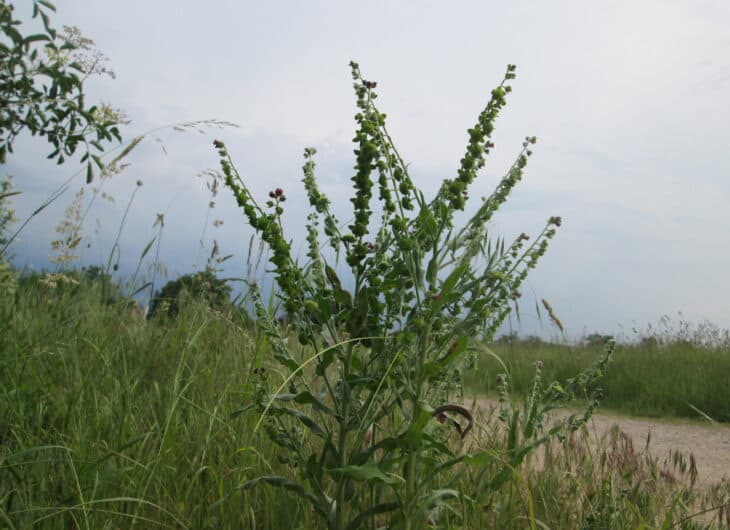
Narrow rough hairy leaves form a low rosette in year one and send up flowering stems in year two, reaching about 8 to 32 inches tall. Flowers are tubular and red to reddish orange with a pale eye and appear in late spring to mid summer, commonly May through July in northern temperate climates.
Where to grow and best uses
Hound’s Tongue tolerates poor dry soils and grows in full sun to partial shade, making it suited to naturalized areas, roadsides and disturbed ground rather than formal beds. It provides seasonal color in wildflower mixes but is unsuited to pastures because it contains pyrrolizidine alkaloids that are toxic to livestock.
Planting and timing
Plants establish easily from seed and typically form a rosette the first year then flower the second, so expect a delay before blooms. Sow seed where you want plants to remain because Hound’s Tongue self seeds readily and can form persistent patches. Bloom timing shifts with climate but is often May to July in cooler temperate regions.
Water and soil
Prefers well drained soils and tolerates dry, poor sites, so minimal supplemental water is needed once established. Avoid waterlogged heavy clay because poor drainage reduces vigor and can kill plants. In drier sites plants remain compact while excess moisture may encourage weaker growth and susceptibility to rot.
After flowering care
Remove flowering stems before nutlets form to limit reseeding and reduce spread. Cut or pull plants after flowering and dispose of seed heads to prevent attachment to animals or clothing. Wear gloves and wash hands after handling because the plant contains pyrrolizidine alkaloids and can be harmful if ingested.
Spread and control
Hound’s Tongue spreads by sticky nutlets that cling to fur and fabric, and by prolific self seeding, so it can form colonies along roadsides or disturbed ground. Control focuses on removing rosettes before flowering, repeated pulling of seedlings and collecting seed heads. Established patches can be difficult to eradicate because of seed bank and attachment dispersal.
Propagation
Propagate by seed or allow natural self seeding for naturalized plantings. Plants are biennial with a basal rosette year one and flowering stems year two, so transplanting rosettes is possible though seed sowing is simplest. Expect easy establishment from seed and plan management to limit unintended spread.
Frequently asked questions
- How fast does Hound’s Tongue grow?
- It typically forms a basal rosette in the first growing year and produces flowering stems in the second year. Seedlings can establish quickly and self seed to form patches that expand over seasons.
- Is Hound’s Tongue poisonous to livestock?
- Yes. The plant contains pyrrolizidine alkaloids that can cause liver damage if eaten, so prevent grazing where it grows and consult local livestock advisories.
- How does Hound’s Tongue spread?
- By sticky nutlets that attach to animals and clothing and by abundant seeds that form a local seed bank, allowing colonies to develop along roadsides and disturbed sites.
- Can I grow Hound’s Tongue in a garden bed?
- You can, but it is better suited to naturalized or informal areas since it self seeds readily and can be weedy. Remove flower stalks to prevent spread if grown in beds.
- How do I stop it from spreading?
- Prevent seed set by deadheading or pulling plants before nutlets form, remove rosettes early, and repeat control over multiple seasons to deplete the seed bank.
Gallery
Related Plants


Mentioned In (1)

Plants
22 Poisonous Plants in Idaho
There are several beautiful types of plants in Idaho that can be dangerous or even fatal to touch or eat.…