
Key Facts
- Deciduous small to medium tree native to Japan and nearby East Asian regions.
- Produces inconspicuous male and female catkins in spring.
- Leaves are doubly serrated and develop yellow fall color.
- Often planted as a specimen, street tree or for small formal hedges.
- Tolerant of pruning and responds well to coppicing.
- Prefers moist, well drained soils and tolerates many urban soil conditions.
- Can spread by root suckers when grown as a multi stemmed specimen.
Japanese Hop Hornbeam, Carpinus japonica, is a small to medium deciduous tree prized for its spring catkins and clear yellow fall color. Native to Japan and nearby East Asian regions, it is commonly used in temperate landscapes where a compact, tolerant tree is needed.
Identification
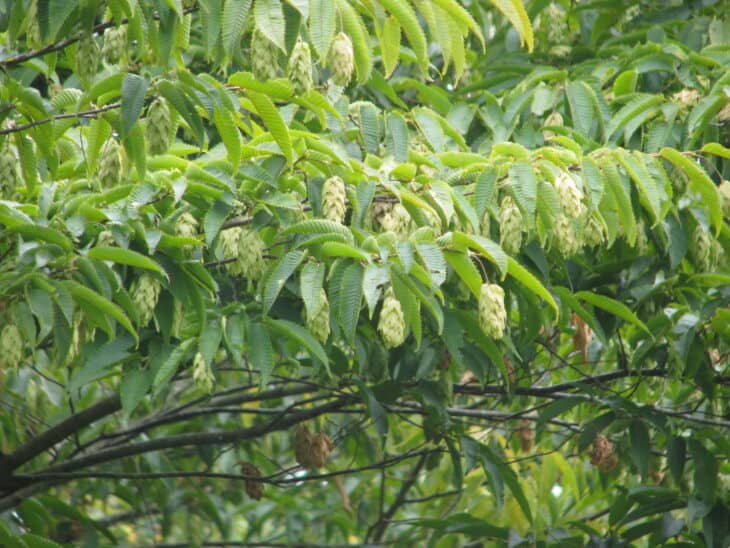
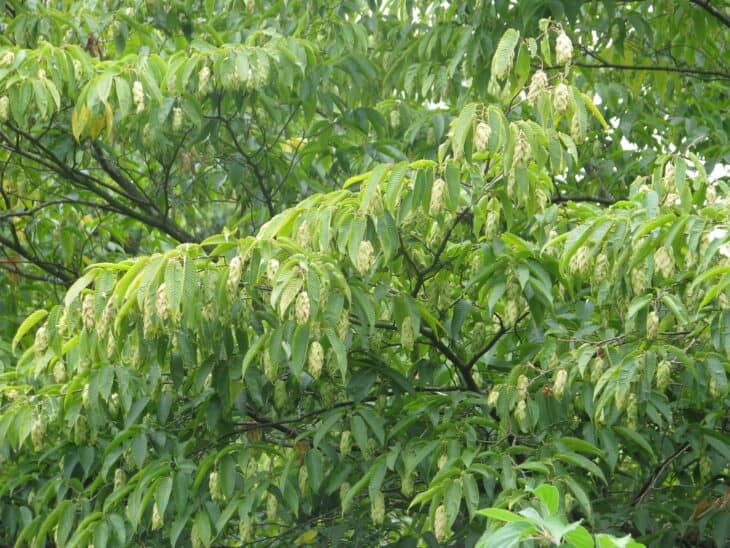
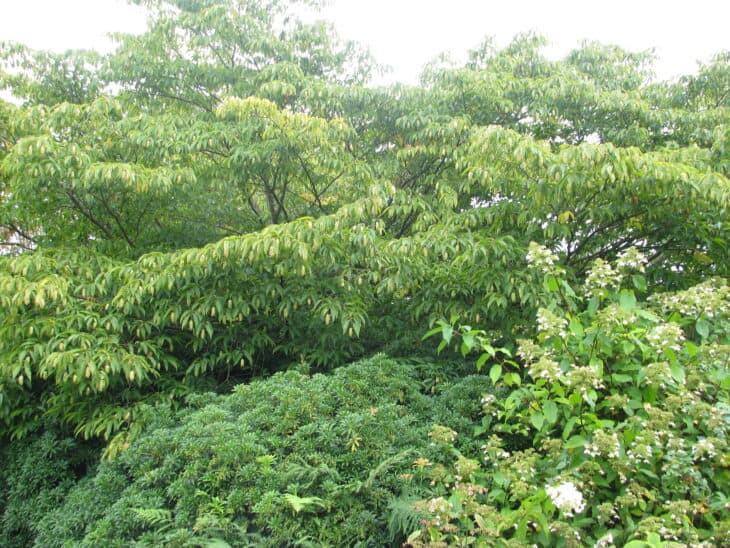
Leaves are doubly serrated and turn a clear yellow in autumn, while the flowers appear as inconspicuous male and female catkins in spring. Mature specimens typically range from 20 to 40 feet tall and spread 15 to 30 feet, often forming a neat, vase to rounded crown when pruned or trained as a single trunk.
Where to grow and best uses
Use Japanese Hop Hornbeam as a specimen tree, a small street tree, or for formal hedges where a modest mature size is required. It tolerates a range of urban soils and performs in full sun to partial shade. USDA hardiness is estimated at zones 5 through 8, making it suitable for many temperate gardens.
Planting and establishment
Choose a site with moist, well drained soil though the species tolerates heavier clay and many urban conditions. Space trees 15 to 30 feet apart to allow the mature spread. Keep young trees evenly watered until established and avoid planting where roots will sit in standing water to reduce root disease risk.
Care and maintenance
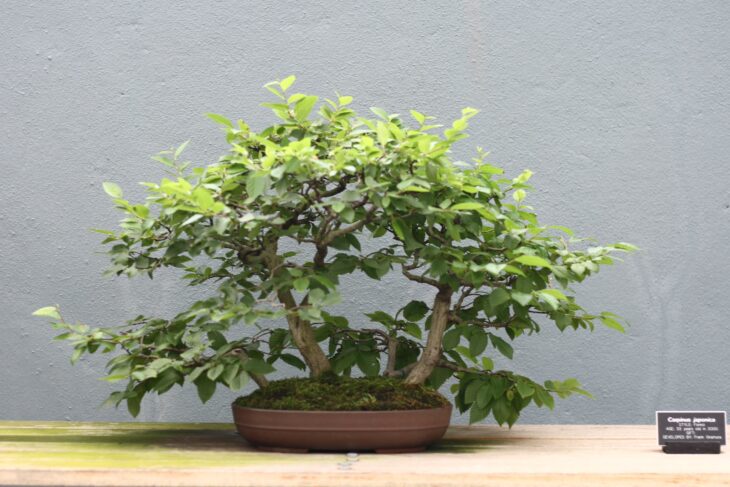
Prune to shape during dormancy and remove dead or crossing branches as needed. The species tolerates aggressive pruning and responds well to coppicing, so it can be maintained as a multi stem or trained to a single trunk. Fall color is reliable where the tree receives adequate light.
Controlling spread and suckering
When grown as a multi stemmed specimen the tree can produce root suckers. Remove suckers promptly at their base or contain roots with a physical barrier if suckering is undesirable. Coppicing is a practical management option if shoots become congested or to renew form.
Frequently asked questions
- How fast does Japanese Hop Hornbeam grow?
- Growth rate varies with site and care. It is typically a moderate grower and often remains smaller in cultivation, though coppicing and good conditions can encourage faster regrowth.
- Is it suitable as a street tree?
- Yes. It tolerates many urban soils and is used as a small street tree, provided site drainage is adequate and roots have room to develop.
- What soil does it prefer?
- It prefers moist, well drained loam but tolerates clay and many urban soils. Avoid waterlogged locations to reduce root disease risk.
- When does it bloom?
- It produces inconspicuous male and female catkins in spring. Exact timing depends on local climate and latitude.
- Will it sucker or become invasive?
- It can spread by root suckers when grown as a multi stemmed specimen. Regular removal of suckers or root containment prevents unwanted spread.
- Can it be pruned into a hedge?
- Yes. The species tolerates pruning and is often used for small formal hedges or clipped screens.
Gallery
Related Plants


Mentioned In (1)

Plants
9 Plants That Look Like Hops
Hops (Cannabaceae Humulus) is well-known for its use in beer brewing. The plant that produces hop buds is known as…