
Key Facts
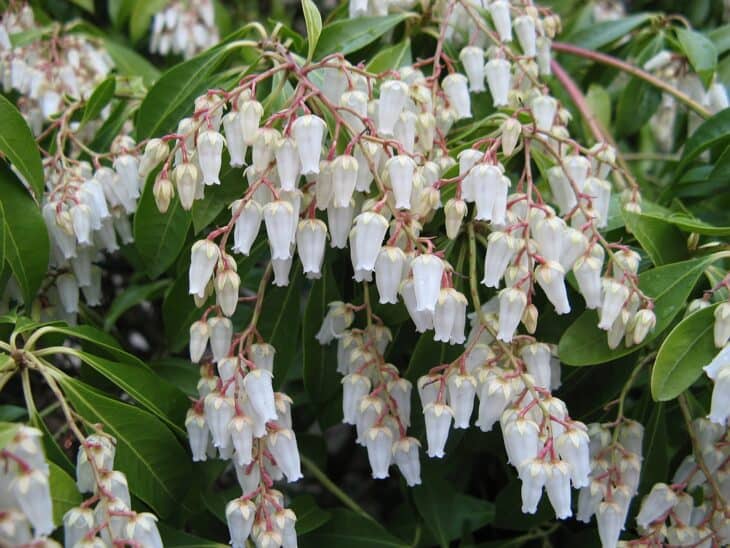
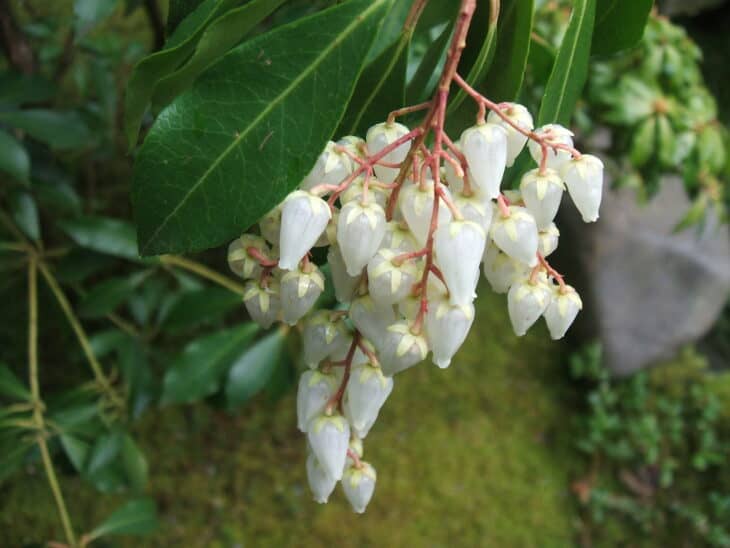
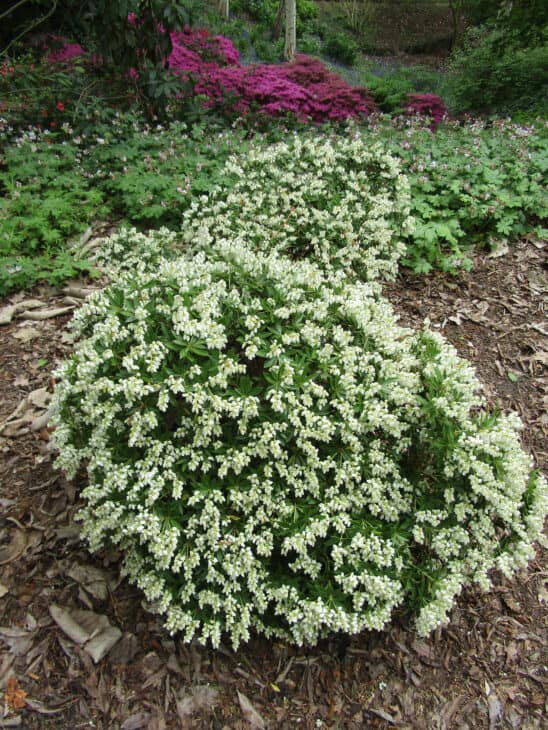
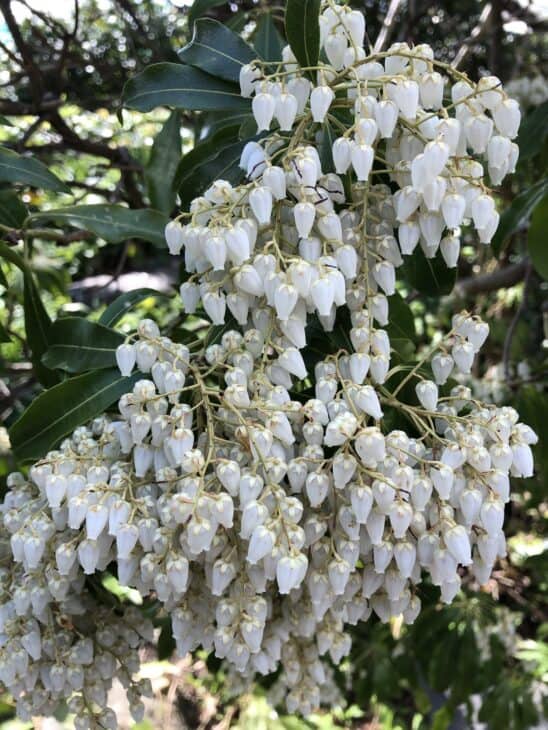
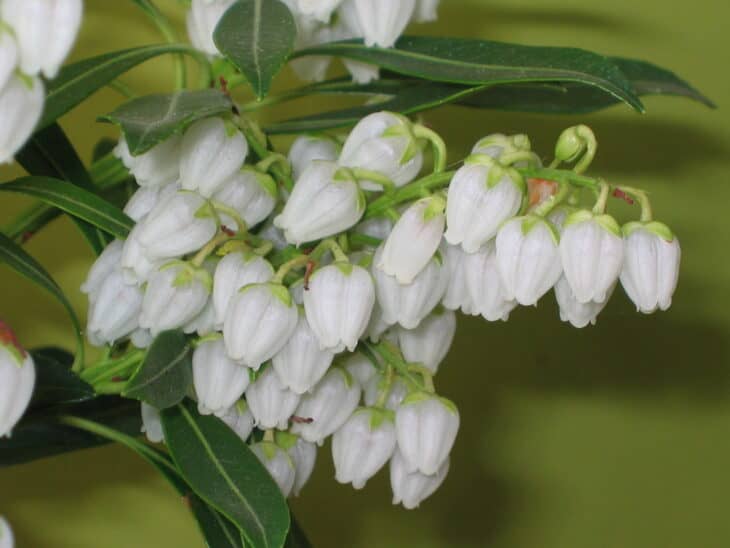
- Evergreen broadleaf shrub valued for early spring clusters of urn shaped flowers.
- Native to eastern Asia and widely grown in temperate gardens.
- Prefers acidic, humus rich, well drained soils.
- Does best in partial shade or dappled sun and dislikes hot afternoon sun.
- Contains grayanotoxins and is poisonous if eaten by people or animals.
- Size varies by cultivar from compact under 3 ft to large specimens over 10 ft.
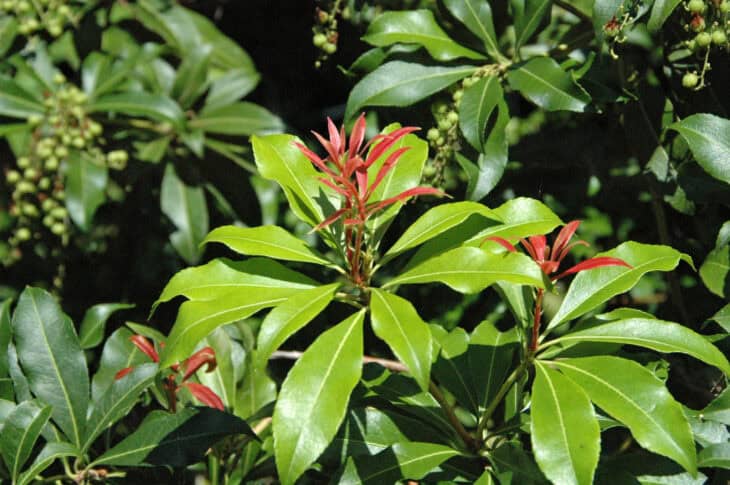
- Flowers appear in spring and are followed by persistent glossy leaves.
- Propagate by semi ripe cuttings or layering to preserve cultivar traits.
Japanese Pieris is an evergreen broadleaf shrub prized for early spring clusters of urn shaped flowers and persistent glossy leaves. It suits shaded borders and woodland plantings but needs acid soil and careful placement because all parts are poisonous if eaten.
Identification
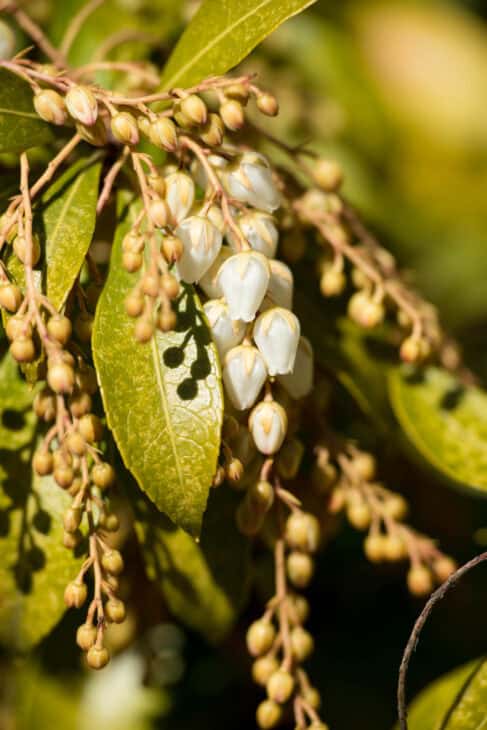
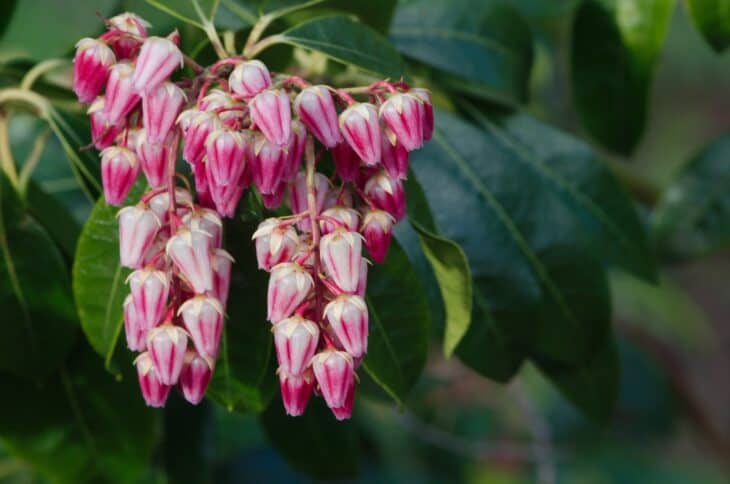
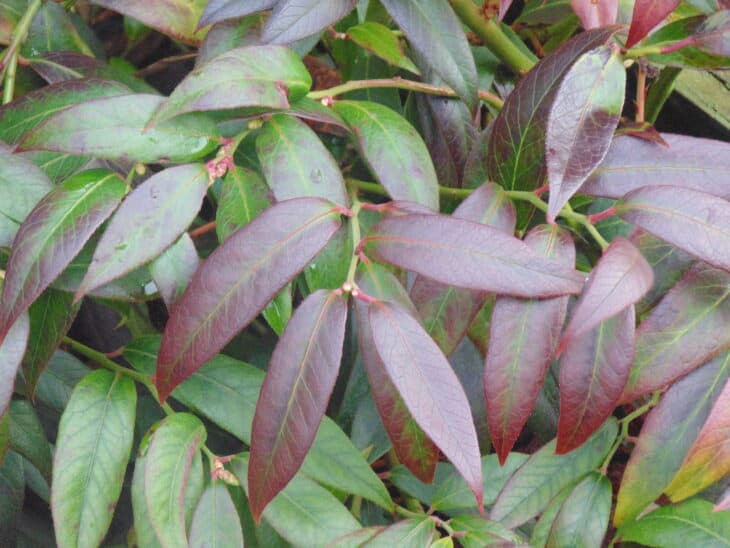
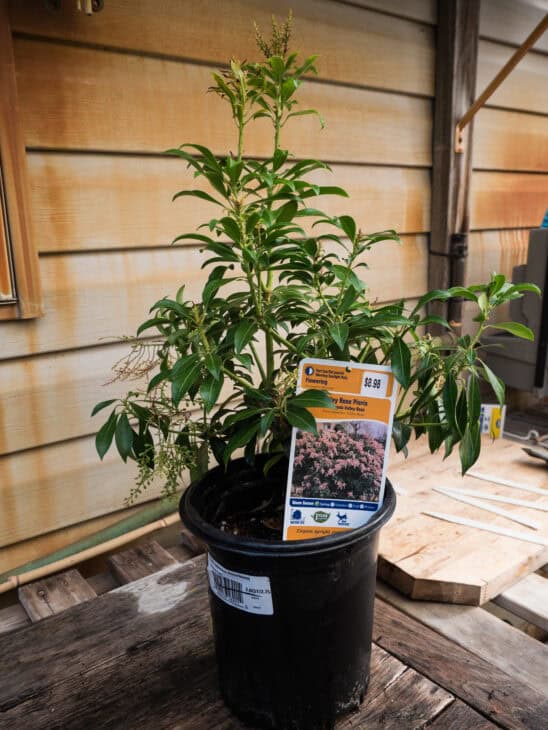
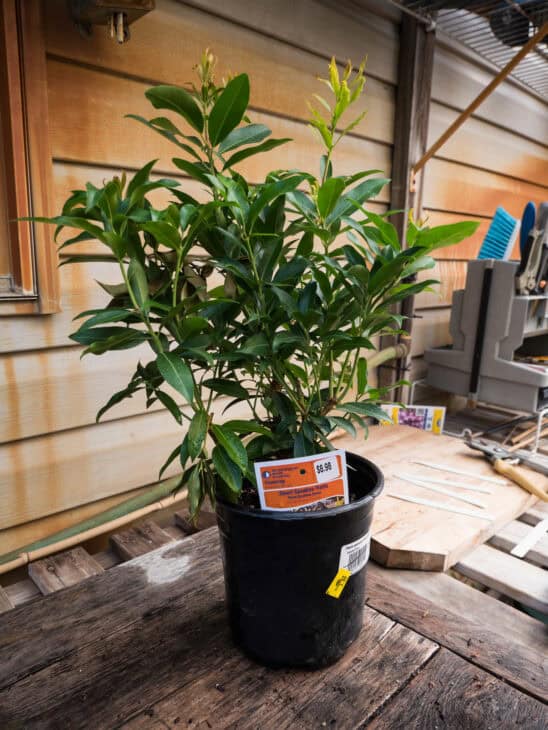
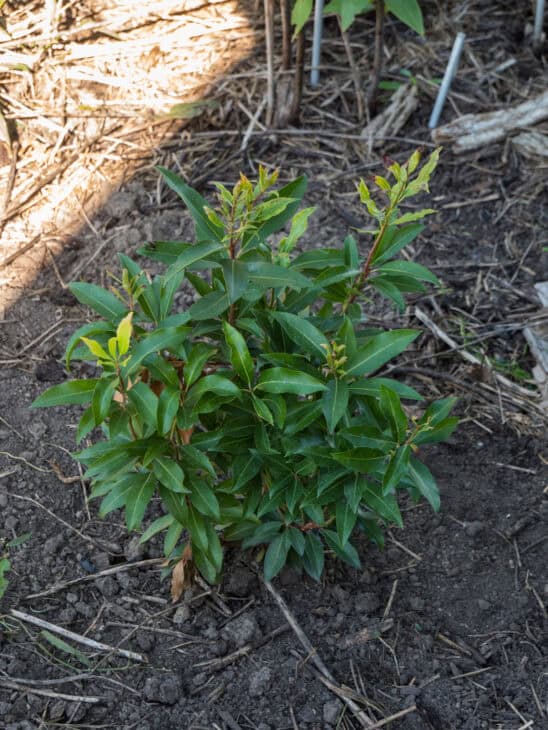
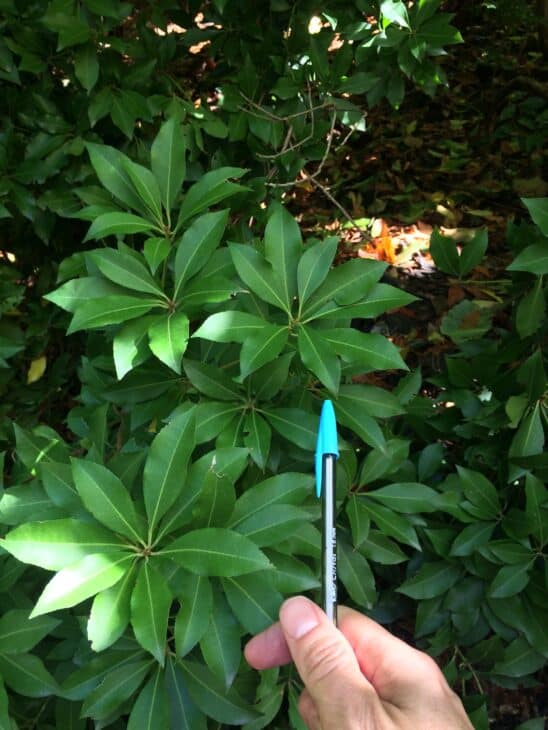
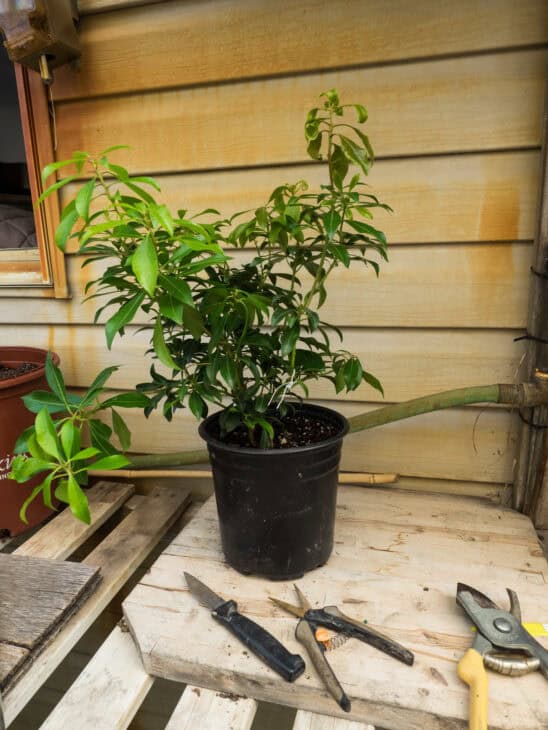
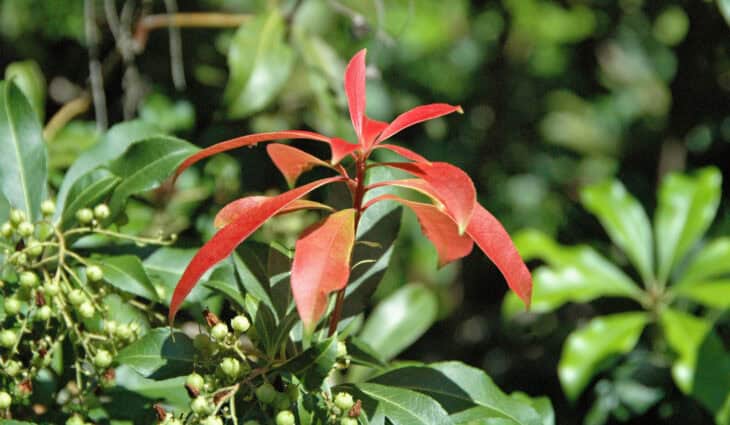
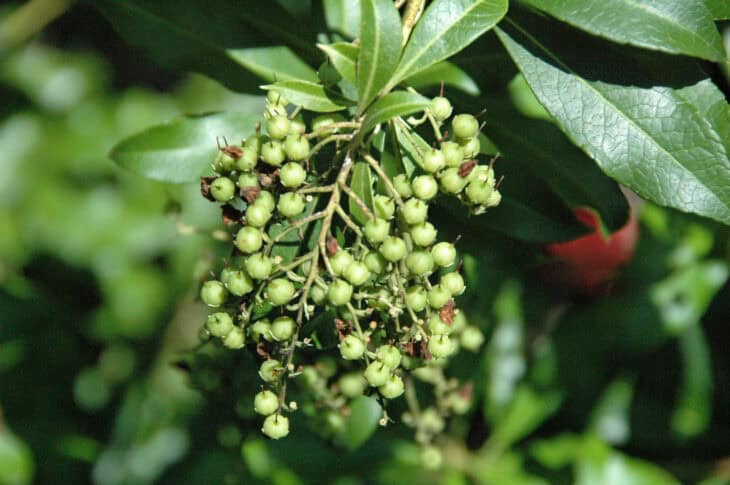
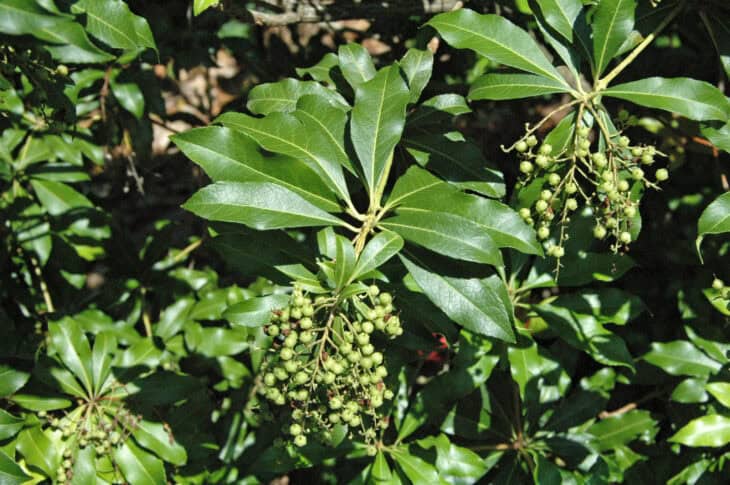
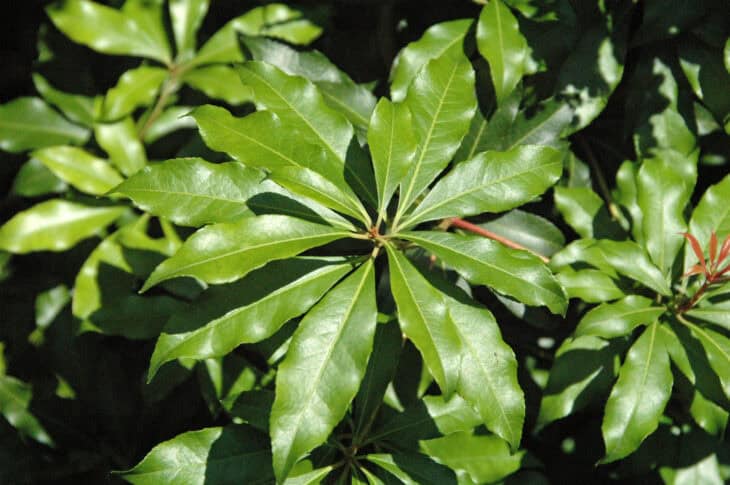
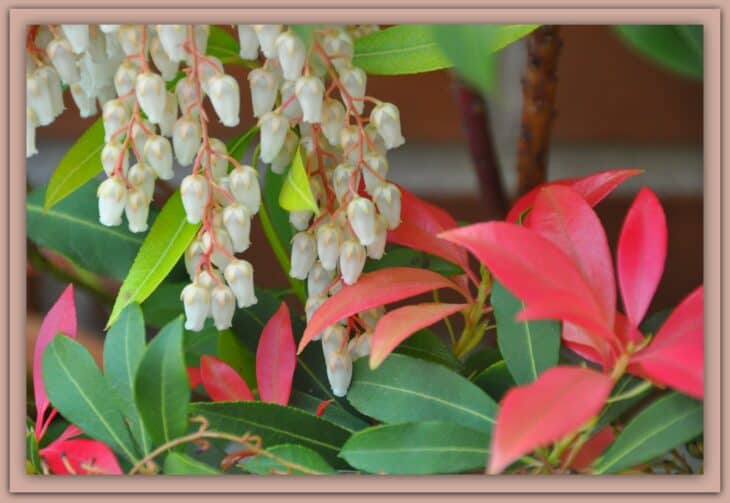
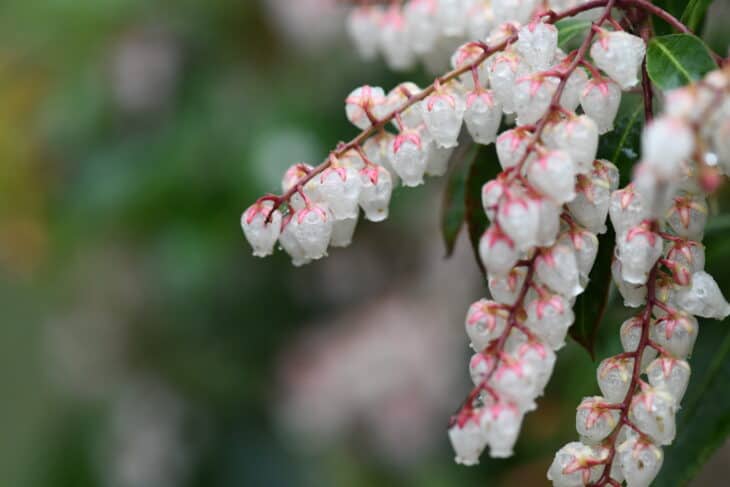
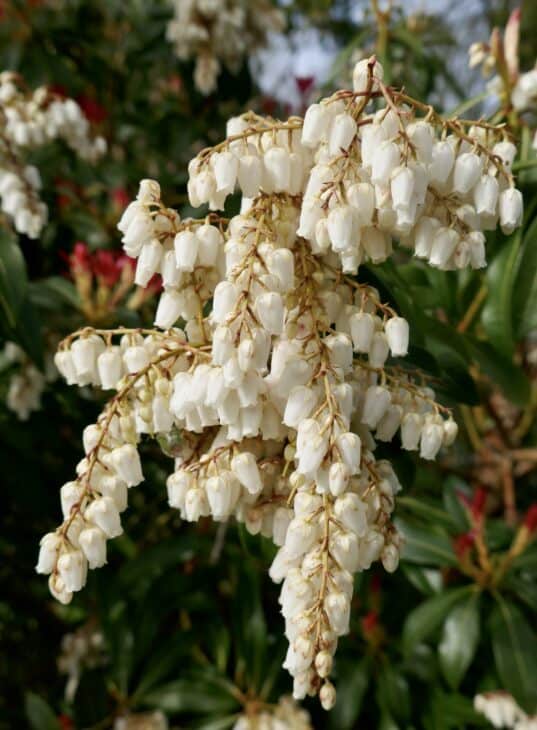
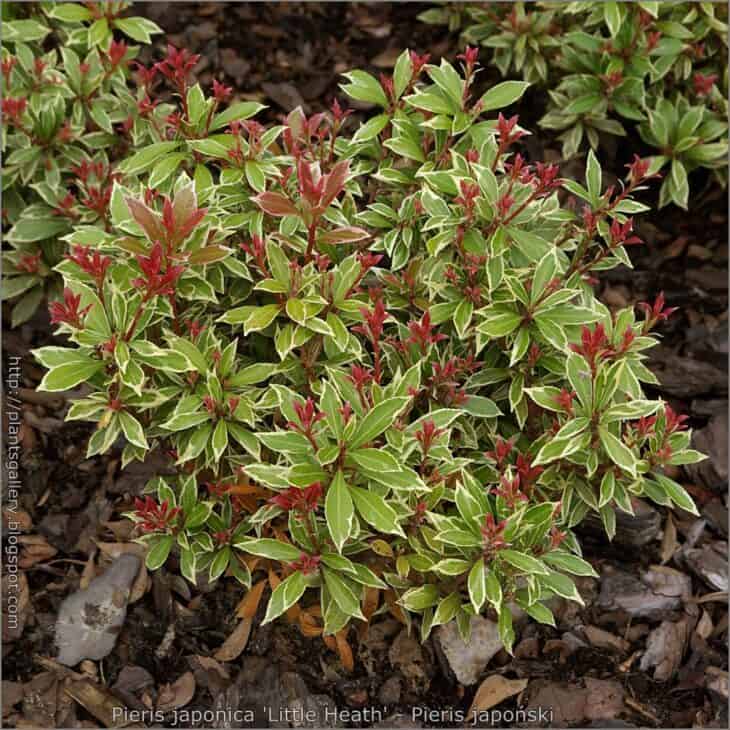
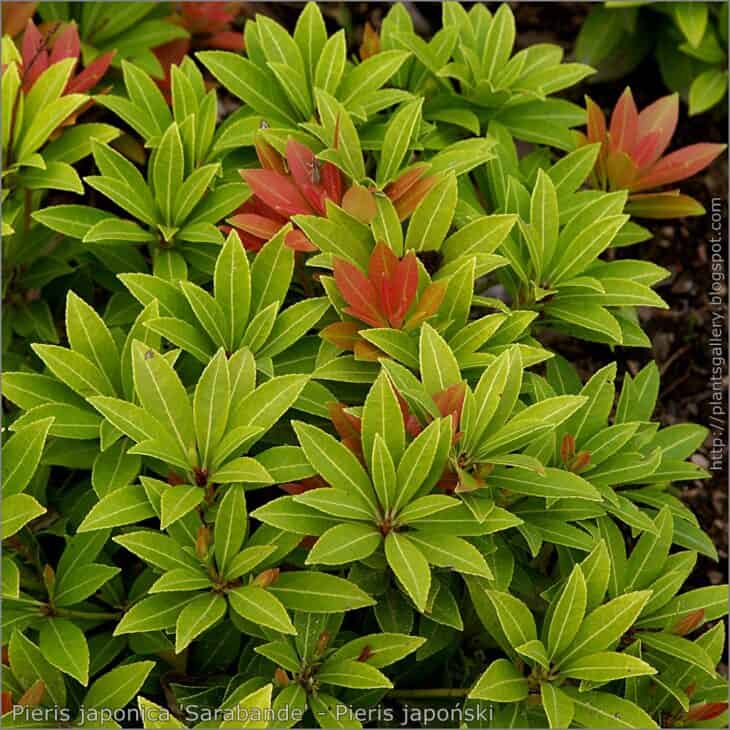
Compact to large evergreen shrub with glossy leaves and drooping clusters of small, urn shaped flowers in spring. Size varies by cultivar from under 3 feet to over 10 feet, with many garden varieties commonly 3 to 8 feet tall and about 3 to 6 feet across at maturity.
Best uses and where to grow
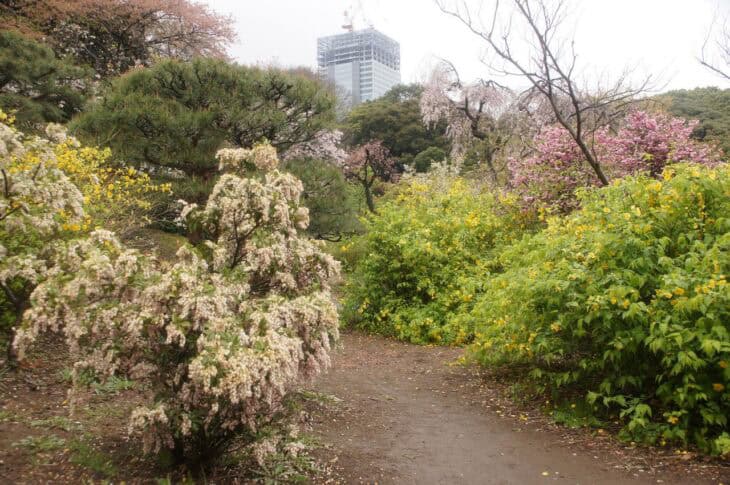
Use as a foundation shrub, mixed border specimen, or in a woodland garden where partial shade and cool roots are available. It performs poorly in hot afternoon sun so avoid exposed, sunny sites in warm climates. Plant where attractive spring blooms and evergreen structure are desired, keeping children and pets away.
Planting time and spacing
Plant during mild seasons such as spring or autumn to allow roots to establish before extreme heat or cold. Space plants to match expected spread, commonly three to six feet apart for garden cultivars, so plants have room for airflow and mature form without crowding neighboring shrubs.
Soil and watering
Prefers acidic, humus rich, well drained soil with a pH near 4.5 to 6.5. Poor drainage or alkaline conditions lead to yellowing leaves and decline. Keep soil evenly moist during establishment and add organic mulch to cool roots, while avoiding waterlogged conditions that cause root problems and fading foliage.
Light and after flowering care
Best in partial shade or dappled sun, tolerating morning sun but not hot afternoon exposure in warm areas. Prune lightly after flowering to tidy shape and remove any frost damaged or dead stems. Removing spent flower clusters is optional and will not affect next season’s blooms.
Propagation and pruning
Preserve cultivar traits by taking semi ripe or tip cuttings and by layering. Seed will not reliably come true to type. Prune sparingly to maintain natural habit and to control size, cutting back after bloom so you do not remove the following season’s flower buds.
Spread and landscape control
Many garden forms spread about three to six feet and can be managed by periodic thinning or hard pruning in late spring. Allowing generous spacing reduces fungal problems and keeps plants healthy. If a specimen becomes oversized, rejuvenation pruning after flowering will reduce bulk over a few seasons.
Toxicity and safety
All parts contain grayanotoxins and are poisonous to people and animals if ingested. Keep clippings and fallen leaves away from livestock and pets and seek immediate professional advice on any suspected exposure. Wear gloves when handling if you have sensitive skin.
Frequently asked questions
- How fast does Japanese Pieris grow?
- Growth rate varies with cultivar and site. Many garden types reach three to eight feet tall over several years, with final size influenced by soil fertility, light and pruning.
- Is Japanese Pieris poisonous?
- Yes. It contains grayanotoxins and all parts are poisonous if eaten by people or animals. Contact poison control or a veterinarian for exposures.
- What soil pH does it need?
- It prefers acidic soils around pH 4.5 to 6.5 and will show yellowing and poor growth on alkaline soil unless amended.
- Where does it grow best?
- Best in partial shade or dappled sun in temperate gardens, typically within USDA zones 5 to 8. Avoid hot afternoon sun and provide cool, humus rich soil.
- How should I propagate Japanese Pieris?
- Use semi ripe or tip cuttings and layering to retain cultivar characteristics. Seed can be used for species but often will not be true to cultivar.
Gallery
Related Plants


