
Key Facts
- Perennial legume native to North American prairies and plains.
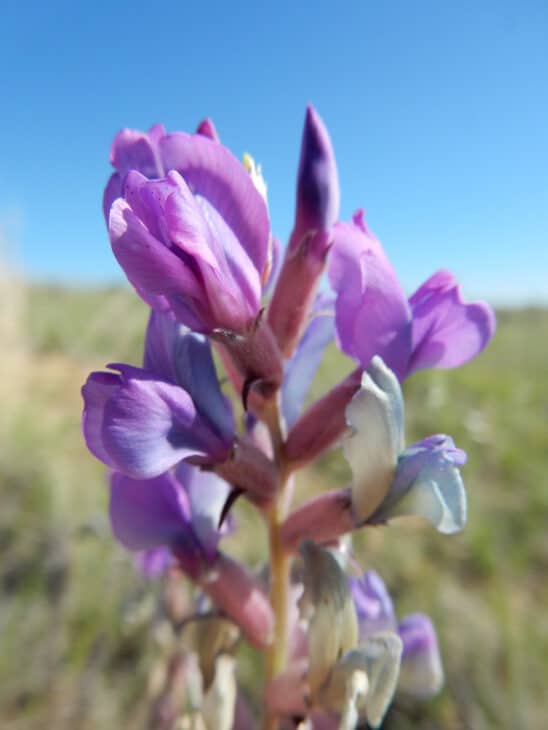
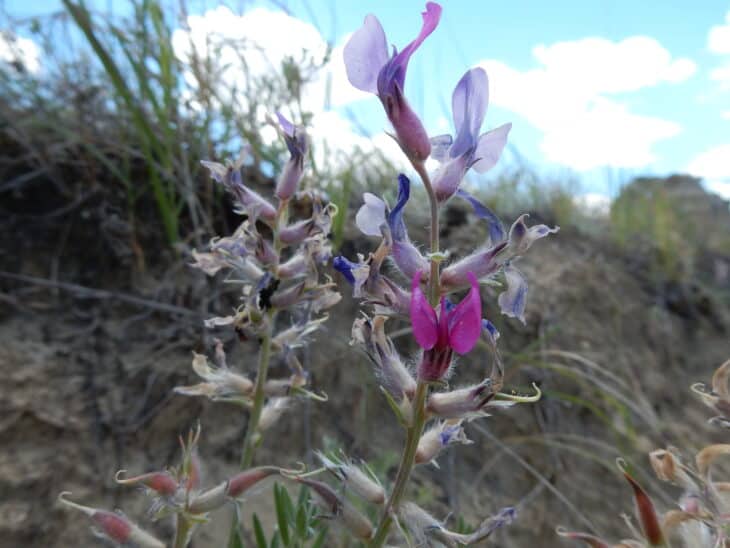
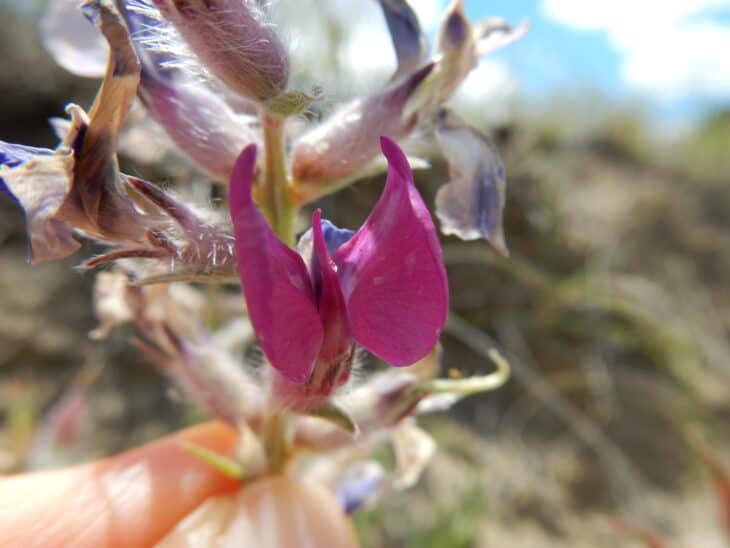
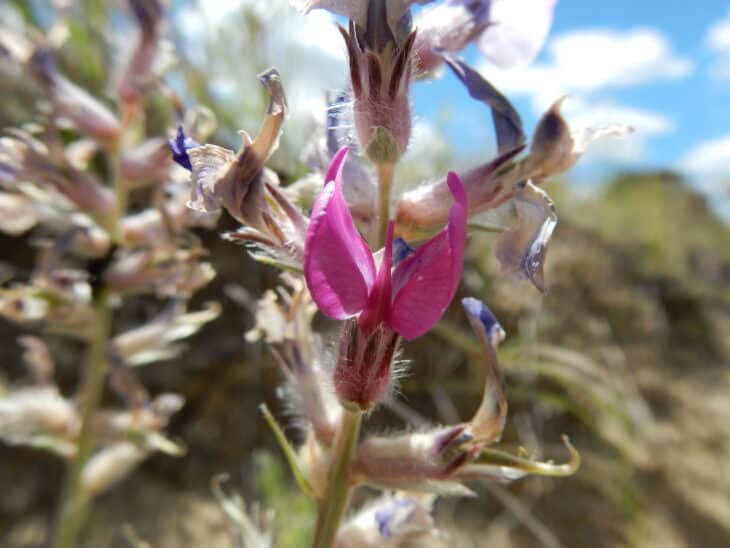
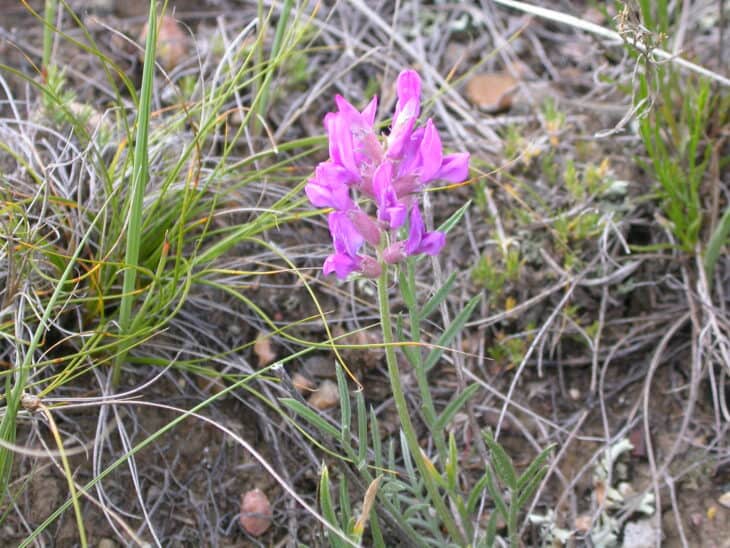
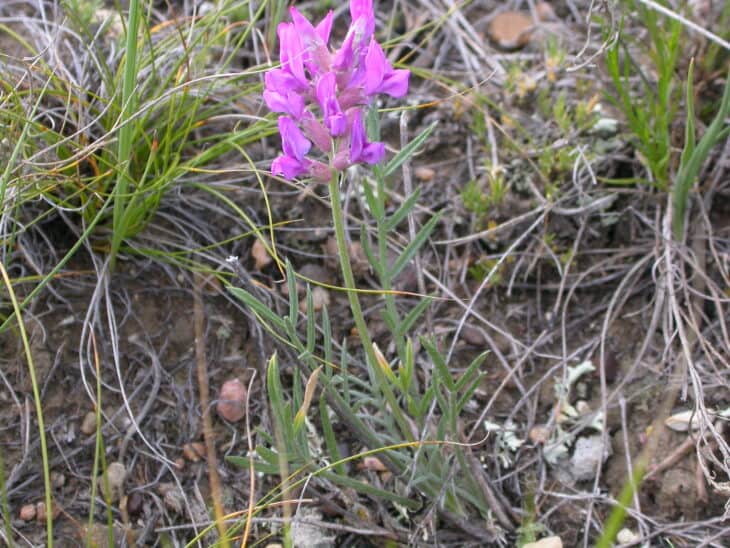
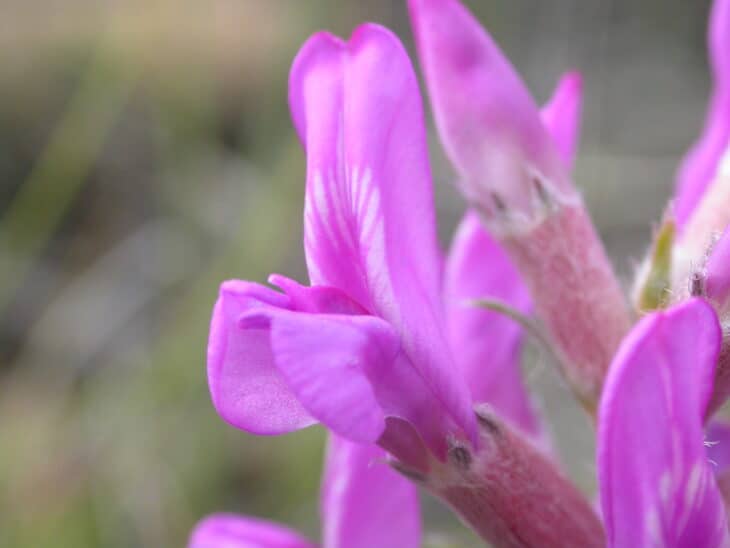
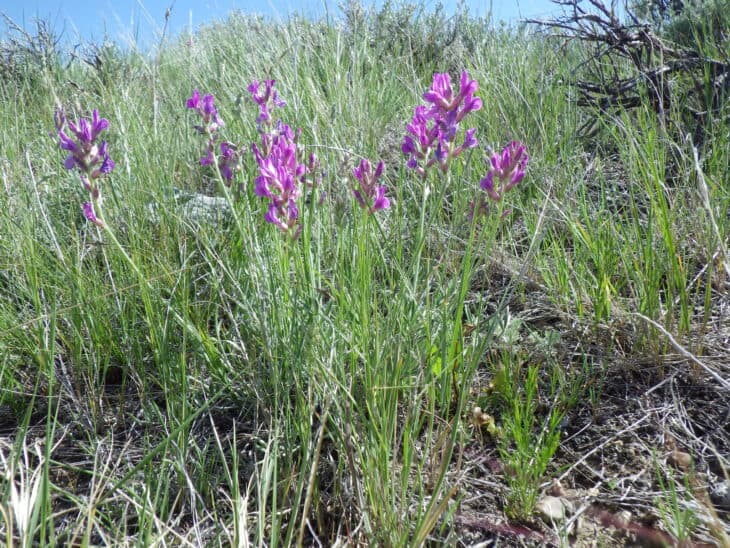
- Produces purple pea shaped flowers in spring to early summer.
- Prefers full sun and well drained sandy or rocky soils.
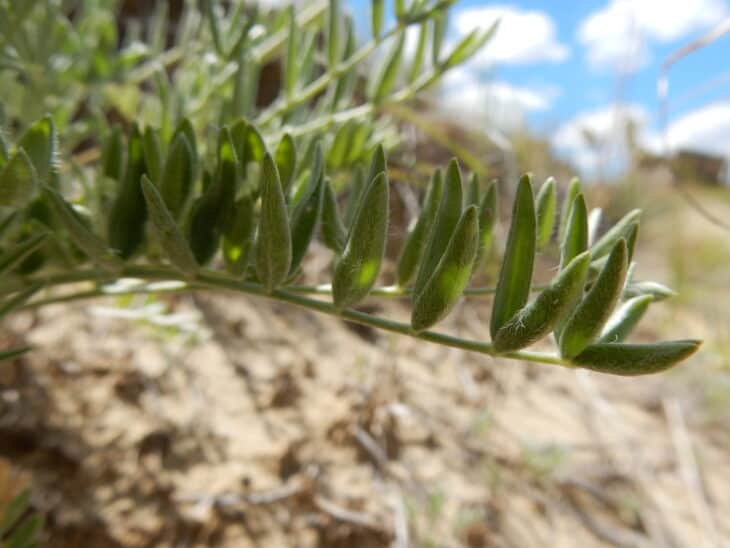
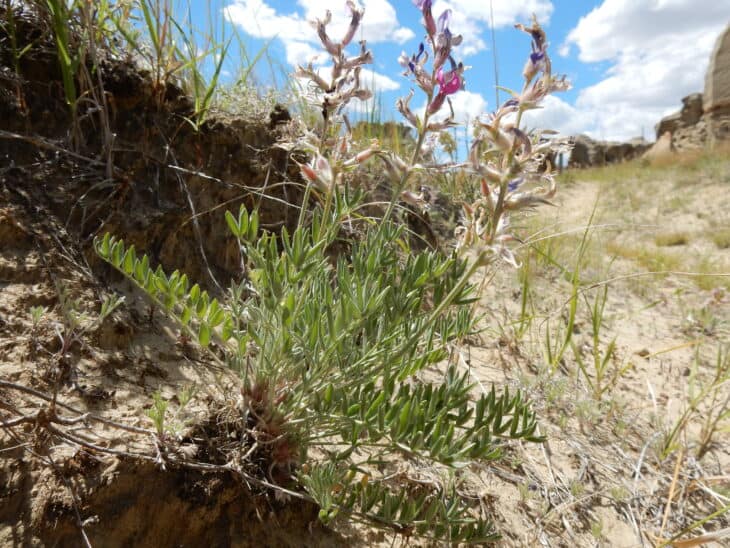
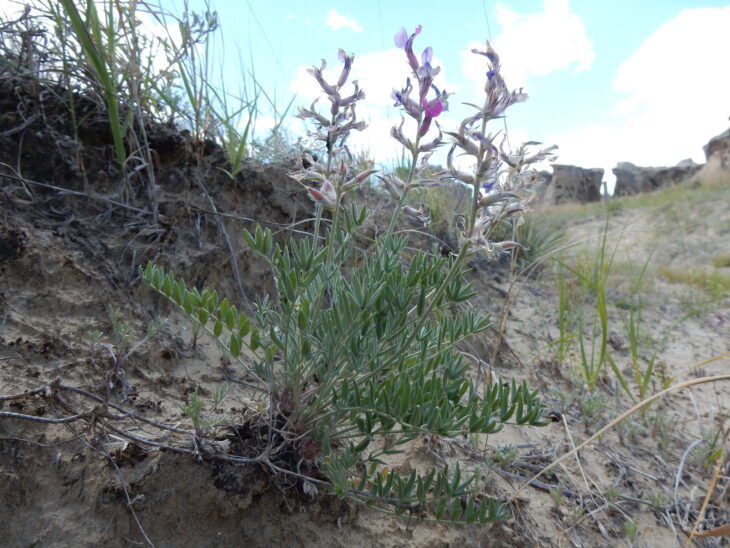
- Forms low clumps or mats of pinnate leaves.
- Contains the toxin swainsonine and can cause locoism in livestock.
- Grows from seed and is typically propagated by seed.
- Tolerates poor and alkaline soils but does not like heavy wet soils.
Lambert Crazyweed is a low perennial legume native to North American prairies and dry slopes. It produces purple pea shaped flowers in spring to early summer and forms small clumps of pinnate leaves while tolerating poor sandy or rocky soils.
Identification
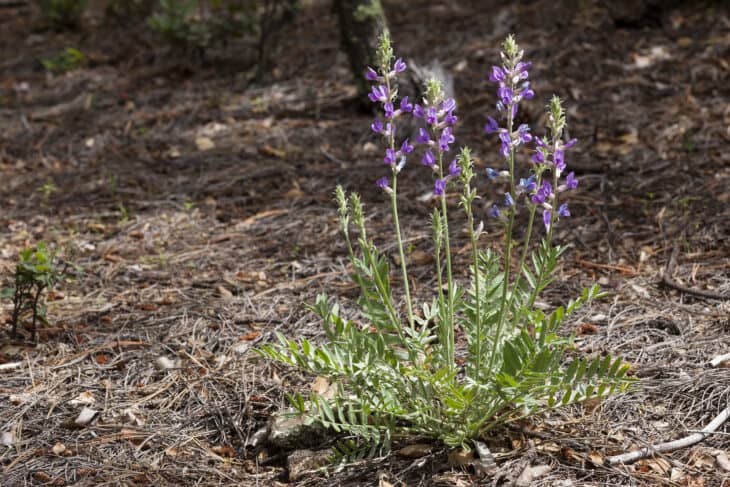
Plants reach about 4 to 12 inches tall and form clumps roughly 6 to 12 inches across. Leaves are pinnate and the flowers are purple and pea shaped appearing from May to July in the Northern Hemisphere. Growth habit is low and mat forming rather than upright or sprawling.
Best uses and where to grow
Use Lambert Crazyweed in sunny, dry rock gardens prairie restorations or native plantings where low clumping perennials are wanted. It performs on well drained sandy or rocky soils and tolerates alkaline conditions. Avoid planting it in heavy moist soils or in pastures where grazing animals have access.
Planting and spacing
Plant from seed in full sun on a well drained site. Space plants about 15 to 30 centimeters apart to match their natural clump spread and allow each plant to form a small mat. No routine division is required since the species establishes and spreads slowly by individual clumping.
Watering and soil
Lambert Crazyweed prefers dry to moderately dry conditions and will decline in heavy wet soils. Water sparingly once established and avoid persistent soil moisture. Choose sandy or rocky soils with good drainage and avoid rich, moisture retentive soils that favor larger competing plants.
Blooming and seasonal care
Flowers appear in spring to early summer roughly May through July depending on elevation and climate. After flowering leave seed pods intact if you want the plant to naturalize locally otherwise remove spent stems to reduce self seeding. Plants die back to the root in winter in colder zones.
Propagation from seed
Establish Lambert Crazyweed by seed. As a prairie legume it often has a hard seed coat and scarification can improve germination. Sow on a well drained seedbed and avoid excessive summer watering during establishment. Division is not commonly used for propagation.
Toxicity and livestock
Oxytropis lambertii contains the toxin swainsonine and can cause locoism in livestock if grazed. Exercise caution in planting near pastures and remove access for grazing animals. Documentation mainly concerns livestock so consult local extension resources for pet or human exposure guidance.
Controlling spread and naturalizing
The species forms low clumps rather than aggressive runners so it naturalizes slowly in suitable dry, open sites. To limit spread remove seed heads before they mature or dig out small patches. It is not described as invasive in managed garden settings but avoid planting where livestock graze.
Frequently asked questions
- How fast does Lambert Crazyweed grow?
- Growth is relatively slow and clump forming. Expect low development over a single season with fuller mats forming over several years.
- What sun conditions are best?
- Full sun is preferred since plants are native to open prairies and exposed slopes.
- What soil types does it tolerate?
- Well drained sandy or rocky soils are best and the plant tolerates poor and alkaline soils. Avoid heavy wet soils which cause decline.
- When does it bloom?
- Blooming occurs in spring to early summer roughly May through July in the Northern Hemisphere with local variation by elevation.
- Can it be planted near livestock?
- No do not plant where grazing animals can access it because the plant contains swainsonine which can cause locoism.
Gallery
Related Plants


