
Key Facts
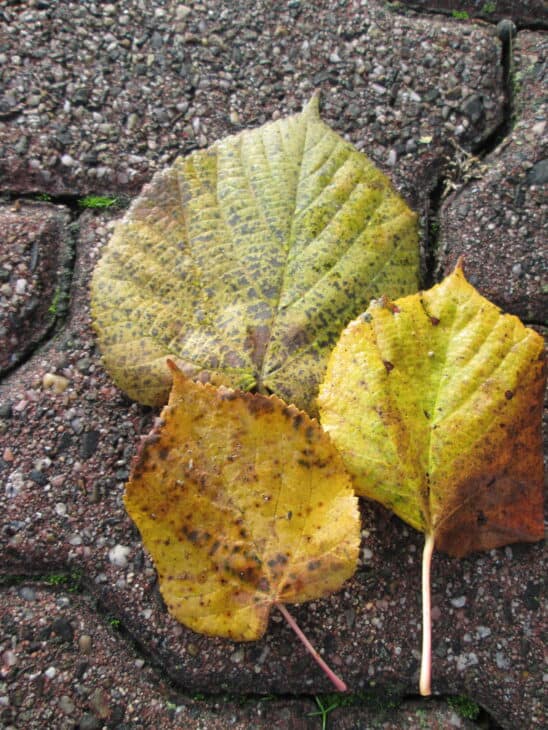
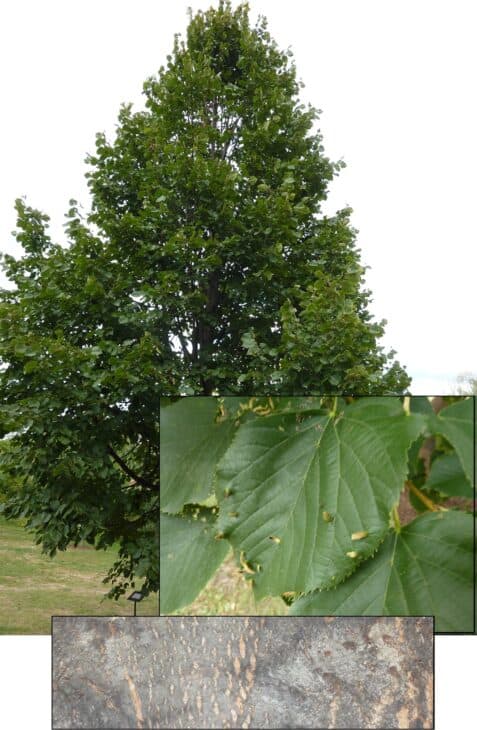
- Deciduous shade tree with heart shaped leaves.
- Smaller leaved species of linden often used as a street tree.
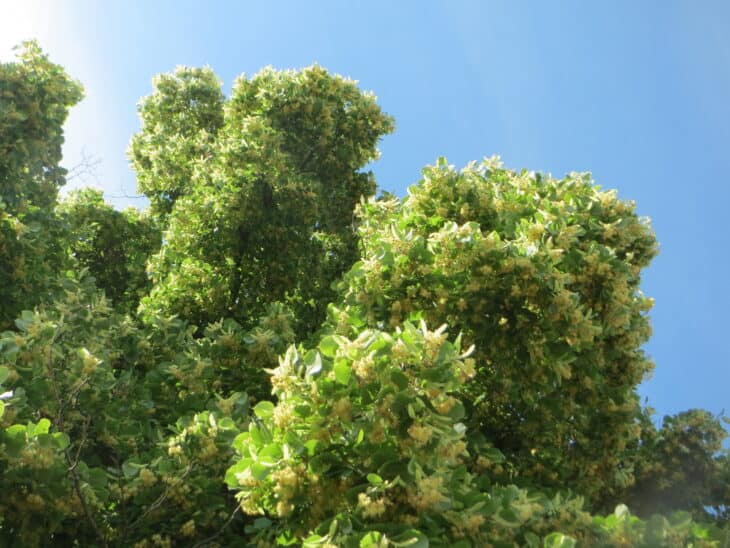
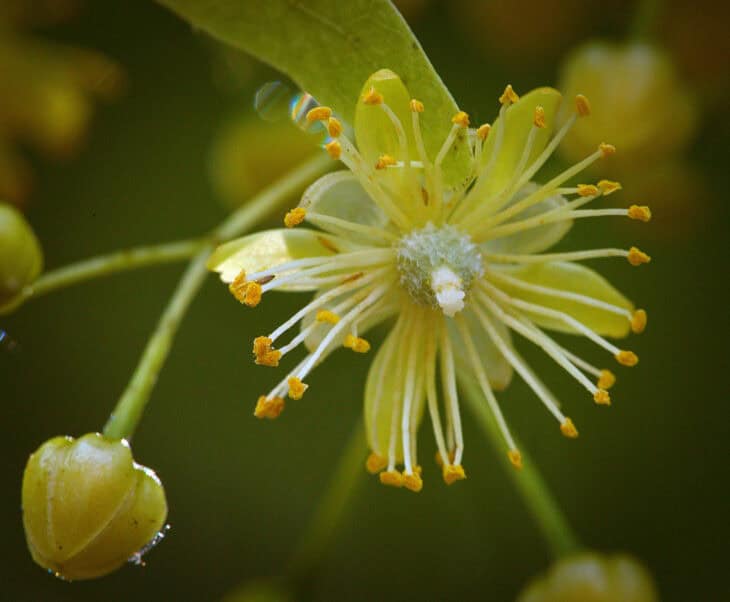
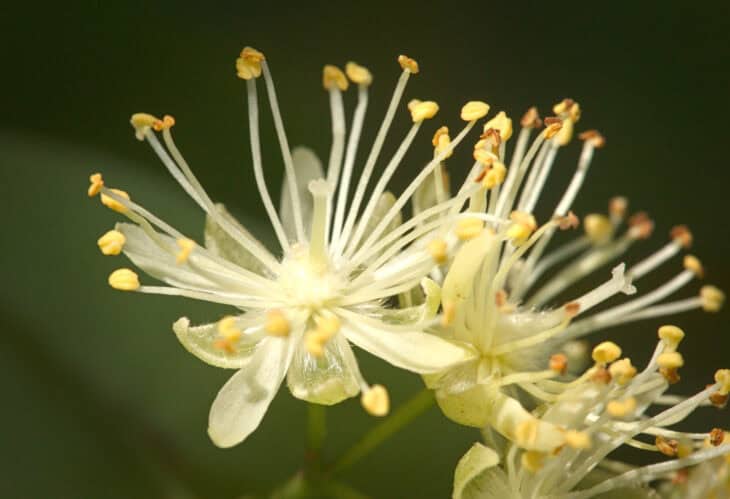
- Scented pale yellow summer flowers attract bees.
- Tolerant of urban conditions including compacted and clay soils.
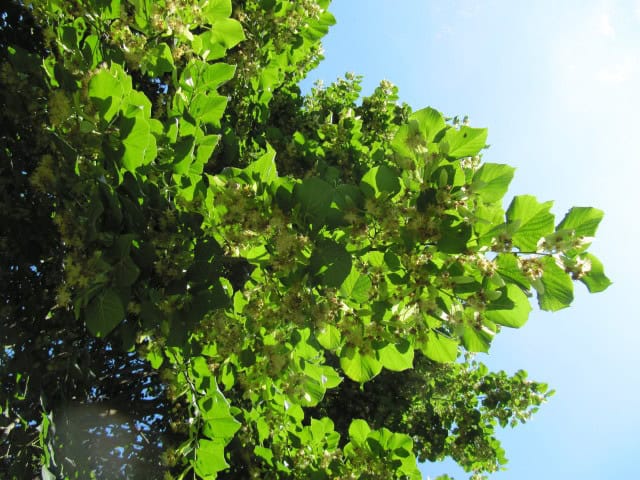
- Valued for a dense rounded crown and good summer shade.
- Native to Europe and parts of western Asia.
- Often propagated by seed or grafting for named cultivars.
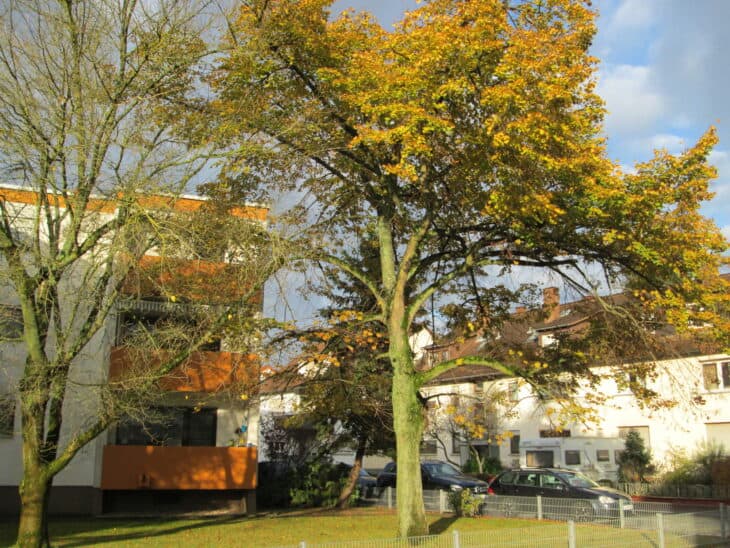
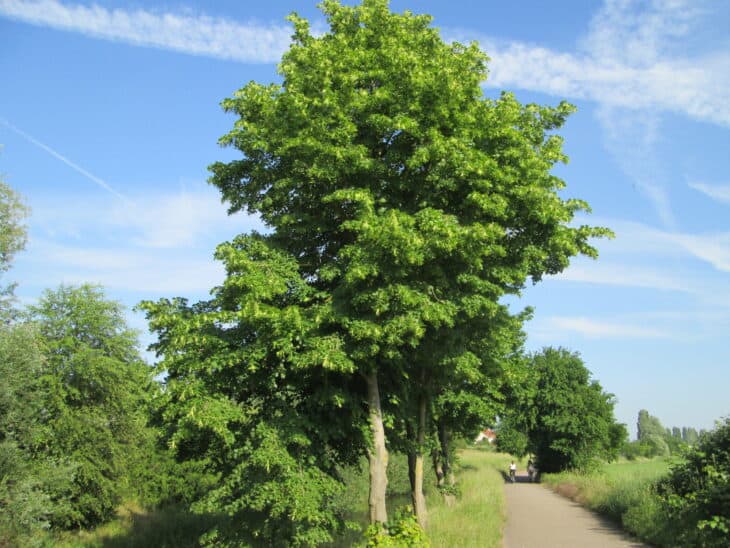
Littleleaf Linden is a small to medium deciduous shade tree valued for a dense rounded crown and fragrant pale yellow flowers that attract bees. It tolerates compacted urban soils and is commonly used as a street or specimen tree where strong summer shade is desired but space is limited compared with larger lindens.
Identification
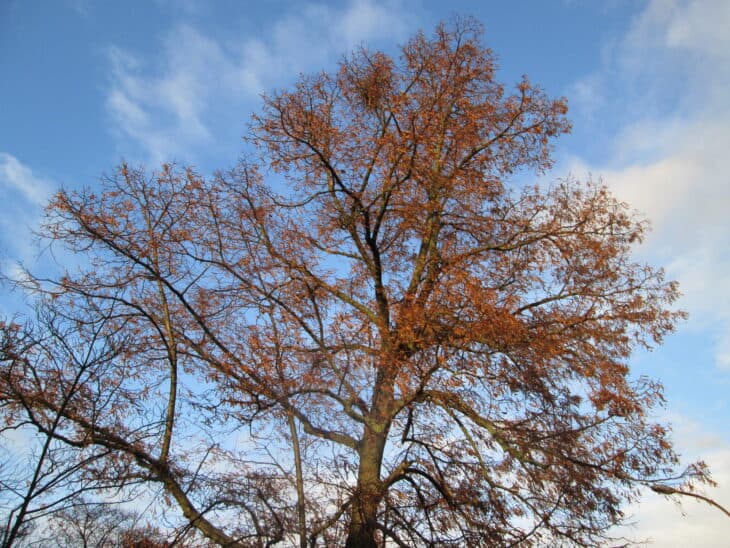
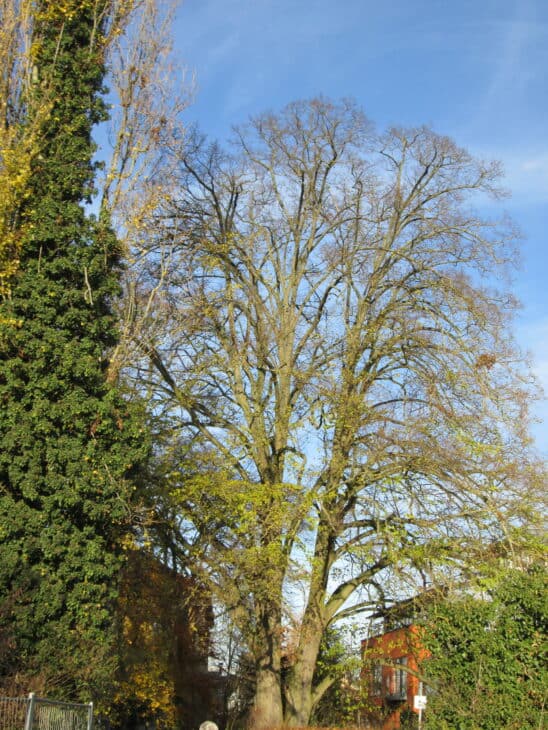
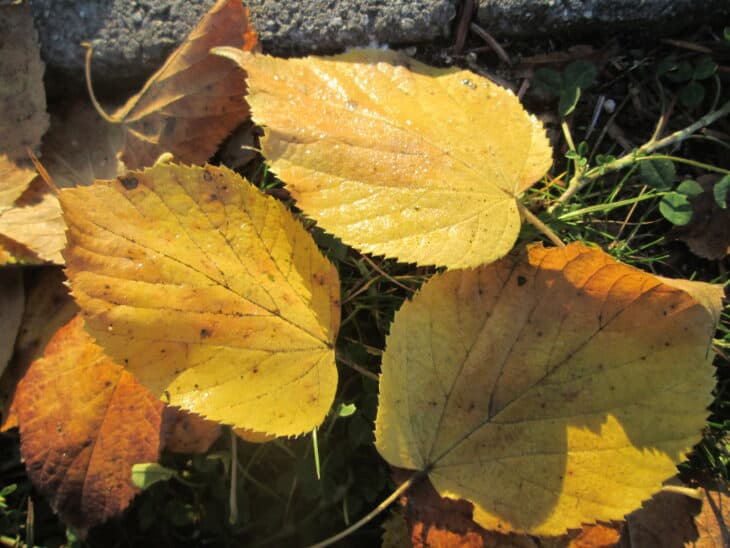
Recognize Littleleaf Linden by its heart shaped leaves and smaller foliage compared with other linden species. Mature trees typically reach about 40 to 70 feet tall with a broad crown 30 to 50 feet across. Flowers appear in late spring to early summer as scented pale yellow clusters that are highly attractive to bees.
Best uses and where to grow
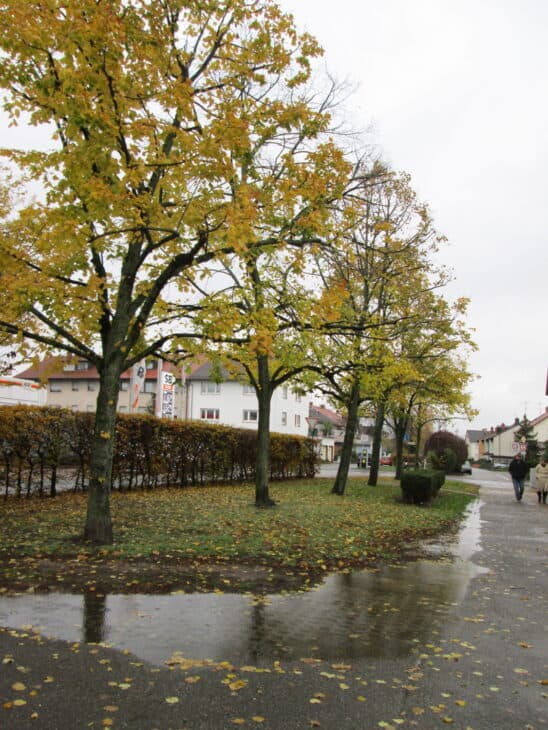
This linden works well as a street tree, avenue planting or specimen that provides dense summer shade and a neat rounded canopy. Plant in full sun to partial shade for best flowering and canopy density. It is hardy in USDA zones 3 to 7 and adapts to urban conditions including clay and compacted soils.
Planting and spacing
Allow room for a mature spread of roughly 30 to 50 feet when siting new trees. Plant so the root flare sits at or slightly above soil level and avoid burying the crown. Planting season varies with local climate; many gardeners choose spring or fall to give roots time to establish before extreme heat or cold.
Watering and soil
Littleleaf Linden prefers moist, fertile and well drained soil but tolerates heavier clay and compacted urban soils. Avoid prolonged waterlogging because poor drainage can lead to root decline. During dry spells water deeply to reduce stress and encourage a healthy, dense crown that provides summer shade.
After-flowering care and pruning
Prune to remove dead wood and to maintain a balanced, airy crown; street specimens are often pruned for clearance. Because bloom timing varies with climate confirm local flowering months before major pruning so you do not remove flower buds. Light thinning improves air flow and reduces limb weight in older trees.
Spread control and root considerations
Littleleaf Linden can produce basal suckers and spreads by seed in some settings, so remove unwanted shoots to prevent clumping or coppicing. Give the tree space from foundations, sidewalks and shallow rooted plantings because the crown and root zone expand with age. Manage suckers at the base for a cleaner single trunk.
Containers and small site use
This species is not suitable for long term container growing because mature size is large. Young trees can be grown temporarily in large containers while establishing but plan to transplant into the landscape well before they reach several meters in height to avoid root confinement and decline.
Frequently asked questions
- How fast does Littleleaf Linden grow?
- Growth is generally moderate to fast under favorable conditions but varies by cultivar and site. Expect steady annual height gain and a long term mature size reached over decades rather than years.
- Is Littleleaf Linden safe for pets?
- Linden flowers are used to make herbal tea and the tree is generally considered low risk for poisoning. Check local veterinary or poison control resources for authoritative pet safety information for your region.
- When does it bloom?
- Blooms occur in late spring to early summer, roughly May to July in the Northern Hemisphere. Exact timing shifts with latitude and local climate so verify local bloom dates for pollinator planning.
- Can it tolerate clay soil?
- Yes. Littleleaf Linden adapts to a range of soils including clay and compacted urban sites but prefers moist, well drained fertile soil. Avoid locations with prolonged waterlogging.
- How close can I plant it to structures?
- Allow enough room for a mature crown and root zone of about 30 to 50 feet across. Avoid planting too close to foundations, sidewalks or shallow rooted beds to reduce future conflicts.
- How is it propagated?
- Propagation methods include seed, basal suckers, cuttings and grafting. Named cultivars are commonly grafted to preserve desired traits while seedlings vary in character.
Gallery
Related Plants


Mentioned In (7)

Trees
17 Most Common Trees in England
The country of England is home to a large variety of trees. Due to the temperate climate, there are many…

Trees
28 Most Common Trees in the World
Our world is filled with nature’s wonders. From mountains and oceans to beaches and forests, every region is filled with…

Trees
25 Most Common Trees in Wisconsin
Nearly 16 million acres of Wisconsin's 35 million acres are forests. Forestland reportedly accounts for 46% of Wisconsin's total land…
Trees
16 Most Common Trees in New York State
Lying in the Mid-Atlantic and Northeastern region of the United States, the state of New York has a very diverse…

Trees
23 Flowering Trees For Pennsylvania Gardens
Do you want to enhance the curbside appeal of your Pennsylvania home by planting flowering trees in your garden? Well,…
Trees
26 Great Flowering Trees For Michigan Gardens
If you’re looking to add eternal, year-round beauty to your lawn and boost the curbside appeal of your Michigan home,…

Trees
26 Great Flowering Trees for Wisconsin Yards
If you’re looking to expand your garden and plant unique, breathtaking flowering trees in your home garden in Wisconsin, you…