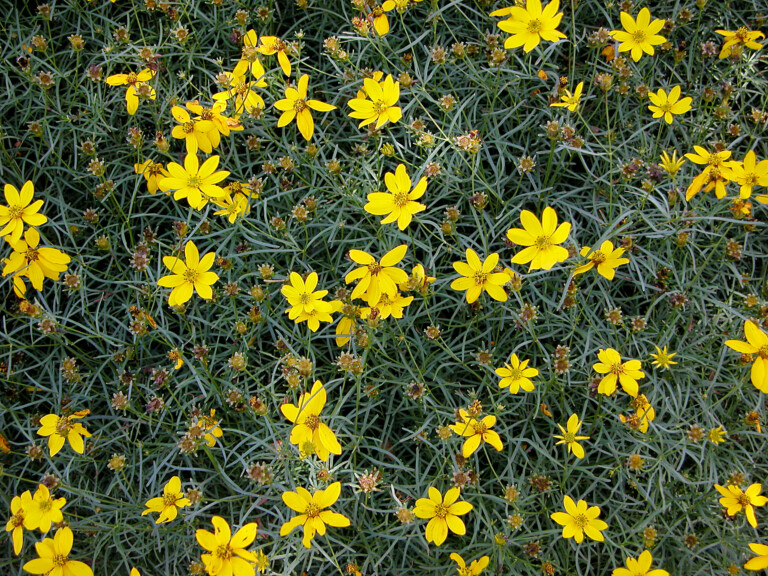
Key Facts
- Perennial herbaceous daisy with white rays and a yellow center.
- Blooms in late spring into midsummer in temperate climates.
- Spreads by seed and short creeping roots and can naturalize or become weedy.
- Prefers full sun but tolerates partial shade.
- Tolerant of average to poor soils if drainage is adequate.
- Attracts bees and other pollinators.
- Used in meadows and informal perennial borders.
Oxeye Daisy is a clump forming perennial with white rays and a yellow center that flowers in late spring into midsummer. It is used in meadows and informal perennial borders because it attracts pollinators yet it spreads readily by seed and short creeping roots so it can naturalize or become weedy.
Identification
Plants reach about 8 to 24 inches tall with slender stems topped by classic daisy heads featuring white rays and a yellow disk. Leaves form a low basal clump and the overall habit is upright and airy. Blooming usually occurs in late spring into midsummer with numerous single flower heads per plant.
Best uses and where to grow
Use Oxeye Daisy in meadow mixes, cottage borders and naturalized swales where it can spread and provide long stretches of white blooms. It is hardy to USDA zones 3 to 8 and performs best in full sun. Tolerance for average to poor soils makes it suitable for low fertility sites provided drainage is good.
Planting season and spacing
Seeds and divisions establish well when planted in spring or fall. Give plants room to spread and plant 12 to 18 inches apart to match their typical mature spread. Spacing at this distance helps stems receive air flow which reduces crown problems and limits excessive crowding as colonies form.
Soil light and watering
Oxeye Daisy prefers well drained soils and tolerates dry and poorer soils as long as drainage is adequate. Full sun produces the most abundant blooms while light to moderate shade reduces flower set. Avoid prolonged wet feet because poor drainage increases crown rot and shortens plant longevity.
After flowering care
Remove spent flower heads to reduce self seeding and keep the bed tidy. Cutting plants back after the main bloom can encourage a neater clump and prevent thin, leggy growth. Division in spring or fall rejuvenates older clumps and restores vigor while offering a chance to thin out plants that have become too dense.
Controlling spread and naturalizing behavior
Plants spread by seed and by short creeping roots and can naturalize into dense patches under favorable conditions. To limit spread remove seed heads before they mature and dig out unwanted runners when detected. Check local invasive species lists because this species is reported as weedy in parts of North America and Australasia.
Propagation
Propagate by seed or by division of clumps. Division is recommended in spring or fall to maintain clump vigor and to control spread. Seed will readily set in many sites so remove flowers if you do not want seedlings to appear across the bed.
Frequently asked questions
- How fast does Oxeye Daisy grow?
- Plants reach about 8 to 24 inches tall in a growing season and spread over time by seed and short creeping roots. Colonies develop as seedlings and root spread accumulate across seasons.
- Is Oxeye Daisy invasive?
- It can be weedy and naturalize in suitable climates. The species is reported invasive in parts of North America and Australasia so confirm local status before encouraging widespread planting.
- When does Oxeye Daisy bloom?
- Blooming occurs in late spring into midsummer. In the northern hemisphere this is typically May to July and exact timing shifts with local climate and latitude.
- Can Oxeye Daisy grow in shade?
- It tolerates light to moderate shade but performs best in full sun where flower production is highest. In deeper shade plants tend to produce fewer blooms.
- How do I propagate Oxeye Daisy?
- Propagate by seed or by dividing clumps in spring or fall. Division helps control spread while renewing plant vigor.
Related Plants