Key Facts
- Genus of bulbous perennial plants native to southern Africa.
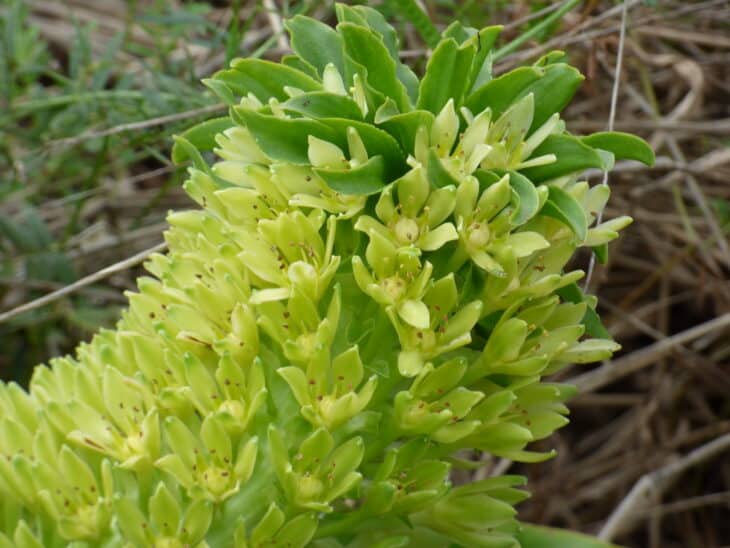
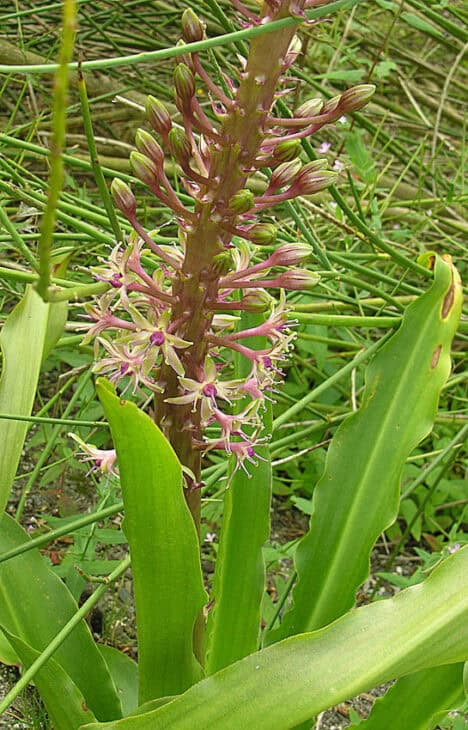
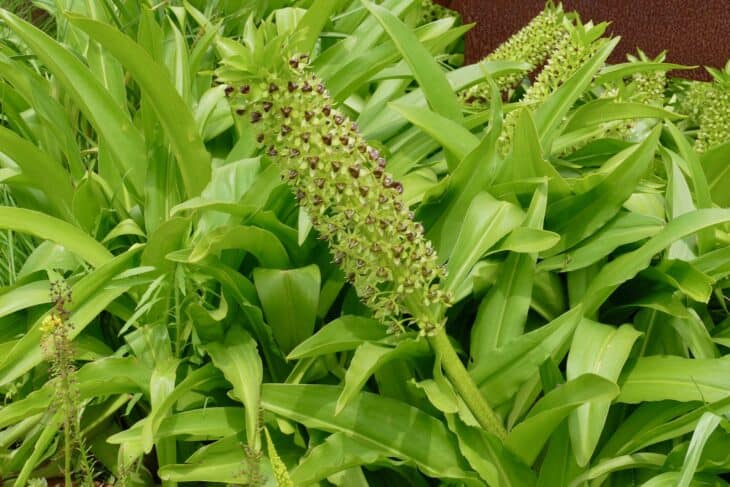
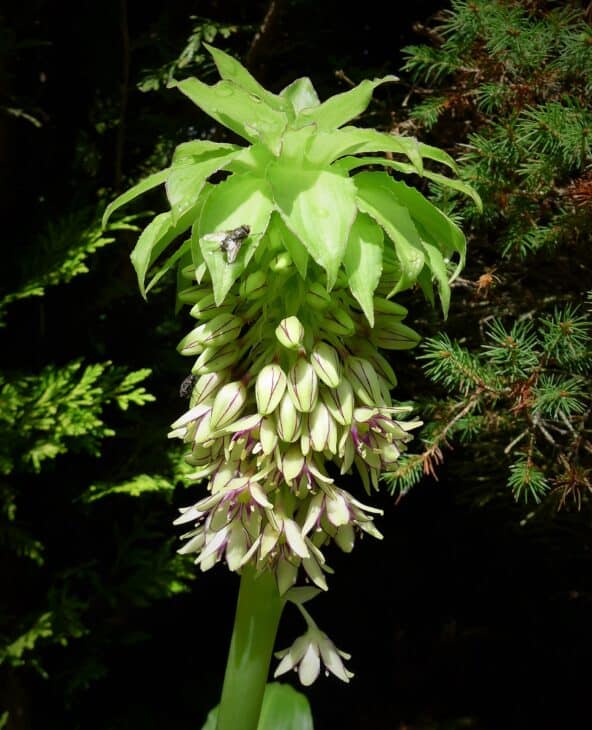
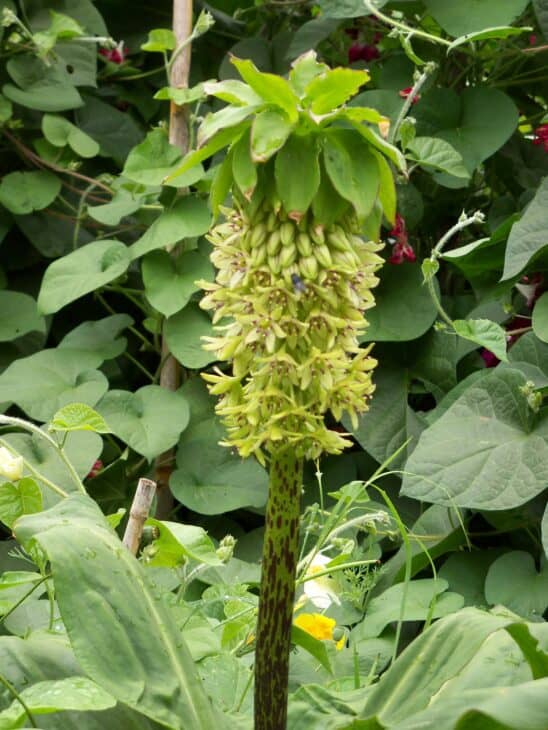
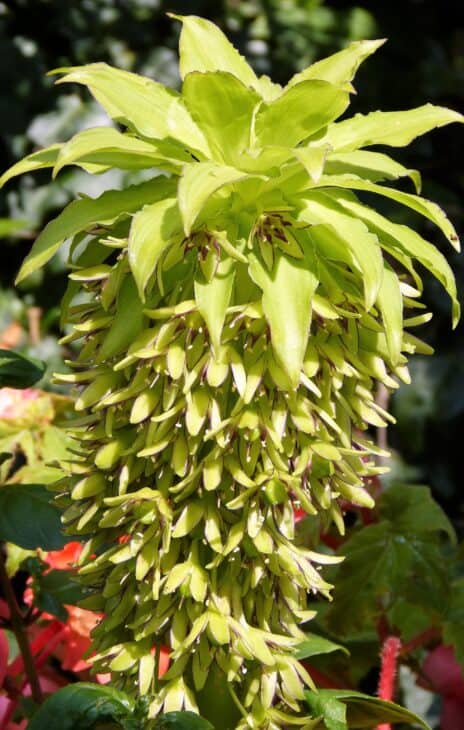
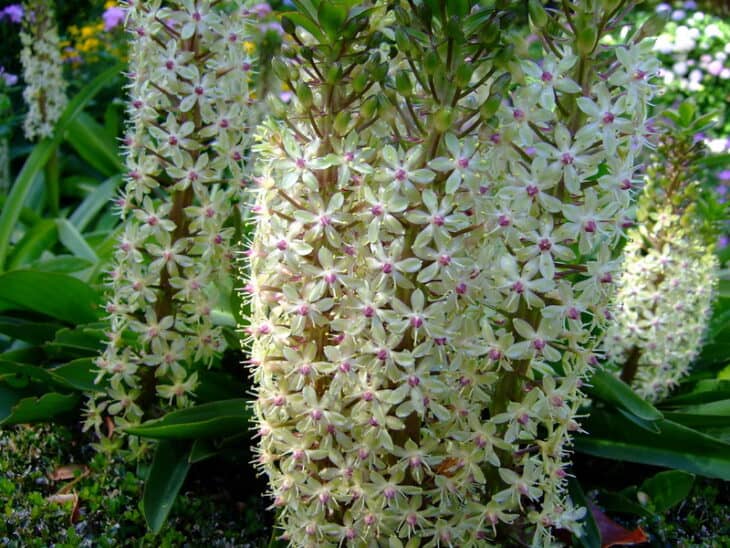
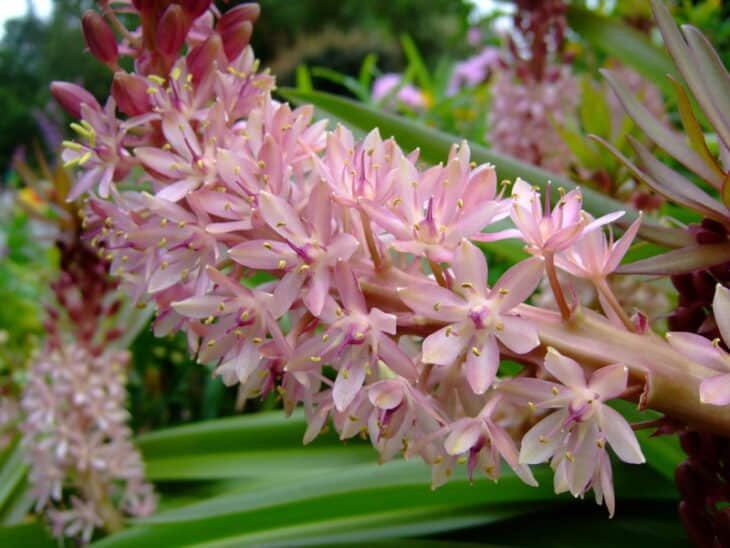
- Produces upright flower spikes topped with a tuft of bracts like a pineapple crown.
- Commonly grown for summer blooms and container specimens.
- Propagated by offsets or seed with offsets being fastest.
- Prefers fertile well drained soil and does not tolerate prolonged waterlogged winter soil.
- Tolerates heat but benefits from afternoon shade in very hot climates.
- Garden height typically ranges from about 12–24 in (30–60 cm) depending on species and cultivar.
- May need lifting or heavy winter protection in colder climates.
Eucomis, commonly called pineapple lily, are bulbous perennials from southern Africa prized for upright summer flower spikes topped by a tuft of bracts that resemble a pineapple crown. They work well as summer border plants or container specimens but need well drained soil and protection in cold, wet winters.
Identification and key traits
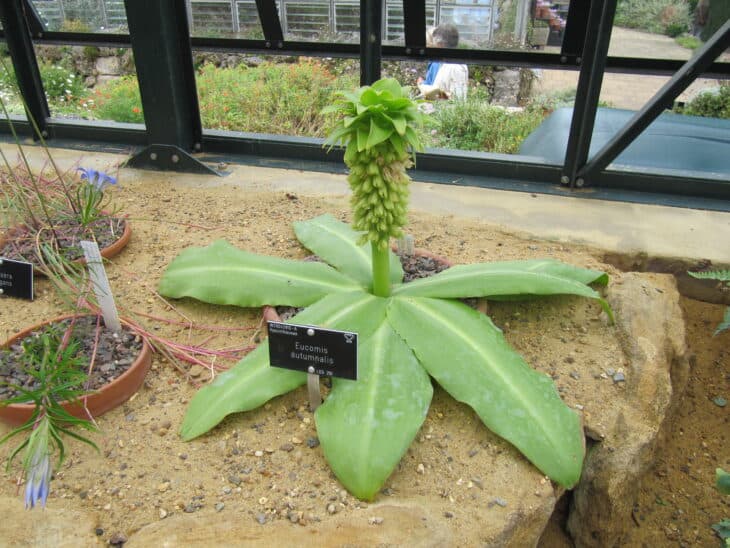
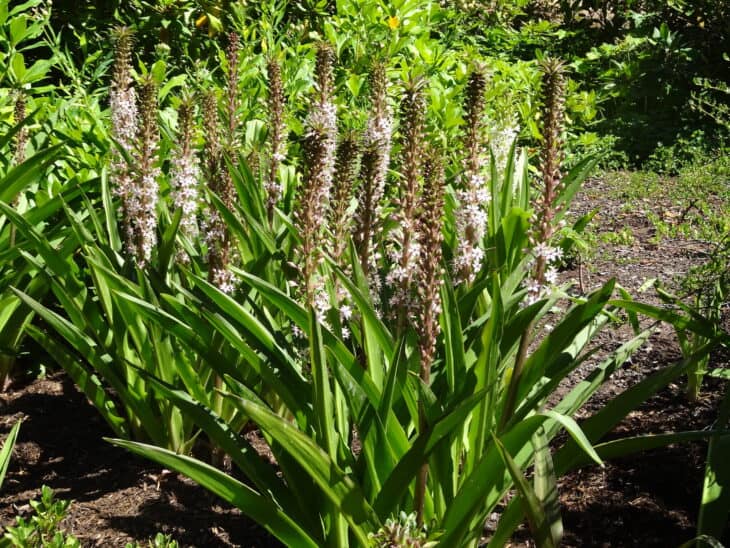
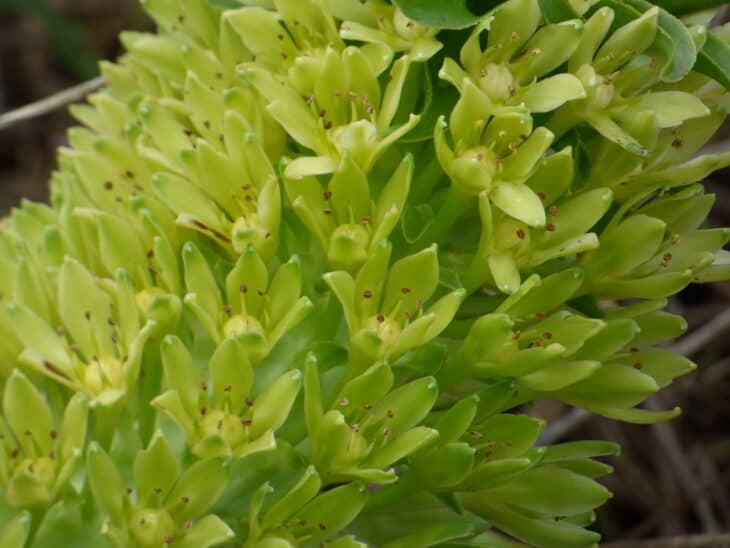
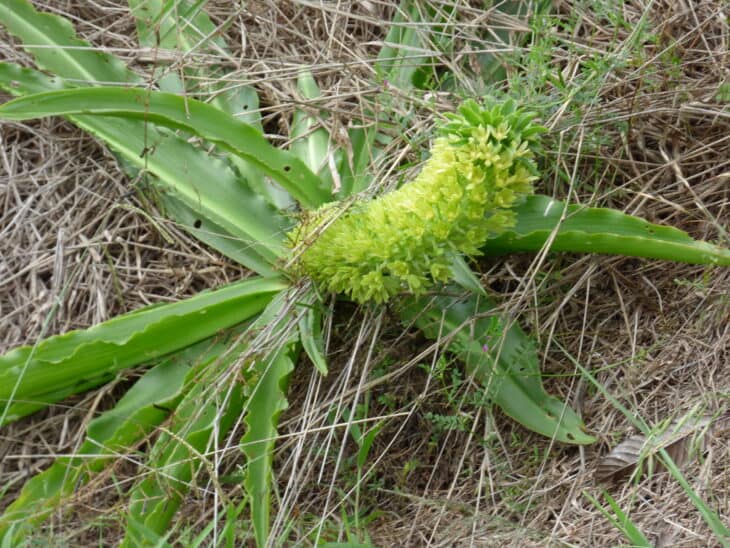
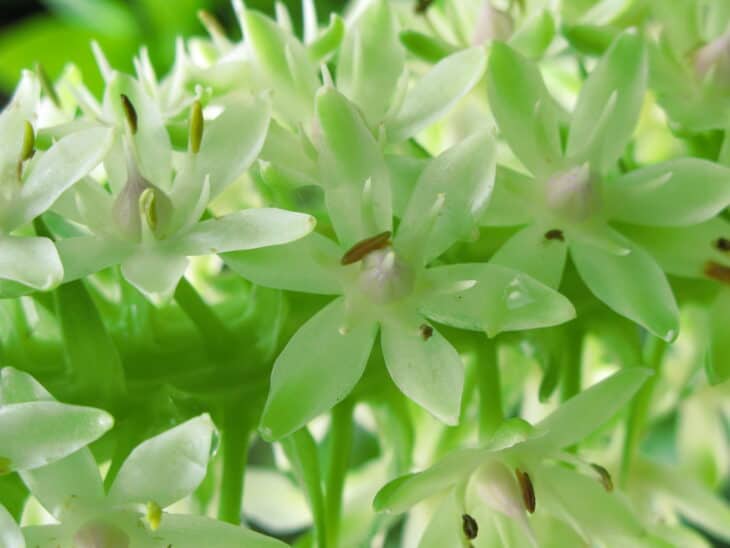
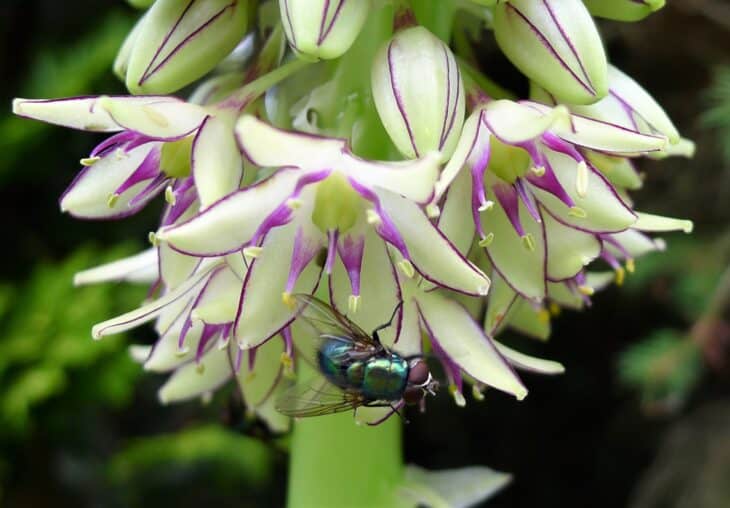
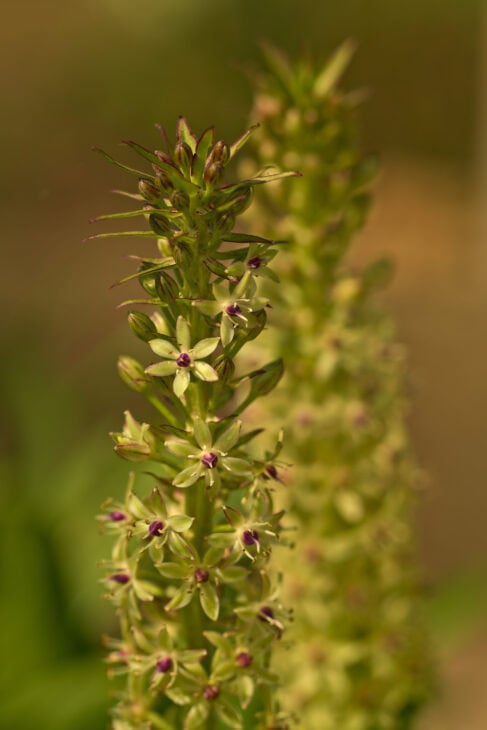
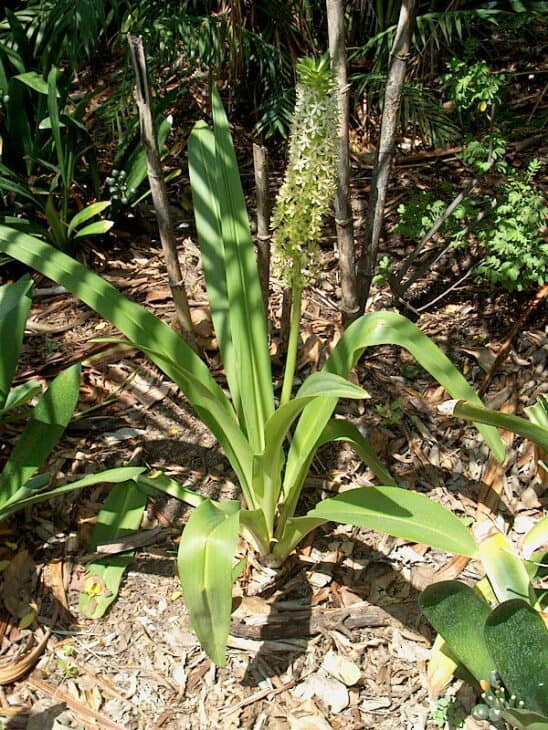
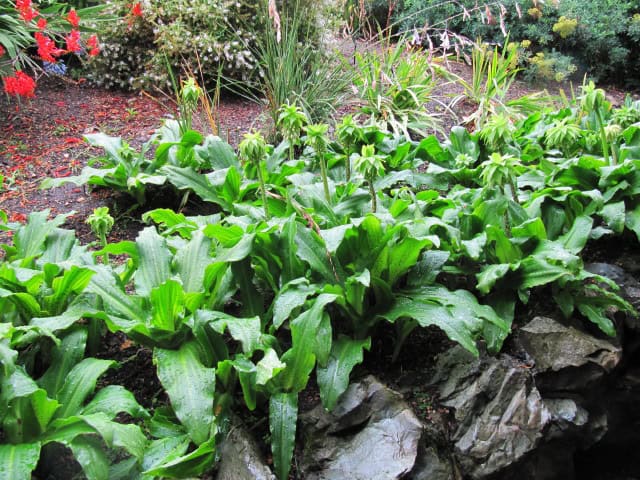
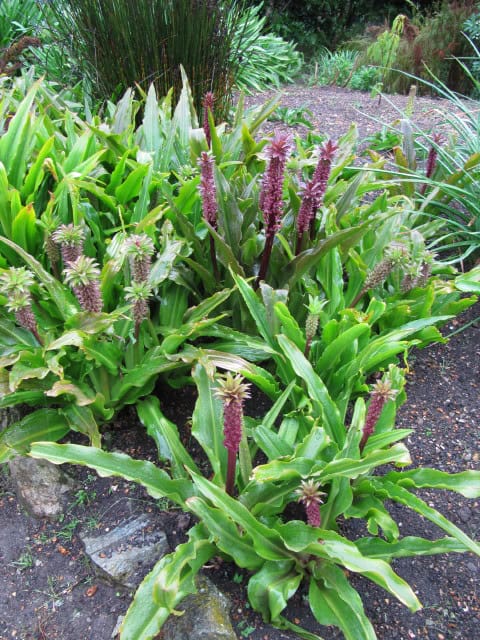
Eucomis form basal rosettes of leaves and produce upright spikes of starry flowers topped with a pineapple-like tuft of bracts. Garden varieties typically reach about 12 to 24 inches tall and form clumps by offsets. Bloom timing varies by cultivar and climate, most often producing flowers in summer to early autumn.
Best uses and where to grow
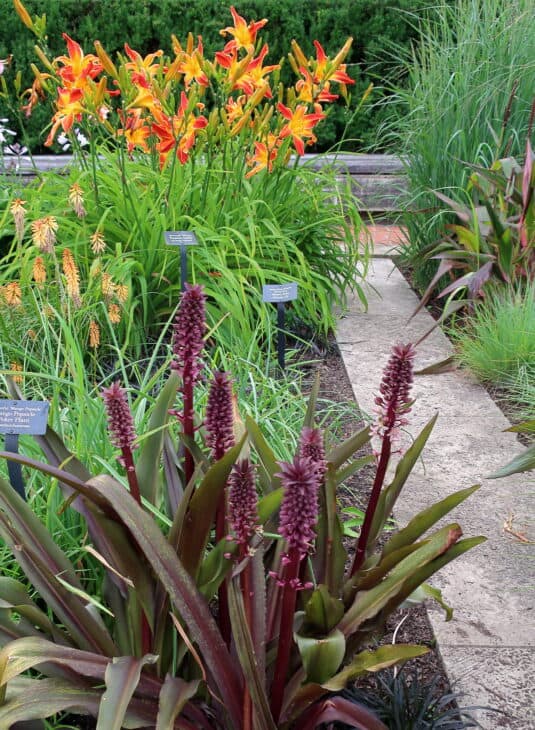
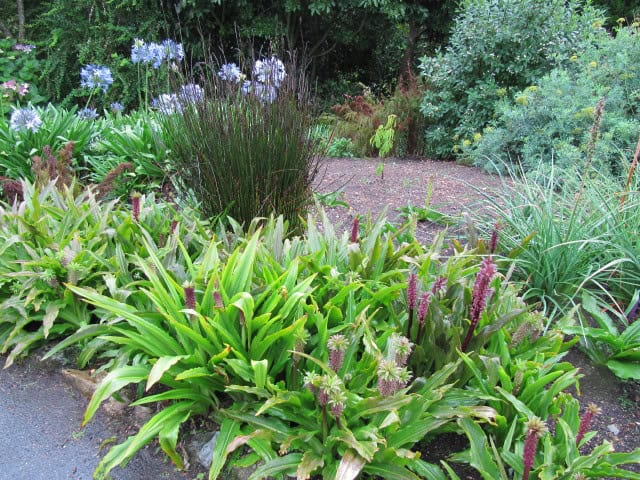
Use Eucomis in sunny to part-shade borders, mixed containers, or as a summer focal point. They tolerate heat but benefit from afternoon shade in very hot climates. In USDA zones 7 to 10 they can be grown in ground; in colder areas grow them in containers or lift bulbs for winter protection.
Planting and seasonal timing
Plant bulbs or established offsets so plants are established before their summer bloom season. Timing will vary by region and cultivar to match local growing seasons. In colder climates lift bulbs or provide heavy winter protection before prolonged freezing and waterlogged soil appear.
Soil light and watering
Eucomis prefers fertile, well drained soil and regular moisture while actively growing. Poor drainage or winter waterlogging causes bulb rot, so improve drainage or grow in containers if soil stays wet. Give full sun to part shade and protect foliage from harsh afternoon sun in very warm sites.
After flowering, division and spread control
Remove spent flower spikes to tidy the bed but allow foliage to persist while it remains healthy. Plants form clumps roughly 8 to 12 inches across per bulb as they produce offsets. Divide crowded clumps and lift bulbs when necessary to control spread and maintain vigor.
Propagation and containers
Propagate Eucomis by offsets or division for fastest reliable results that preserve cultivar traits. Seed produces greater variation and takes longer to reach flowering size. They are commonly grown in containers, which makes winter lifting easier and allows placement for optimal sun and afternoon shade.
Toxicity and handling
Bulbs are reported as potentially toxic if ingested and may cause gastrointestinal upset. Handle bulbs with gloves if you have sensitive skin and prevent pets and children from eating bulbs. Verify specifics with local poison control or the ASPCA for definitive guidance.
Frequently asked questions
- How fast does Eucomis grow?
- Growth varies by species and conditions. Offsets produce new bulbs over a few seasons and many garden forms reach flowering size in that period. Seed raised plants take longer and show more variation.
- Can Eucomis stay in the ground in cold climates?
- In colder climates they often need lifting or heavy winter protection to prevent bulb loss. Many gardeners grow them in containers and lift bulbs for winter.
- How much sun do Eucomis need?
- They prefer full sun to part shade. In very hot locations provide some afternoon shade to protect foliage and improve bloom longevity.
- What soil do Eucomis prefer?
- Fertile, well drained soil with moderate moisture while growing. Avoid poor drainage and winter wet which can cause bulb rot.
- How are Eucomis propagated?
- Offsets and division are the quickest methods to maintain cultivar traits. Seed and bulb scaling are possible but take longer and may not produce identical plants.
Gallery