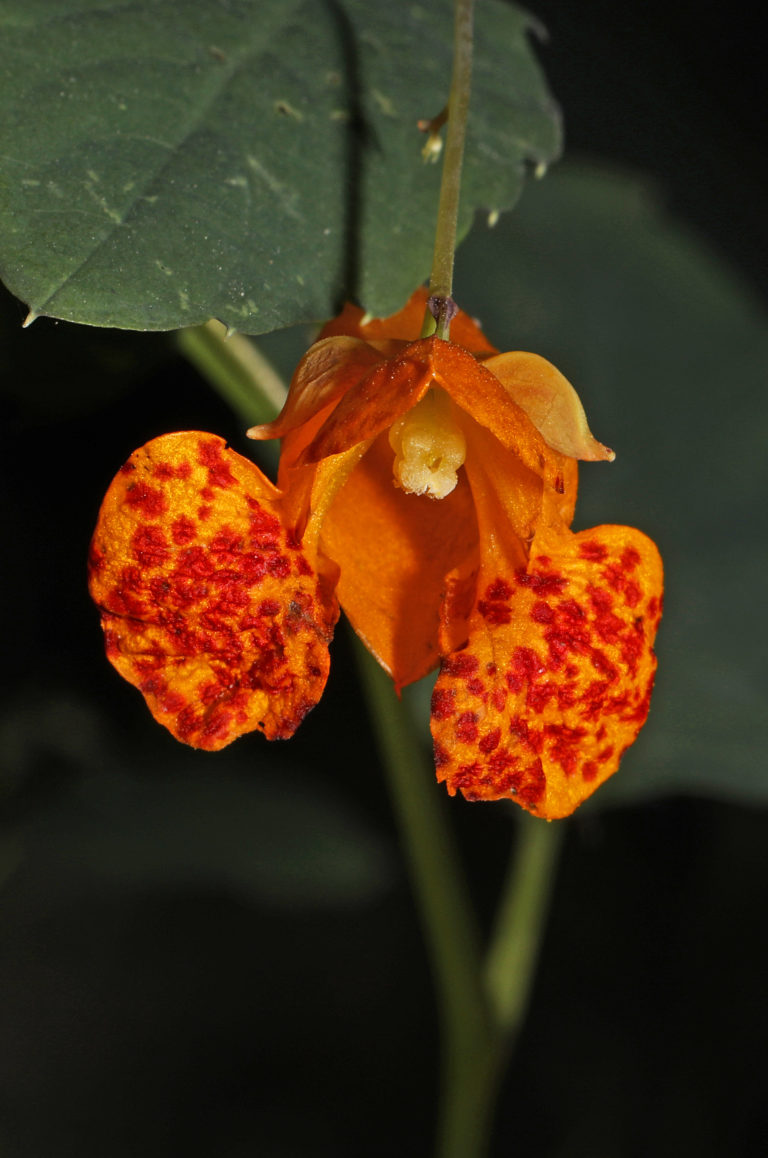
Key Facts
- Native orchid of eastern North America
- Single pink pouch shaped flower sits above two large basal leaves
- Grows in acidic, humus rich forest soils often under conifers
- Depends on mycorrhizal fungi at seedling stage and is hard to grow from seed
- Flowers appear in spring
- Prefers dappled or light shade in woodland settings
- Often found as solitary plants or small clonal colonies
- Wild plants are protected in some jurisdictions and should not be removed
Pink Lady’s Slipper is a native woodland orchid with a single pink pouch shaped flower above two broad basal leaves. It is valued for woodland spring interest and for slowly forming small clonal colonies where soil and shade suit it.
Identification
Plants reach about 4 to 12 inches tall with one slipper shaped pink bloom carried above two large basal leaves. Flowers appear in spring, often from April through June depending on latitude and local climate.
Where to grow and best uses
Best used in a naturalized woodland setting under conifers or a light mixed canopy where dappled shade and acidic humus rich soil are present. It works as a low spring accent or for adding native orchid interest to shaded plantings rather than as a formal groundcover.
Planting and spacing
Space plants roughly 6 to 12 inches apart to match their typical slow spread. Obtain nursery grown or flasked stock rather than removing wild plants. Follow supplier guidance for planting time and methods because seedlings and divisions are handled differently by growers.
Soil and watering
Grow in acidic, humus rich soil that stays moist to consistently moist yet drains. Soils that are alkaline, compacted or that dry out will cause poor growth or decline. In dry conditions leaves wilt and flowering falls off; in poorly drained soils plants also decline.
After flowering and seasonal care
Allow foliage to remain until it yellows and dies back so the plant can replenish its rhizome. Avoid heavy disturbance of the root zone and do not remove plants from wild sites where they are protected.
Propagation and legal notes
Seed requires a symbiotic mycorrhizal fungus or laboratory flasking and is difficult for most home gardeners. Division of established rhizomes is possible but slow. Wild plants are protected in some jurisdictions; verify local regulations before collecting or transplanting and prefer buying from reputable specialty growers.
Spread and naturalizing control
Spread is slow by creeping rhizomes and colonies expand gradually over years. Where it is established, control is usually passive and done by limiting new plantings rather than aggressive removal.
Frequently asked questions
- How fast does Pink Lady’s Slipper grow?
- Very slowly. Colonies expand gradually over years rather than forming fast groundcover.
- Can I grow it from seed?
- Not easily at home. Seed typically needs a specific fungal partner or laboratory flasking to germinate successfully.
- Can I transplant wild plants?
- Do not remove wild plants without confirming local laws. Transplanting wild specimens often fails and harms native populations.
- What soil does it prefer?
- Acidic, humus rich, well drained to consistently moist soils such as conifer duff or mixed woodland humus.
- Is Pink Lady’s Slipper hardy where I live?
- The species is commonly reported in USDA zones 3 to 7. Local performance varies with summer heat and moisture.
- Is it toxic to pets?
- There are no widespread listings of severe toxicity but do not ingest. Check an authoritative poison control source for definitive guidance.
Related Plants