
Key Facts
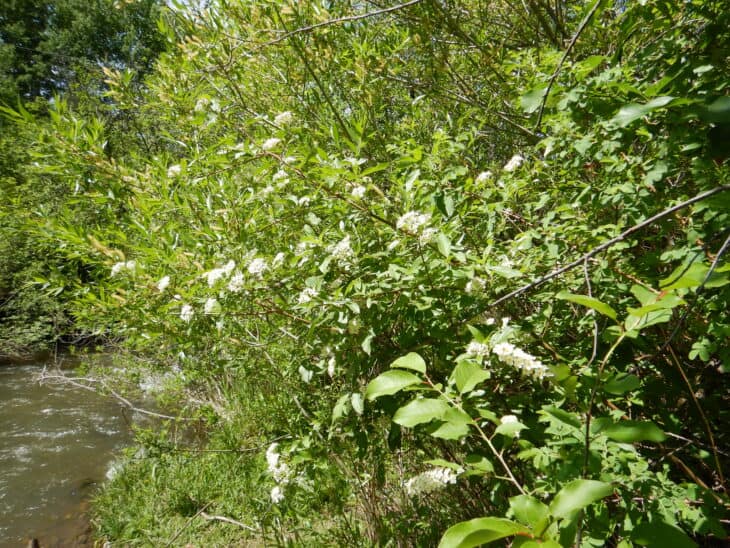
- Native North American shrub commonly found in wetlands and riparian areas.
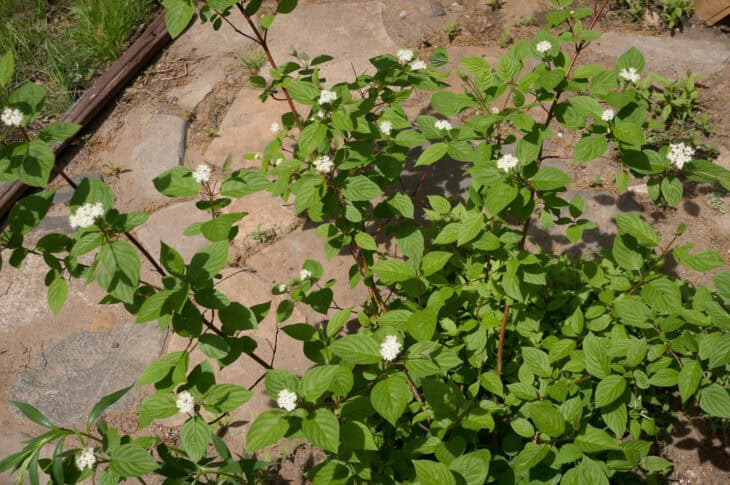
- Multi stemmed shrub that often forms colonies by root suckers.
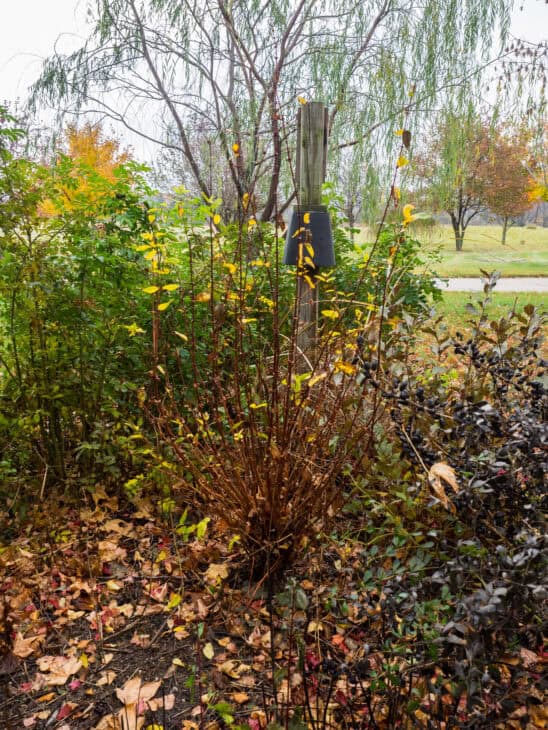
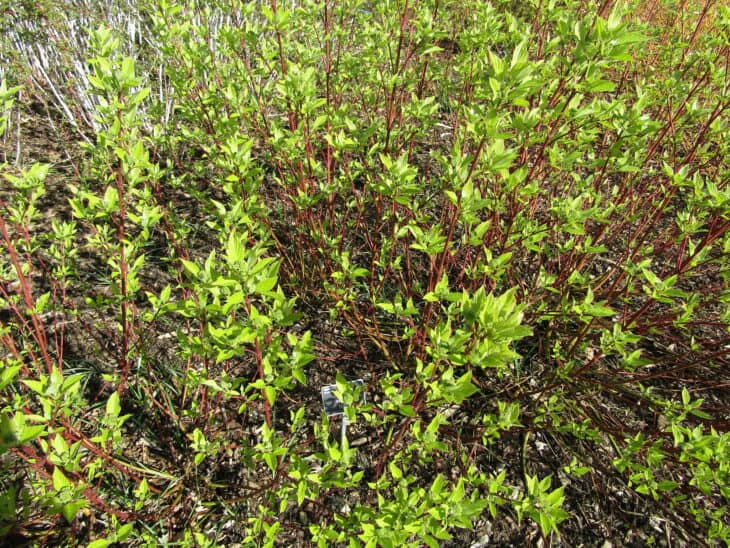
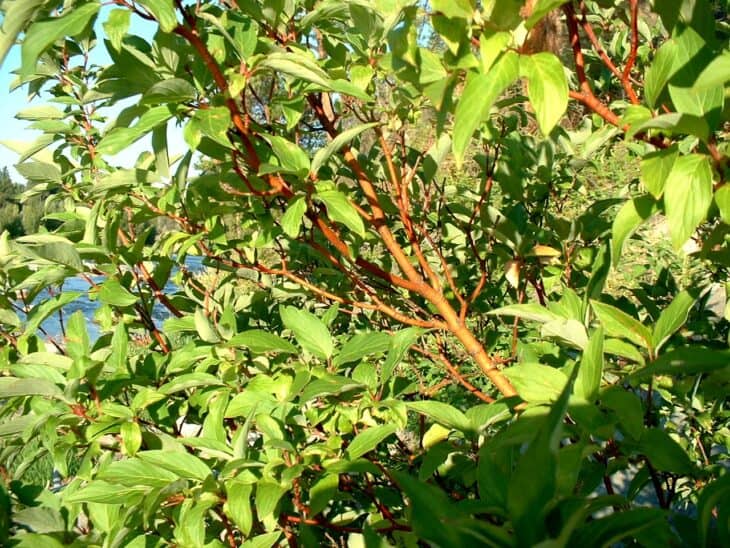
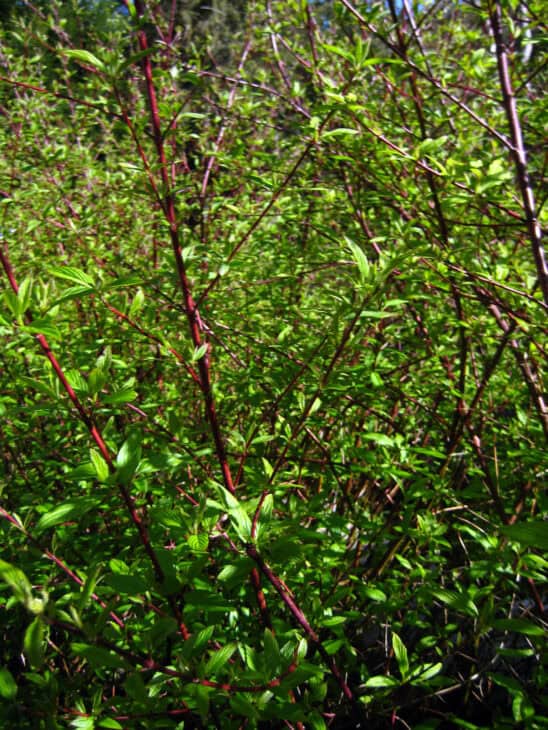
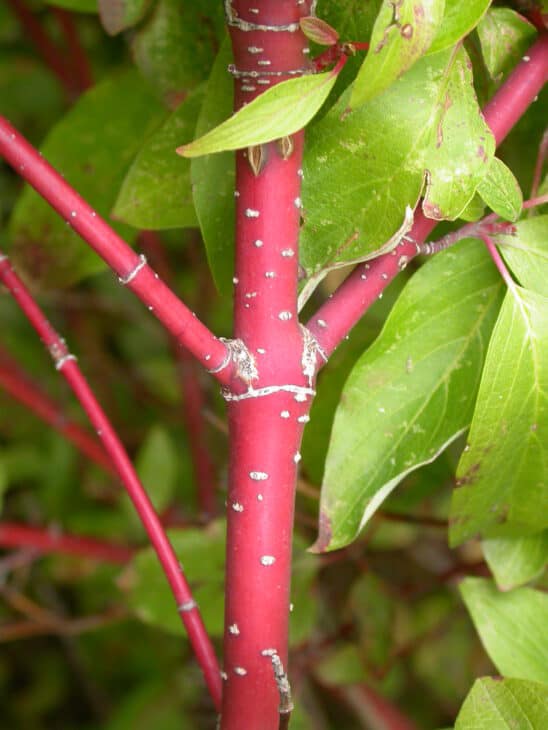
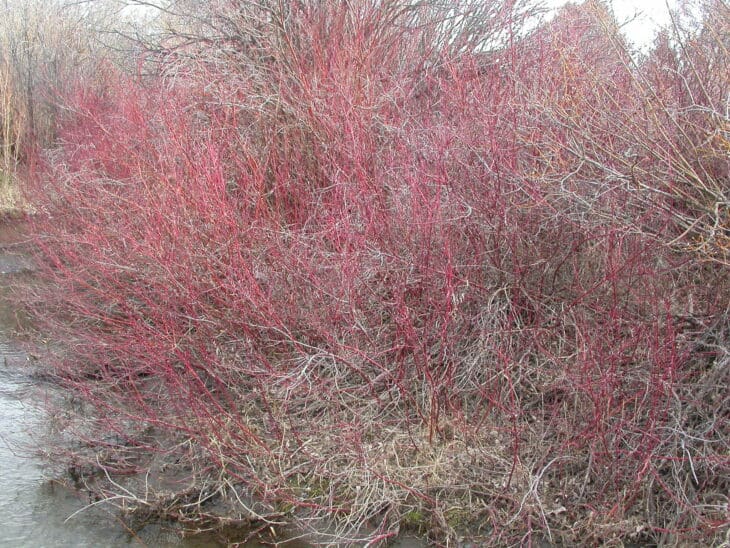
- Prominent red stems provide winter interest.
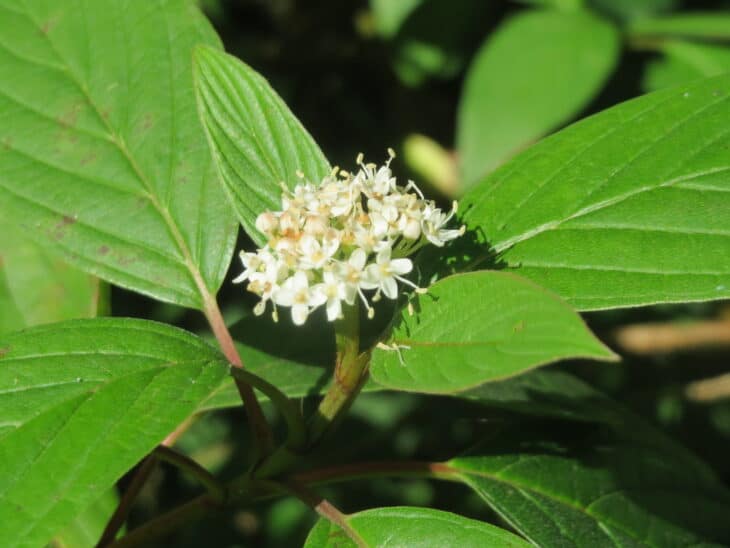
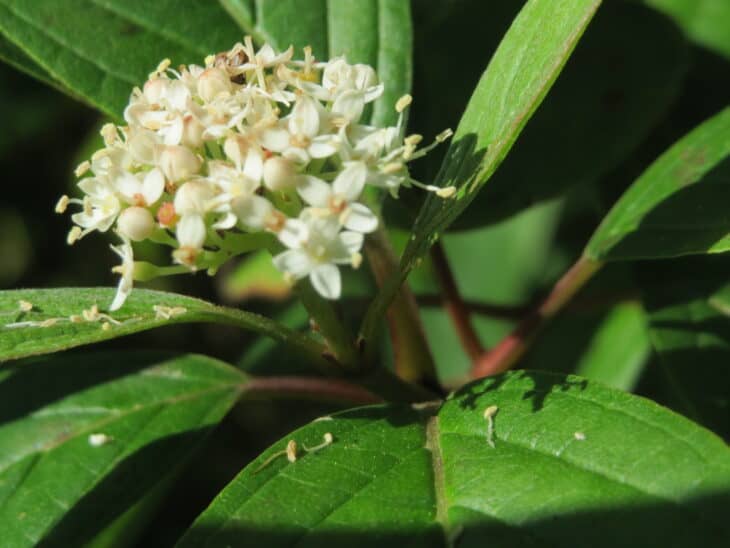
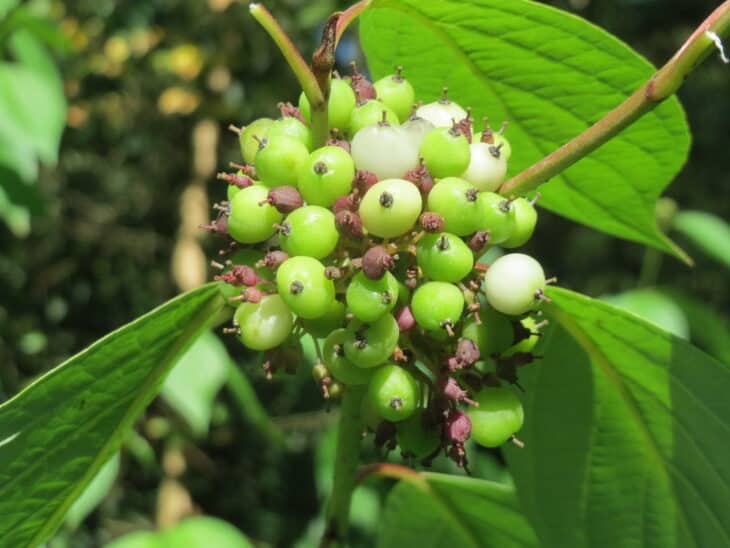
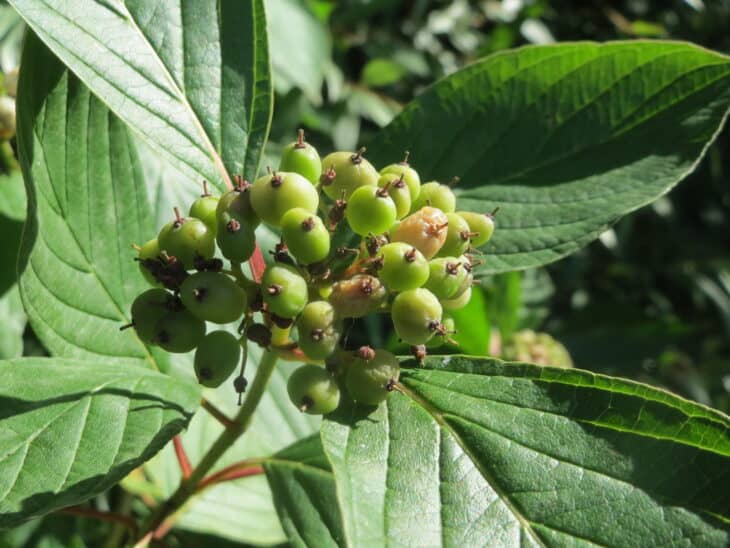
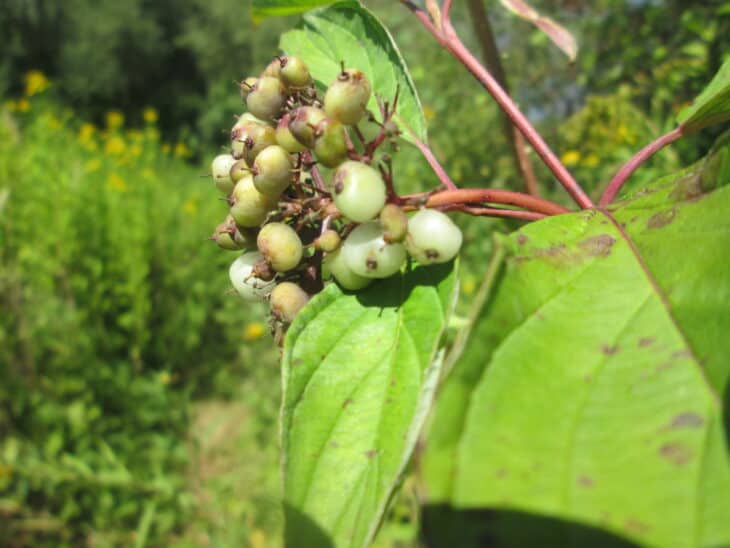
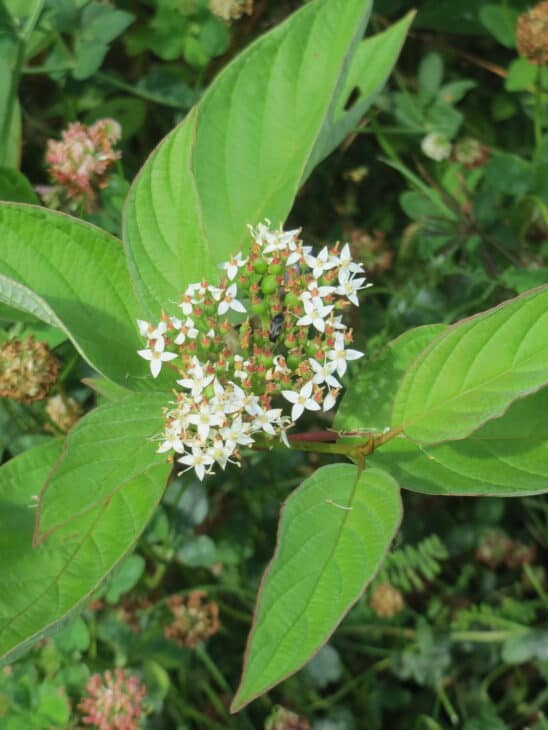
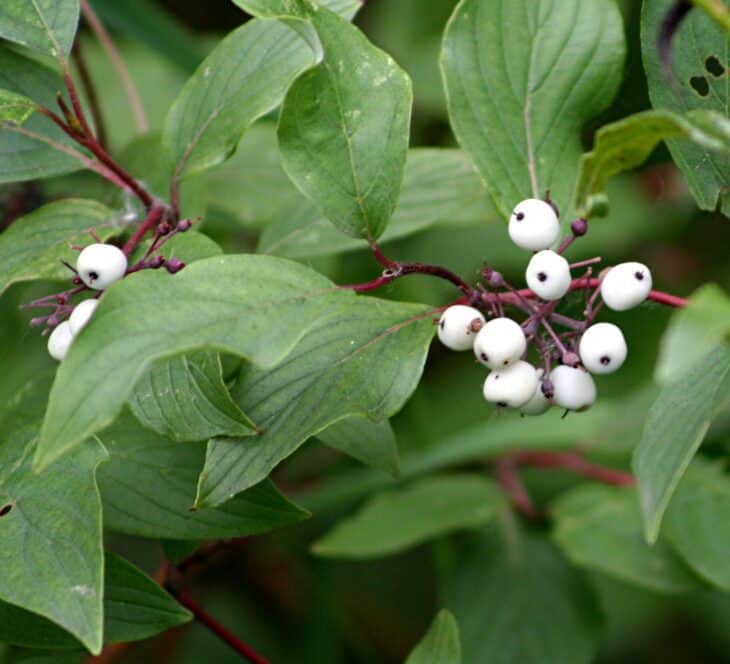
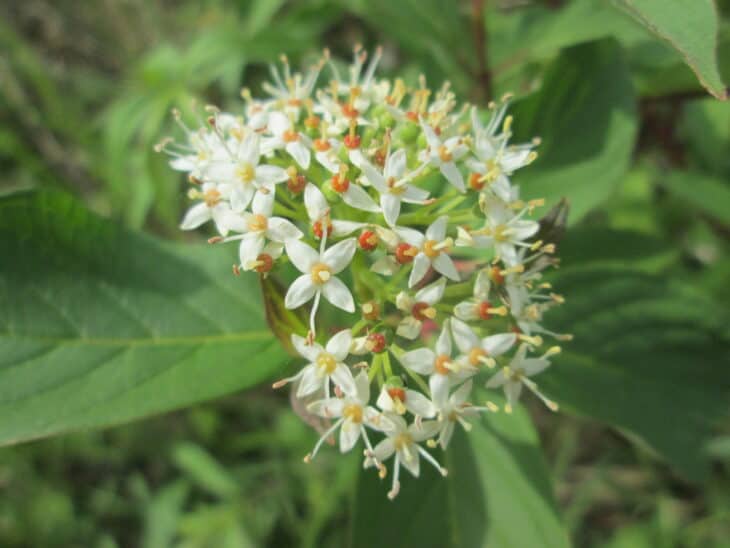
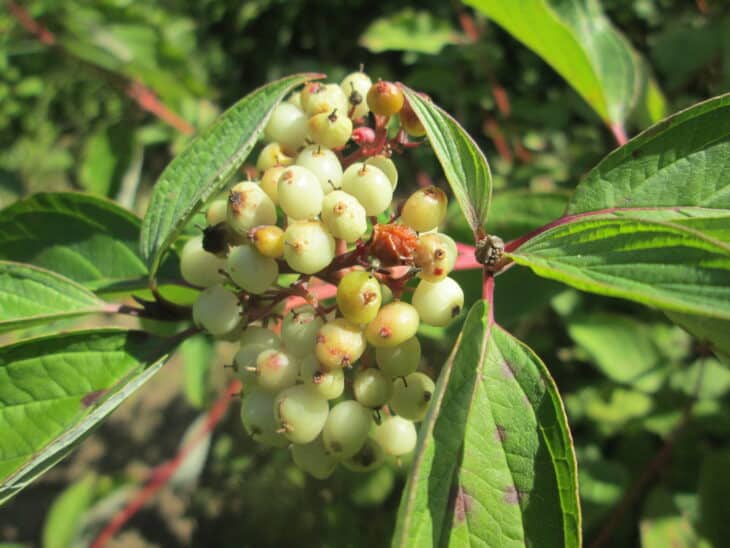
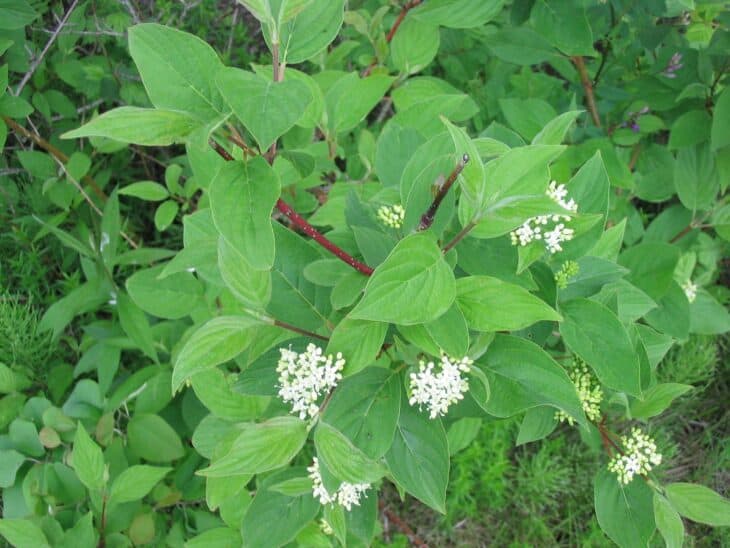
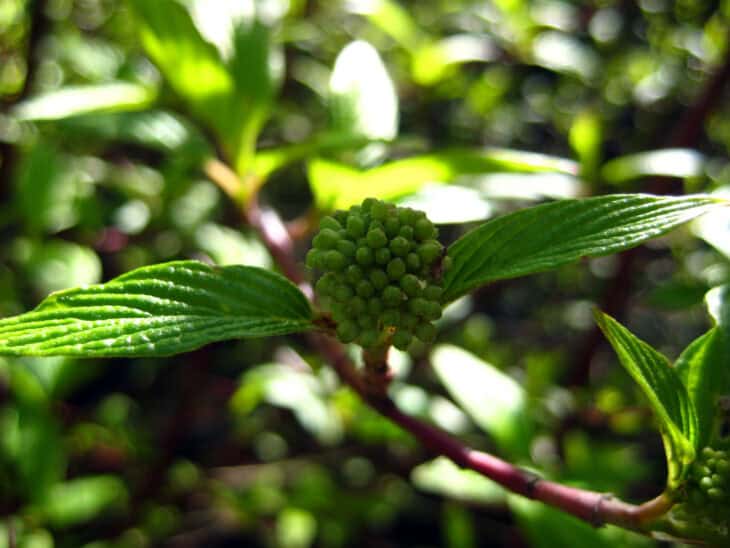
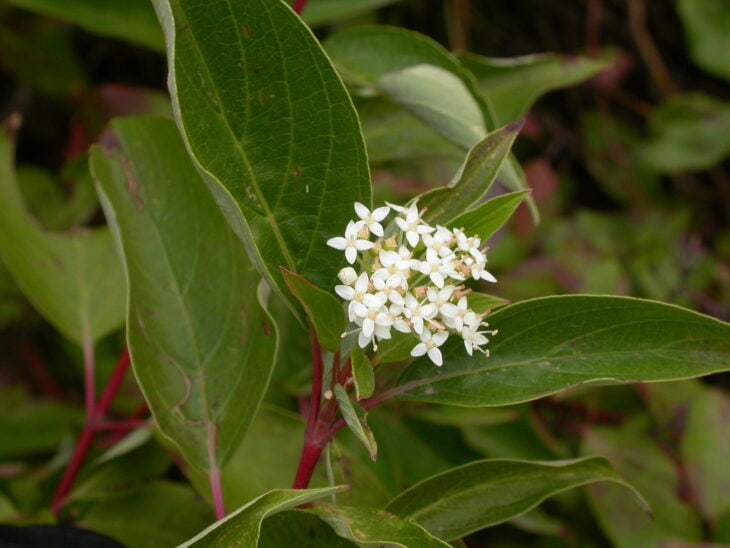
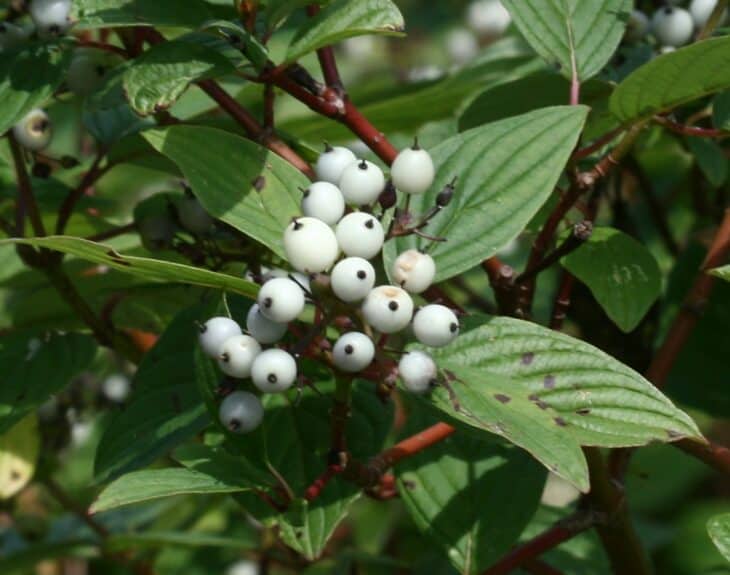
- White spring flowers attract pollinators and develop into berries eaten by birds.
- Tolerates saturated and seasonally flooded soils and is useful for erosion control.
- Pruneable to encourage bright new stem growth.
- Used in wildlife plantings and restoration for cover and food.
Redstem Dogwood (Cornus sericea) is a multi stem North American shrub prized for bright red winter stems and white late spring flowers that produce berries for birds. It thrives in moist soils and spreads by root suckers to form thickets, making it useful for wet‑site plantings and erosion control.
Identification
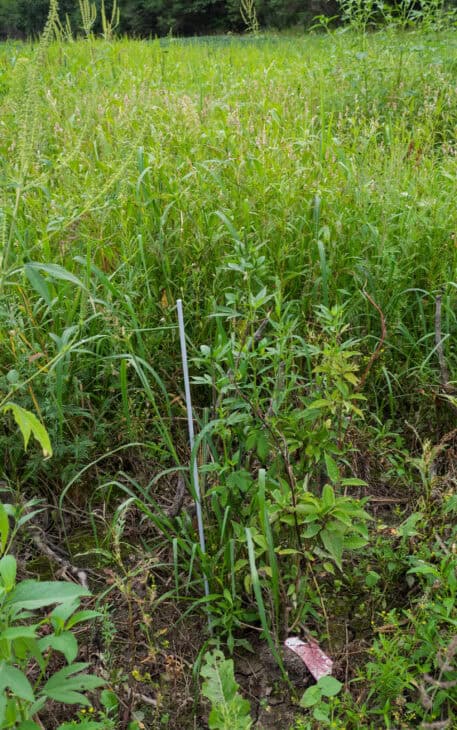
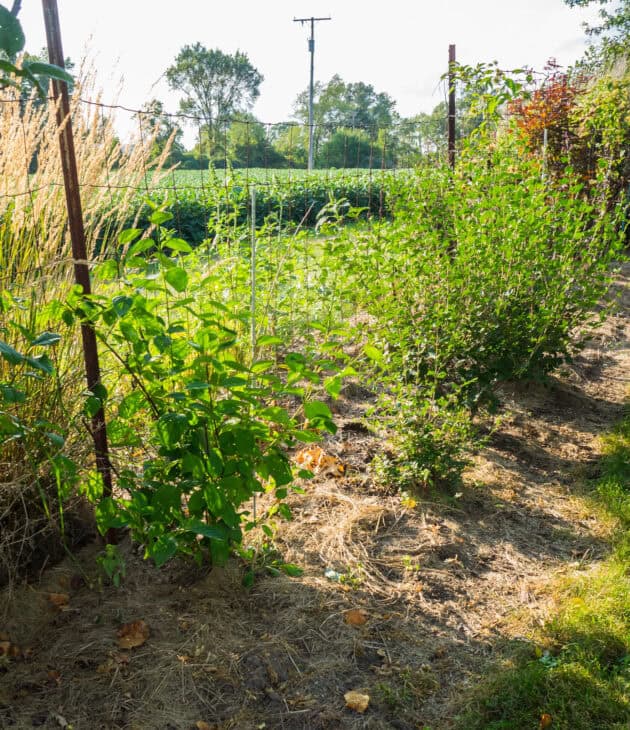
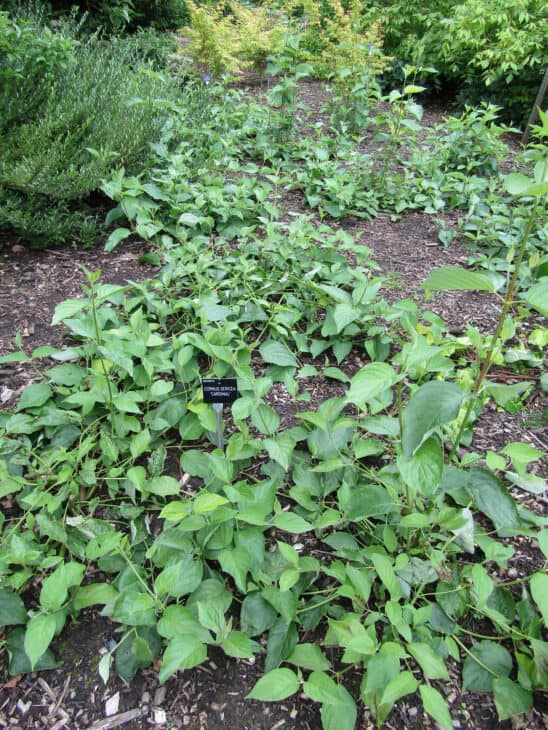
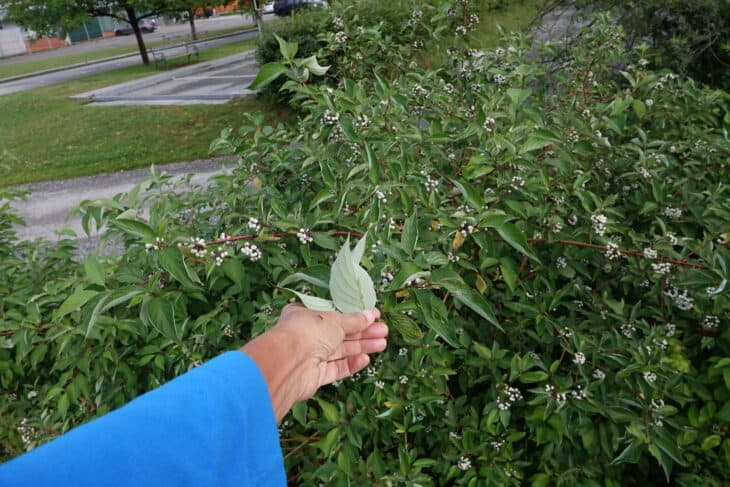
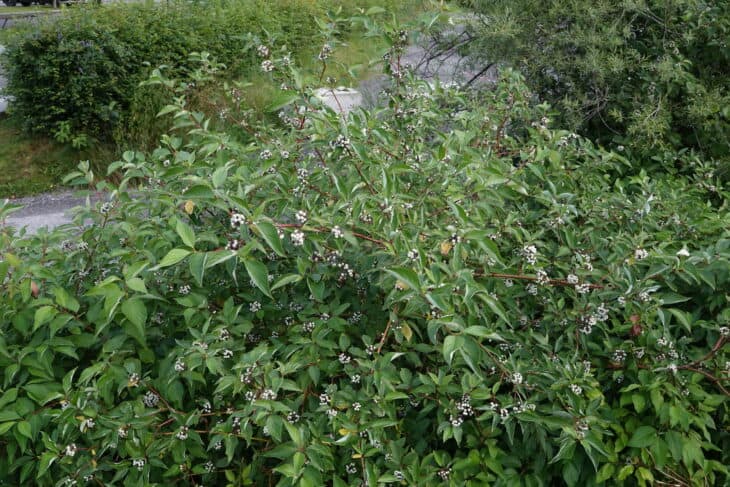
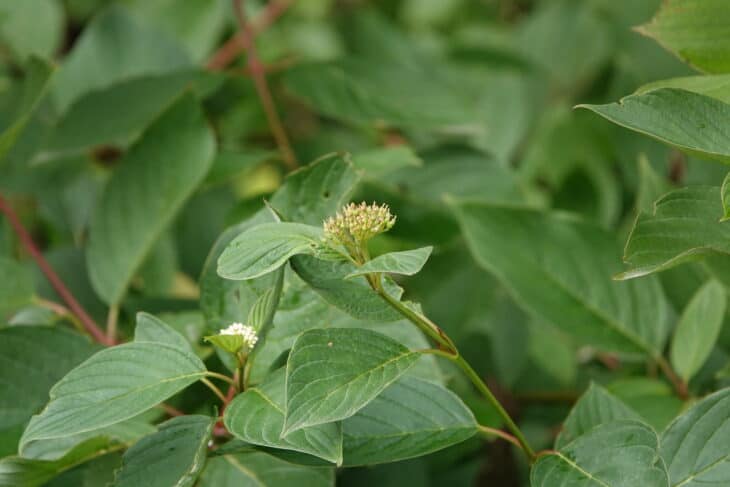
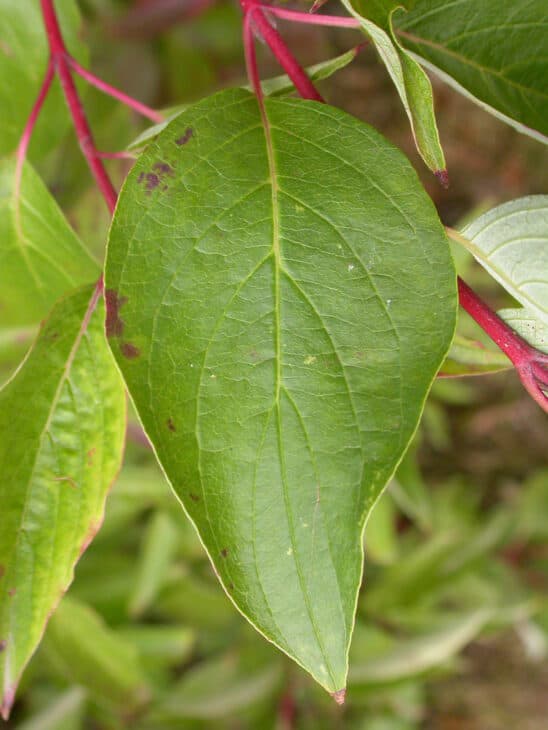
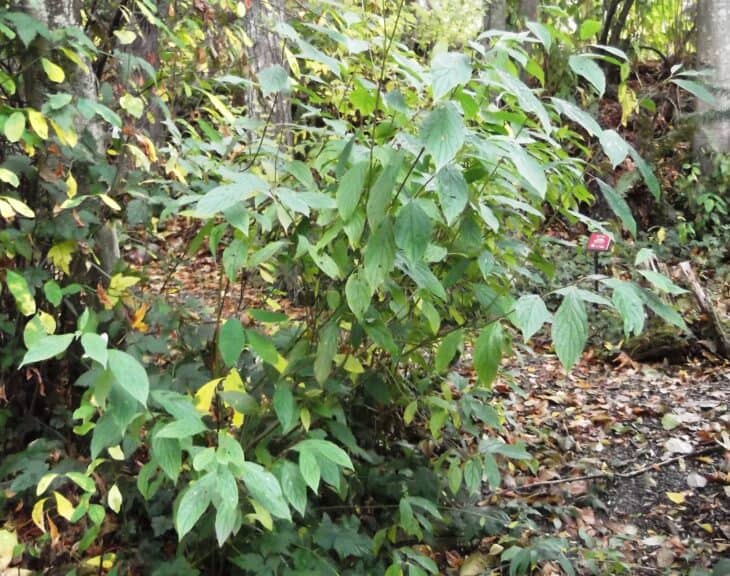
Redstem Dogwood is a multi stemmed shrub with striking red winter stems and clusters of white flowers that bloom in late spring. Typically 5 to 13 ft tall with a spread of 6 to 12 ft it often forms colonies by root suckering. Alternate names include red osier dogwood and red twig dogwood.
Best uses and where to grow
Use Redstem Dogwood for riparian buffers erosion control and wildlife plantings where soils remain moist. It tolerates saturated and seasonally flooded ground and performs best in full sun to part shade where flowering and stem color are strongest. It is hardy to USDA zones 2 to 7 and can be vigorous in wet fertile sites.
Planting and spacing
Space plants 6 to 12 ft apart to allow natural thicket formation or place farther apart for single specimen use. Set the root crown level with the soil and firm soil around roots to remove air pockets. Mulch to retain moisture on wet sites and avoid hot dry sandy locations for long term vigor.
Watering and soil
Prefers moist to wet soils and tolerates poorly drained or seasonally flooded ground. In rich consistently moist soils the shrub flowers well and shows best stem color. In dry hot or very sandy conditions plants show stress with reduced flowering and duller stem color. Excellent for slopes and streambanks where erosion control is needed.
Pruning and after flowering care
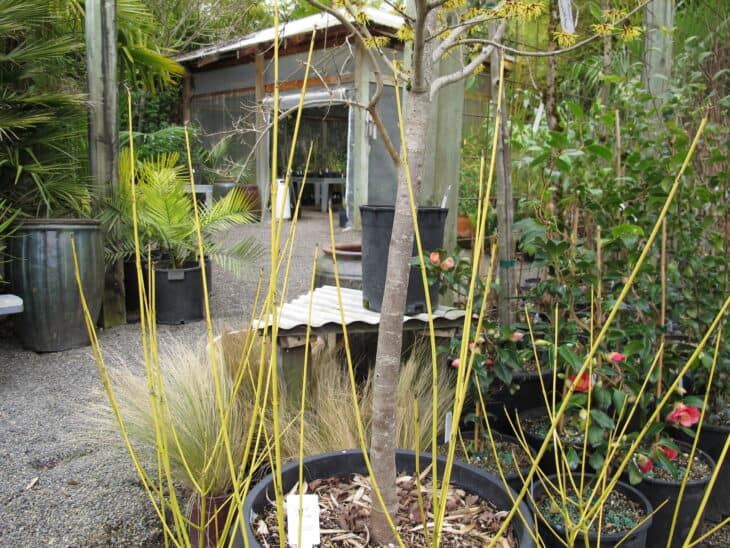
Redstem Dogwood responds well to pruning to renew bright new stems. Removing older woody stems to near ground level in late winter encourages vigorous new shoots with the best winter color. After flowering leave some fruiting stems for wildlife then thin crowded growth to improve air flow and shape.
Controlling spread and propagation
This species spreads by root suckers and can form dense thickets; regular removal of basal suckers or installation of root barriers limits colony spread. Propagate by softwood or hardwood cuttings division of suckering clumps layering or by seed. Division and cuttings produce clonal stock while seed may vary by local provenance.
Frequently asked questions
- How fast does Redstem Dogwood grow?
- Growth is moderate to fast under favorable moist fertile conditions and slower on dry exposed sites. Mature height typically ranges from 5 to 13 ft depending on site.
- When does Redstem Dogwood bloom?
- Flowering occurs in late spring, generally May to June in the Northern Hemisphere, though exact timing varies with latitude and local climate.
- Is Redstem Dogwood hardy?
- Yes it is hardy to USDA zones 2 to 7 though colder zones may produce slower growth and possible top dieback while hot dry sites can cause heat stress.
- Are the berries poisonous?
- Birds readily eat the berries and there are recorded traditional human uses. Authoritative sources disagree on human and pet toxicity so consult your regional poison control or the ASPCA for clinical guidance.
- How do I control suckering?
- Limit spread by regularly removing new basal suckers digging out unwanted shoots or installing root barriers. Routine pruning and thinning also reduce lateral spread and keep a tidy planting.
Gallery

Related Plants


Mentioned In (2)

Plants
11 Plants That Look Like Elderberry
The red or purplish-black drupe-shaped fruit of the elderberry makes a star ingredient for jelly or pie. With a current…
Trees
Pros And Cons Of Dogwood Trees
Dogwoods (Cornus spp.) are super popular ornamental trees that are native to the US. Horticulturalists have selectively bred them for…