
Key Facts
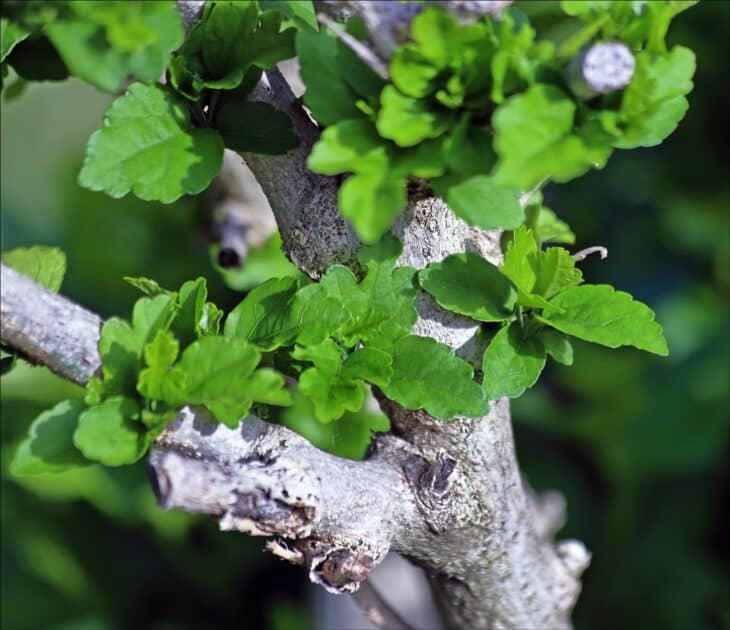
- Deciduous woody shrub in the mallow family.
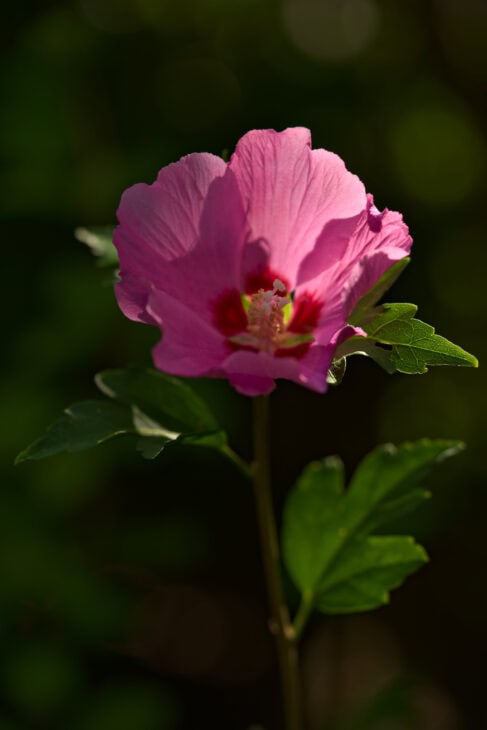
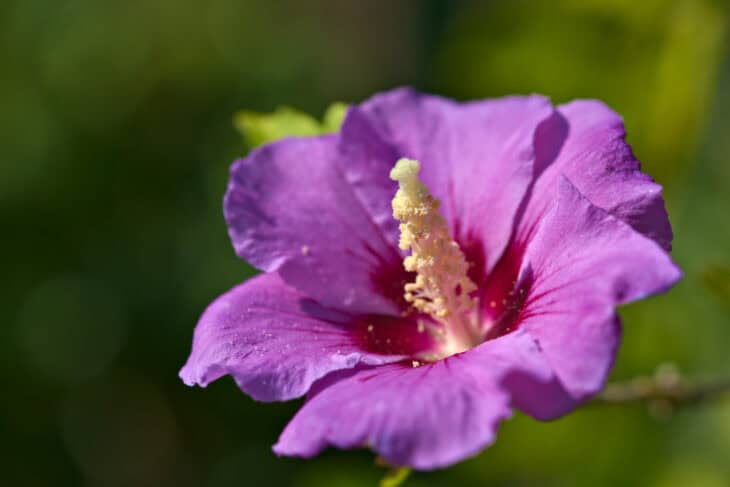
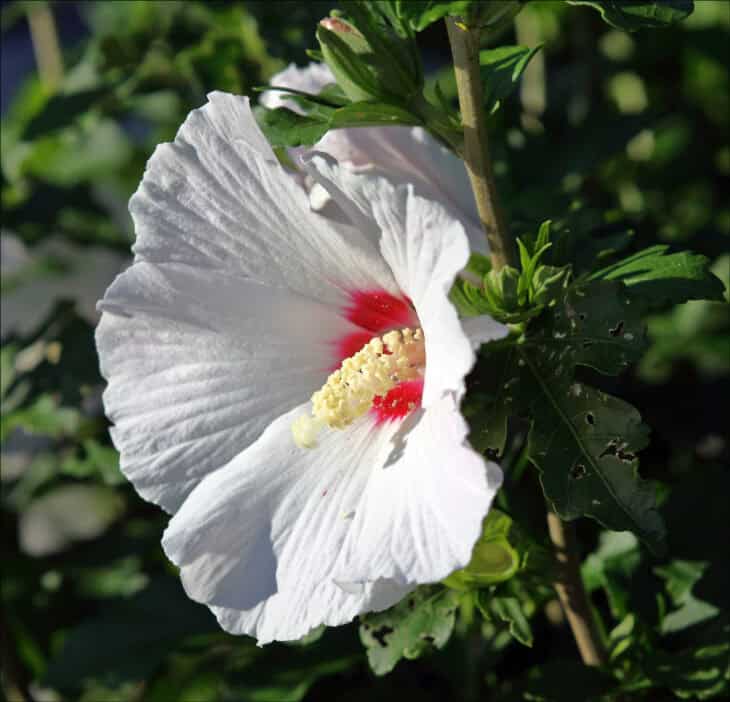
- Showy single or double flowers appear through summer into fall.
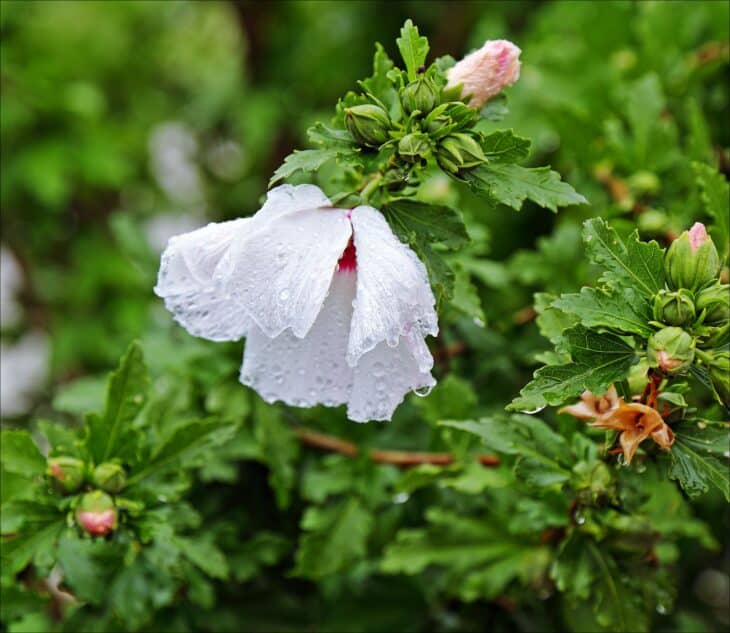
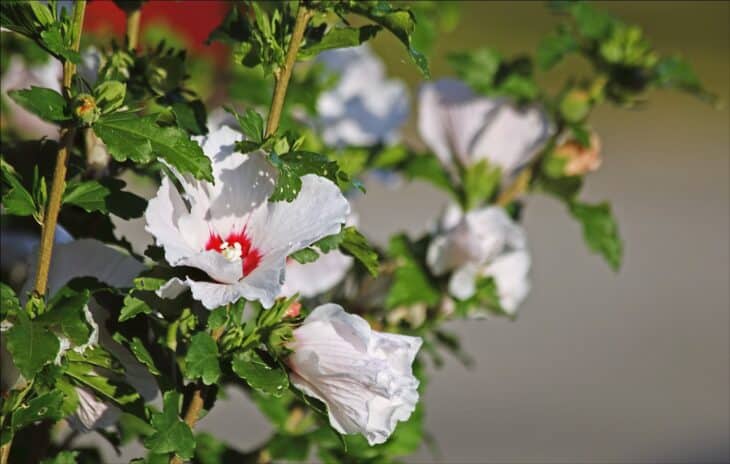
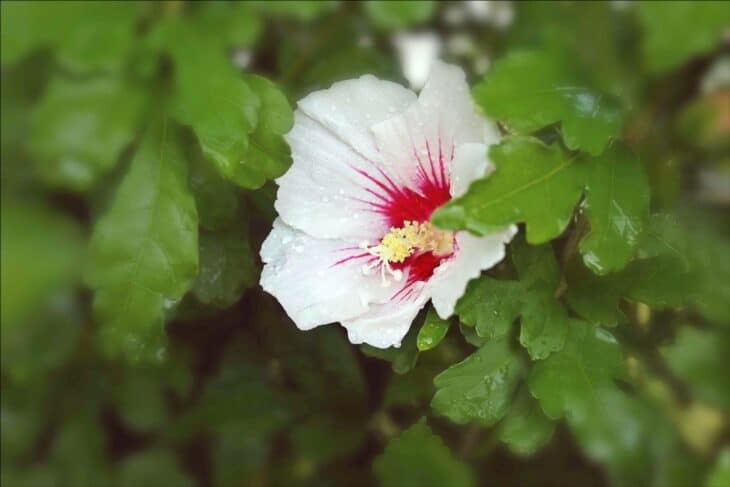
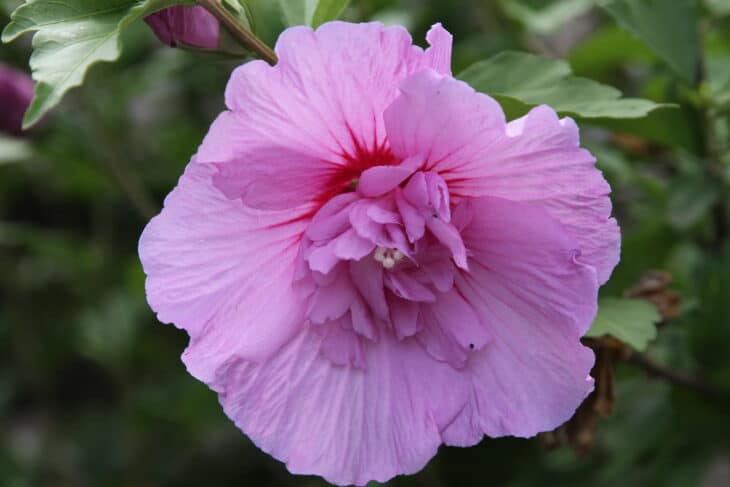
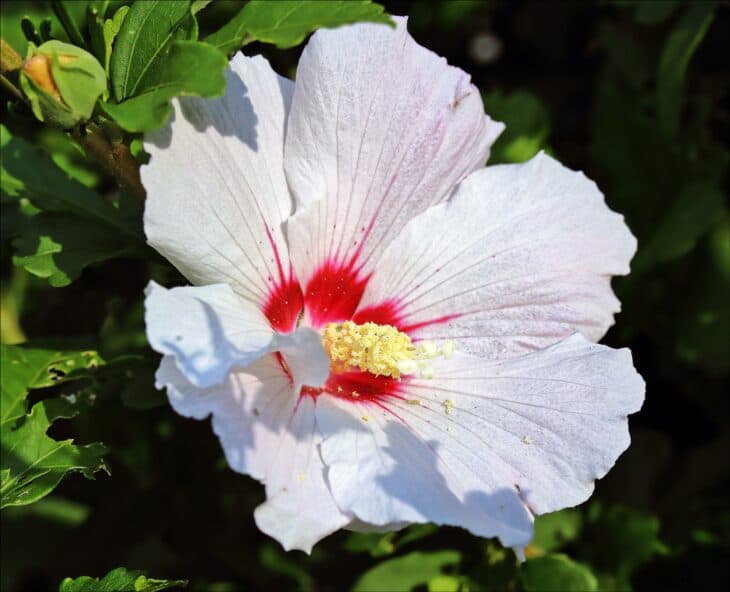
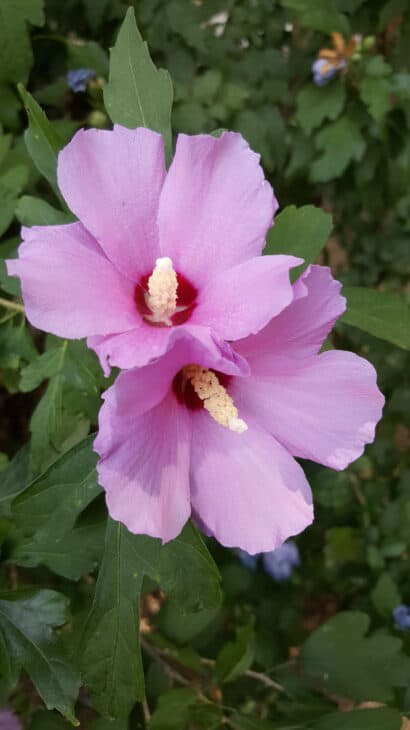
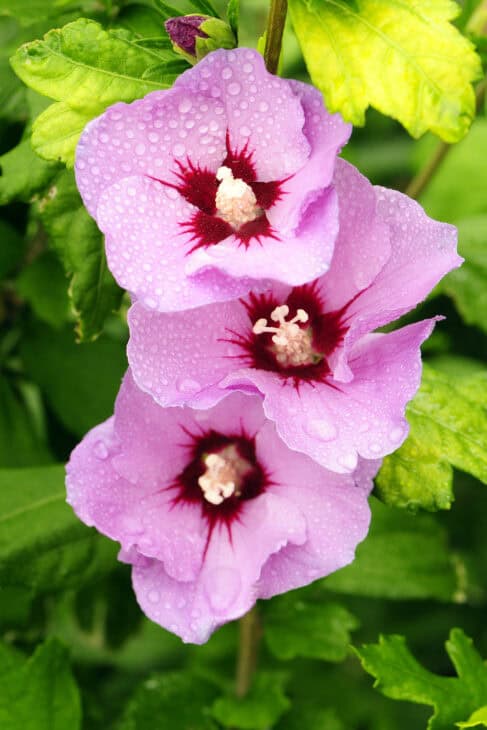
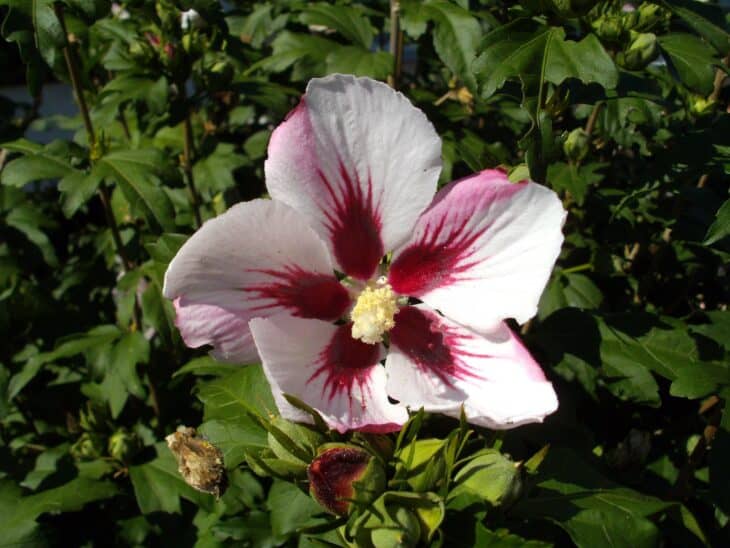
- Flowers come in white pink red lavender and bicolor forms.
- Tolerates a wide range of soils including clay and alkaline sites.
- Performs best in full sun and tolerates light afternoon shade.
- Responds well to hard pruning and is commonly used as a hedge or specimen.
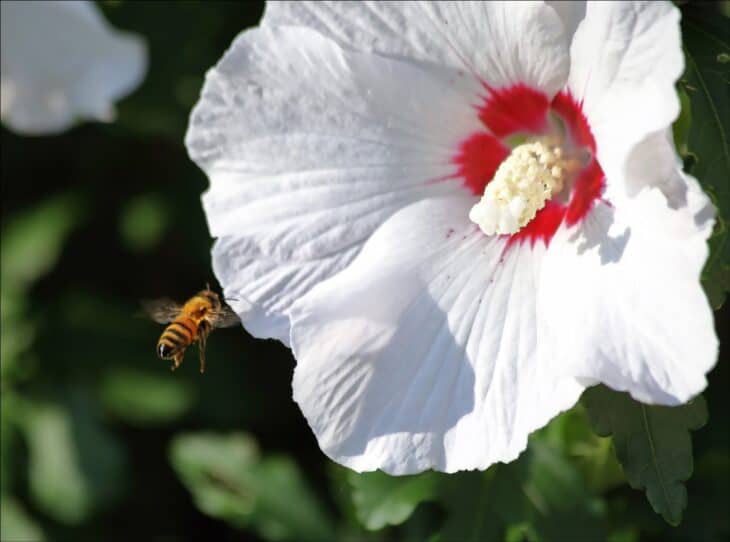
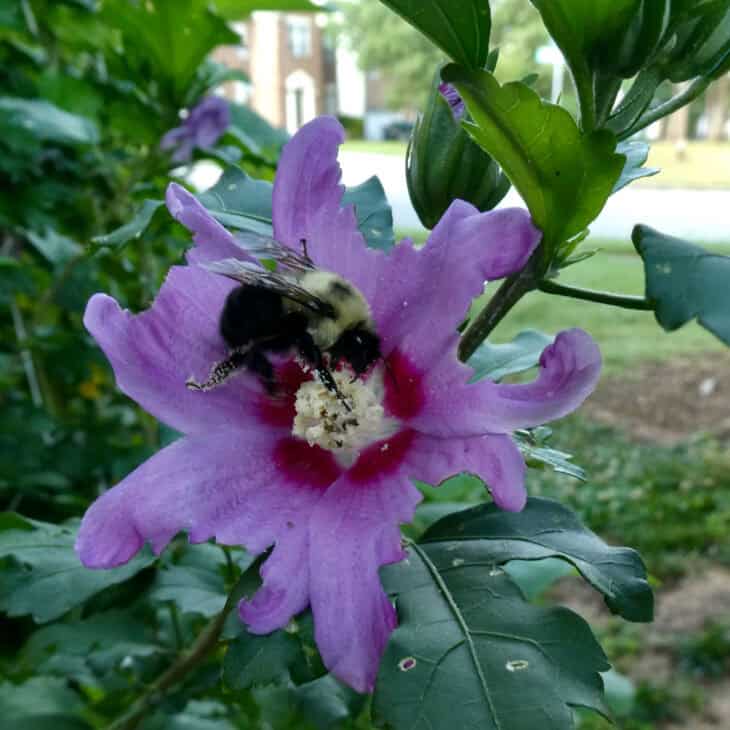
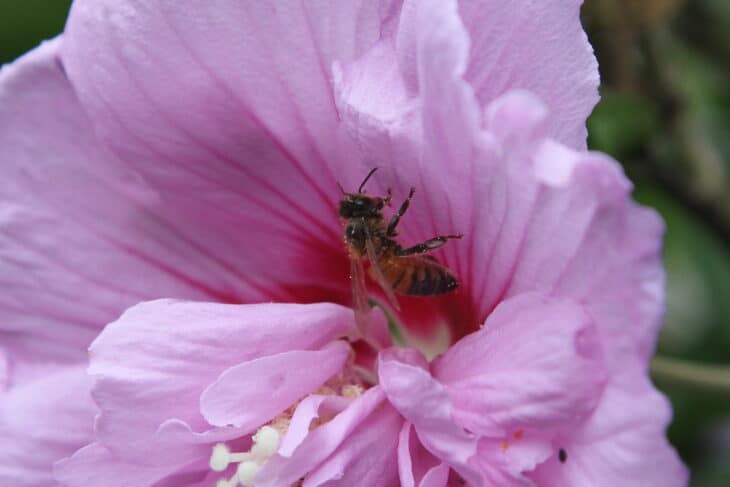
- Attracts pollinators including bees and hummingbirds.
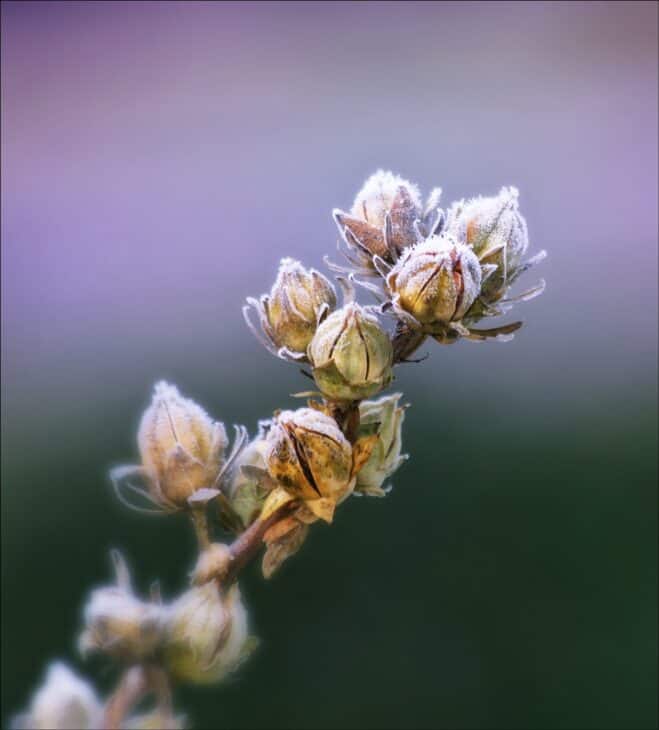
- Usually propagated by softwood or hardwood cuttings and by seed.
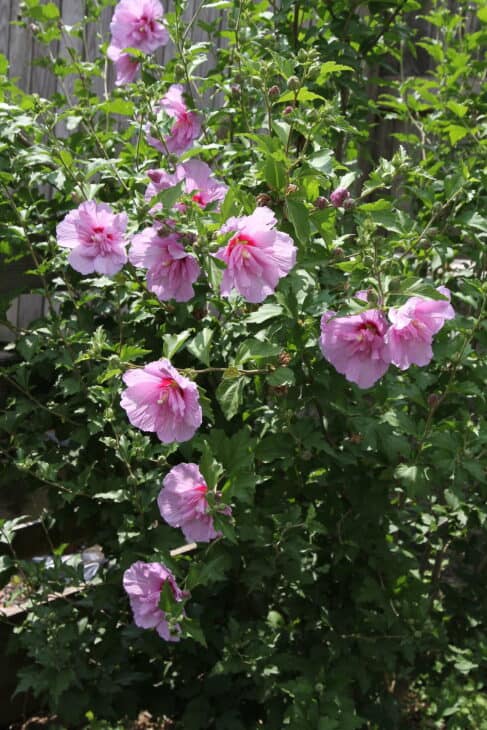
Rose of Sharon (Hibiscus syriacus) is a deciduous woody shrub in the mallow family prized for long summer into fall blooms and tolerance of varied soil conditions. Its 8 to 12 foot size and showy single or double flowers make it a common choice for hedges and standalone specimens that extend color late into the season.
Identification
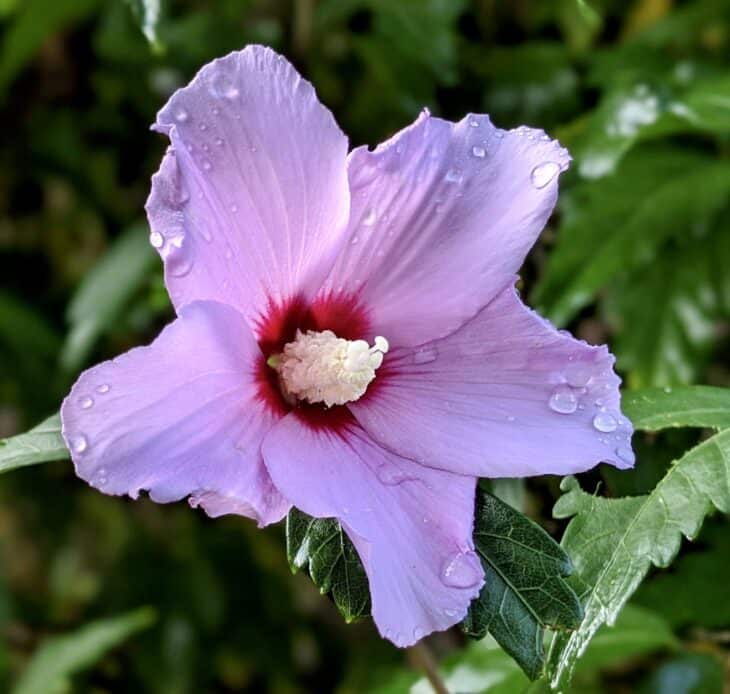
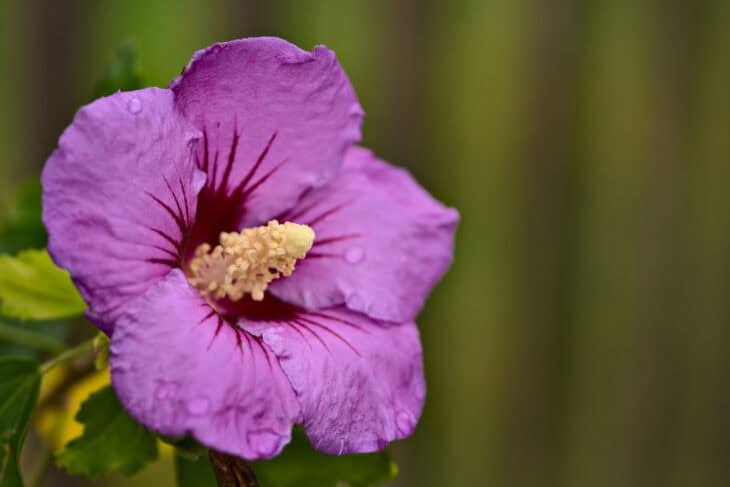
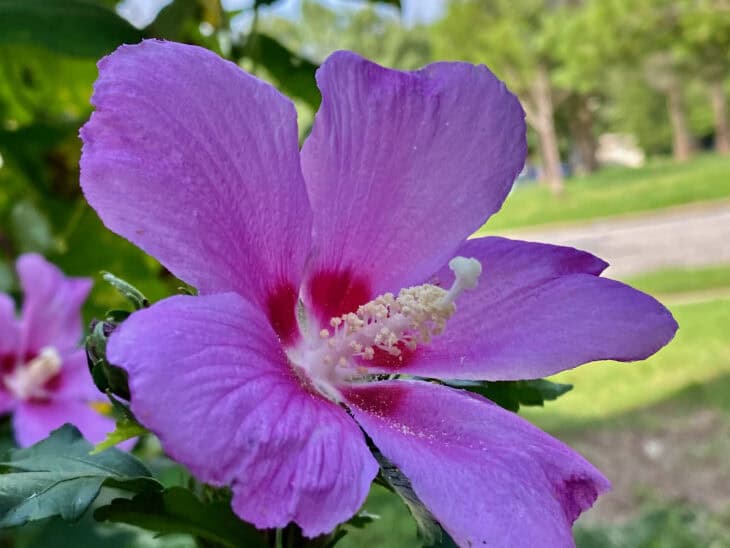
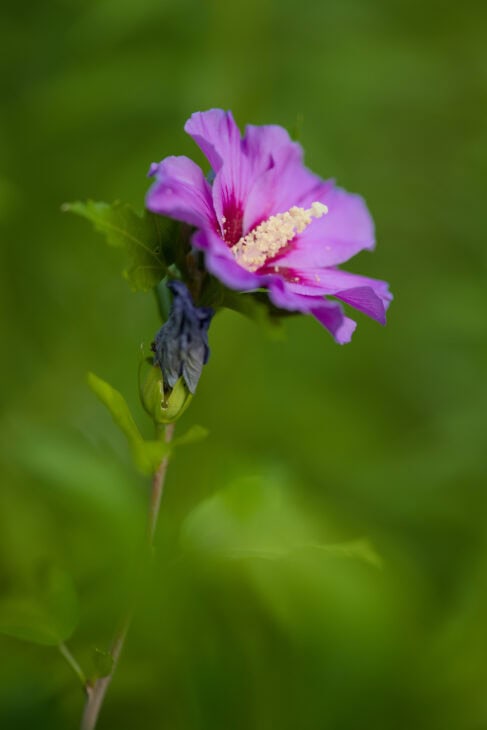
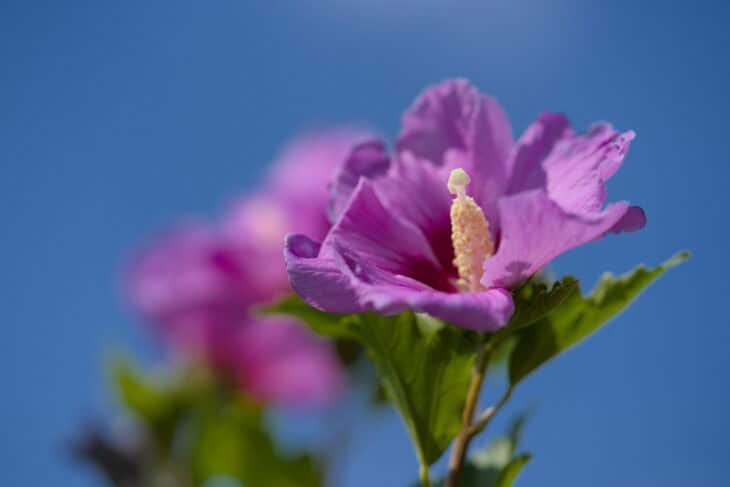
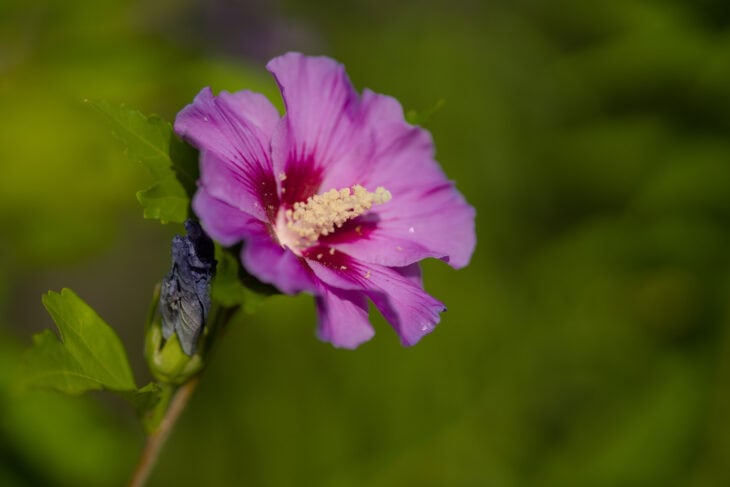
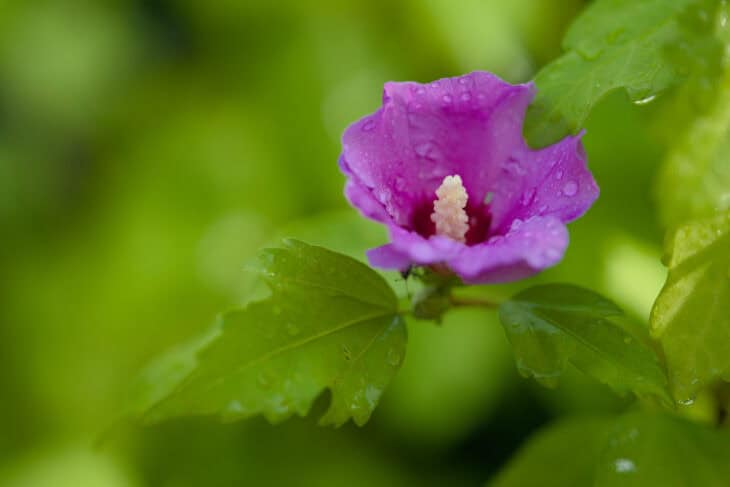
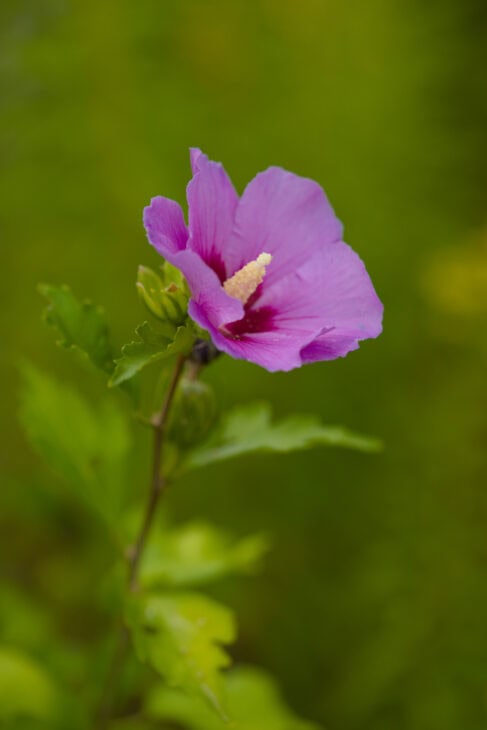
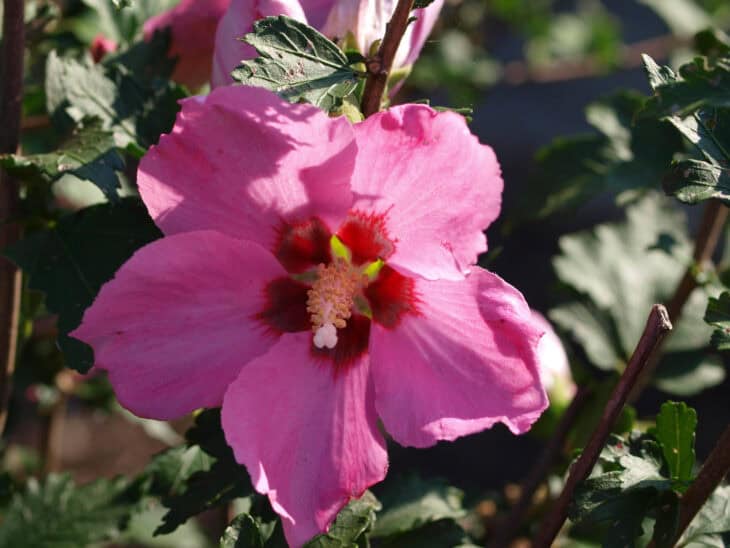
Medium to large shrub reaching about 8 to 12 feet tall and wide with a bushy habit. Flowers appear through summer into fall in single or double forms and in white, pink, red, lavender and bicolor varieties. Plants attract bees and hummingbirds and shed leaves in winter as a deciduous woody shrub.
Best places to grow and common uses
Performs best in full sun where flowering is strongest but tolerates light afternoon shade, which can help in hot climates. Tolerant of a wide range of soils including clay and alkaline sites so it works well as a formal hedge, informal screen or a specimen for mixed borders where late-season flowers are desired.
Planting season and spacing
Plant during a season when soil is workable in your area and avoid wet, frozen ground. Space plants roughly 8 to 12 feet apart to accommodate the typical mature spread and reduce competition. Planting depth should match the nursery container and avoid burying the crown in heavy soils that stay wet.
Soil, light and watering
Prefers well drained fertile to average soils but tolerates clay and alkaline pH. Avoid persistently wet, poorly drained sites because standing moisture can cause root decline and reduced vigor. Full sun promotes the best bloom and in very hot sites a little afternoon shade protects flowers from extreme heat.
Pruning and after-flowering care
Responds well to hard pruning and is commonly maintained as a hedge or rejuvenated specimen with severe cutting back. Regular pruning keeps width manageable and encourages vigorous fresh growth. Size and flowering depend on cultivar, rootstock and pruning regime, so prune to the framework you want and expect vigorous resprouting from cut stems.
Propagation
Propagate by softwood cuttings in summer or by hardwood cuttings in late winter. Seed propagation works for species plants but named cultivars often do not come true from seed. Timing and success rates vary by region, so try cuttings locally to find the best schedule for your climate.
Hardiness and safety notes
Generally hardy in USDA zones 5 to 9 with regional variation; colder sites can experience stem dieback to the crown with spring resprouting. Hibiscus species are listed as non toxic to dogs and cats by pet safety references, though ingestion can cause mild gastrointestinal upset and plant sap may irritate sensitive skin. Confirm with local poison control for specific concerns.
Frequently asked questions
- How fast does Rose-Of-Sharon grow?
- Growth rate varies by cultivar, soil and light. Plants commonly reach the typical 8 to 12 foot mature size over a number of years under favorable conditions.
- When does Rose of Sharon bloom?
- Blooms from midsummer into fall, often July through September in many temperate Northern Hemisphere locations, though exact timing varies by climate and season.
- Can I use Rose of Sharon as a hedge?
- Yes. It responds well to hard pruning and is frequently used as a hedge or screen; spacing plants about 8 to 12 feet apart matches the mature spread.
- How much sun does it need?
- Full sun produces the best flowering. It tolerates some shade but may flower less in shadier sites and benefits from light afternoon shade in very hot climates.
- Is Rose of Sharon safe for pets?
- Hibiscus species are generally listed as non toxic to dogs and cats, but ingestion can cause mild digestive upset and sap may irritate sensitive skin. Check local poison control for guidance in sensitive cases.
Gallery
Related Plants


Mentioned In (2)

Plants
13 Plants That Look Like Hibiscus, and How to Tell Them Apart
The plants that look most like hibiscus are its relatives in the mallow family: rose of Sharon (which is a…

Plants
12 Plants That Look Like Hollyhocks (and How to Tell Them Apart)
Most plants that look like hollyhocks are its relatives in the mallow family (Malvaceae): the mallows (Malva), tree mallow, marshmallow,…