
Key Facts
- Evergreen to semi-evergreen shrub or small tree native to the southwestern United States and northern Mexico.
- Typically forms multi-stemmed thickets or low, spreading crowns on rocky slopes.
- Leaves are small, leathery and often have a netlike venation.
- Produces acorns that provide food for wildlife.
- Highly drought tolerant and adapted to well drained, rocky or alkaline soils.
- Wind pollinated with inconspicuous catkin flowers in spring.
- Resprouts from the base after topkill and can form dense clonal stands.
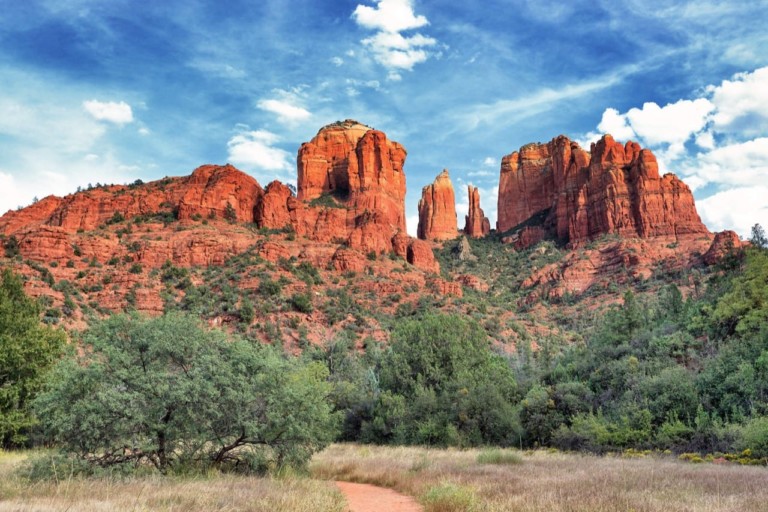
Shrub Live Oak is an evergreen to semi evergreen shrub or small tree native to the southwestern United States and northern Mexico. It forms low, spreading crowns or multi stemmed thickets on rocky slopes and offers drought tolerance where many shrubs struggle.
Identification and key traits
Shrub Live Oak grows 3 to 15 feet tall and often spreads as wide as it is tall. Leaves are small, leathery and sometimes show netlike veins. The species produces acorns that feed wildlife and wind pollinated catkin flowers appear in spring. Plants commonly resprout from the base after topkill and can form dense clonal stands.
Where to use it in the landscape
Use this oak for dry sunny slopes, native plantings, wildlife hedges and erosion control where drought tolerance and low maintenance are priorities. It performs well on rocky or alkaline soils but is not suited to sites that remain wet. The informal habit works for naturalistic borders rather than formal clipped hedges.
Soil light and hardiness
Prefers well drained rocky, sandy or loamy soils and tolerates alkaline conditions. Best form and acorn production occur in full sun but it will grow in light shade. Estimated USDA hardiness is zones 6 to 9 which reflects its native Southwest range, although local performance varies with provenance and microclimate.
Planting and spacing
Plant where drainage is good and avoid heavy clay that holds water. Individual plants commonly reach 3 to 12 feet across so space specimens roughly the same distance apart to allow natural form and to limit aggressive thicketing. Set root crown level with surrounding soil and avoid deep planting that can cause decline.
Watering and routine care
Once established Shrub Live Oak is highly drought tolerant and needs little irrigation. Excessive watering or poor drainage reduces vigor and increases root rot risk. Keep young transplants watered until they establish, then reduce frequency so roots adapt to dry conditions typical of its native habitat.
Pruning, after flowering care and spread control
Prune to shape or remove damaged wood during dormancy. The species resprouts readily from the crown after topkill so repeated cutting can encourage thicket formation. Control naturalizing by removing new basal sprouts promptly and by monitoring clonal spread where a tidy border is required.
Propagation and container culture
Propagate by seed from mature acorns and by coppicing or root sprouts in the field. Cuttings are possible but often slow to root. This oak is best planted in the ground on well drained sites; long term container culture is generally impractical for plants expected to reach multi stemmed shrub size.
Toxicity notes
Acorns and young foliage contain tannins and can be toxic to livestock if eaten in large quantities. Ingestion may cause gastroenteritis in pets or livestock. Treat toxicity advice as a general Quercus caution and consult local extension or poison control for species specific guidance.
Frequently asked questions
- How fast does Shrub Live Oak grow?
- Growth is generally slow to moderate and highly dependent on site. Plants often remain compact on harsh rocky sites and can reach the typical shrub size range of 3 to 15 feet in favorable conditions.
- Is Shrub Live Oak drought tolerant?
- Yes. The species is highly drought tolerant once established and is adapted to dry, well drained rocky or sandy soils.
- Will it form dense thickets?
- Yes. It commonly resprouts from the base after topkill and can form dense clonal stands so monitor and remove basal sprouts if you need to prevent thicketing.
- Can I grow it in clay soil?
- It performs poorly in heavy poorly drained clay. Choose a site with good drainage or amend soil to improve porosity before planting.
- Do the acorns attract wildlife?
- Yes. Acorns are a valuable food source for wildlife but can pose a risk to livestock if consumed in quantity.
Gallery

Related Plants


Mentioned In (3)

Oak
5 Types of Oak Trees in New Mexico
Located in the heart of the gorgeous and vast American Southwest, New Mexico is a large and diverse state. Even…
Oak
9 Types Of Oak Trees in Arizona
Arizona's climate ranges from low to subtropical deserts to the coldest mountain, ultimately determining which trees are most adapted to each region.…

Oak
76 Types of Oak Trees in North America (foliage photos)
Because of all the forests in North America, you can find just about every tree you can think of if…