
Key Facts
- Native to southeastern Australia.
- Evergreen shrub or small tree.
- Produces bright yellow spherical flower heads in winter and spring.
- Commonly used for screening and cut flowers.
- Tolerant of coastal exposure and poor soils.
- A legume that forms nitrogen fixing root nodules.
- Fast growing under favorable conditions.
Silver Wattle is an evergreen Australian shrub or small tree prized for its bright yellow spherical flower heads in winter and spring and its usefulness for screening and cut flowers. It grows quickly in the right sites and tolerates coastal exposure and poor soils, though it needs well drained ground.
Identification
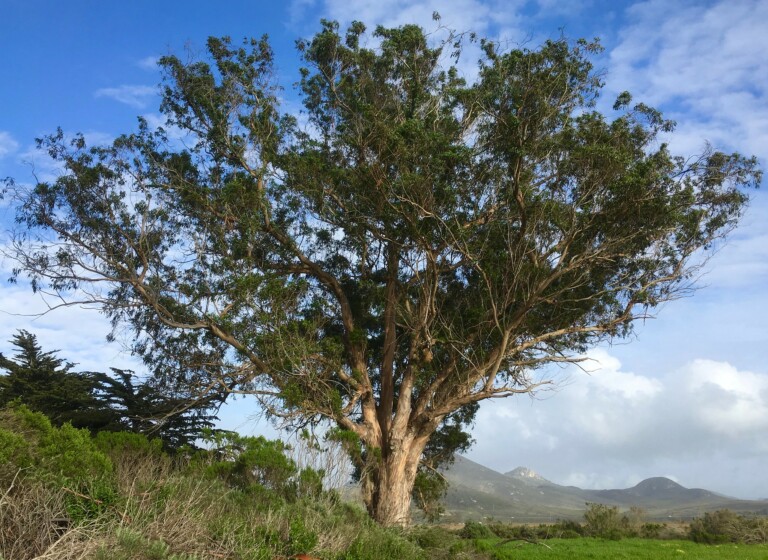
Silver Wattle is an evergreen shrub or small tree that typically reaches 2 to 6 meters high with a similar multi stemmed spread of about 2 to 4 meters. It produces bright yellow spherical flower heads mainly in winter and spring and is a legume that forms nitrogen fixing root nodules.
Where to grow and best uses
Grow Silver Wattle in full sun to light shade where a fast growing screen, informal hedge or source of cut flowers is wanted. It tolerates coastal exposure and low fertility and suits well drained sandy to loamy soils. Hardiness is inferred as USDA zones 9 to 11, so verify local cold tolerance before planting in cooler areas.
Planting and spacing
Plant into well drained soil and choose a sunny spot for best flowering. Space trees 2 to 4 meters apart for a screening planting; closer spacing gives a denser screen but requires more pruning. Avoid sites with poor drainage because waterlogged soil increases the risk of root failure.
Soil and watering
Silver Wattle prefers well drained sandy to loamy soils and tolerates poor fertility and coastal salt exposure. Water young plants regularly until established. Once established plants tolerate dry, exposed sites but will decline if kept in waterlogged heavy clay, so avoid overwatering and improve drainage where needed.
After flowering and pruning
Flowering occurs in winter and spring, with stems commonly cut for floristry. Remove spent flowering stems and prune lightly to maintain shape and encourage fresh growth. Heavy pruning into old wood can reduce regrowth, so manage size with regular formative cuts and remove persistent suckers when they appear.
Propagation
Seed is the most reliable method. Acacia seed often needs scarification or hot water treatment to germinate reliably. Semi hardwood cuttings can root but are slower, and layering or using suckers provides clonal material for reproducing a selected form. Follow standard seed pre treatment for best results.
Managing spread and control
Silver Wattle can be fast growing under favorable conditions and forms a multi stemmed habit useful for screening. Control its spread with timely pruning and by removing suckers at the base. Monitor young plants and clear seedlings if you do not want natural regeneration in adjacent beds.
Frequently asked questions
- How fast does Silver Wattle grow?
- It is described as fast growing under favorable conditions and commonly reaches 2 to 6 meters in height, with a similar spread.
- Is Silver Wattle frost hardy?
- It tolerates light frost and is generally suited to mild temperate coastal climates. Hardiness is inferred as USDA zones 9 to 11, so check local guidance for borderline areas.
- When does Silver Wattle flower?
- Flowers mainly in winter and spring. Exact timing varies by local climate and hemisphere, with southern hemisphere blooms typically mid year through spring and northern hemisphere blooms roughly in the opposite months.
- Can I grow Silver Wattle from seed?
- Yes. Seed usually needs scarification or a hot water treatment to improve germination. Commercial propagation often prefers seed over cuttings for reliable results.
- Is Silver Wattle suitable for coastal gardens?
- Yes. It tolerates coastal exposure and poor soils, making it a good choice for seaside planting where drainage is adequate.
Related Plants


Mentioned In (1)
Plants
7 Plants That Look Like Eucalyptus
Eucalyptus trees have a distinctive fragrance that is easily recognizable but can be tricky to identify visually. There are several…