
Key Facts
- Native broadleaf evergreen tree from the western United States.
- Member of the beech family Fagaceae and produces acorns.
- Acorns are an important food source for wildlife but are high in tannins.
- Flowers are small catkinlike inflorescences that appear in spring.
- Prefers cool, acidic, well drained soils and coastal to near inland sites.
- Susceptible to sudden oak death caused by Phytophthora ramorum.
- Often used in native plantings and forest restoration where disease risk is low.
Tanoak (Lithocarpus densiflorus) is a west coast broadleaf evergreen valued in native plantings for wildlife and forest restoration but it can face disease risks in some areas. It provides acorns and a broad shady crown where site conditions remain cool and well drained.
Identification and size
Tanoak is an evergreen tree with leathery leaves and a rounded crown. Flowers appear in spring as small catkinlike clusters and the tree produces acorns that feed wildlife. Mature trees typically reach 30 to 80 feet tall with a crown spread commonly between 20 and 60 feet depending on site moisture and exposure.
Best uses and planting locations
Use tanoak as a specimen or in native woodland and restoration planting where a long lived broadleaf evergreen is desired. It performs best in coastal and near inland sites with mild winters and can form a substantial canopy in open settings. Avoid hot exposed inland sites for young trees.
Soil light and watering
Plant tanoak in cool, moist and well drained acidic soils. It tolerates rocky and coarse soils but declines on waterlogged or strongly alkaline ground. Young trees establish more reliably with some shelter from hot afternoon sun. Poor drainage leads to visible decline and slow growth.
Planting and establishment
Plant nursery stock or fresh acorns on a site with good drainage and partial shade to sun. Fall and winter plantings help roots establish in mild climates where soil stays cool and moist. Avoid moving plants or soil from areas known to carry forest pathogens to reduce disease spread.
After flowering care and maintenance
After spring bloom focus on maintaining soil moisture without waterlogging and on removing dead or damaged branches. Tanoak usually needs only light pruning to shape the crown or remove hazards. Mulch over the root zone to retain moisture and moderate soil temperature.
Diseases and pests
Tanoak is susceptible to sudden oak death caused by Phytophthora ramorum and disease risk influences where it should be used. Do not move plant material from infected areas and consult local forest health authorities before sourcing trees for restoration. Choose low risk sites when possible.
Propagation and restoration use
Propagation is primarily by fresh acorn sowing and by buying nursery grown transplants. Vegetative methods have limited success. Tanoak is commonly used in native plantings and forest restoration where Phytophthora risk is low and local guidelines allow planting.
Wildlife and spread
Acorns provide seasonal food for wildlife and help natural regeneration in forest settings. The tree is native and not considered invasive in its range. Monitor natural seedlings if you want to limit volunteer spread in managed landscapes.
Frequently asked questions
- How fast does Tanoak Trees grow?
- Growth rate varies by site. In cool moist coastal locations trees reach maturity more quickly and develop broad crowns. In drier inland sites growth is slower and trees remain smaller.
- What USDA zones are suitable for tanoak?
- Tanoak is generally suited to USDA zones 7 through 9 where winters are milder and coastal conditions prevail. Verify local recommendations before planting.
- Is tanoak susceptible to sudden oak death?
- Yes tanoak can be affected by Phytophthora ramorum. Do not move plants or soil from infected areas and check local forest health advisories before sourcing material.
- How is tanoak propagated?
- Propagation is mainly by fresh acorn sowing and by buying nursery transplants. Vegetative propagation is limited so seed and nursery stock are the common routes.
- Can tanoak be used in restoration projects?
- Yes tanoak is frequently used in native plantings and restoration when disease risk is low and local guidelines allow it. Consult restoration guides for local best practices.
Mentioned In (1)
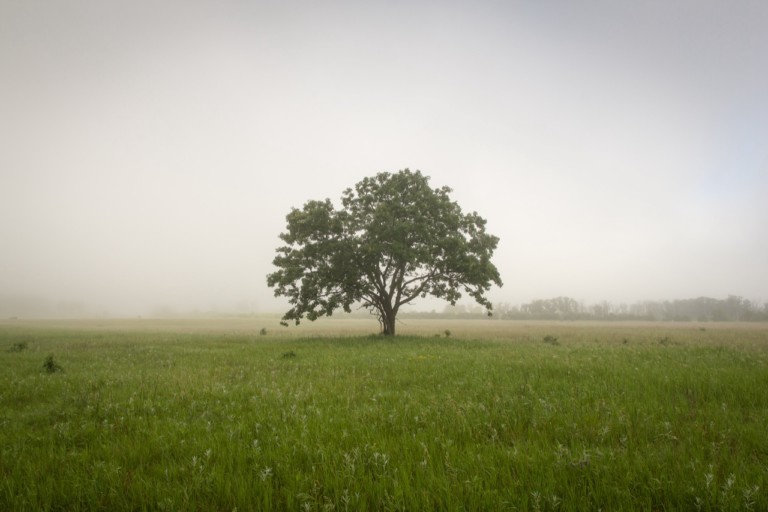
Oak
7 Trees Similar To Oak
Of the approximately 60 thousand species of trees found globally, oak trees are numbered in the most incredible and important.…