Key Facts
- A fig species in the genus Ficus native to tropical or subtropical regions
- Produces fig structures rather than showy flowers
- Contains a milky sap that can irritate skin and mucous membranes
- Often grown as an outdoor tree in warm climates and as a container or houseplant in cooler areas
- Prefers well drained, fertile soils but tolerates a range of soil textures
- Does best in full sun to part shade depending on site and climate
- Easily propagated by semi hardwood cuttings and by air layering
Umbellata Plant is a fig in the genus Ficus often grown as an outdoor tree in warm climates and as a container or houseplant in cooler areas. It produces figs rather than showy flowers and exudes a milky sap that can irritate skin.
Identification and habit
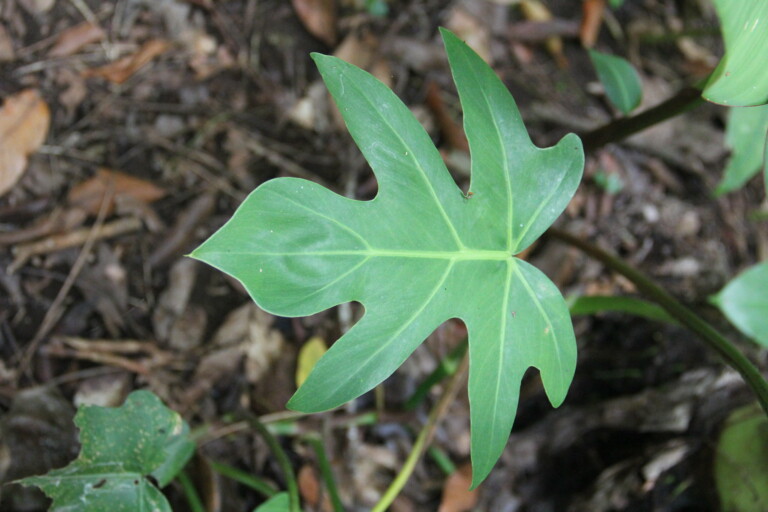
Umbellata Plant is recorded as Ficus umbellata and shows the typical fig habit of hidden flowers and rounded fruiting structures. Leaves and exact growth form vary with climate and cultivar, so visual identification is best confirmed with a local botanical reference.
Where to grow and best uses
Grow Umbellata Plant outdoors in frost free landscapes within USDA zones 10 to 11, or keep it in a container and move it indoors in cooler areas. It works well as a small to medium landscape tree or as a specimen container plant, though site selection should allow room for roots and canopy to develop in warm climates.
Planting and soil
Plant in fertile, well drained soil. The species tolerates a range of soil textures including heavier soils when drainage is improved. Avoid waterlogged sites because saturated soil can lead to root decline and poor health.
Light and watering
Provide full sun to part shade outdoors and bright indirect light indoors. Keep young plants protected from the hottest afternoon sun in very warm locations. Water to establish consistent moisture, but reduce watering where drainage is poor to prevent root problems.
Containers and indoor care
Umbellata adapts to container culture when soil and light needs are met. Use a free draining potting mix and move the container indoors before any frost. Growth slows in cooler indoor conditions, and bright light helps maintain leaf color and vigor.
Propagation
Propagate by semi hardwood cuttings or by air layering. Seed propagation depends on viable figs and the species specific fig pollination biology, so seeds are not the most reliable method for home propagation.
Cautions and toxicity
The plant produces a milky sap that can irritate skin and mucous membranes. Ingestion can cause oral or gastrointestinal upset in pets. Wear gloves when pruning and clean tools and skin promptly after contact. Verify species specific toxicity with local poison control or veterinary sources if household pets or children are a concern.
Frequently asked questions
- How fast does Umbellata Plant grow?
- Growth rate varies with climate, soil fertility and watering. In warm, frost free conditions and fertile soil it establishes and grows faster, while growth slows in containers and cooler climates.
- Can I grow Umbellata Plant in a pot?
- Yes. It adapts well to containers when given free draining potting mix and bright light. Move pots indoors before frost in cooler regions.
- Is Umbellata Plant toxic to pets?
- The milky sap can irritate skin and the plant may cause oral or digestive upset if eaten by pets. Confirm details with a veterinarian or poison control source for your area.
- What is the best soil for Umbellata Plant?
- Fertile, well drained soils are preferred. It tolerates a range of soil textures but will decline in waterlogged conditions.
- How do I propagate Umbellata Plant?
- Use semi hardwood cuttings or air layering. Seed propagation depends on fig pollination and is less straightforward for home growers.
Related Plants