
Key Facts
- A vining evergreen succulent that is often grown as a hanging or climbing houseplant.
- Leaves are fleshy and glossy and may be oval to oblong depending on cultivar.
- Produces clusters of star shaped waxy flowers that are often fragrant.
- Prefers bright indirect light and increased light helps flower set.
- Needs a very free draining potting mix with good aeration.
- Likes humidity and warm indoor temperatures and is not frost tolerant.
- Easily propagated by stem cuttings and by air layering.
- Generally considered non toxic to cats and dogs but species level checks are advised.
Wax Plants (Hoya brevialata) are vining semi succulent houseplants grown for glossy fleshy leaves and clusters of star shaped, often fragrant, waxy flowers. They make excellent hanging or trained specimens but need warm, humid conditions and excellent drainage to avoid root problems.
Identification
Hoya brevialata is a vining evergreen succulent with glossy, fleshy leaves that range from oval to oblong depending on cultivar. Plants produce clusters of star shaped, waxy blooms that are frequently fragrant. Stems trail or climb and can be grown in baskets or on supports to show off foliage and flower clusters.
Where to grow and best uses
Use Wax Plants as hanging basket specimens, trained climbers on a trellis or as trailing container plants. Outdoors they are suitable only in tropical climates USDA 10 to 11; elsewhere grow them as houseplants or under glass. They are not frost tolerant and will suffer damage at freezing temperatures.
Light and temperature
Provide bright indirect light or filtered sun; morning sun or gentle dappled light is best. Increased light encourages flower set but avoid prolonged hot afternoon sun which can scorch leaves. These Hoyas prefer warm indoor temperatures and benefit from higher humidity compared with typical dry interiors.
Soil and watering
Plant in a very free draining, highly aerated mix such as orchid bark combined with peat or coco and perlite. Avoid heavy, water retentive soils. Water only after the mix has begun to dry; consistently wet soil leads to root rot, visible as yellowing leaves, soft stems or sudden wilting.
Potting and container care
Wax Plants do well in hanging baskets and small to medium pots that promote good airflow around the roots. Mature plants typically produce 2 to 6 foot trailing or climbing stems and may spread 2 to 4 feet in containers. Repot only when rootbound or the medium has degraded to preserve the plant’s preference for a slightly snug container.
Propagation
Propagate readily by stem cuttings placed in water or a free draining mix and by air layering. Use several node cuttings, allow cut ends to callus briefly when possible and keep cuttings warm and humid while roots form. Seeds are rarely used for home propagation.
Maintenance and after flowering care
Prune to control length and remove dead material. After flowering remove spent blooms and continue standard care. Higher light and consistent warmth help encourage further flowering, but bloom timing and regularity vary by plant and growing conditions.
Problems and control
Poor drainage and overwatering are the main cultural problems and lead to root rot. Frost and temperatures near freezing will damage or kill the plant outdoors. Monitor for stress by checking leaf color and stem firmness and correct watering and soil airflow if symptoms appear.
Frequently asked questions
- How fast does Wax Plants grow?
- Growth rate is variable and depends on light, pot size and feeding. Stems commonly reach between 2 and 6 feet over time under good conditions, but development can be slow to moderate in low light.
- Are Wax Plants safe for pets?
- Hoyas are generally listed as non toxic to cats and dogs by animal authorities, but species level checks are advised. Even non toxic plants can cause mild gastrointestinal upset if eaten.
- How often should I water my Wax Plant?
- Allow the potting mix to dry partially between waterings. Water thoroughly then drain excess water. Persistent soggy soil leads to root rot; dry, wrinkled leaves indicate the plant needs water.
- When should I repot a Wax Plant?
- Repot when the plant becomes rootbound or the potting medium breaks down. Hoyas prefer slightly snug pots so repot only as needed rather than on a fixed schedule.
- How can I encourage my Wax Plant to bloom?
- Provide bright indirect light, good drainage, warm temperatures and higher humidity. Increased light often improves flower set but flowering can be irregular and varies by cultivar and growing conditions.
Related Plants


Mentioned In (1)
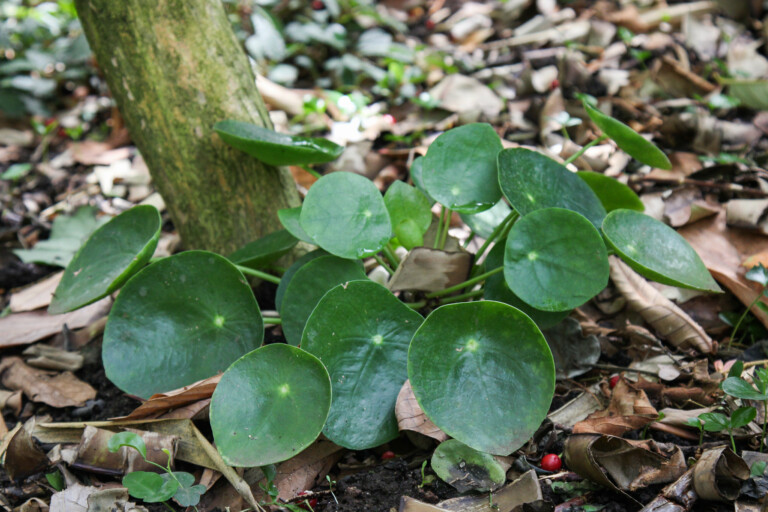
Plants
10 Plants That Look Like Pilea Peperomioides (Chinese Money Plant)
Pilea peperomioides got its common name, the Chinese money plant, from its leaves which are round and shaped like coins.…