
Key Facts
- Endemic tree native to the Hawaiian Islands.
- Deciduous small to medium sized tree with a spreading crown.
- Drought tolerant and adapted to dry lowland soils.
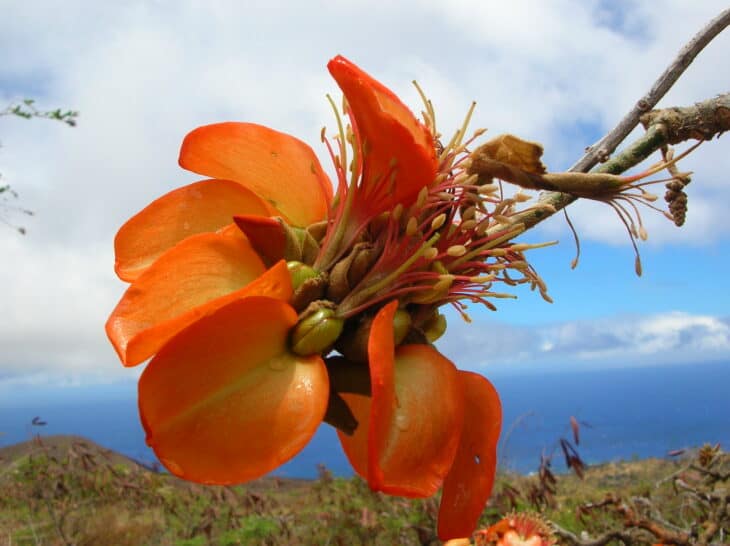
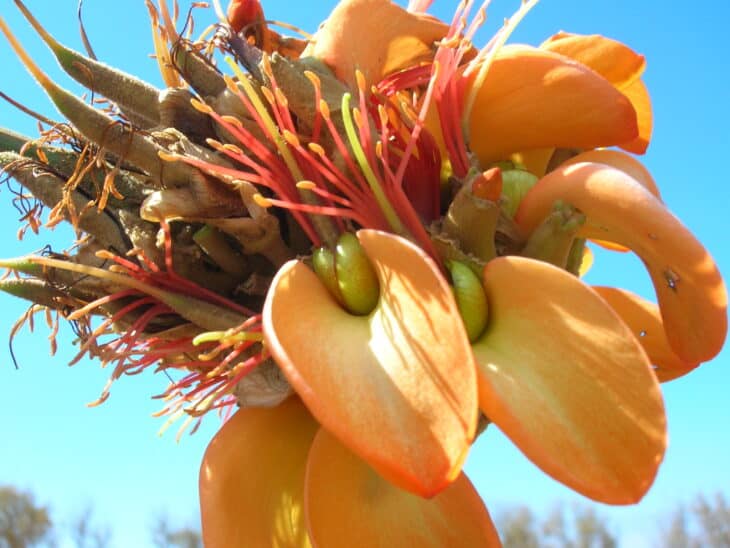
- Produces bright coral red pea shaped flowers in late winter to spring.
- Bird pollinated in its native range.
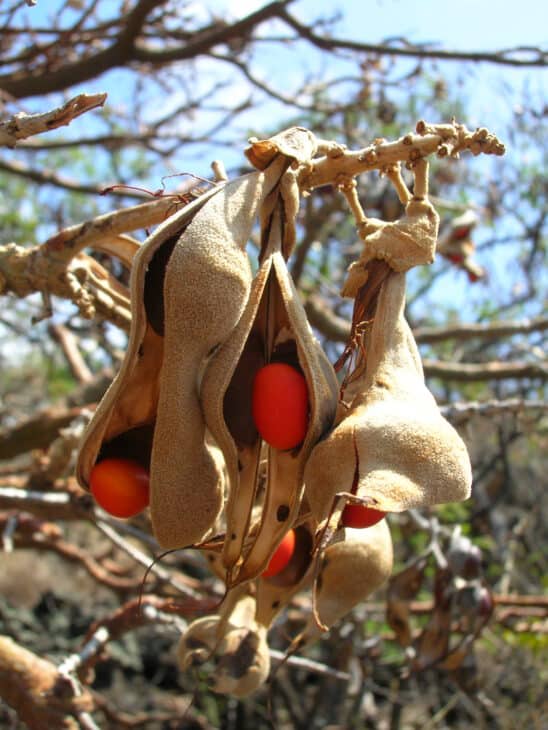
- Seeds and other plant parts contain toxic alkaloids and are poisonous if ingested.
- Easily propagated by seed and by cuttings.
Wiliwili Tree is a drought tolerant native Hawaiian tree prized for showy coral red pea shaped flowers that appear in late winter to spring. It suits warm, well drained sites and can be started from seed or stem cuttings, but seeds and other parts contain toxic alkaloids so avoid ingestion by people and pets.
Identification
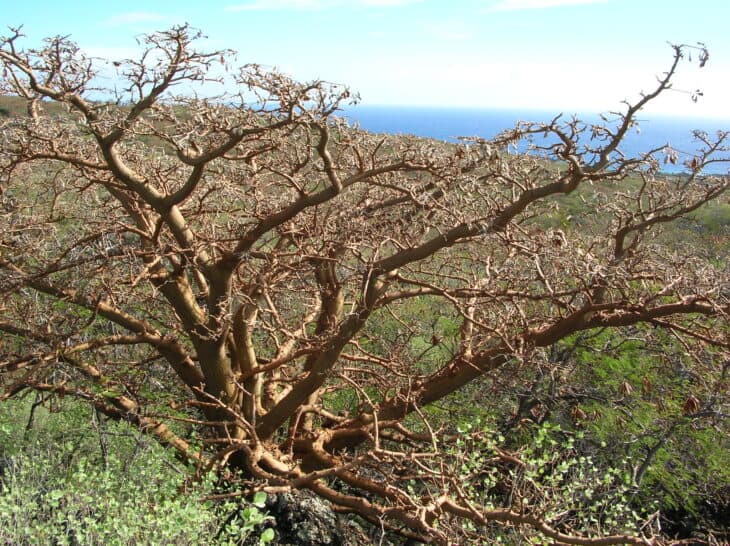
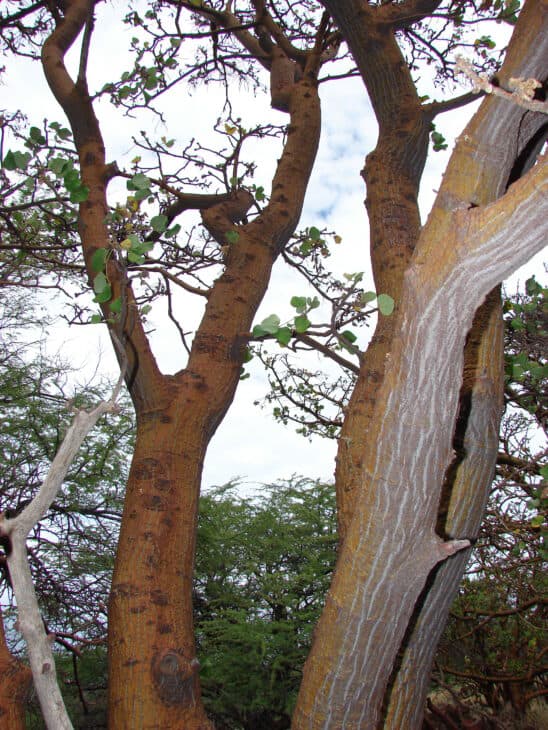
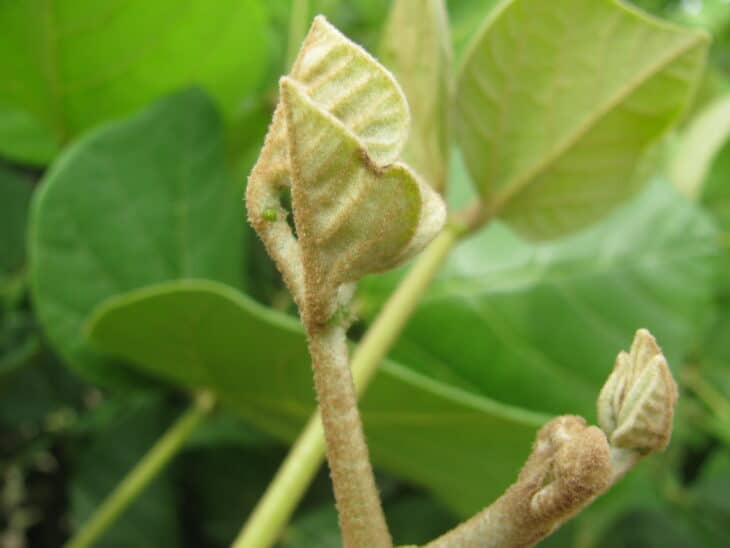
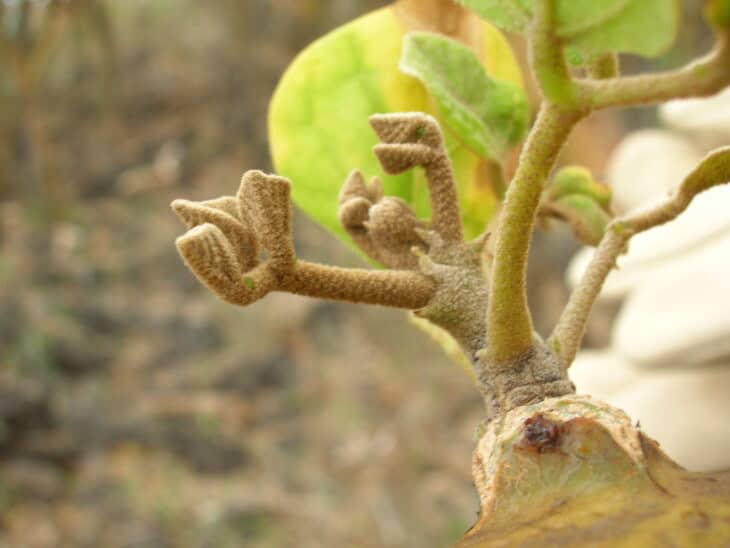
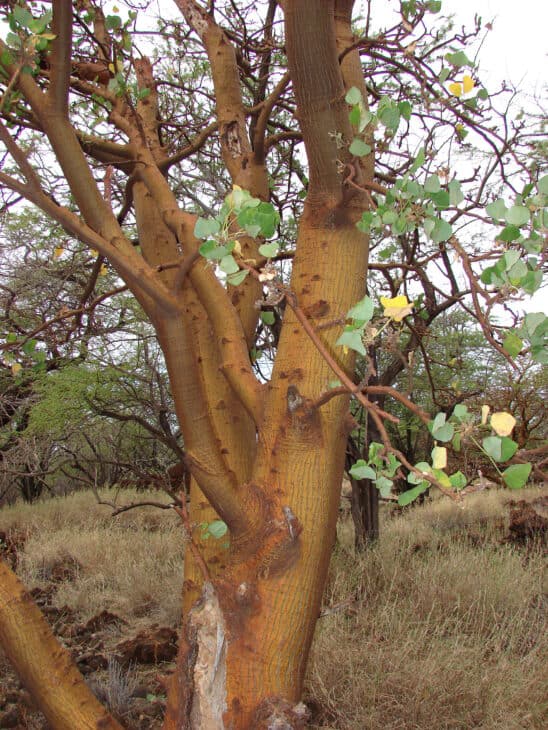
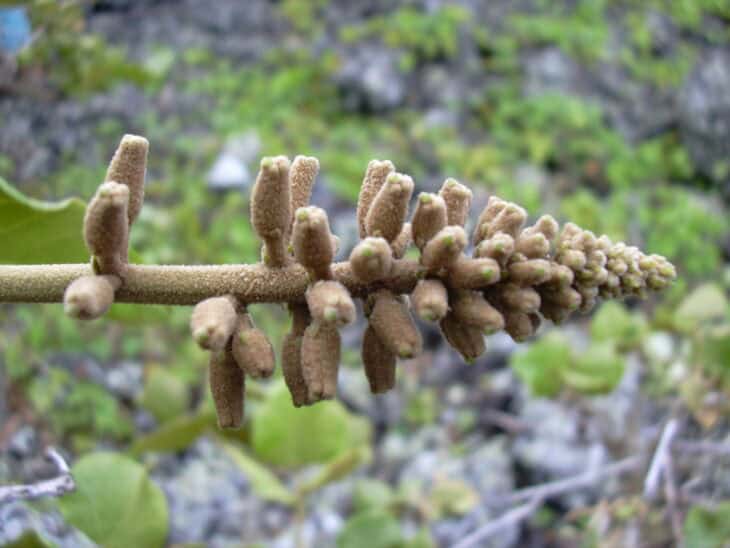
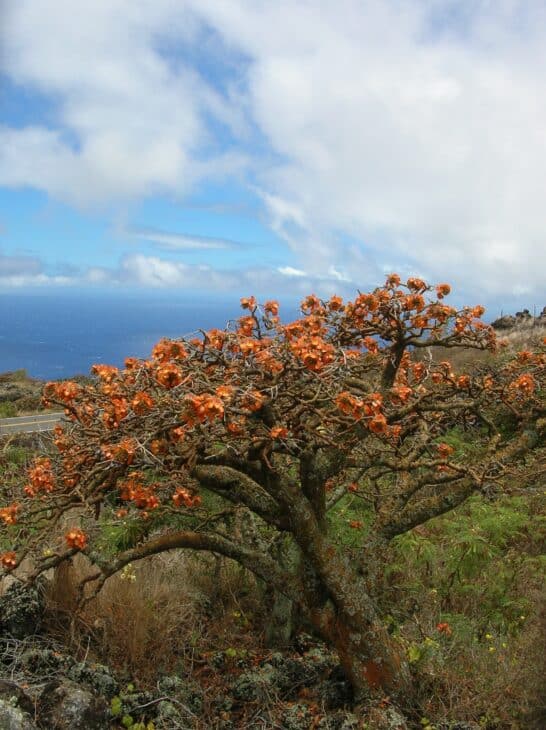
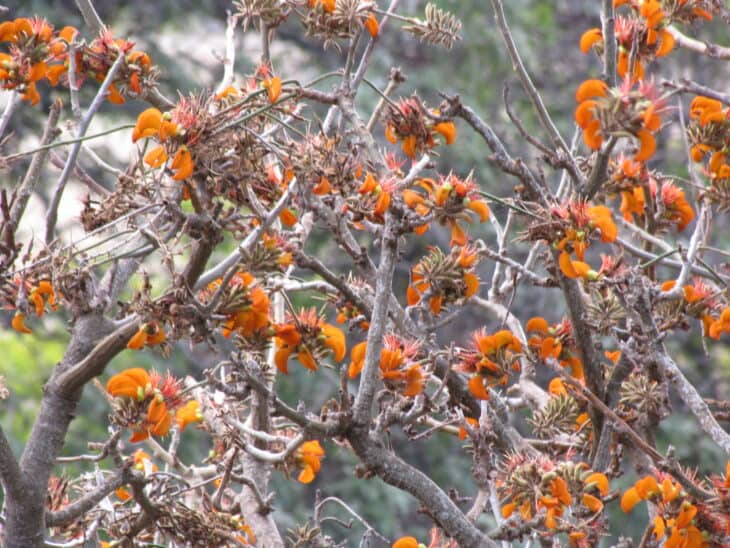
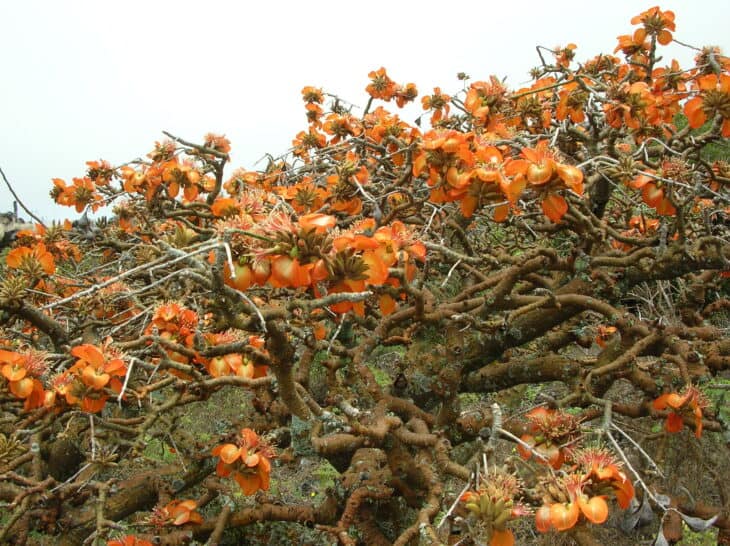
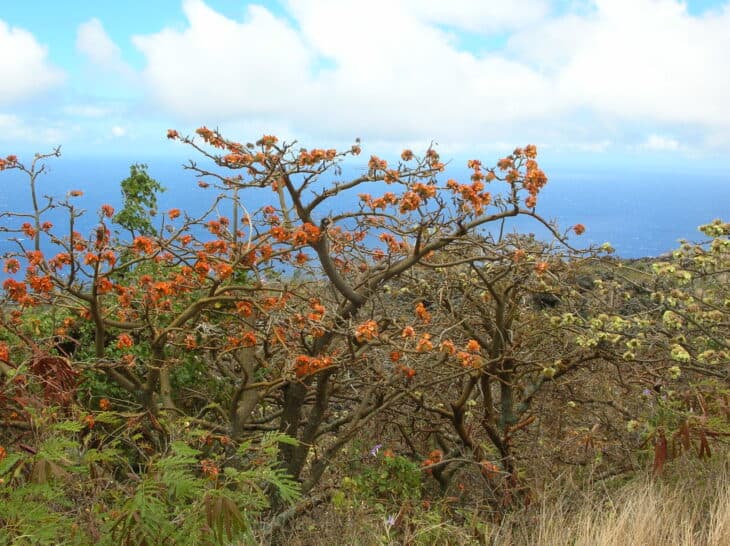
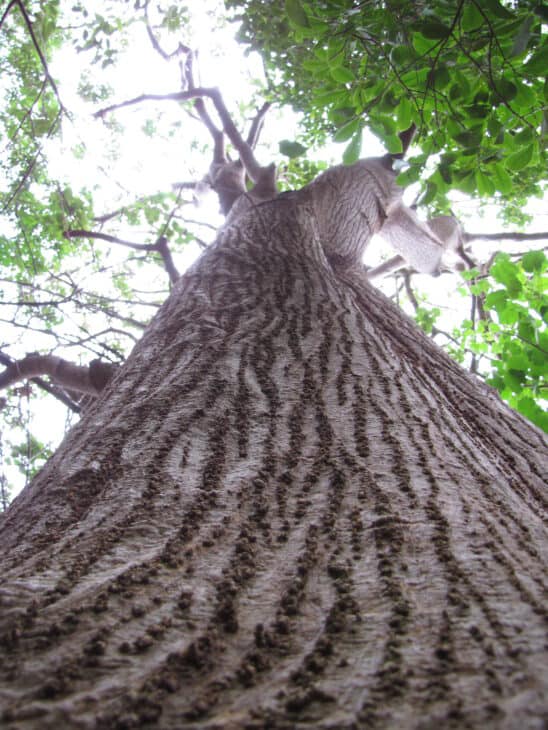
Deciduous small to medium sized tree with a spreading crown that typically reaches about 15 to 40 feet tall and spreads 15 to 30 feet. Bright coral red pea shaped flowers appear in late winter to spring, and birds pollinate the blossoms in its native range. Bark and growth form are consistent with open grown trees on dry slopes.
Best uses and where to grow
Use as a specimen or accent tree in warm lowland landscapes, for dry slope stabilization, or in low water Mediterranean style yards. Best performance is in USDA zones 9 to 12 and in full sun on free draining sandy or rocky soils. Avoid wet heavy soils because poor drainage increases the risk of decline.
Planting and spacing
Plant in a sunny location with well drained soil and allow 15 to 30 feet between trees to accommodate the typical mature spread. Establish trees in warm, dry seasons when soils are workable and not waterlogged. Do not plant too deep and keep the root crown slightly above surrounding grade in heavy soils to reduce root rot risk.
Watering and soil
Adapted to dry lowland soils and tolerant of drought once established, but young trees need regular watering to set roots. Overwatering or poor drainage leads to root rot and progressive decline, while full sun encourages flowering. Choose sandy or rocky soils and avoid sites that remain saturated after rains.
Flowering and after flowering care
Flowers commonly appear in late winter to spring, with timing varying by climate. Full sun maximizes bloom display. After flowering remove dead wood and lightly shape the crown if needed, taking care not to over prune into older wood. Birds are attracted to the blooms and aid pollination in natural settings.
Propagation
Propagate by seed or by stem cuttings. Seeds from Erythrina species are often hard coated and may respond to scarification or soaking before sowing. Cutting success varies with season and cutting type, so try semi ripe cuttings and provide warm, well drained rooting media for best results.
Safety and maintenance concerns
Seeds and other plant parts contain toxic alkaloids and are poisonous if ingested, so avoid planting where children or pets might eat seed pods. The tree is not suited to wet sites because standing water causes root problems. Monitor for decline in poorly drained soils and remove infected material promptly.
Frequently asked questions
- How fast does Wiliwili Tree grow?
- Growth rate varies by site and care. In warm lowland conditions trees can reach the typical mature range of 15 to 40 feet over a number of years, with faster establishment in free draining soils and full sun.
- Is Wiliwili Tree frost hardy?
- Wiliwili is best suited to warm climates and is described as frost tender. It performs best in USDA zones 9 to 12 where hard frosts are uncommon.
- Are Wiliwili seeds poisonous?
- Yes. Seeds and other parts contain toxic alkaloids and can be hazardous if swallowed. Contact a poison control center or veterinarian for guidance if ingestion is suspected.
- Can I grow Wiliwili in a container?
- Container growing is challenging because the species prefers open, well drained sites and develops a spreading crown. Young specimens can be grown in large containers temporarily if given full sun and careful watering.
- How do I propagate Wiliwili?
- Use seed or stem cuttings. Seeds may benefit from scarification or soaking and cuttings root best when taken from appropriate wood during warm seasons and placed in well drained rooting mix.
Gallery
Related Plants


