January
Prune deciduous trees and shrubs while fully dormant (avoid heavy pruning of spring‑bloomers).
Order seeds and review last year’s successes/failures.
Protect tender container plants from cold snaps and check stored bulbs/roots for rot.

Warm, humid and regionally varied, Alabama offers a long growing season that supports multiple vegetable crops, abundant ornamentals and many native trees. Planting windows differ across the state — from cooler northern highlands (shorter frost-free periods) to the warm Gulf Coast (longer seasons and salt/wind exposure) — so choose dates and varieties based on your county or microclimate.
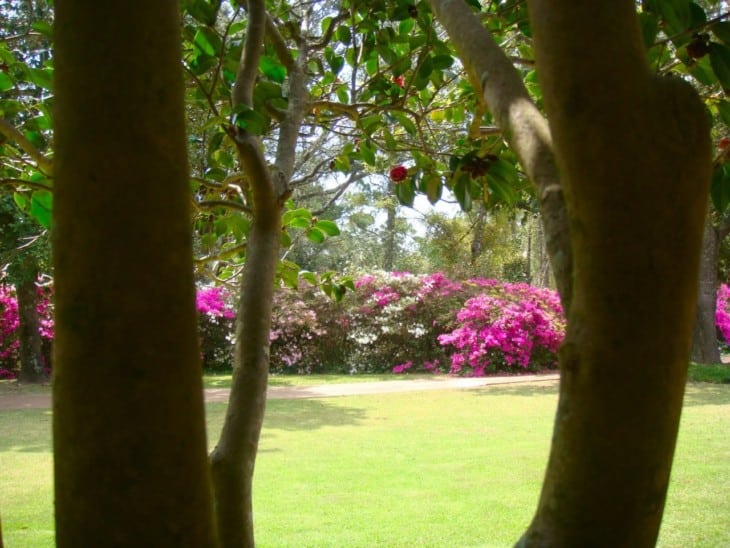
Alabama is humid subtropical with hot, humid summers and generally mild winters. Conservatively the state spans USDA zones 6b through 9a: northern highlands are coolest while the southern coast is warmest.
Rainfall is year-round with a summer thunderstorm peak and occasional tropical systems near the Gulf.
Typical last-frost dates range roughly from mid-February (coast) to mid-April (north). First frosts range from mid-October (northern hills) to mid-December (coast). Expect a frost-free season of about 240 to 330+ days depending on location.
Below are month-by-month notes for common garden tasks across Alabama. Use these as a state-level guide, then check your local county Extension freeze/frost map and microclimate when scheduling exact planting or protection dates.
Prune deciduous trees and shrubs while fully dormant (avoid heavy pruning of spring‑bloomers).
Order seeds and review last year’s successes/failures.
Protect tender container plants from cold snaps and check stored bulbs/roots for rot.
Start indoors: tomatoes, peppers, eggplant (southern growers can start later).
Begin cool‑season crops outdoors in south (lettuce, peas, onions).
Soil testing and amending while ground is workable; apply lime if recommended.
Transplant hardened seedlings to sheltered sites after last local frost.
Direct sow peas, spinach, radish, carrots in north and throughout south.
Begin mulching beds, control early weeds, and clean up garden debris to lower pest/disease pressure.
Plant warm‑season crops (tomatoes, peppers, squash) after typical last frost dates.
Divide perennials, set out annuals, and apply side‑dress fertilizer to established beds.
Monitor for cutworms and flea beetles.
Finish planting warm‑season vegetables and heat‑tolerant annuals.
Install drip irrigation or soaker hoses and mulch heavily to conserve moisture.
Watch for early disease issues with warming, and scout for insects like aphids and whiteflies.
Peak growth month — maintain consistent watering, pinch and stake as needed.
Sow quick summer succession crops where possible (bush beans, okra).
Keep lawns mowed high to reduce drought stress and inspect plants for fungal leaf diseases.
Manage heat stress: provide afternoon shade for sensitive transplants, increase irrigation frequency, and monitor for spider mites and scale.
Delay heavy fertilization during extreme heat.
Harvest beans, okra, peppers and continue pest scouting.
Begin planning fall cool‑season plantings; order cover crop seed.
Continue watering and disease control; consider late summer side‑dressing for perennials.
Start transplants for fall brassicas in late month in many areas.
Plant fall vegetables (lettuce, kale, broccoli) and set out transplants after the hottest weather subsides.
Repair beds and amend soil for fall crops; plant bulbs (daffodils) in many zones in late September/October.
Harvest late summer crops and clear spent plants to reduce pest habitat.
Plant garlic in many areas, sow cool‑season cover crops, and begin reducing irrigation as temperatures fall.
Protect tropicals before early freezes in the north.
Final outdoor planting of cold‑tolerant winter greens in mild areas.
Mulch perennials and protect newly planted shrubs.
Winterize irrigation systems and store tender containers indoors or in protected spots.
Prune lightly as needed (avoid heavy pruning in warmer areas that may promote late growth).
Monitor for winter damage after freezes, check stored bulbs/roots, and finalize seed orders and garden plans.
Test soil early and apply lime or amendments as recommended. Start tomatoes, peppers and eggplant indoors (southern growers can start later); direct-sow cool-season crops (lettuce, peas, spinach, radishes) as soon as soil is workable. Transplant hardened seedlings after your local last frost. Mulch beds and select disease-resistant varieties to counter rising humidity.
Choose heat-tolerant, quick-maturing varieties (okra, southern peas, sweet potatoes, heat-tolerant tomatoes and peppers). Mulch heavily and irrigate deeply and infrequently (drip irrigation/soaker hoses preferred). Provide afternoon shade for tender transplants and scout for whiteflies, spider mites and fungal leaf diseases.
Take advantage of cooler nights for brassicas (broccoli, cabbage, kale), leafy greens and fall carrots. Start transplants in late summer for a September–October set-out. Plant garlic in many areas in October–November and set spring-flowering bulbs in fall. Use cover crops (rye, clover) to rebuild soil over winter.
Prune dormant deciduous trees and shrubs (avoid heavy pruning of spring-blooming species). Protect container and tropical plants from occasional freezes (move indoors or to sheltered microclimates, use frost cloths). Use cold frames or row covers for winter greens in milder southern areas and finalize seed orders and garden plans.
Heat and humidity: high summer heat causes wilting, blossom drop and fungal issues. Remedy with mulch, shade, consistent irrigation and heat-tolerant varieties.
Fungal diseases: warm, wet conditions favor leaf spots, blights and mildew. Improve air circulation, avoid overhead watering, remove infected material and rotate crops.
Insect pests: whiteflies, spider mites and scale proliferate in warm weather. Scout regularly, encourage predators, and use insecticidal soap or targeted treatments when needed.
Soil acidity and compaction: much of Alabama has acidic or heavy clay soils. Test soil, add organic matter, and follow county Extension recommendations for lime or gypsum.
Invasives and aggressive woody plants: kudzu and privet can overtake sites. Use persistent mechanical control, targeted herbicide where appropriate, and competitive native plantings.
Severe weather: tropical storms, tornadoes and unexpected freezes can damage plants. Site trees and vulnerable specimens with wind and flood risk in mind, anchor young trees and protect container plants during storms.
Start seeds indoors about 6–8 weeks before your local average last frost. That typically means late January–February for coastal/southern counties and late February–March for northern counties. Check your county Extension or local freeze maps for exact last-frost dates.
Peaches and some apples do best in central and northern Alabama where chill hours are higher. Figs, persimmons and many pear varieties are broadly adaptable across the state and do especially well in southern and central regions. Select regionally adapted cultivars and consult the Alabama Cooperative Extension System (ACES) for variety recommendations.
Incorporate plenty of organic matter (compost, well-rotted manure) to improve structure and drainage. Where compaction is severe, consider raised beds, deep ripping or installing drains. Follow a soil test recommendation for lime or gypsum if chemical amendment is needed.
Native choices include coneflowers (Echinacea), black-eyed Susans (Rudbeckia), milkweeds (Asclepias), goldenrod (Solidago) and native salvias. These provide nectar/pollen and are adapted to local pests and climate. ACES lists regionally appropriate native plant resources.
Move containers indoors or to protected locations, pile mulch around root crowns, and cover vulnerable plants with frost cloth or blankets during cold nights. For small beds, use row covers or temporary cold frames; remove covers in daytime to avoid overheating.
Warm-season grasses (Bermudagrass, Zoysia) are best planted in late spring to early summer when soil is warm. Tall fescue (cool-season) is typically overseeded or planted in early fall in northern and transition zones. Prepare seedbeds, maintain moisture for germination, and follow cultivar recommendations for your zone.
Okra, southern peas (cowpeas), sweet potatoes, collards and certain pepper and tomato varieties handle heat well. Use mulches to conserve moisture, provide afternoon shade for sensitive crops, and plant heat-tolerant cultivars to reduce blossom drop.
Kudzu is a fast-growing vine that smothers trees and shrubs; privet forms dense thickets. Management requires persistent cutting or pulling, followed by targeted herbicide treatments for regrowth where appropriate. Replace cleared areas with competitive native species to reduce reinvasion.
Test soil every 2–3 years or before major planting projects. In Alabama, common amendments are lime to correct acidity, phosphorus/potassium based on test results, and organic matter to improve structure. Use local Extension labs for testing and recommendations.
Choose cultivars labeled resistant to common foliar diseases (blight, leaf spot, powdery mildew) for tomatoes, cucurbits and many ornamentals. ACES and seed catalogs usually list resistant varieties; in humid areas favor varieties with resistance traits and use cultural controls (spacing, air flow, drip irrigation).
Trees
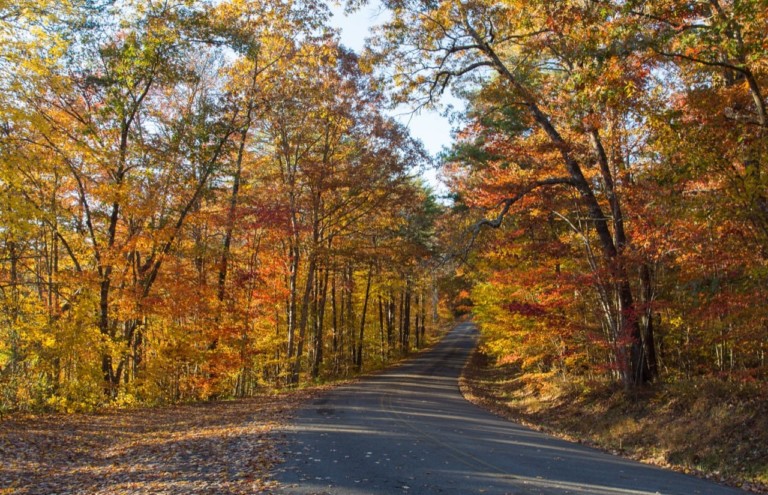
About 70 percent of Alabama is forest, roughly 23 million acres, and pines dominate it. Loblolly pine is by far the most common tree in the