January
Plant bare‑root fruit trees and roses in milder areas; prune dormant shade trees, grapes, and cane fruits.
Order seeds and check tools.
Mulch tender perennials for freeze protection in exposed spots.

Arkansas is a humid‑subtropical state with warm, humid summers and generally mild winters. Gardening success depends on matching plants to local elevation and rainfall: the Ozark and Ouachita uplands are cooler and drier than the warm, fertile Mississippi Delta. With USDA zones from 6a to 8a and a long growing season, home gardeners can raise a wide range of vegetables, ornamentals and native trees when they plan by microclimate and soil type.
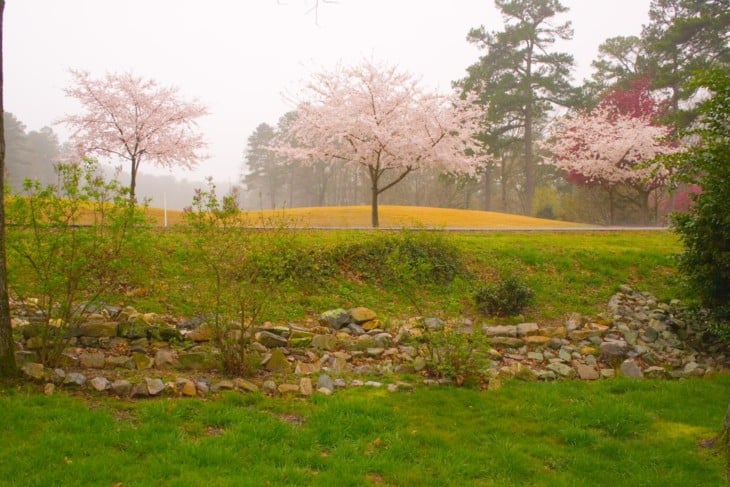
Most of Arkansas has a humid subtropical climate: hot, humid summers with frequent thunderstorms and mild winters with occasional freezes.
Precipitation peaks in spring and early summer.
Expect USDA hardiness zones roughly 6a–8a (cooler in the Ozarks/Ouachitas, warmer in the southern Delta).
Typical last spring frost (conservative statewide range): March 15–April 30; first fall frost: October 15–November 15.
Soils vary from acidic forest loams in the highlands to deep alluvial silts and clays in the Delta—test soils and amend based on results.
Use this month‑by‑month calendar as a practical checklist. Exact timing depends on your county and elevation—consult your local Extension office or an interactive USDA hardiness map for precise frost dates.
Plant bare‑root fruit trees and roses in milder areas; prune dormant shade trees, grapes, and cane fruits.
Order seeds and check tools.
Mulch tender perennials for freeze protection in exposed spots.
Finish pruning apples, peaches and pears; start cool‑season sowings (onions, peas, lettuce) under protection or indoors.
Test soil and begin amending beds with compost and lime as needed.
Watch for early spring pest emergence.
Direct‑sow cold‑tolerant crops (beets, carrots, spinach) as soils dry.
Prepare vegetable beds, start tomato and pepper transplants indoors or buy local starts late in month in warmer regions.
Apply preemergent weed control in established beds if desired.
Plant warm‑season annuals and transplant hardened seedlings after local last frost.
Sow beans, sweet corn, and squash.
Begin regular watering schedule; monitor for flea beetles and early fungal diseases as humidity rises.
Peak spring planting: tomatoes, peppers, sweet potatoes, and heat‑loving annuals.
Mulch to conserve moisture and suppress weeds.
Stake or cage tall plants; continue regular soil fertility applications as needed.
Maintain irrigation during hot months; monitor for tomato blight, squash vine borer, and aphids.
Pinch early annuals for bushier growth.
Start succession sowings of beans and fall brassicas in cooler microsites.
Protect young plants from extreme heat — provide morning shade for sensitive transplants.
Keep up with irrigation and mulch; scout for spider mites, whiteflies and fungal leaf diseases in humid conditions.
Begin planting fall crops (broccoli, cabbage, kale) from transplants late in month in cooler areas.
Continue summer harvests and succession plantings; repair irrigation and add organic mulch to conserve water.
Plant cool‑season vegetables and cover crops to rebuild soil. Move potted plants into sheltered spots as temperatures drop.
Prune summer‑flowering shrubs after bloom if needed.
Begin planting cool‑season bulbs in mild areas.
Finish fall planting of trees, shrubs and perennials while soils are workable.
Divide and transplant perennials; seed lawns or overseed cool‑season turf.
Start protecting tender plants when nights dip near freezing.
Rake leaves into compost or use as mulch where appropriate; remove diseased plant debris.
Plant garlic and spring bulbs in areas with adequate chill.
Clean and store tools, drain hoses, and winterize irrigation.
Minimize heavy pruning except for hazard removal.
Protect container and tender plants from hard freezes.
Review garden plans and inventory seeds for next season; provide wildlife protection for young trees if deer activity is high.
Spring: Test soil, add compost or lime as indicated, and start cool‑season sowings (peas, lettuce, spinach, onions). Direct sow beets, carrots and other cold‑tolerant crops as soils dry. Start tomatoes and peppers indoors in March or buy hardened local transplants late March–April in warmer lowlands.
Summer: Plant warm‑season crops (tomatoes, peppers, sweet potatoes, squash, beans) after your local last frost. Mulch to conserve moisture and suppress weeds; provide consistent irrigation during heat waves. Choose disease‑resistant tomato and cucumber varieties to reduce fungal losses and scout for pests (aphids, spider mites, squash vine borer).
Fall: Plant cool‑season vegetables from late August–September in cooler microclimates (broccoli, cabbage, kale). This is the best time to plant trees, shrubs and perennials—roots establish in milder air temperatures. Sow cover crops to protect and rebuild soil in vegetable beds.
Winter: Use dormancy for pruning fruit trees, grapes and cane fruits (late winter before bud break). Protect young or container plants in exposed sites with mulch or temporary covers. Order seeds, repair tools, and plan spring plantings. In milder areas, plant bare‑root fruit trees and roses in January–February.
1) Heat, humidity and fungal diseases: warm, humid summers favor leaf spots, blights and other fungal problems. Use resistant varieties, improve air circulation, water at the soil level in the morning, and apply approved fungicides (copper or sulfur) when needed.
2) Variable microclimates and elevation: conditions differ between the Ozarks/Ouachitas and the Delta. Use local frost dates and choose plants suited to your USDA zone and elevation.
3) Poor drainage and heavy clay in lowlands: Delta soils can be heavy and compacted. Improve with raised beds, regular additions of organic matter, and soil structure amendments; consider tile or surface drainage for persistently wet areas.
4) Wildlife pressure (deer, rabbits, groundhogs): protect young trees and shrubs with fencing, tree guards or repellents; select deer‑resistant species near woodlines.
5) Invasive plants and woody encroachment: watch for kudzu, privet, Chinese tallow and others; early removal and persistent control (mechanical and approved herbicide follow‑up) are necessary.
6) Severe weather: storms and tornado risk can damage plants and structures—stake young trees, site wind‑sensitive plantings carefully, and secure cold frames/greenhouses before storm season.
Plant transplants after your local last frost. Statewide last frost ranges roughly March 15–April 30; southern lowlands can be earlier while upland Ozarks/Ouachitas are later. Start indoors 6–8 weeks before your expected last frost or buy hardened local starts in late March–April for most areas.
Ozarks (upland): oaks, hickories, serviceberry, redbud and native hollies suit rockier, well‑drained soils. Delta (lowland): river birch, bald cypress in wetter sites, pecan, and many deep‑rooting native shrubs. Choose species matched to drainage and elevation; consult county Extension for local lists.
Add generous amounts of organic matter (compost, well‑aged manure) and incorporate it over time to improve structure and drainage. Use raised beds with well‑drained mixes for vegetables, avoid working very wet clay to prevent compaction, and consider gypsum where appropriate to help loosen dense subsoils.
Install fencing (at least 8 feet for deer where feasible), use tree tubes or hardware‑cloth guards around tree trunks, rotate or reapply taste/smell repellents, and choose deer‑resistant plantings near forest edges. Persistent fencing and habitat modification (removing dense cover near plantings) are most reliable.
Prune pome and stone fruit in late winter while trees are dormant, removing dead or crossing branches. For peach leaf curl, time copper sprays in late fall and again at bud swell in late winter/early spring before leaf emergence; choose resistant peach varieties where available.
Mulch beds to conserve moisture, irrigate deeply and less frequently to encourage strong roots, and water in the morning to reduce disease pressure. Provide temporary shade for young transplants during extreme heat and repair irrigation systems before peak summer.
Look for disease‑resistant tomato varieties (VFN or similar resistances for Verticillium, Fusarium and Nematodes) and blight‑tolerant cucumbers and squash. Use local Extension or seed catalogs that list resistances—seed saving of susceptible varieties often leads to repeated disease problems.
No published articles are currently tagged to this state.