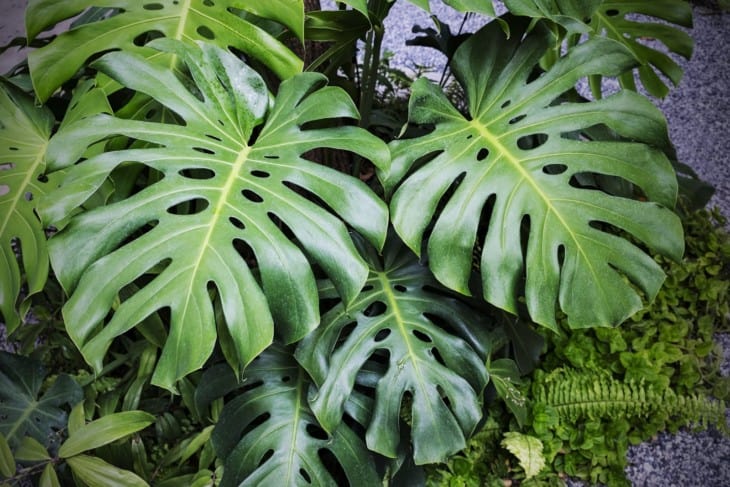
Monstera plants have become one of the most popular houseplants in recent years, and for good reason. Beyond their striking split leaves and tropical appearance, these plants offer several practical benefits that can improve your indoor environment and overall well-being.
Contents
Monstera plants provide four key benefits: they improve indoor air quality by filtering toxins and producing oxygen, help regulate humidity levels which can reduce mold and odors, contribute to stress reduction and mental well-being, and contain compounds used in traditional medicine. These hardy houseplants combine beauty with function.
Whether you’re new to houseplants or expanding your collection, understanding the benefits of Monstera plants can help you appreciate why they’ve become such beloved additions to homes and offices worldwide. Let’s explore the specific advantages these tropical beauties bring to indoor spaces.
Read our guide to Swiss Cheese Plant
Read our guide to Silver Monstera
1. Air Quality Improvement and Oxygen Production
Monsteras are particularly effective at improving indoor air quality through multiple mechanisms. Their large, perforated leaves provide substantial surface area for air purification processes.
How Monsteras Filter Indoor Air
Like other houseplants, Monsteras perform photosynthesis by absorbing carbon dioxide and releasing oxygen. What sets them apart is the size of their foliage—mature Monstera deliciosa leaves can reach 2-3 feet across, creating an exceptionally large surface area for gas exchange.
The NASA Clean Air Study identified several houseplants capable of removing volatile organic compounds (VOCs) from indoor air. While Monstera wasn’t specifically tested in the original study, plants with large leaf surfaces like Monsteras are effective at filtering airborne toxins including formaldehyde, benzene, and other common household pollutants.

Natural Dust Collection
The broad, waxy leaves of Monstera plants act as natural dust collectors. Airborne particles settle on the leaf surfaces rather than on furniture or becoming airborne again. Regular wiping of the leaves—which you should do anyway to maintain plant health—removes this accumulated dust from your living space.
This dust-trapping quality is especially beneficial for people with allergies or respiratory sensitivities, as it reduces the amount of particulate matter circulating in the air.
Realistic Expectations
While Monsteras do improve air quality, it’s important to have realistic expectations. You would need multiple large plants to create a measurable impact on air quality in an average room. Think of air purification as a supplementary benefit rather than a replacement for proper ventilation and air filtration systems.
2. Humidity Regulation and Moisture Management
Monstera plants help regulate indoor humidity through transpiration—the process by which plants release water vapor through their leaves. This natural humidifying effect can be particularly beneficial in dry indoor environments.
How Monsteras Add Humidity
Through their stomata (tiny pores on leaf surfaces), Monsteras release moisture into the surrounding air. A large, healthy Monstera can transpire a significant amount of water, especially when it receives adequate watering and light. This can help counteract the dry air common in heated or air-conditioned homes.
Increased humidity from houseplants can help alleviate dry skin, irritated sinuses, and respiratory discomfort often associated with dry indoor air. Optimal indoor humidity levels range from 30-50%, and Monsteras can help maintain these levels naturally.

Benefits Beyond Humidity
Properly regulated humidity helps prevent several household problems:
- Reduced static electricity
- Better preservation of wooden furniture and floors
- Less favorable conditions for dust mites
- Improved comfort for skin and respiratory passages
In environments that tend toward excessive humidity, Monsteras can also help absorb some moisture from the air, though this effect is more modest than their humidifying capacity.
Best Placement for Humidity Control
Bathrooms with adequate indirect light make ideal locations for Monsteras, as they naturally prefer higher humidity and can help manage moisture levels in these spaces. Just ensure the plant receives enough light—a north or east-facing bathroom window typically works well.
3. Mental Health and Stress Reduction Benefits
The psychological benefits of keeping houseplants like Monsteras are supported by considerable research. Plants provide more than aesthetic value—they can meaningfully impact mental well-being and stress levels.
Research-Backed Stress Reduction
Studies have shown that indoor plants can reduce physiological and psychological stress. A study published in the Journal of Physiological Anthropology found that interacting with indoor plants can reduce both physiological and psychological stress by suppressing sympathetic nervous system activity and promoting comfortable feelings.
The presence of greenery indoors has been associated with:
- Lower blood pressure and heart rate
- Reduced anxiety levels
- Improved mood and sense of well-being
- Enhanced concentration and productivity
- Faster recovery from mental fatigue

Biophilic Connection
Monsteras help satisfy our innate connection to nature—a concept known as biophilia. Their dramatic, jungle-like appearance brings a strong sense of the outdoors inside, which can be especially valuable for urban dwellers or those who spend most of their time indoors.
The act of caring for a Monstera also provides opportunities for mindfulness and routine. Watering, pruning, cleaning leaves, and watching new growth emerge creates a nurturing ritual that many plant owners find therapeutic.
Workplace Benefits
Monsteras are increasingly popular in office environments because they tolerate lower light conditions better than many houseplants and can grow quite large to make a visual impact. Research indicates that plants in workspaces can improve concentration, creativity, and job satisfaction while reducing stress and sick days.
4. Traditional Medicinal Applications
In various cultures, particularly in Central and South America where Monstera species are native, these plants have been used in traditional medicine for generations.
Historical Medicinal Uses
Traditional applications of Monstera have included:
- Using aerial root extracts in preparations for snakebite treatment
- Creating topical applications intended to reduce joint pain and inflammation
- Utilizing plant extracts in various folk remedies
These traditional uses reflect generations of indigenous knowledge, though many have not been scientifically validated through modern clinical research.
Important Safety Warning
Do not attempt to use Monstera plants for self-treatment. All parts of Monstera plants contain insoluble calcium oxalate crystals, which are toxic if ingested and can cause severe irritation to skin and mucous membranes.
Contact with Monstera sap can cause:
- Skin irritation, swelling, and dermatitis
- Burning sensations in the mouth and throat if ingested
- Difficulty swallowing and speaking
- Gastrointestinal discomfort
Monsteras are toxic to cats, dogs, and other pets. Keep them out of reach of children and animals. Any medicinal use should only be attempted under professional supervision using properly prepared pharmaceutical-grade extracts—never raw plant material.
Additional Benefits Worth Noting
Aesthetic and Design Value
Beyond functional benefits, Monsteras offer significant design value. Their sculptural leaves and climbing growth habit make dramatic focal points in interior spaces. They work well in various design styles from tropical and bohemian to modern and minimalist.
Low Maintenance Requirements
Monsteras are relatively forgiving houseplants, making them accessible to beginners. They tolerate occasional neglect, adapt to various light conditions (though they prefer bright indirect light), and clearly signal when they need water by slightly drooping.
Longevity and Growth
With proper care, Monsteras can live for many years and grow quite large, becoming long-term companions. Watching a Monstera grow and develop its characteristic leaf splits (fenestrations) provides ongoing satisfaction and connection.
Maximizing the Benefits of Your Monstera
To get the most benefit from your Monstera plant:
- Provide adequate light: Bright, indirect light encourages healthy growth and larger leaves with more surface area for air purification
- Maintain proper watering: Water when the top 2-3 inches of soil dry out; consistent moisture supports transpiration and humidity regulation
- Clean leaves regularly: Wipe leaves monthly to remove dust, which improves both photosynthesis and air purification
- Provide support: Use a moss pole or trellis to encourage upward growth, which produces larger, more mature leaves
- Place strategically: Position your Monstera where you spend significant time to maximize stress-reduction benefits
Conclusion
Monstera plants offer a compelling combination of benefits that extend well beyond their undeniable beauty. From tangible improvements in air quality and humidity regulation to meaningful contributions to mental well-being, these tropical plants earn their place as functional additions to indoor spaces.
While individual benefits like air purification require realistic expectations—you won’t transform your home’s air quality with a single plant—the cumulative advantages of keeping Monsteras make them worthwhile investments. They’re relatively easy to care for, adapt well to indoor conditions, and provide years of enjoyment while quietly working to improve your living environment.
Whether you’re drawn to Monsteras for their dramatic appearance or their practical benefits, these versatile houseplants deliver on multiple levels, making them one of the most rewarding plants you can grow indoors.