
Key Facts
- Perennial herb with feathery, aromatic leaves and flat-topped flower clusters.
- Flowers in a range of white, pink, and yellow shades depending on variety.
- Attracts pollinators including bees and butterflies.
- Tolerates drought once established.
- Spreads by shallow rhizomes and by seed to form colonies.
- Prefers lean, well-drained soils and can decline in heavy fertile soils.
- Valued for cut flowers and dried arrangements.
- Can cause skin irritation in some people and may affect pregnancy if ingested in large amounts.
Common Yarrow is a hardy perennial with feathery aromatic leaves and flat topped clusters of small flowers that come in white, pink and yellow shades. It performs well in sunny, well drained sites where it naturalizes, but it spreads by shallow rhizomes and self seeding so plan for colonies.
Identification
Feathery, finely divided leaves and flat corymbs of tiny composite flowers make this species easy to spot. Plants typically reach 12 to 36 inches tall and a similar spread, with appearance varying by variety.
Where to grow and best uses
Full sun and lean, well drained soil give the best flowering. Common Yarrow tolerates poor, dry soils and drought once established and will decline in heavy, fertile or waterlogged ground. Use it in low maintenance perennial borders, pollinator gardens, meadow plantings and for massing on slopes. It is also valued for cut flowers and dried arrangements.
Planting and spacing
Space plants about 12 to 36 inches apart depending on how quickly you want a colony to form. Plant nursery transplants so crowns sit level with the soil surface and mulch lightly to conserve moisture during establishment.
Seasonal timing
Flowering generally runs from late spring into summer, with exact months varying by climate. Divide crowded clumps in spring or autumn to rejuvenate plants and control spread.
Watering and soil effects
Once established yarrow is drought tolerant and needs only occasional watering. In rich or consistently moist soils plants can become floppy and produce fewer flowers, so lean, well drained conditions are preferable.
After flowering and maintenance
Remove spent flower heads to reduce self seeding and keep beds tidy. Take stems for fresh bouquets or drying during peak bloom. Divide clumps in spring or fall to control size and renew vigor.
Controlling spread
Plants spread by short rhizomes and by seed and will form colonies over time. Some cultivars behave like gentle clumps while others spread more aggressively, especially in warm dry climates. Remove seed heads, divide regularly and locate yarrow where a spreading habit is acceptable. Verify cultivar behavior before planting in small or tightly planted beds.
Toxicity and handling
Common Yarrow can cause contact dermatitis in sensitive people and contains compounds that may affect pregnancy if ingested. Sources differ on animal risk; some lists show Achillea species as non toxic to dogs and cats while agricultural sources warn that livestock can be affected in large amounts. Avoid ingestion during pregnancy and check local extension or poison control guidance before planting where animals graze.
Propagation
Propagate by seed, division or basal cuttings. Division in spring or autumn is the quickest way to produce established plants and to limit spread when managing colonies.
Frequently asked questions
- How fast does Common Yarrow grow?
- It spreads by shallow rhizomes and by seed to form colonies. Growth rate varies by cultivar and climate and is often faster in warm, dry conditions.
- Is Common Yarrow invasive?
- It can naturalize and form large colonies. Some cultivars spread more aggressively than others, so choose and site plants with that habit in mind.
- Is Common Yarrow safe for pets?
- Sources conflict. Achillea species are listed as non toxic to dogs and cats by some authorities while agricultural publications warn of livestock toxicity in large amounts. Verify with local extension or poison control for your situation.
- When should I divide Common Yarrow?
- Divide clumps in spring or autumn to rejuvenate plants and to limit spread.
- What soil and light does it prefer?
- Full sun and lean, well drained soil produce the best flowering. It tolerates poor, dry soils but performs poorly in heavy, wet or overly fertile ground.
- How do I propagate Common Yarrow?
- By seed, division or basal cuttings. Division is commonly done in spring or fall for fastest results.
Related Plants


Mentioned In (5)

Plants
8 Plants That Look Like Carrots
Carrots have long been a staple in many culinary dishes and can be easily cultivated in nearly every climate. Carrots…
Plants
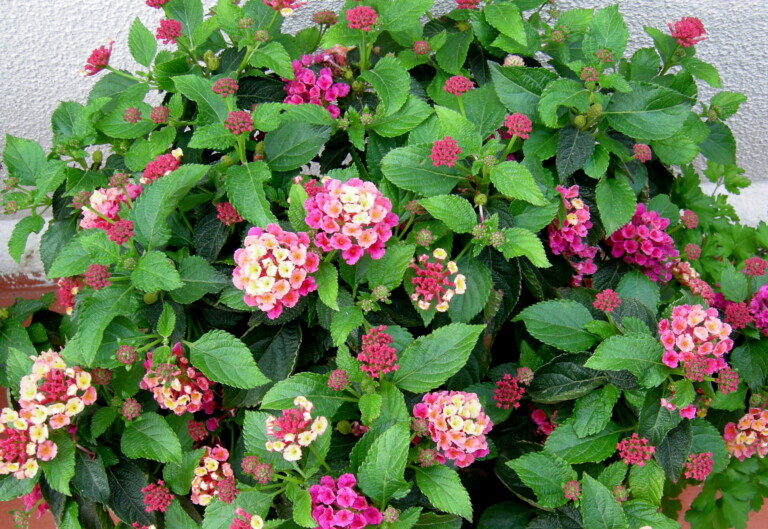
7 Plants That Look Like Lantana
Lantana is an easy-to-grow plant that brings much life and color to your garden. These plants love well-drained soil and…
Plants
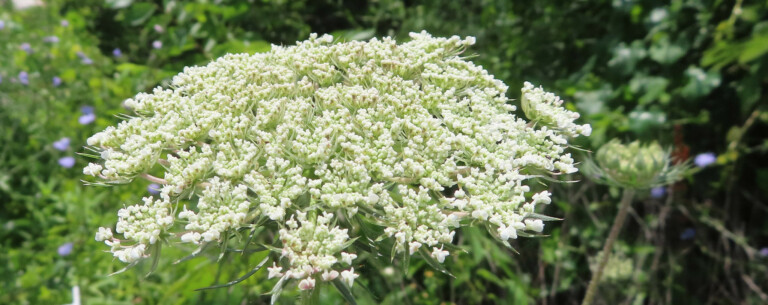
6 Plants That Look Like Queen Anne’s Lace
Queen Anne's lace, or Daucus Carota, is a flower native to Europe, and its tiny white flowers look like lace.…

Plants
25 Poisonous Plants in Massachusetts
There are a few types of dangerous plants in Massachusetts. Some individuals, especially youngsters and animals, may be drawn to…

Plants
24 Poisonous Plants in California
California is the largest agricultural state in all of America and has almost 23 million acres of land reserved for…