
Key Facts
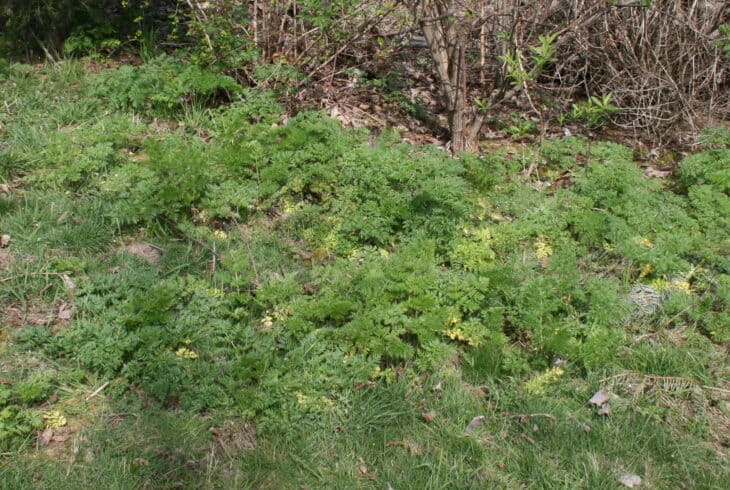
- A biennial or short lived perennial herb that often forms a basal rosette first year and flowers the next year.
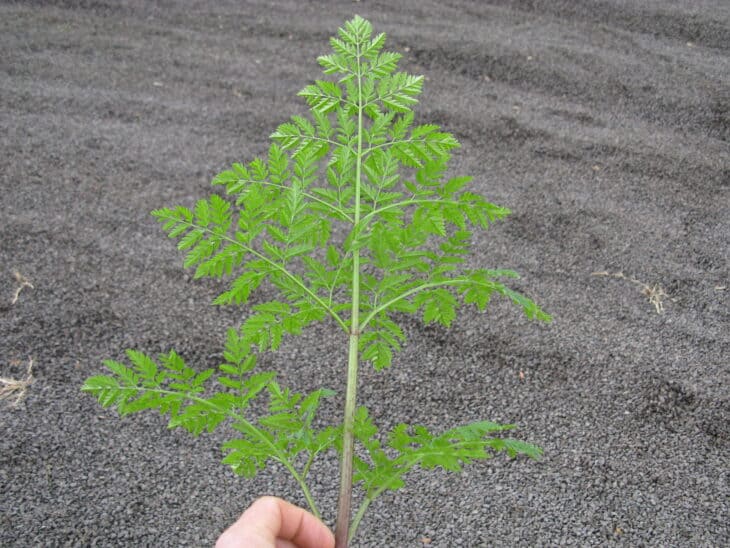
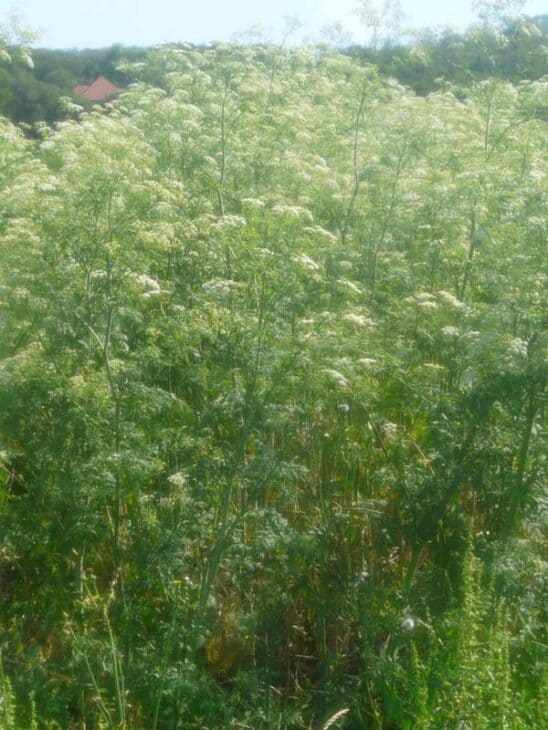
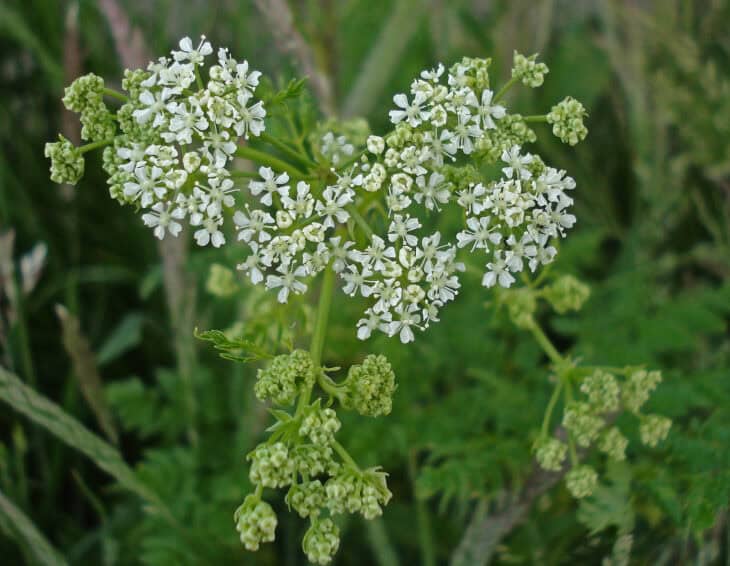
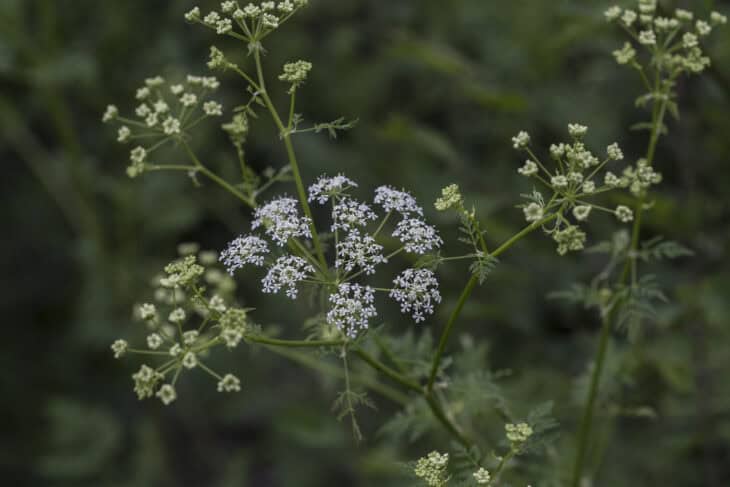
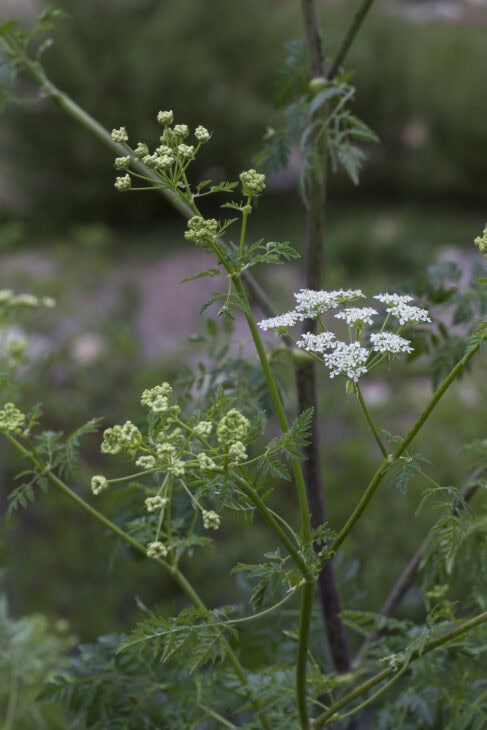
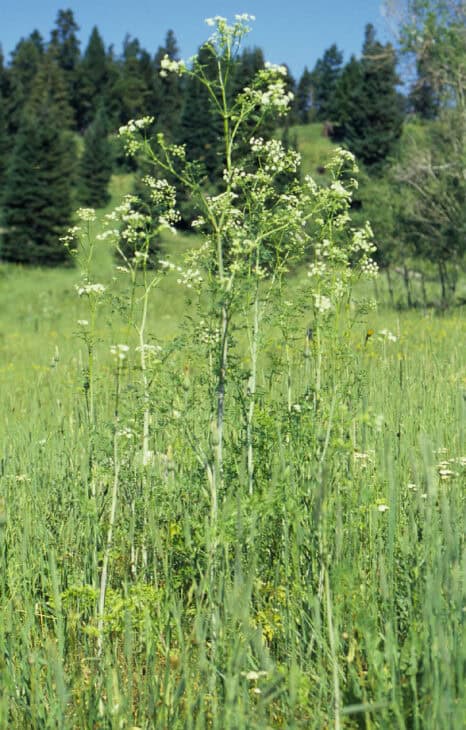
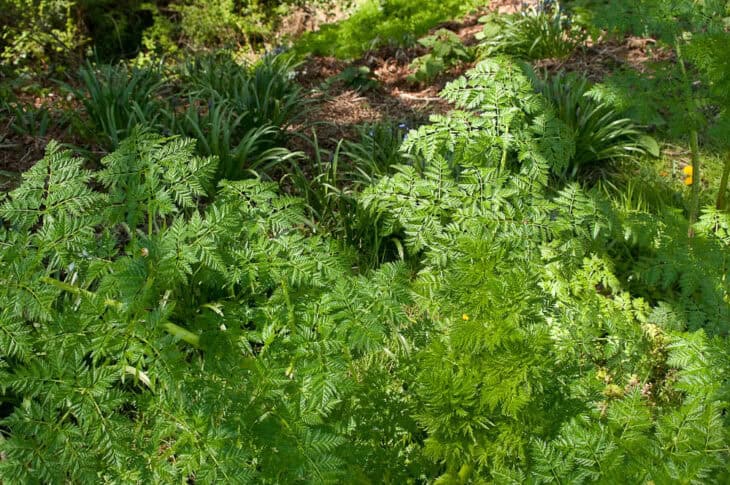
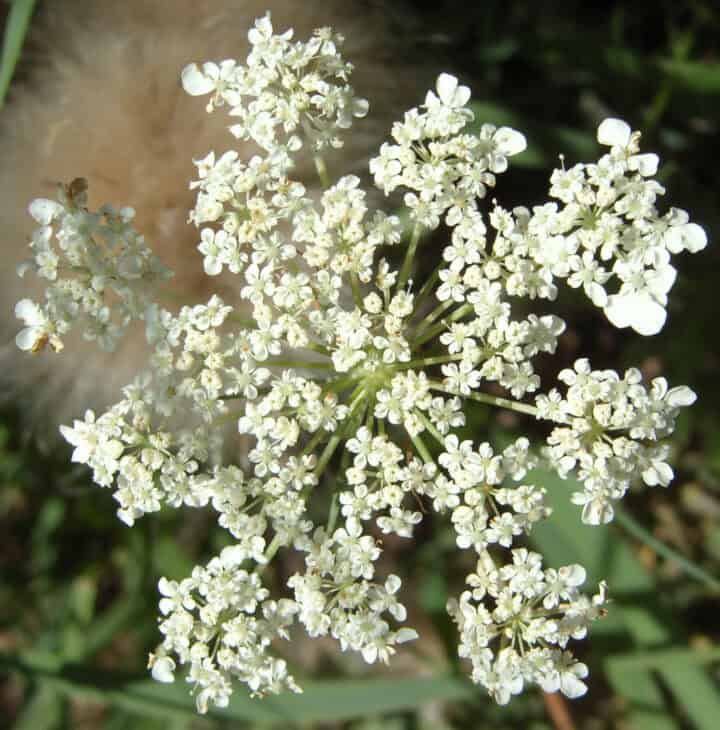
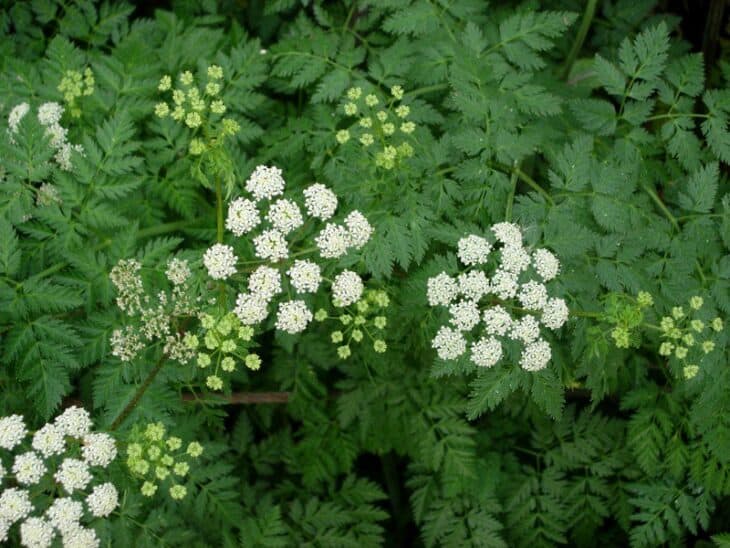
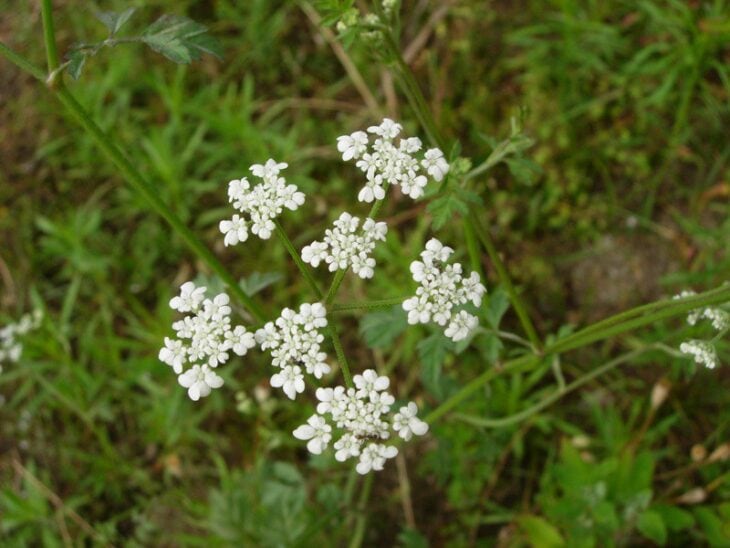
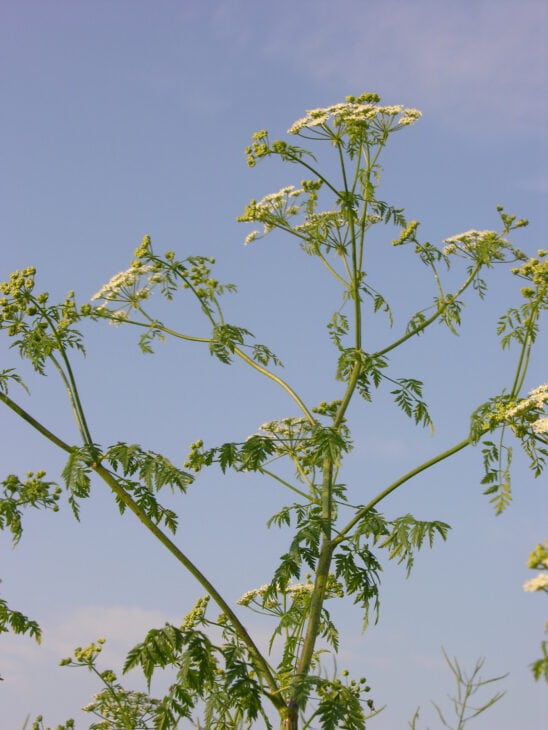
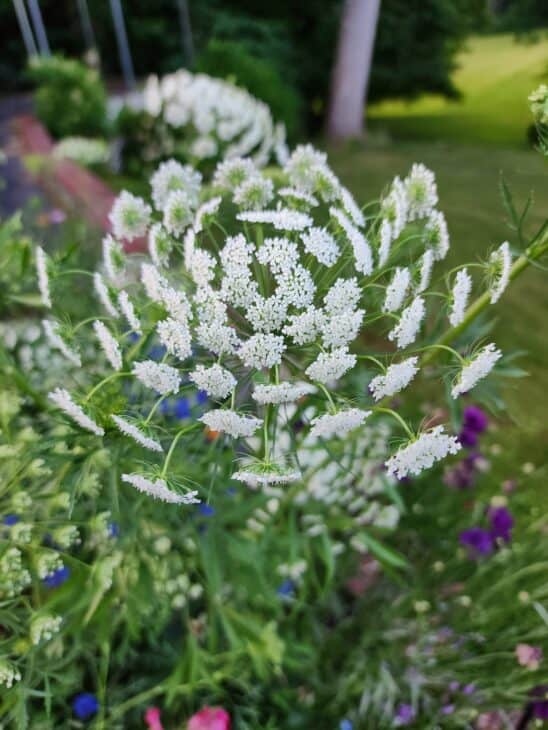
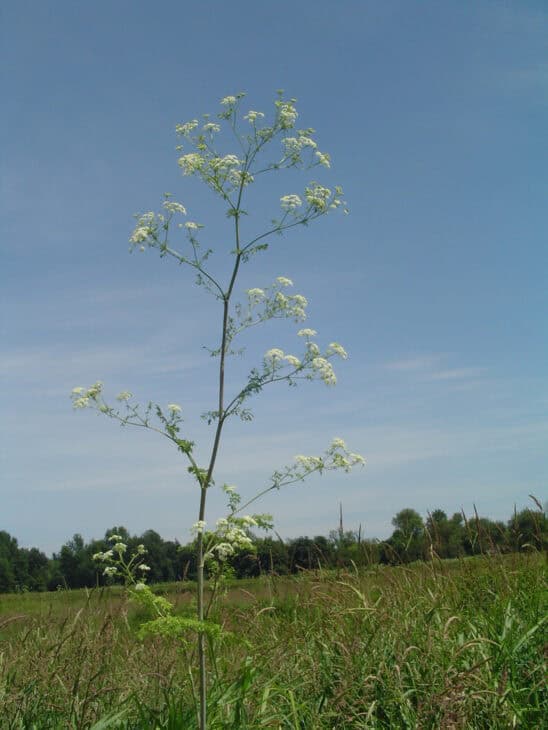
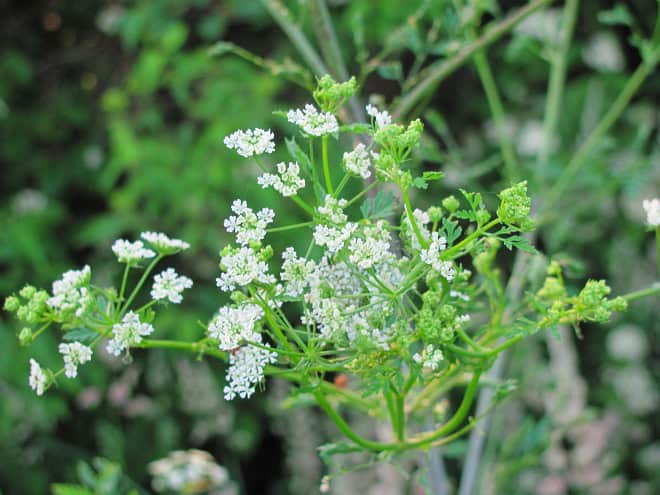
- Tall plant with finely divided, ferny leaves and white umbrella shaped flower clusters.
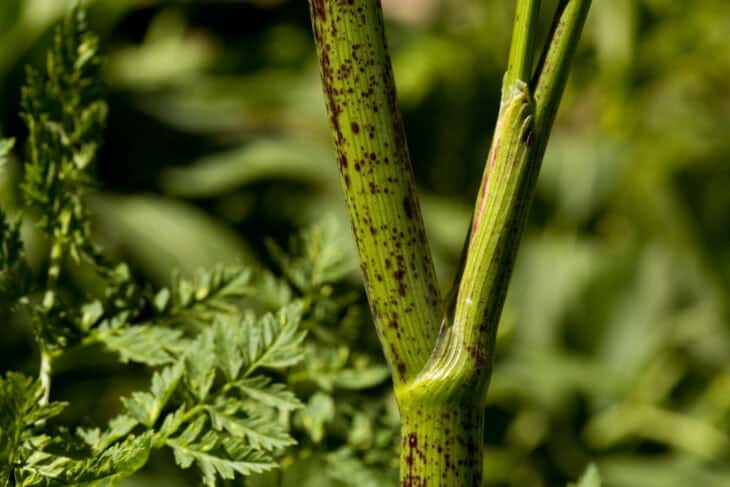
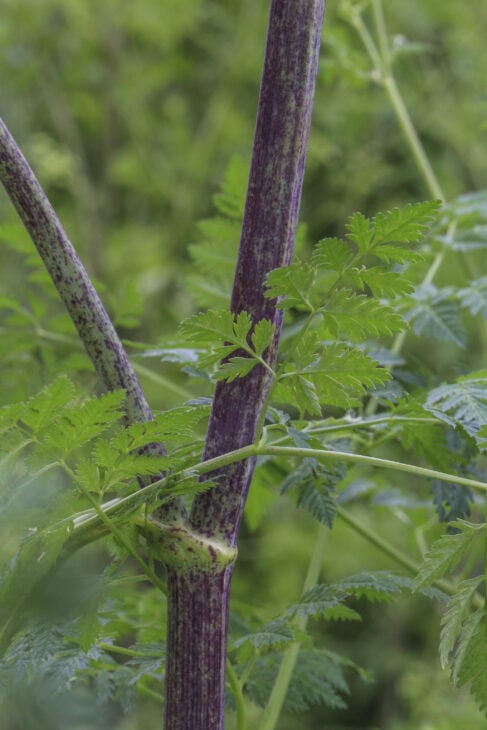
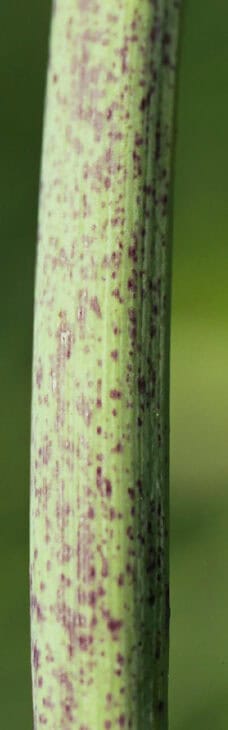
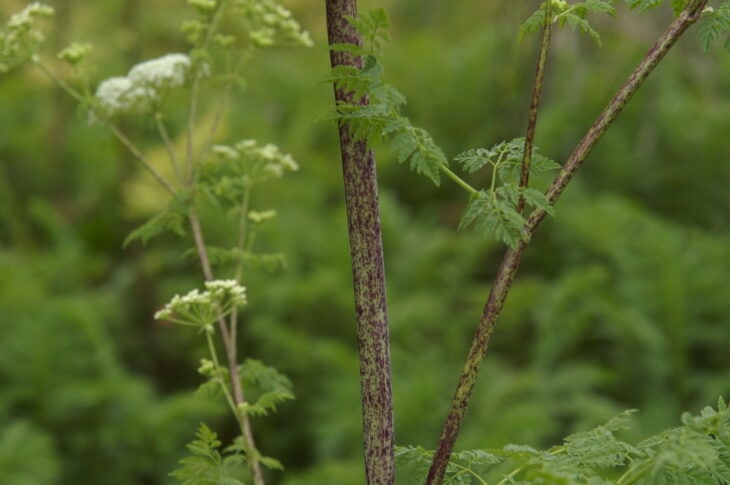
- Stems often show purple spotting or streaking.
- All parts of the plant are toxic to humans and livestock if ingested.
- Spreads primarily by seed and can form persistent seed banks.
- Common in disturbed sites roadsides field edges and waste areas.
- Prefers moist soils but tolerates a wide range of soil types.
- Flowers appear in late spring to summer in many climates.
Poison Hemlock is a tall biennial herb with lacy finely divided leaves and umbrella clusters of small white flowers. It commonly appears on roadsides field edges and other disturbed ground and is not suitable for home planting because all parts are highly toxic.
Identification
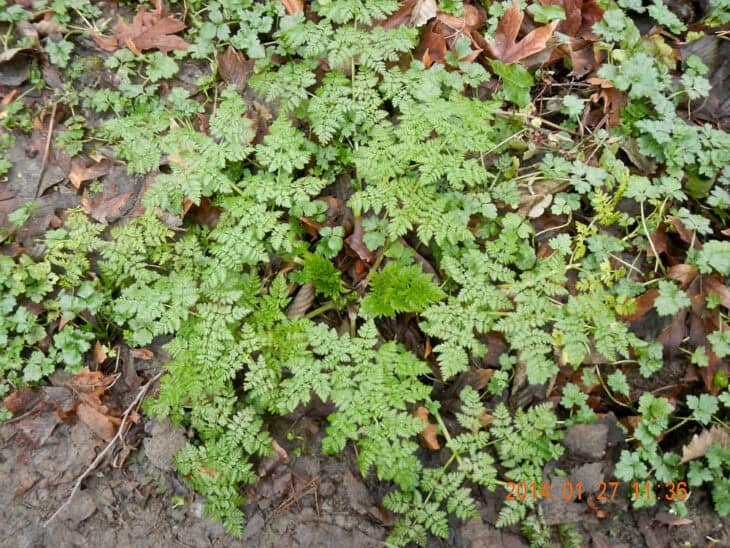
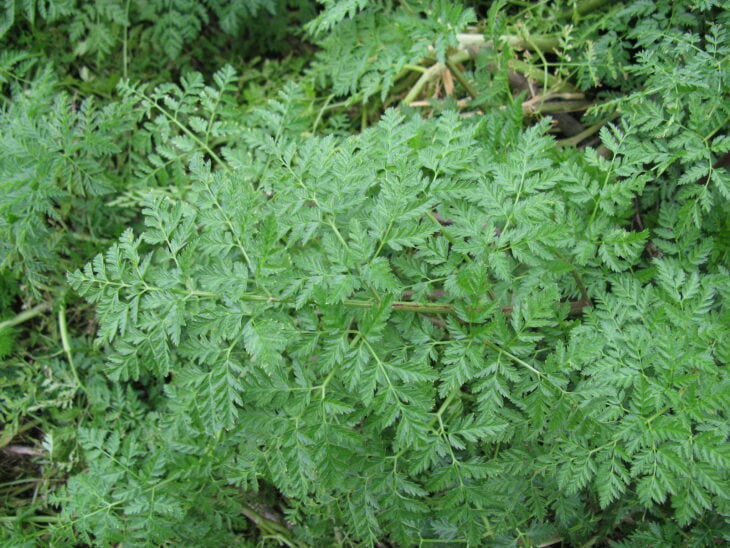
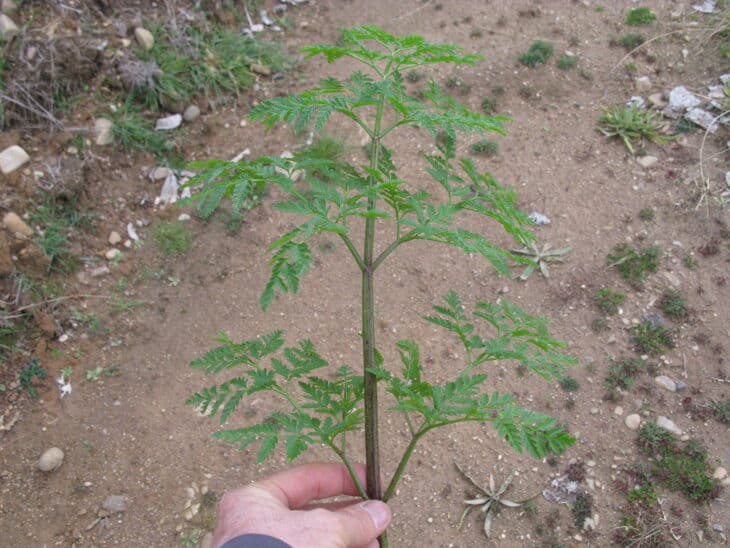
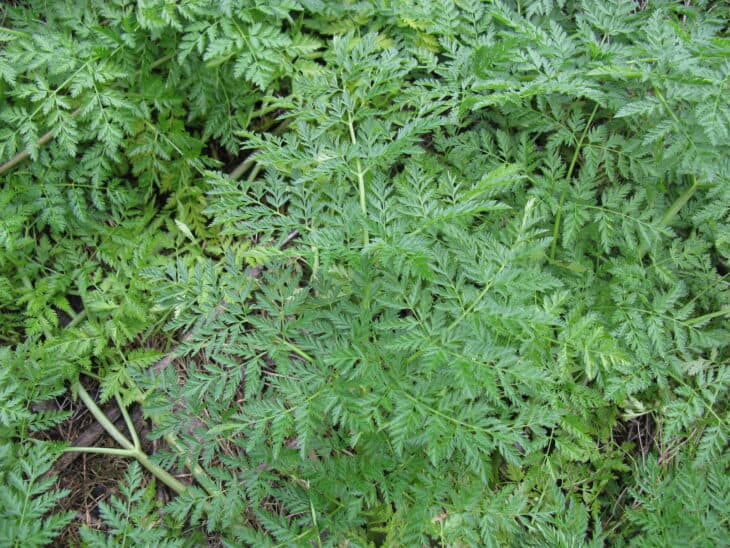
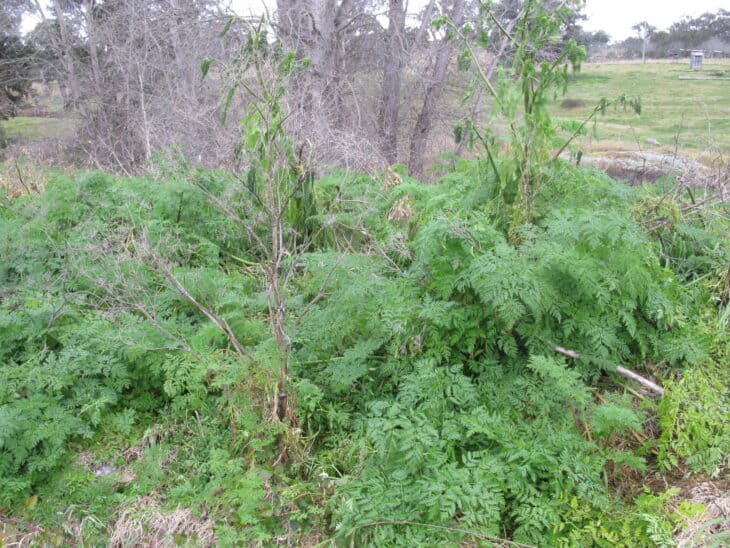
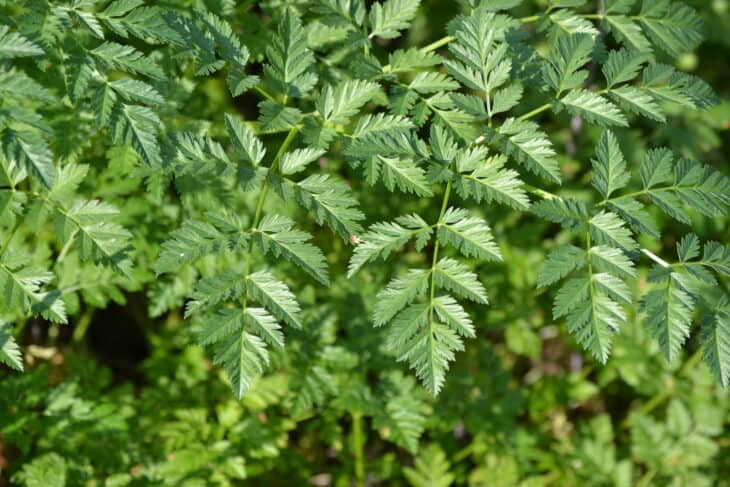
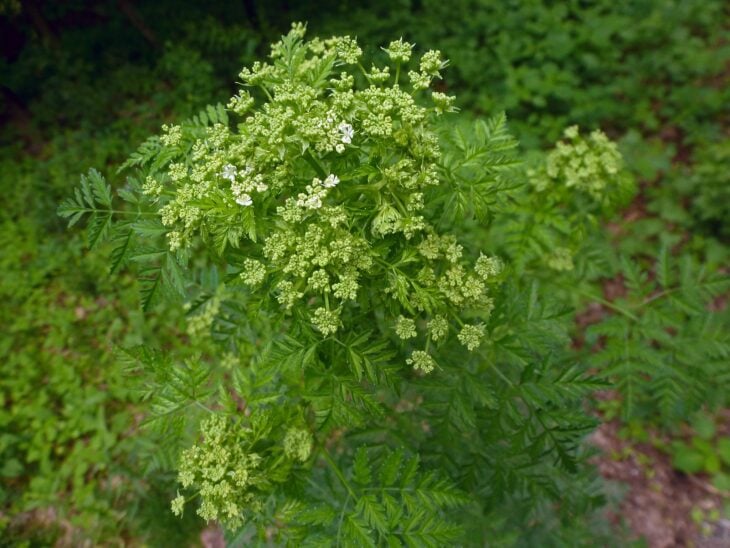
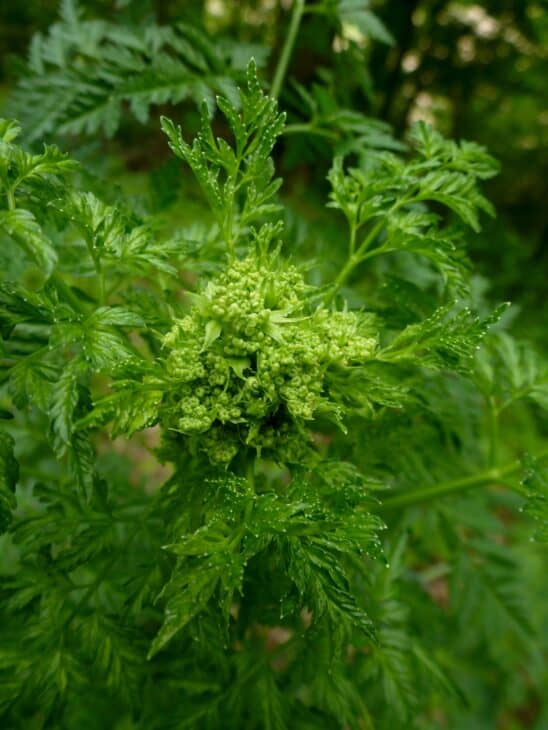
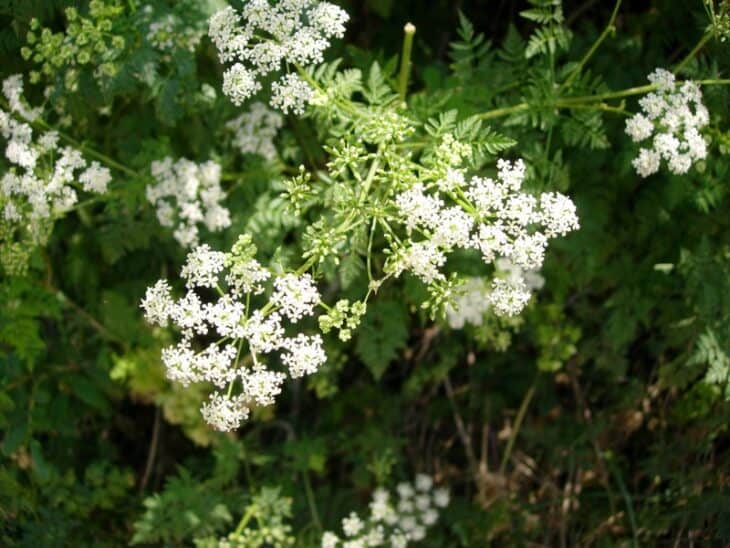
Leaves are finely divided and ferny. Flowers form flat umbrella shaped clusters of small white blooms. Stems often show purple spotting or streaking. Plants typically reach about 4 to 10 ft tall and commonly form clumps roughly 2 to 4 ft across. Plants usually form a basal rosette the first year and send up a flowering stalk the following year.
Where it grows and practical uses
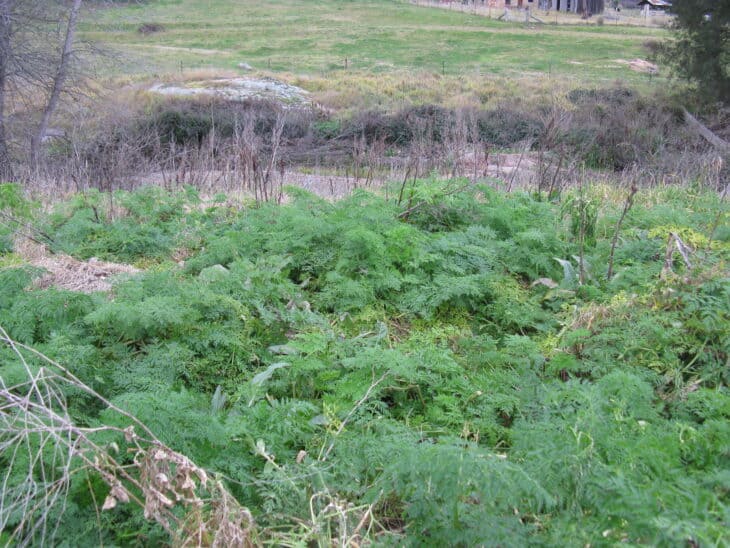
Poison Hemlock thrives in disturbed sites and is common on roadsides field margins and waste areas. It prefers moist fertile soils but tolerates a wide range from sandy to clay. It grows best in full sun but will tolerate partial shade. This species is not recommended for gardens or pastures because it is invasive and highly toxic to people and livestock. Control and removal are typically the practical goals rather than deliberate planting.
Seasonal timing and life cycle
Plants form a rosette in the first year then flower the next year with blooms appearing in late spring to summer in many temperate regions. Flowering months vary by climate with May to July commonly reported in the northern hemisphere. Spread is mainly by abundant seed production so prevent flowering and seed set to limit spread.
Water and soil effects
Plants prefer moist fertile soils and are most vigorous in those conditions. They tolerate a wide range of soil types and neutral to slightly alkaline pH. In very dry soils vigor and flowering decline and fewer seeds form which reduces spread.
After flowering care and control
Removing plants before seed set is the main control strategy. Remove rosettes and young flowering stems while seed heads are immature. Repeated cutting or mowing can reduce seed production. Seed banks can persist so monitor the area for new seedlings for multiple seasons. For disposal and chemical control options consult your local extension or invasive species authority.
Safety and handling
All parts of the plant are toxic to humans and animals and contain alkaloids that can cause severe poisoning if swallowed. Avoid handling bare handed. Wear gloves long sleeves and eye protection when removing plants and wash clothing and tools after work. For suspected poisoning contact local poison control or a healthcare provider and consult a veterinarian for animal exposures.
Propagation and spread
Propagation is almost entirely by seed. Plants set abundant seed and will self seed freely forming dense stands on disturbed ground. Seed bank longevity varies by study so expect follow up control for several years after removal.
Frequently asked questions
- How fast does Poison Hemlock grow?
- Growth varies by site but the normal pattern is a rosette in year one and rapid upward growth to full flowering height in year two. In favorable conditions the flowering stalk can reach several feet in a single spring.
- Is Poison Hemlock poisonous to pets?
- Yes it is toxic to animals. If a pet is suspected to have eaten any part of the plant contact a veterinarian and your regional poison control or animal poison hotline.
- How do I remove Poison Hemlock safely?
- Wear protective clothing and gloves avoid inhaling dust or plant fragments and remove plants before seeds form. Bag or otherwise contain seed heads and consult local guidance for disposal. Wash hands and tools after handling.
- Will pulling it once stop it from coming back?
- Not always. Seed banks and overlooked seedlings can cause reappearance so follow up monitoring and repeated removal are usually required.
- When does Poison Hemlock flower?
- Flowering typically occurs in late spring to summer with May to July commonly reported in the northern hemisphere depending on local climate.
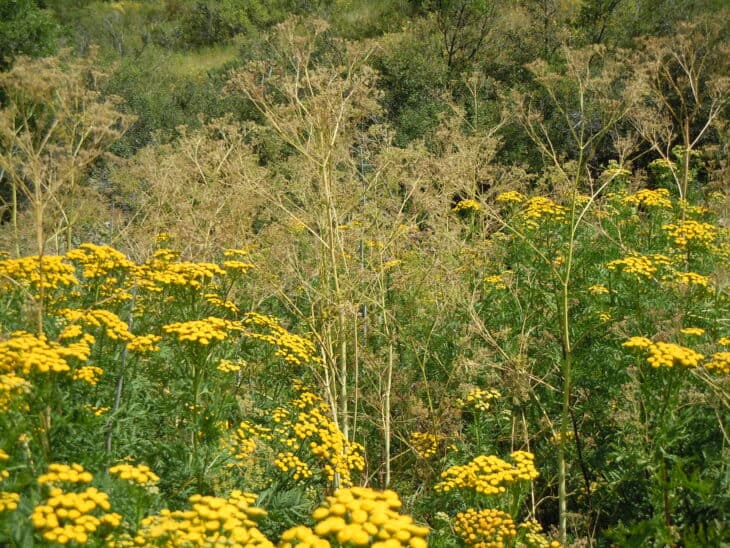
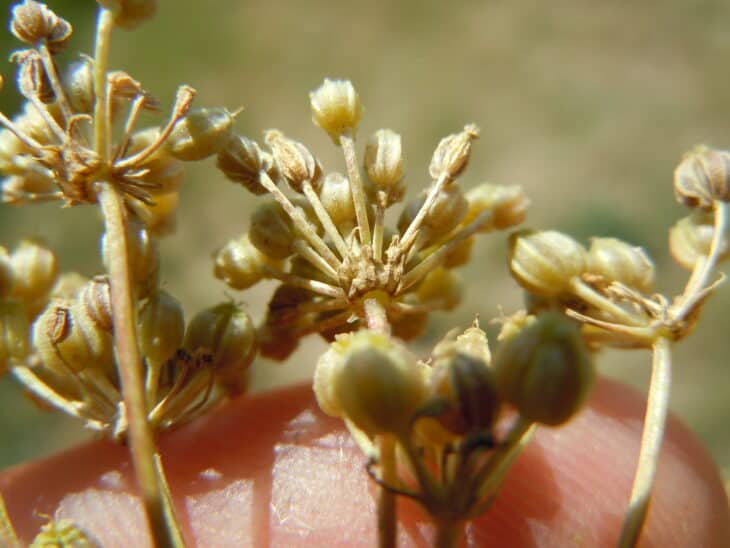
Gallery
Related Plants


Mentioned In (8)
Plants
27 Poisonous Plants in Texas (and What to Do After Contact)
The poisonous plants you are most likely to meet in Texas are poison ivy, poison oak and Texas bull nettle,…
Plants
22 Poisonous Plants in Ohio (and What to Do After Contact)
The poisonous plants that cause the most trouble in Ohio are poison ivy and wild parsnip, which injure skin, and…

Plants
18 Poisonous Plants in Michigan (and What to Do After Contact)
The poisonous plants you are most likely to meet in Michigan are poison ivy, poison sumac, wild parsnip and giant…
Plants
25 Poisonous Plants in Pennsylvania (and What to Do After Contact)
The poisonous plants you are most likely to meet in Pennsylvania are poison ivy, which grows in every county, and…

Plants
29 Poisonous Plants in Tennessee (With Photos and First Aid)
The poisonous plants you are most likely to meet in Tennessee are poison ivy, which grows in every county, and…

Plants
17 Plants That Look Like Ferns (But Aren’t)
Many plants have finely divided, feathery leaves that look like fern fronds but are not ferns. In the garden, the…
Plants
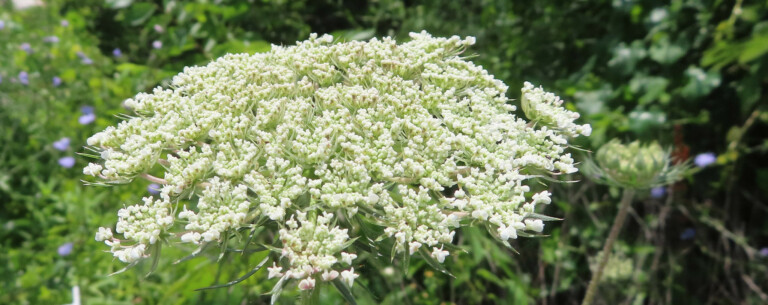
12 Plants That Look Like Queen Anne’s Lace (Some Are Deadly)
The most dangerous plants that look like Queen Anne's lace are poison hemlock and water hemlock, which can kill if…

Plants
9 Plants That Look Like Parsley (3 Are Deadly)
Most plants that look like parsley are its relatives in the carrot family (Apiaceae), and several of them are among…