
Key Facts
- Perennial wildflower native to the Rocky Mountains.
- State flower of Colorado.
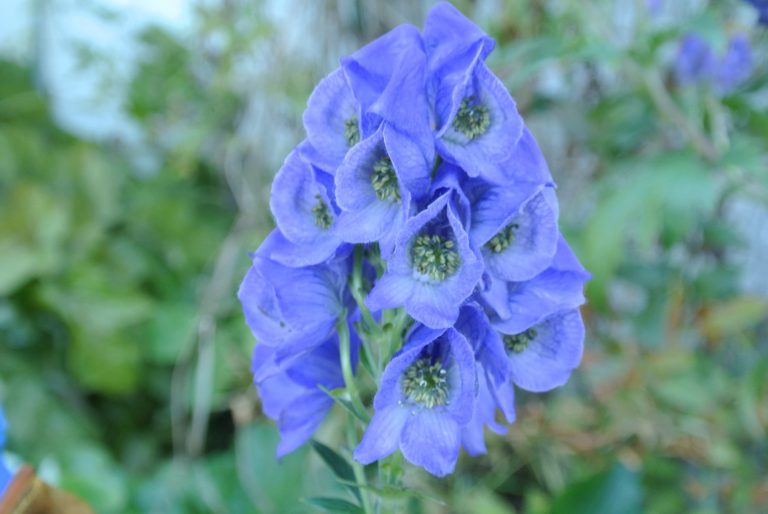
- Nodding spurred flowers in shades of blue and white.
- Attracts hummingbirds and spring pollinators.
- Prefers well drained soil and cooler summer sites.
- Will self seed in favorable conditions.
- Propagated easily by seed and by division of clumps.
Colorado Blue Columbine is a perennial wildflower native to the Rocky Mountains with nodding blue and white spurred flowers that attract hummingbirds and spring pollinators. It performs well in cool, well drained sites but will self seed where conditions suit it.
Identification
Single plants form clumps of divided leaves with tall stalks bearing nodding spurred flowers in blue and white. Typical plants reach about 12 to 24 inches tall and spread roughly 12 to 18 inches as a clump.
Best uses
Use Colorado Blue Columbine in wildflower meadows, woodland edges, and front of mixed borders where its airy flowers can show through. It naturalizes with seed so it is useful for informal plantings and pollinator gardens, while reseeding can be a drawback in tightly planted beds.
Where to grow and hardiness
Sources report hardiness from USDA zone 3 up to zone 8. Plants are adapted to cooler mountain summers and may be shorter lived in warmer lowland climates, often persisting through self seeding rather than long lived clumps.
Planting and spacing
Space plants about 12 to 18 inches apart to allow clump development and air circulation. Sow seed in fall or stratify and sow in spring, or plant divisions in early spring or after flowering.
Soil and watering
Plant in well drained, average to rich soil with neutral to slightly acidic pH. Poor drainage causes crown and root rot and reduces vigor, so avoid waterlogged spots and provide steady moisture until plants are established.
Light and heat
Grows in full sun to part shade and benefits from afternoon shade in hot climates. Too much shade reduces flowering while full sun in cool sites produces the best bloom.
After flowering and maintenance
Deadhead spent flowers to limit reseeding where you want tighter control, or leave some seed heads to encourage naturalizing. Divide older clumps to rejuvenate plants and restore flowering.
Propagation
Propagate by seed, by dividing clumps, or by basal cuttings in some forms. Seed sown in fall often establishes naturally, and divisions are best done in early spring or after blooming. Seedlings may not come true to named cultivar colors.
Controlling spread
Colorado Blue Columbine will self seed in favorable sites. Remove seed heads to reduce volunteers, pull or transplant seedlings that appear in unwanted places, and divide clumps to keep plantings tidy.
Frequently asked questions
- How fast does Colorado Blue Columbine grow?
- Growth is moderate. Established plants commonly reach their mature height of about 12 to 24 inches in a single season and will form a clump that spreads over time as plants self seed and produce basal shoots.
- When does it bloom?
- Blooms in late spring to early summer, with timing varying by elevation and local climate.
- How do I propagate Colorado Blue Columbine?
- Propagate by seed sown fresh or sown in fall, by division in early spring or after flowering, and sometimes by basal cuttings. Seeds from cultivars may not reproduce true to color.
- Is Colorado Blue Columbine poisonous?
- Sources differ on toxicity. Some list it as mildly poisonous if ingested. Check with local poison control or a university extension for authoritative safety guidance.
- What light does it need?
- Full sun to part shade. In hot climates provide some afternoon shade to improve longevity and flowering.
- How do I prevent crown rot?
- Plant in well drained soil, avoid waterlogged sites, and improve drainage with organic matter or raised beds to reduce the risk of crown and root rot.
Related Plants


Mentioned In (1)
Plants
25 Poisonous Plants in Colorado
Colorado is home to abundant species of plants, including some poisonous varieties that might appear benign but can do significant…