
Key Facts
- Aromatic evergreen shrub native to the Mediterranean region.
- Used fresh and dried as a culinary and medicinal herb.
- Drought tolerant once established.
- Prefers well drained, sandy to loamy soils.
- Performs best in full sun.
- Commonly grown from stem cuttings.
- Mature plants are woody and can live many years.
Rosemary is an aromatic evergreen shrub grown for its needle like leaves and fragrant flowers. It is used fresh and dried in the kitchen and suits sunny borders, herbs beds and containers where drainage is good.
Identification
Needle like evergreen leaves that smell piney when crushed identify this shrub. Plants become woody with age and usually reach between 2 and 6 ft 60 to 180 cm depending on cultivar and growing conditions. Flowers appear late winter to spring and may bloom sporadically in mild climates.
Where to grow Rosemary
Rosemary performs best in full sun and well drained sandy to loamy soil. It tolerates neutral to slightly alkaline pH and avoids heavy clay and waterlogged positions which cause root rot. In cooler climates grow rosemary where winter drainage is best or move containers under cover for cold spells.
Hardiness and climate
Usda zones 7 to 10 are commonly suitable. In zone 7 give protection in hard winters because plants may suffer dieback. In mild coastal climates rosemary often stays evergreen and flowers more freely.
Planting and spacing
Set plants at the same depth they grew in the nursery pot and firm soil around the roots. Space plants according to the expected spread which commonly ranges from 2 to 5 ft 60 to 150 cm depending on form and pruning. Allow air to move around plants to reduce disease risk.
Watering and soil effects
Rosemary is drought tolerant once established so deep infrequent watering encourages stronger roots. Constant wet soil causes root rot and rapid decline, so improve drainage or use raised beds and containers in heavy soils. New transplants need regular moisture until established.
Pruning and controlling spread
Light pruning after flowering keeps plants compact and encourages fresh growth. Avoid cutting back into old woody wood that may not reshoot. For hedges prune to maintain shape and reduce natural spread if plants begin to sprawl.
Propagation
Propagate reliably from semi ripe or hardwood stem cuttings and by layering. Seed is possible but slower and may not be true to type. Cuttings produce a faster route to established, usable plants.
Containers and poor soils
Rosemary adapts well to containers where drainage can be controlled. Use a free draining potting mix and do not allow the root ball to sit in water. Containers let you move plants to shelter for winter protection in marginal zones.
Toxicity and pet safety
Fresh and dried rosemary leaves are considered low risk for people and are not listed as toxic to cats and dogs by major pet authorities. Concentrated essential oil can be hazardous if ingested or applied to skin so keep oils away from pets and children and consult poison control for exposures.
Frequently asked questions
- How fast does Rosemary grow?
- Growth is moderate and varies with cultivar and site. Many plants reach a usable shrub size and height over a few seasons and continue to thicken and wood up with age.
- When does Rosemary bloom?
- Flowers commonly appear late winter to spring and may reflower intermittently in mild climates.
- Can Rosemary survive freezing weather?
- Survival depends on cultivar and winter severity. Usda zones 7 to 10 are commonly suitable and plants in colder areas may need protection or may die back to the roots.
- How should I water Rosemary?
- Keep soil evenly moist while plants establish then water deeply but infrequently. Avoid waterlogged soil which leads to root rot and plant decline.
- What is the best way to propagate Rosemary?
- Root stem cuttings and layering are the fastest and most reliable methods to produce plants true to type.
Related Plants


Mentioned In (6)

Plants
9 Plants That Look Like Thyme
Thyme has been used as a flavor for food and burned as incense in temples. It has been and still…

Plants
10 Plants That Look Like Tarragon
Tarragon (Artemisia dracunculus) is a perennial herb that grows wild in North America, Europe, and Asia. It is used in…

Plants
9 Plants That Look Like Sage
Sage (Salvia officinalis) is an herbaceous plant often used in cooking worldwide. Sage has long, oval leaves that look wrinkled…

Plants
8 Plants That Look Like Lamb’s ear
Lamb’s ear (Stachys byzantine) is a unique plant with velvety leaves that hang downwards to form "lamb’s ears". Lamb’s ear…
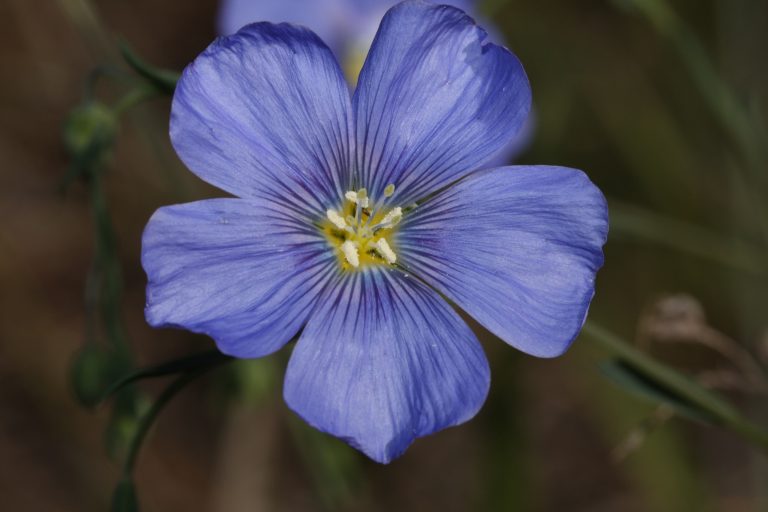
Plants
35 Beautiful Blue Perennials For Your Garden
Blue is one of the rarest flower colors in nature—and it’s also a longtime favorite with gardeners. That sense of…

Plants
Top 12 Insect Repelling Plants
Want to enjoy your patio without the constant buzz and bite of mosquitoes? While no plant alone will eliminate these…