
Key Facts
- A perennial flowering herb in the mint family.
- Native to parts of California and associated coastal and montane habitats.
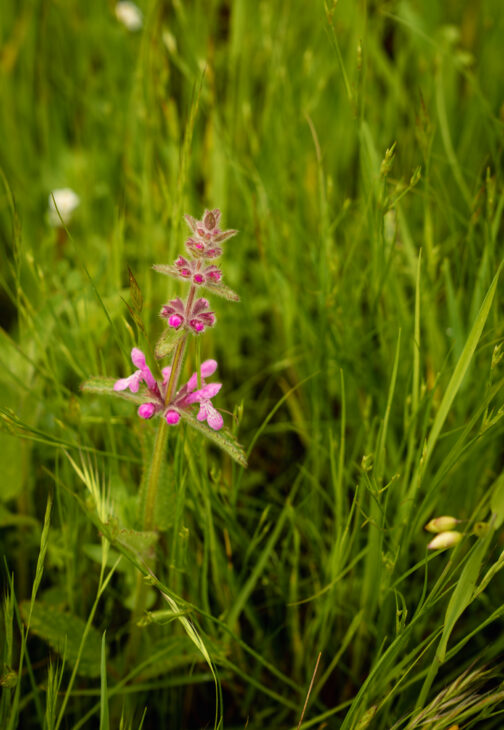
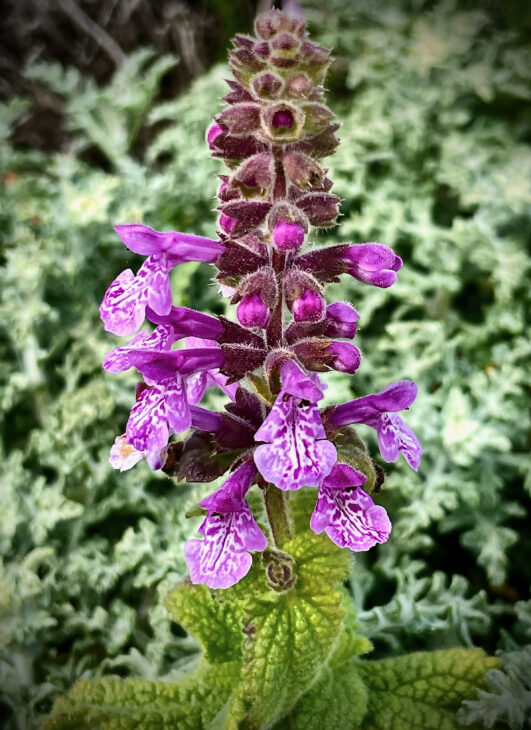
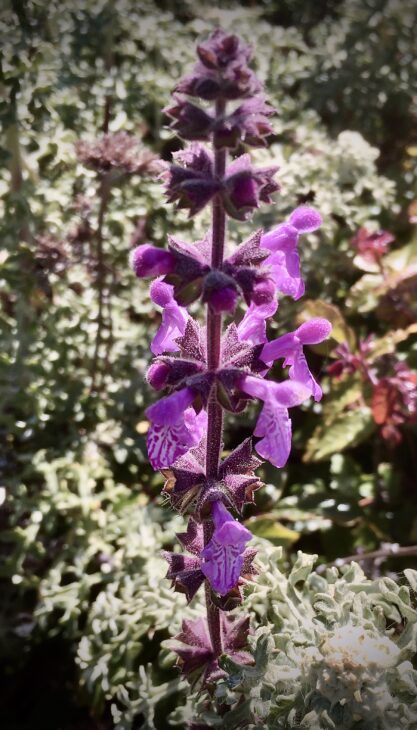
- Produces dense spikes of tubular pink to rose flowers.
- Prefers shaded to partly shaded, moist woodland or riparian sites.
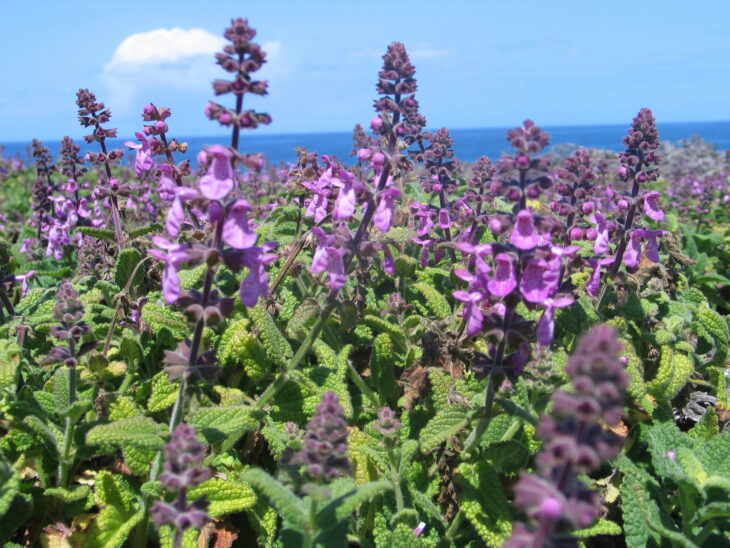
- Forms upright clumps of coarse, hairy leaves.
- Valued by bees and other pollinators.
- Not a stinging nettle despite the common name.
Hedge Nettle (Stachys bullata) is a native perennial mint that forms upright clumps of coarse, hairy leaves and bears dense spikes of pink to rose tubular flowers. It prefers shaded to partly shaded, moist woodland or riparian sites and is valued by bees and other pollinators.
Identification
Perennial herb in the mint family with square stems, coarse hairy leaves and tight flower spikes. Plants typically reach about 1 to 3 feet tall and form clumps roughly 1 to 2 feet across. Despite its common name it is not a stinging nettle.
Best uses
Plant Hedge Nettle in shade gardens, woodland edges and along streams where moisture is steady. It works well for naturalizing damp, shaded corners and for pollinator plantings. Because it grows in clumps rather than aggressively spreading runners it is suitable for mixed native borders and understory planting.
Planting time and spacing
Space plants about 12 to 24 inches apart to allow clumps to develop. Transplant divisions in spring or fall. Seed is often sown in fall or after a period of cold stratification for better germination.
Soil and watering
Prefers rich, moist and well drained soils and tolerates heavier soils if they remain consistently moist. In dry soils growth and flowering decline. Avoid sites that hold standing water because waterlogged roots may rot.
After-flowering care
Remove spent flower spikes to tidy the planting and to limit self-seeding if desired. Divide older clumps in spring or fall to rejuvenate plants and control spread. Leave some seedheads or spent stems for pollinators if you want to support native bees.
Propagation
Propagate by division of mature clumps in spring or fall. Seed propagation is also used; seeds are often sown in fall or after cold stratification. Local native plant nurseries can provide region-specific germination advice.
Containers and site limitations
Can be grown in large containers if kept in part shade with consistent moisture. Not suitable for hot, dry exposed sites because foliage and flowering decline without steady soil moisture.
Control and naturalizing
Clumping habit makes Hedge Nettle easy to manage. Remove or divide clumps to limit expansion and collect seedheads if you do not want it to naturalize beyond a planting area. It is native to parts of California and is not known as an aggressive invader in its natural range.
Frequently asked questions
- How fast does Hedge Nettle grow?
- Growth is moderate. Individual stems reach their full height in a single season and clumps expand over several seasons to the typical 1 to 2 foot spread depending on moisture and light.
- Is Hedge Nettle a stinging nettle?
- No. Despite the common name it is not a stinging nettle and does not have the irritating hairs associated with Urtica species.
- When does Hedge Nettle bloom?
- Flowers appear from spring into summer, with exact timing varying by local climate.
- Can I grow it from seed?
- Yes. Seed is commonly sown in fall or after cold stratification. Germination methods and success rates vary so consult local native plant resources.
- Can I grow Hedge Nettle in a container?
- Yes, in a large container kept in part shade with regular moisture. Small dry pots and hot sunny exposures reduce vigor and flowering.
Gallery
Related Plants


Mentioned In (1)

Plants
11 Plants That Look Like Lamb’s Ear
The plants that look most like lamb's ear are other silver, woolly-leaved plants: common mullein, rose campion, dusty miller, snow-in-summer,…