
Key Facts
- Native to eastern North America.
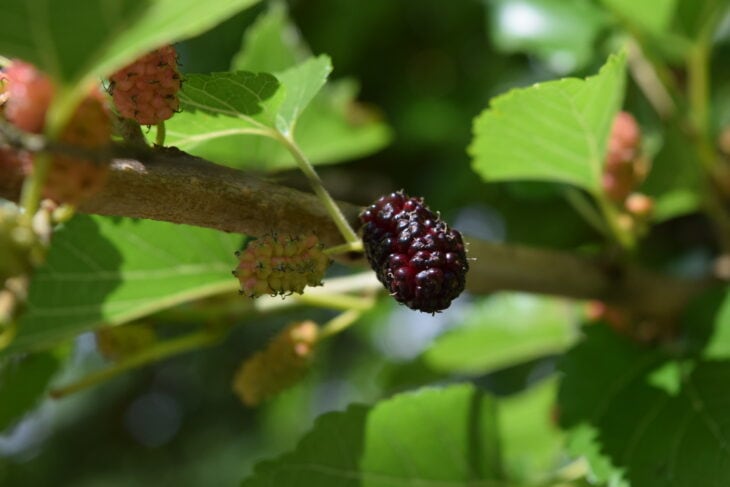
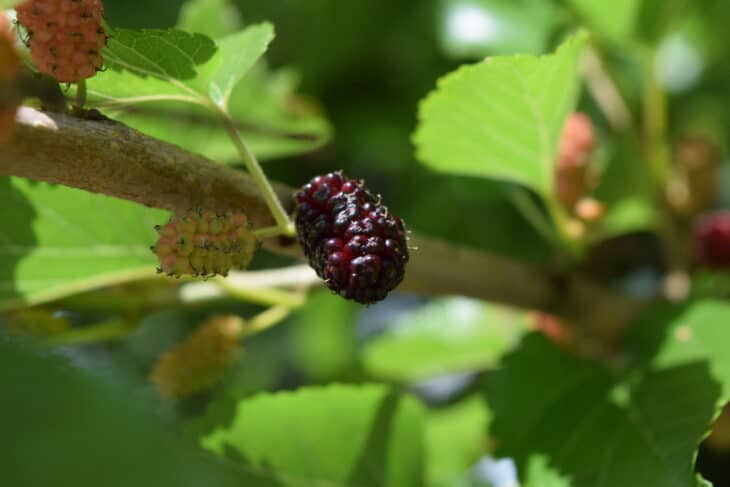
- Deciduous tree that produces edible red to dark purple fruit.
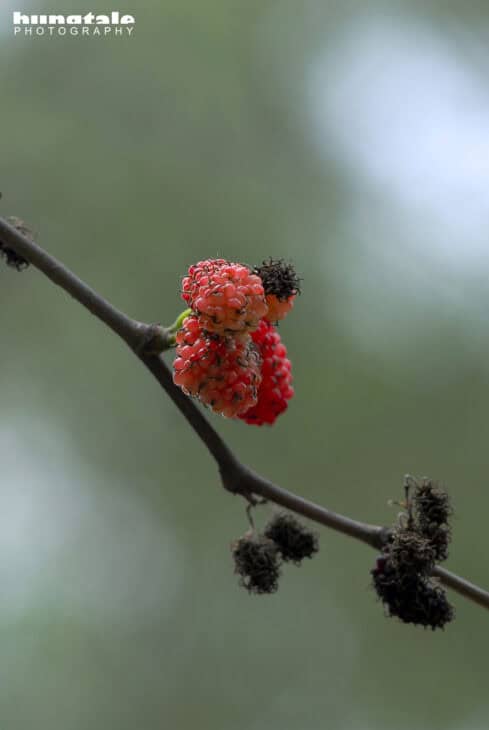
- Fruit ripens on racemes and attracts birds.
- Can hybridize with white mulberry Morus alba.
- Used historically for food and wildlife forage.
- Leaves are browsed by various insects and used for silkworm feed in some contexts.
- Tolerates a range of soils but prefers moist, well drained sites.
Red Mulberries is a deciduous North American tree that produces edible red to dark purple fruit and draws birds to the garden. It makes a useful shade and wildlife tree where space allows, but can spread by root suckers and hybridize with introduced white mulberry.
Identification
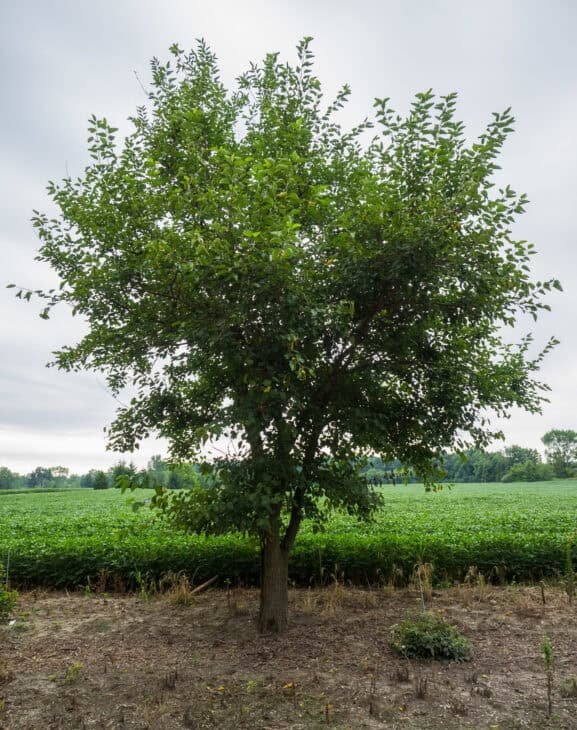
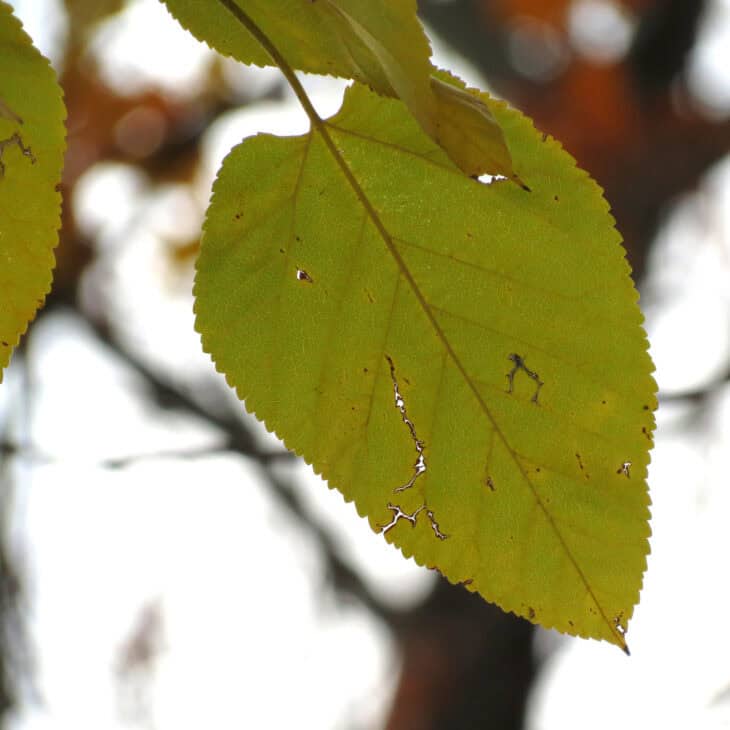
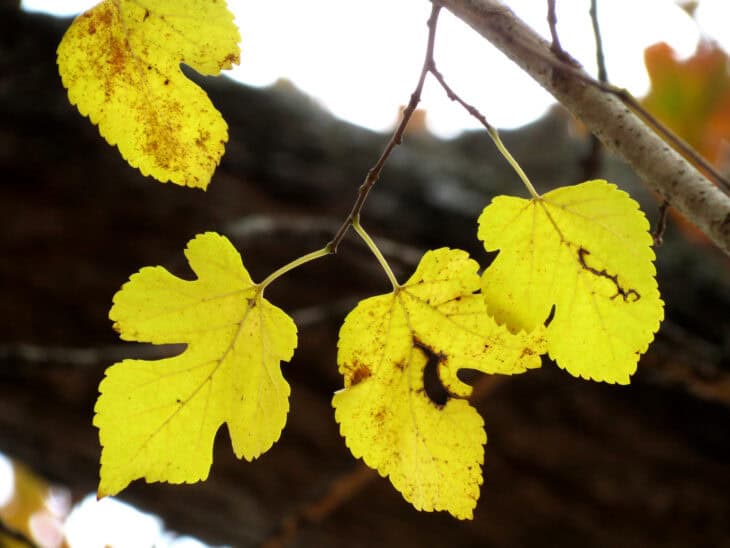
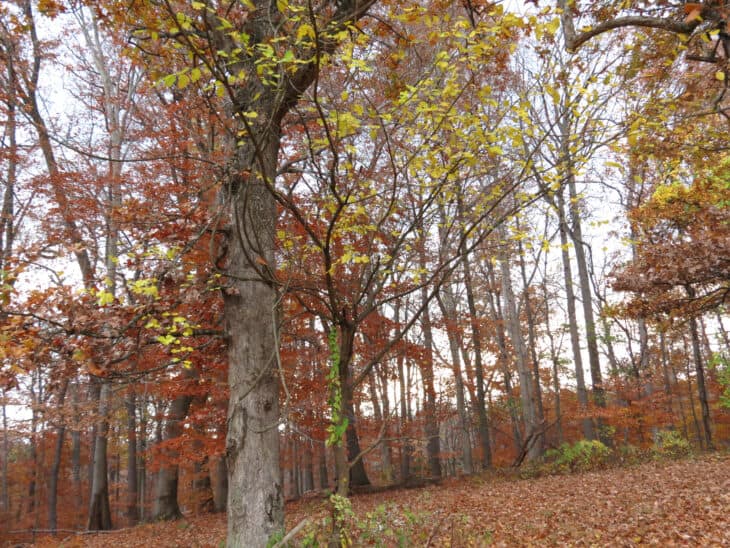
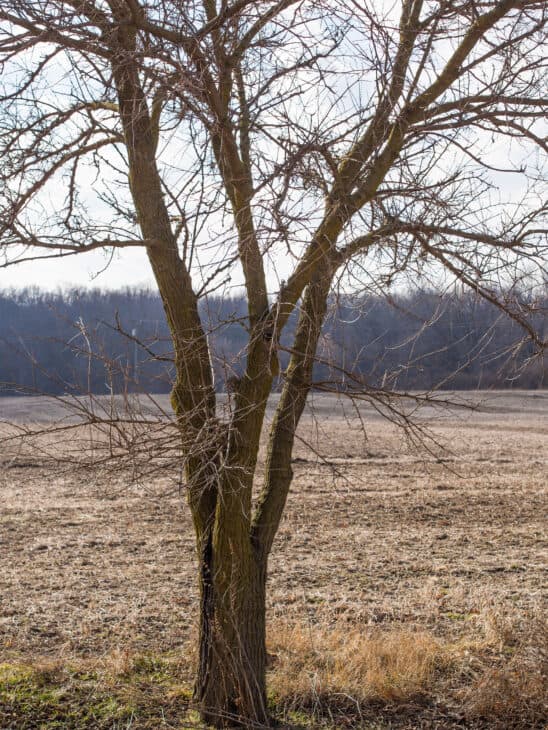
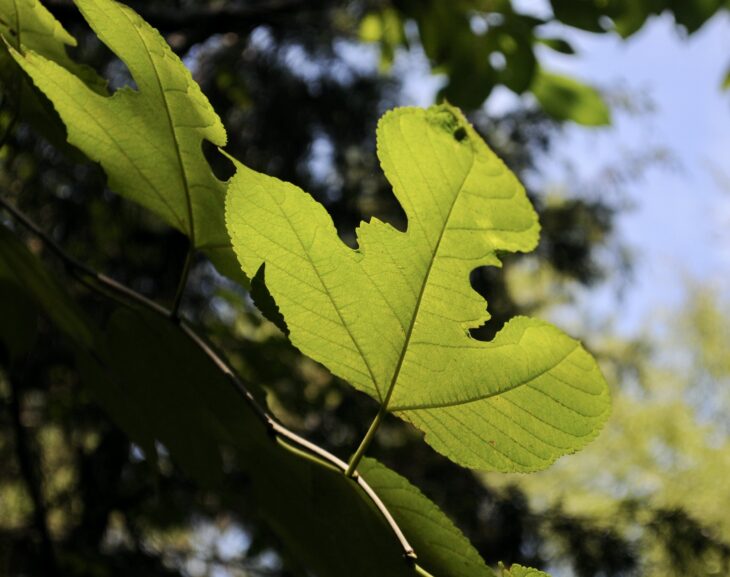
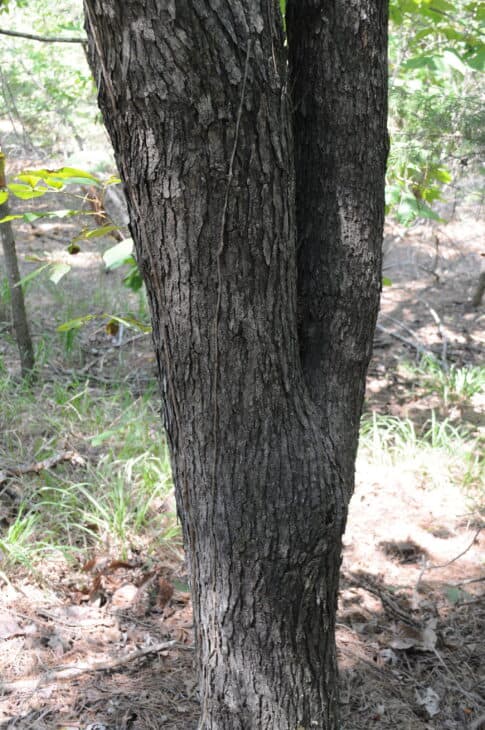
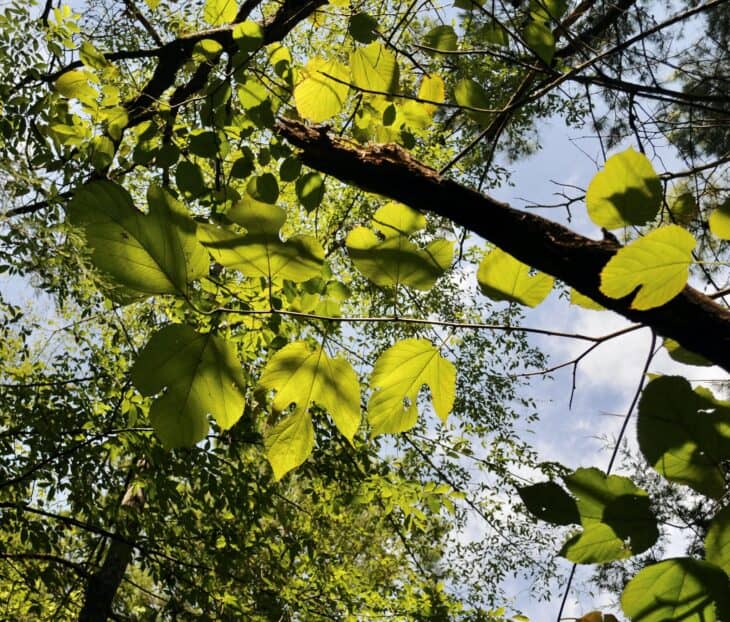
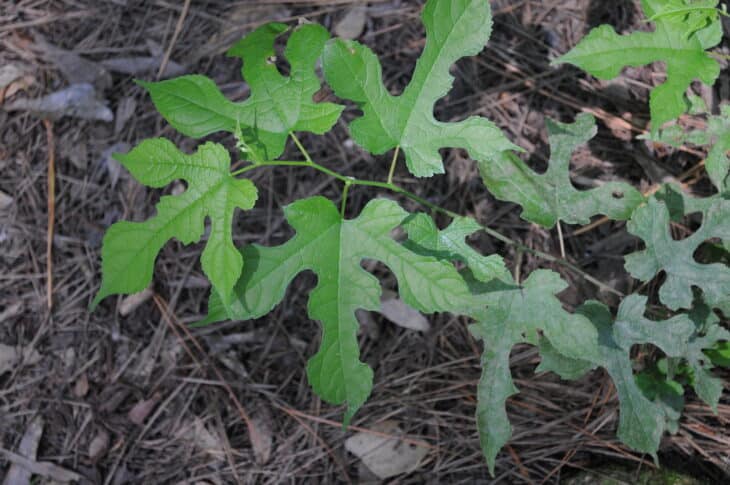
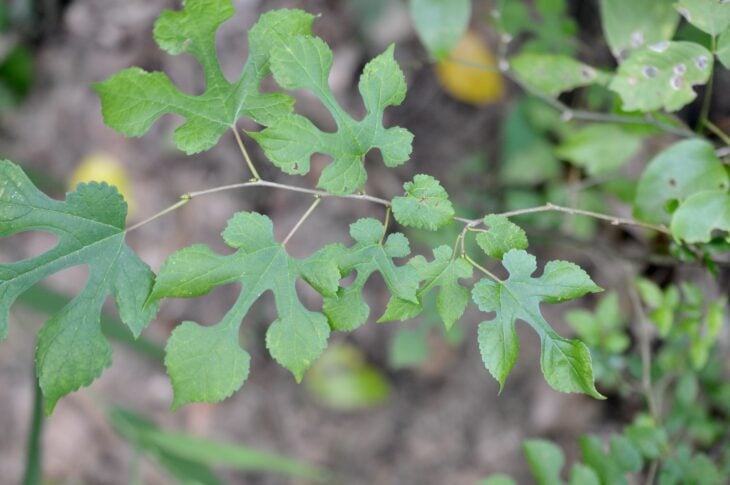
Leaves are broad and deciduous. Flowers appear in spring and fruit form on racemes that ripen to red or dark purple. Mature trees commonly reach about 30 to 50 feet tall with a 20 to 40 foot spread.
Where to grow and best uses
Hardy in USDA zones 4 to 9, it grows best in full sun and tolerates light shade. Prefers moist, fertile, well drained soil but will adapt to heavier clay. Use as a shade tree, wildlife planting or in naturalized areas where occasional suckering is acceptable.
Planting and spacing
Space trees according to their mature spread, roughly 20 to 40 feet apart for a single specimen. Plant so the root flare sits at soil level and avoid low, waterlogged spots that cause root decline. In many temperate regions plant in spring or fall when soil is workable.
Soil and watering
Red mulberry prefers consistently moist soils. Good drainage is necessary because poorly drained sites lead to root problems and poor vigor. Establish young trees with regular watering; on well established trees occasional dry spells reduce vigor and fruiting.
After-flowering care
Fruit attracts birds and wildlife so expect loss to feeders unless fruit is netted or picked promptly. Remove dead or crossing branches and control root suckers to keep the tree in bounds. Older trees may need periodic crown thinning to maintain structure.
Propagation and spread control
Propagate by seed, root suckers, hardwood cuttings or grafting to preserve named cultivars. Seedlings can be variable and may be hybrids where white mulberry is nearby. Remove unwanted suckers at their origin or mow seedlings to prevent naturalizing; grafting is used to retain specific cultivar traits.
Safety notes
Fruit is edible for humans. Not listed as highly toxic, though large quantities can cause digestive upset and sap or unripe fruit can irritate sensitive skin. Consult local poison control or ASPCA resources for pet safety confirmation in your area.
Frequently asked questions
- How fast does Red Mulberries grow?
- Growth is moderate to vigorous in favorable sites; mature height commonly reaches about 30 to 50 feet depending on soil and climate.
- Are the fruits edible?
- Yes. The fruits are edible and ripen to red or dark purple, and they attract birds.
- Will this species hybridize with white mulberry?
- Yes. Morus rubra can hybridize with Morus alba where both are present, which can affect seedling traits and fruit quality.
- How should I propagate Red Mulberries?
- Common methods include seed, root suckers, hardwood cuttings and grafting for named varieties. Seedlings can be variable.
- Can it grow in clay soil?
- It tolerates heavier clay and a range of pH but prefers moist, well drained sites; avoid permanently waterlogged areas.
Gallery
Related Plants


Mentioned In (7)

Plants
5 Plants That Look Like Blackberries
Blackberries are a superfood as they contain vitamin A, a range of B vitamins, vitamin C, vitamin E, and vitamin…

Plants
11 Plants That Look Like Raspberries
Raspberries (Rubus idaeus var.) are some of the most common berries in America since they are native to parts of…
Trees
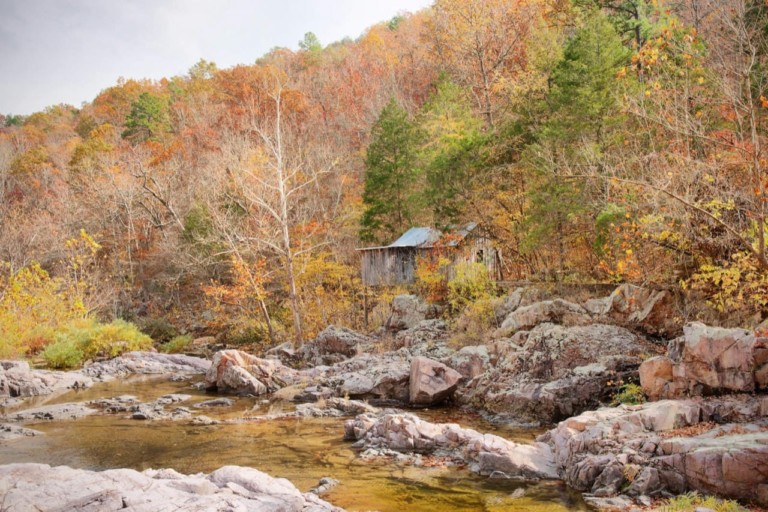
36 Most Common Trees in Missouri
Missouri is located in the Midwestern region of the United States. The gorgeous State is bordered by eight states, including…
Trees
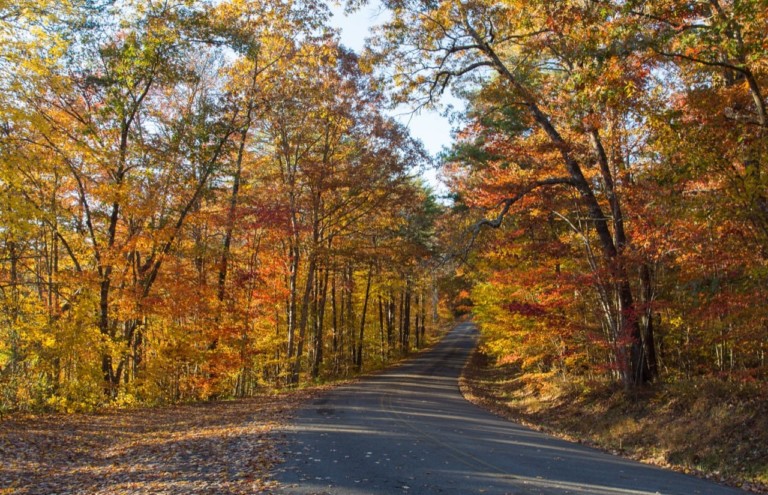
34 Most Common Trees in Alabama
The 30th largest state in the United States of America, Alabama, is home to a mesmerizingly diverse landscape. From hardwood…
Trees
23 Most Common Trees in Nebraska
Nebraska is known for its vast, rich landscapes that are absolutely teeming with wildlife and vegetation. There are approximately 10,000…
Trees
23 Most Common Trees in Illinois
The Midwestern region of the United States is home to Illinois, “the Prairie State." The area is marked by lush…
Trees
20 Most Common Trees in North America
The North American continent is home to an enormously diverse array of landscapes, topographies, geographies, and climates, covering a total…