
Key Facts
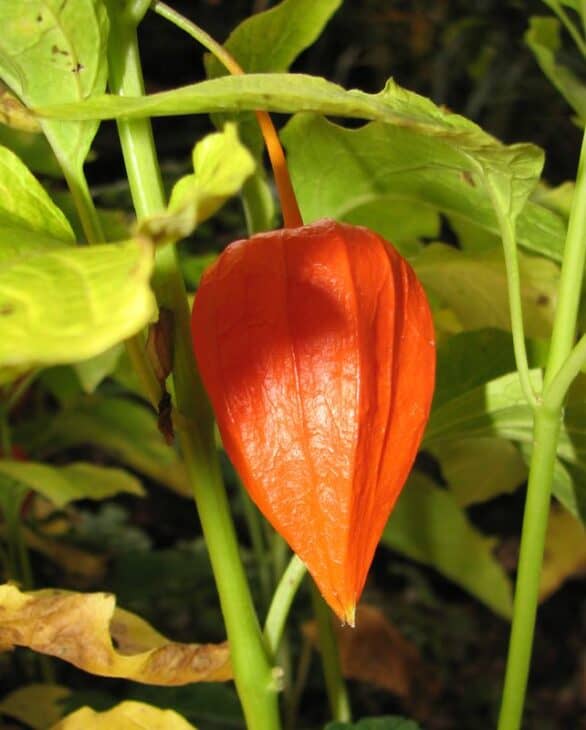
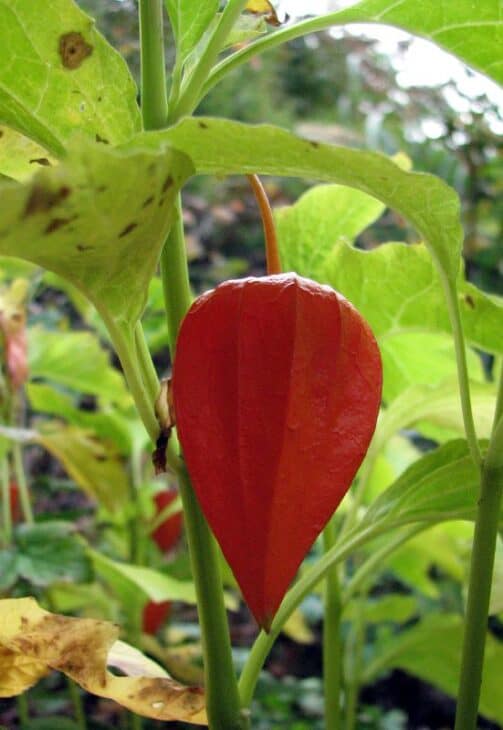
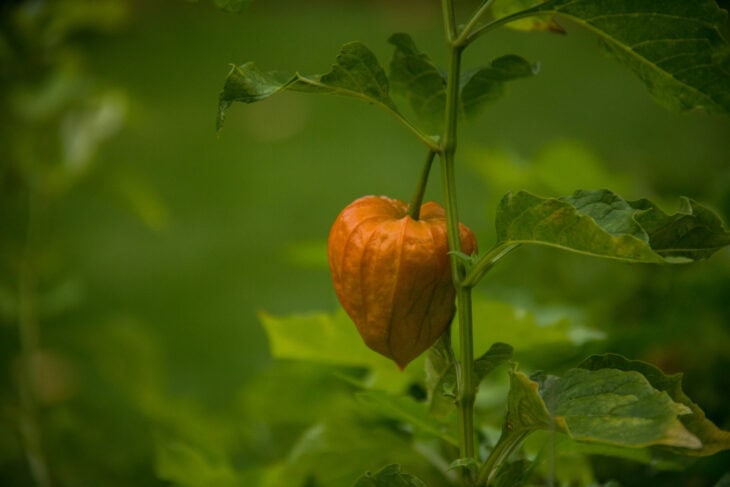
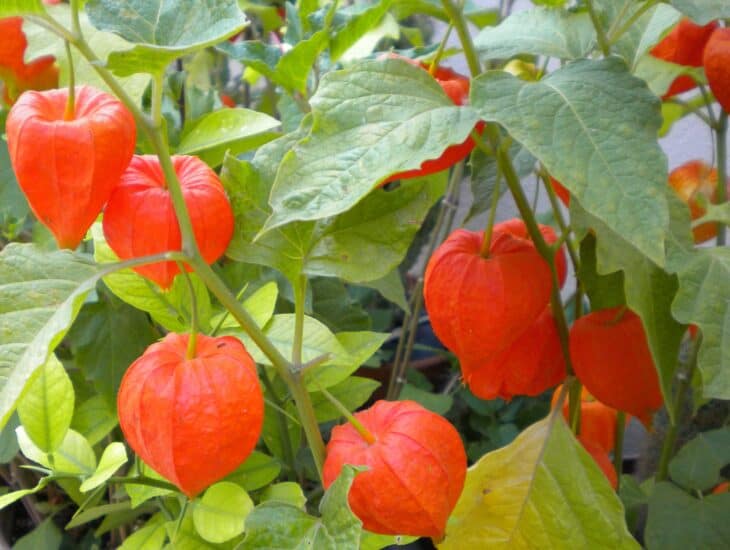
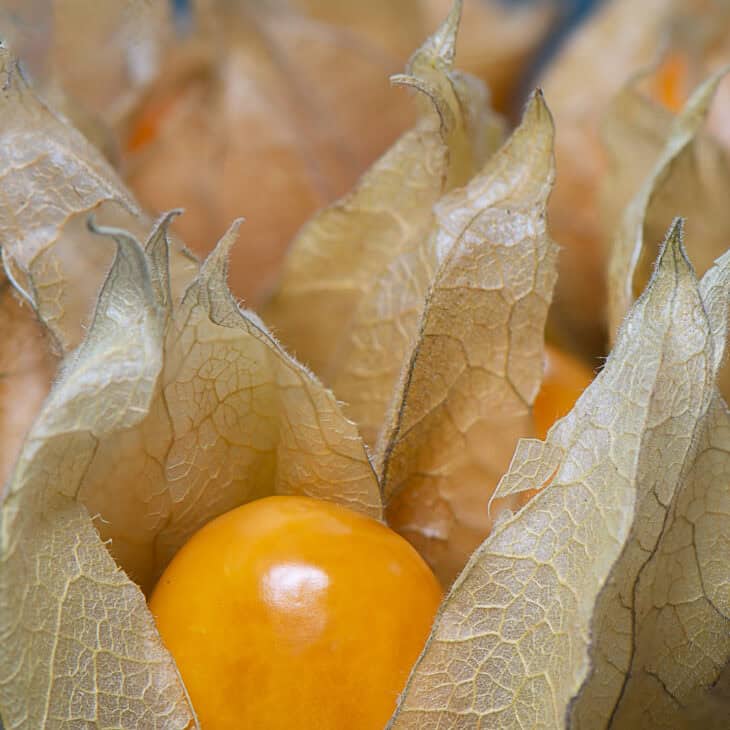
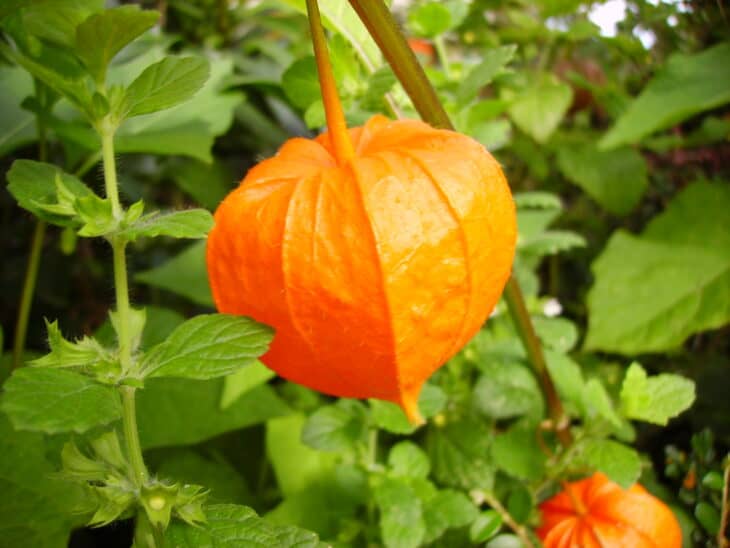
- Perennial herbaceous plant noted for bright orange papery calyces that enclose a berry.
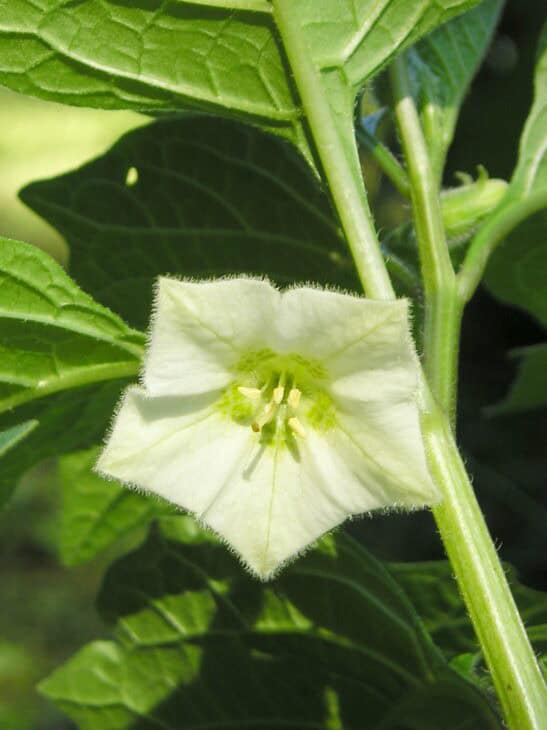
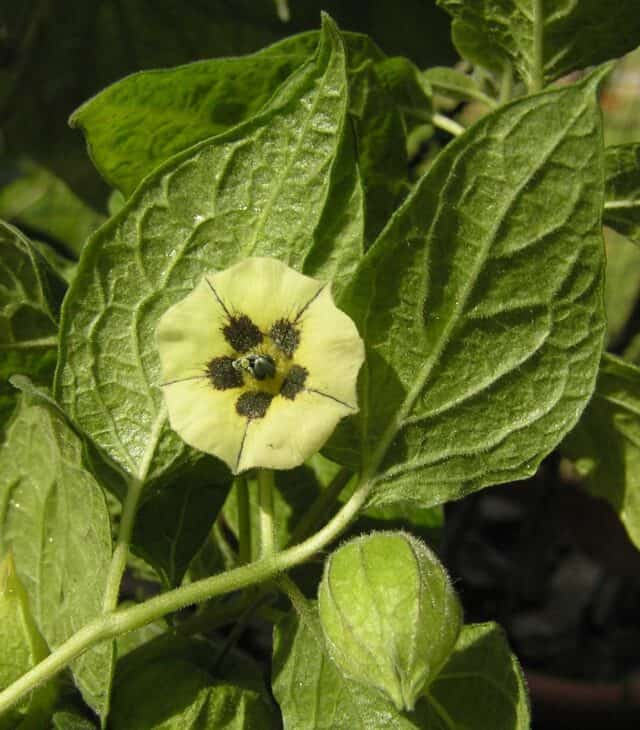
- Produces small white flowers in summer followed by orange berries encased in bladderlike husks.
- Spreads by rhizomes and can self seed so may naturalize or become persistent.
- Used fresh or dried as an ornamental for autumn displays.
- Prefers well drained fertile soil and regular moisture but dislikes waterlogged ground.
- Grows well in full sun to part shade with best fruiting in sunnier sites.
- Height and spread are roughly similar and commonly about 2–3 ft (60–90 cm).
Chinese Lantern is a rhizomatous perennial prized for bright orange papery husks that surround a small berry. It offers summer flowers and late season color for borders and seasonal displays while also spreading by underground stems and self seed.
Identification
Physalis alkekengi is a herbaceous perennial with small white summer flowers followed by orange berries encased in bladderlike papery calyces. Plants typically reach about 24 to 36 inches tall with a similar spread. The showy lanterns develop in late summer and often persist into autumn for cut or dried arrangements.
Best uses and where to grow
Use Chinese Lantern as a border accent, autumn cut-flower source or informal grouping where its orange husks add seasonal interest. It performs in full sun to part shade and prefers fertile, well drained soil with regular moisture. Hardy around USDA zones 3 to 9 though winter dieback and persistence vary with climate.
Planting time and spacing
Plant divided clumps in spring or autumn and allow plants room to form clumps. Space divisions about 24 to 36 inches apart so mature spread does not crowd neighboring plants. Seed can be used but seedlings may vary from the parent so division is the quickest way to establish true-to-type plants.
Watering and soil
Chinese Lantern prefers moist fertile soil that drains well and dislikes waterlogged ground. Provide consistent moisture for healthy foliage and good flowering. Poor drainage can cause root decline while irregular moisture can reduce vigor and the quantity of decorative calyces for autumn display.
After-flowering care
The papery husks are useful fresh or dried for autumn arrangements; harvest husks before they deteriorate for drying. Cut back dead stems after foliage dies back in late autumn or remove old growth in spring when new shoots appear. Dividing clumps in spring or autumn renews vigour and controls density.
Controlling spread and propagation
Physalis alkekengi spreads by rhizomes and can self seed so monitor borders and remove runners to restrict spread. Propagate by division of rhizomes or offsets in spring or autumn or by seed. Division establishes plants quickly and helps control naturalizing; seedlings may not come true to the parent.
Frequently asked questions
- How fast does Chinese Lantern grow?
- Growth rate varies by site and climate. It spreads steadily by underground stems and can form noticeable clumps over a few seasons unless contained by removing runners or dividing plants.
- Are the berries edible?
- Sources conflict on edibility. Some traditional uses report ripe berries eaten, while authoritative garden references advise the plant may be poisonous. Keep berries away from children and pets and consult a poison control or botanical reference before tasting.
- Is Chinese Lantern invasive?
- It can naturalize and become persistent because of rhizomes and self seed. Check local invasive species lists before planting and remove runners or divide frequently to prevent unwanted spread.
- When do the lanterns appear?
- Plants flower in summer and the papery orange calyces form in late summer, persisting into autumn. Exact timing varies with climate and local conditions.
- How do I propagate it?
- Best methods are division of rhizomes or offsets in spring or autumn and growing from seed. Division is fastest and keeps the planting true to type while seed-grown plants can vary.
Gallery


Related Plants


