
Key Facts
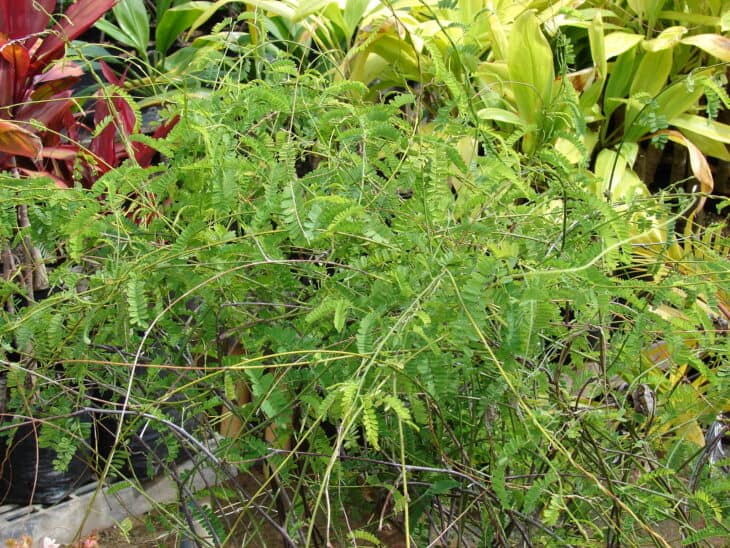
- A woody leguminous climber or scrambling shrub native to tropical Asia.
- Bright red seeds with a black spot are used historically for beads and jewelry.
- Seeds contain the protein toxin abrin which can be fatal if ingested.
- Grows in warm tropical and subtropical climates and can become invasive outside its native range.
- Fixes nitrogen as a member of the pea family.
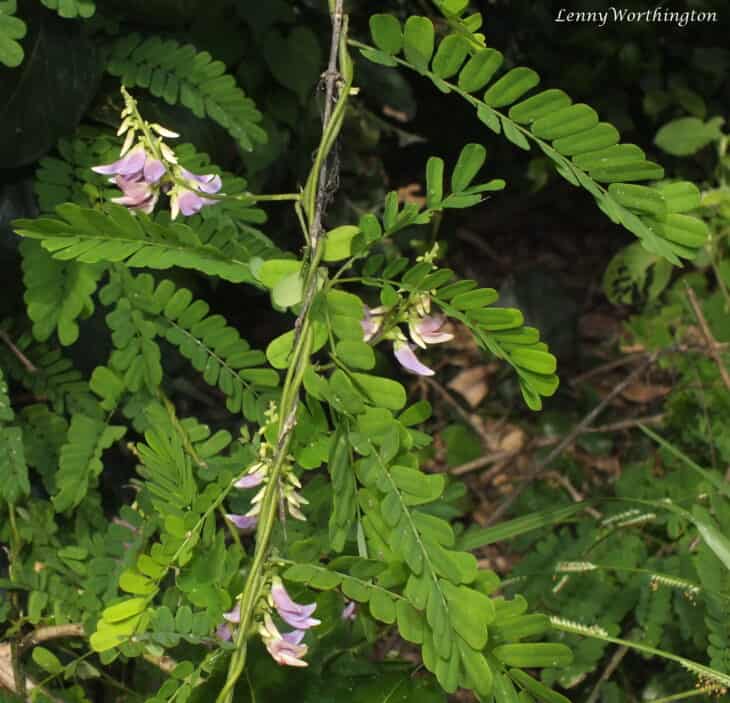
- Produces pea type flowers that lead to pods of seeds.
- Propagation is by seed or cuttings but seeds require careful handling.
Rosary Pea is a woody leguminous climber prized for glossy foliage and its hard bright red seeds. It works as an ornamental vine on trellis or fence but carries serious risks from toxic seeds and can behave invasively in warm climates.
Identification
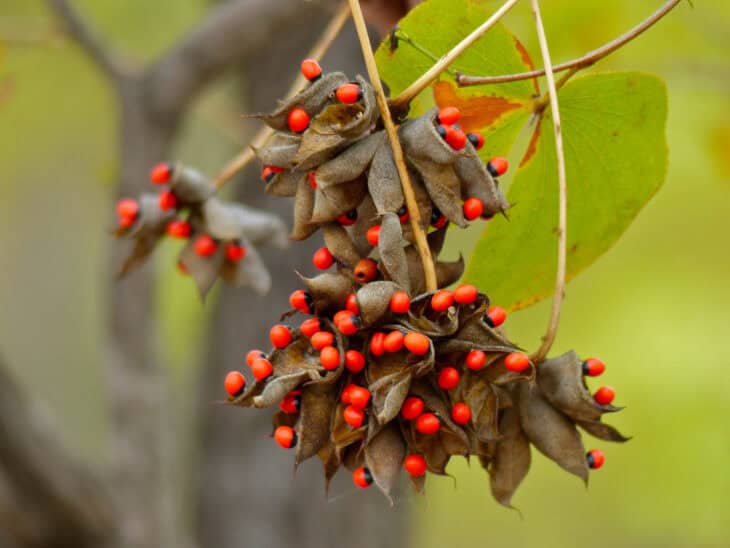
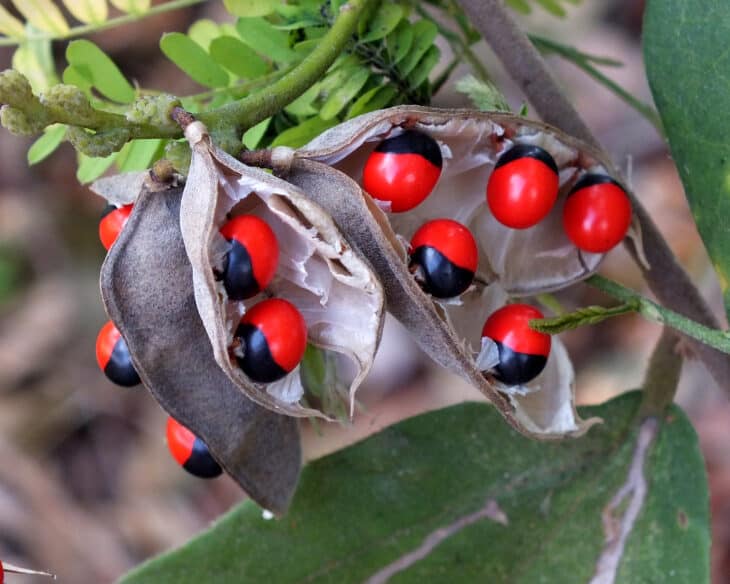
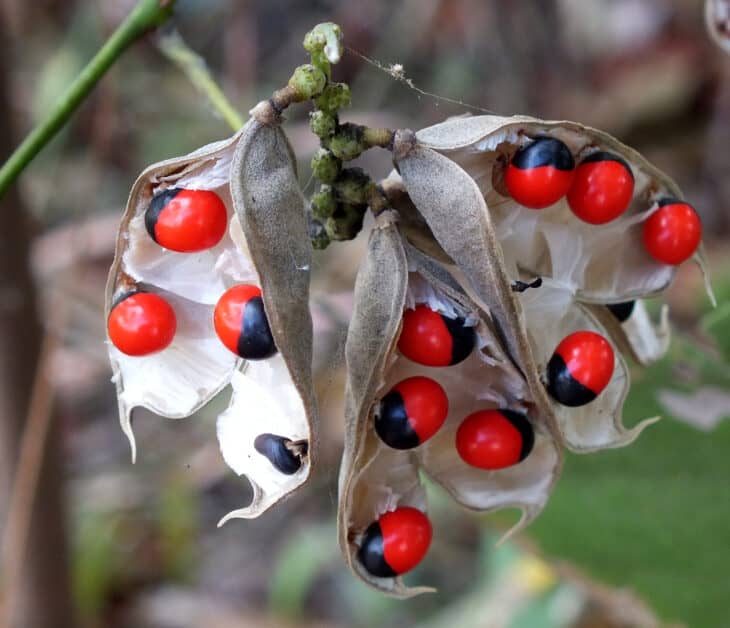
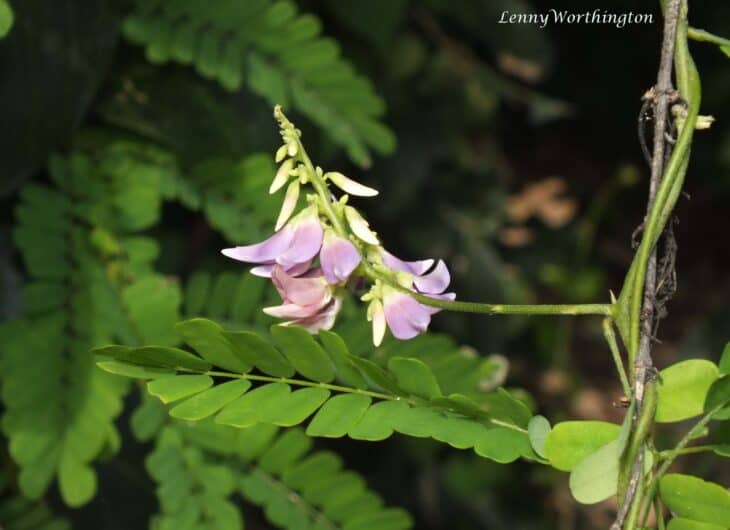
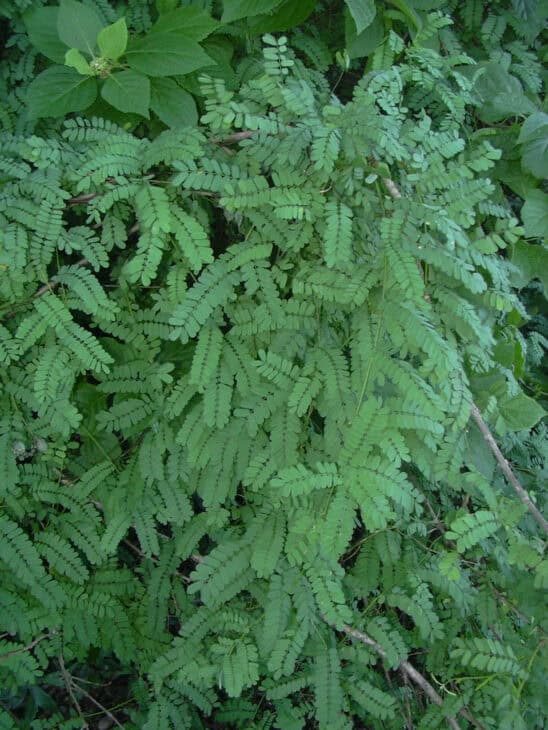
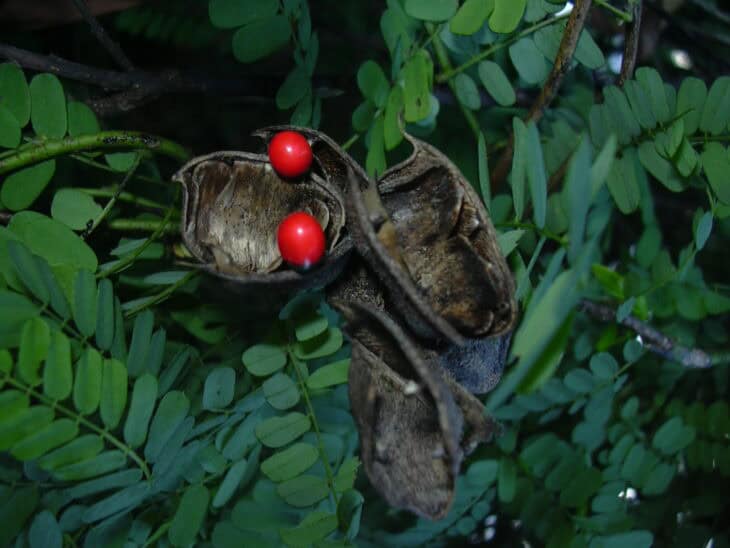
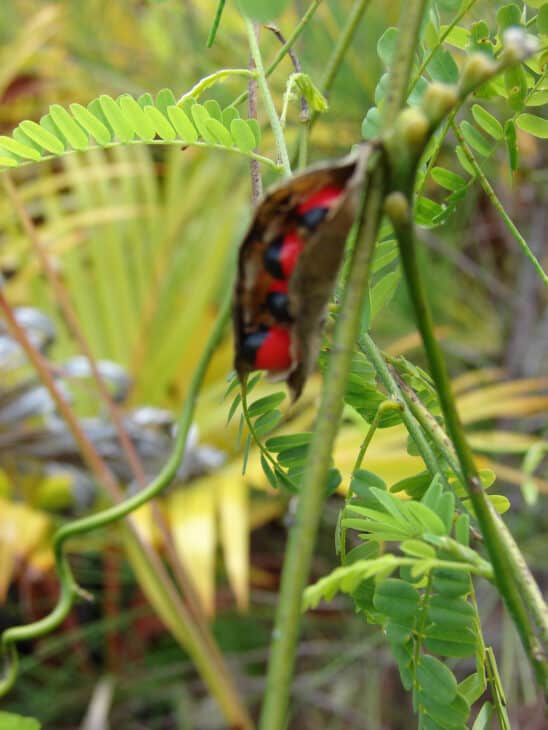
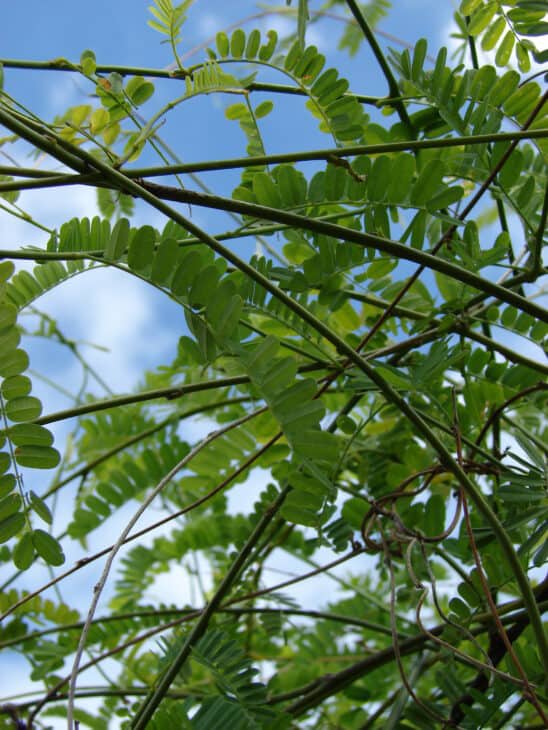
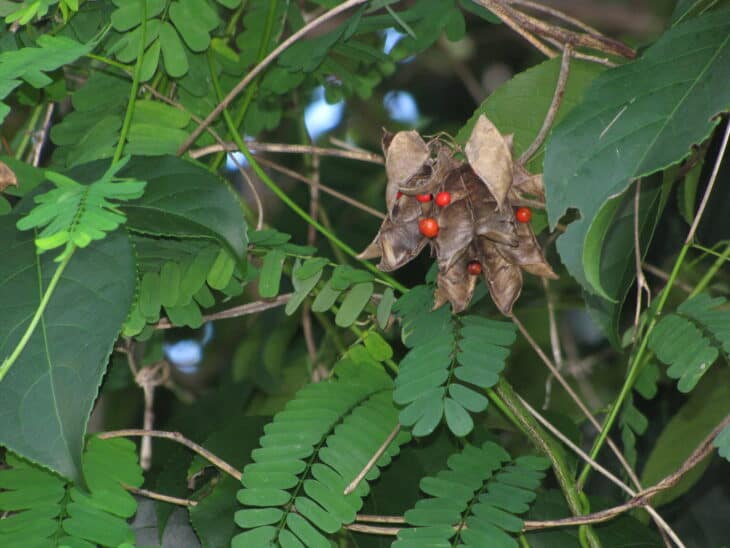
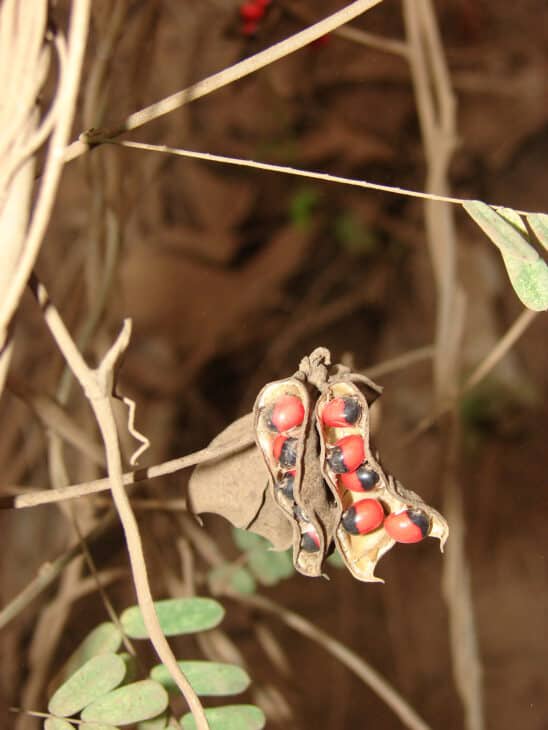
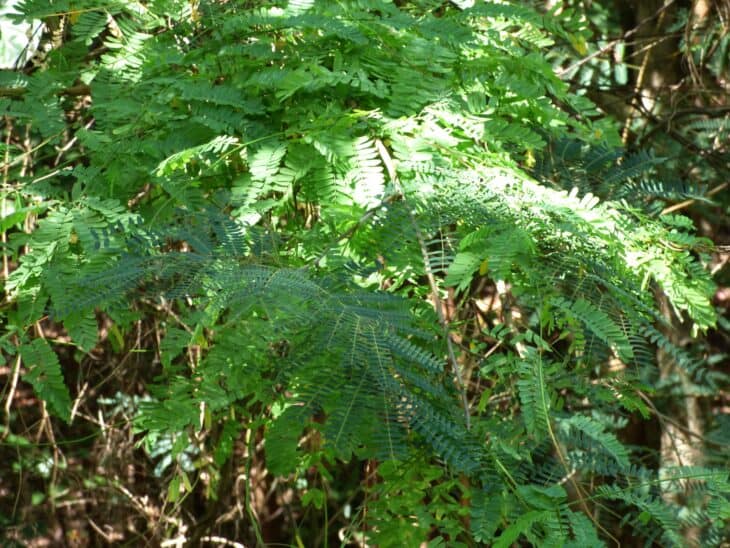
Abrus precatorius is a woody vine or scrambling shrub with pea type flowers that form pods of hard seeds. The seeds are bright red with a black spot and were used historically for beads and jewelry. The seeds contain the protein toxin abrin and must be handled with extreme care.
Where to grow and best uses
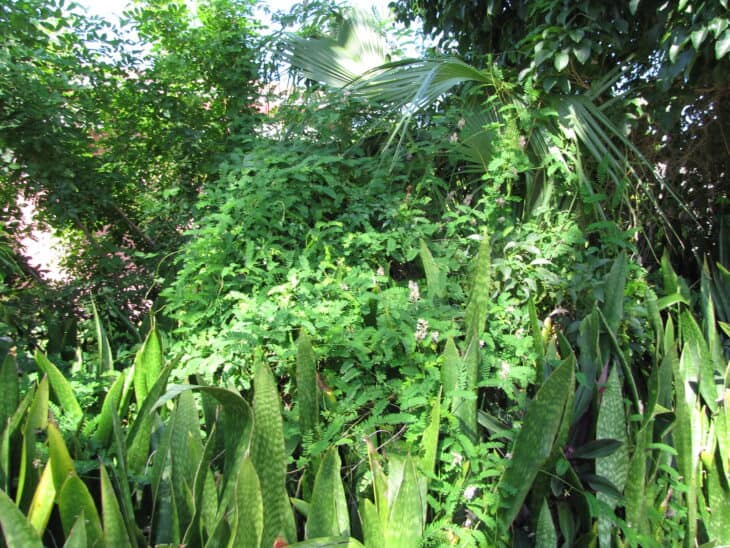
Suitable for tropical and subtropical gardens roughly in USDA zones 9 to 11 where frost is absent. It prefers full sun to part shade and tolerates poor soils because it fixes nitrogen as a member of the pea family. Use it on a trellis or pergola when vigor is desired but expect it to scramble over nearby plants and structures.
Planting and care
Choose a well drained site with sandy to loamy soil. Rosary Pea tolerates drought once established and declines in waterlogged ground. In dense shade flowering and seed set may be reduced.
Propagation and safety
Propagate by seed or by semi ripe or woody cuttings. Seeds commonly need scarification to germinate. Treat seeds as biohazardous when scarifying or cutting. Always wear gloves and eye protection and keep seeds away from children and pets. In case of suspected ingestion seek immediate medical attention and contact local poison control.
Managing spread and invasive potential
Outside its native range Rosary Pea can become invasive and form dense mats that smother native vegetation. Remove young plants before they set seed and cut back vigorous vines to prevent spread. Check local invasive species lists before planting and avoid planting where it can escape into natural areas.
Containers and cooler climates
In cooler areas grow Rosary Pea in a container to protect it from frost and to limit root spread. Containers also make it easier to remove and dispose of seed pods safely.
Frequently asked questions
- How fast does Rosary Pea grow?
- Growth rate varies with climate and support. In warm frost free climates it can be vigorous and reach several metres when supported.
- Are Rosary Pea seeds poisonous?
- Yes. Seeds contain the potent toxin abrin. Do not ingest seeds and avoid crushing them. Seek medical help and contact poison control if ingestion is suspected.
- Can Rosary Pea become invasive?
- Yes. It can naturalize and smother native vegetation in warm regions. Verify local invasive species lists before planting.
- How do I propagate Rosary Pea?
- By seed with scarification or by semi ripe and woody cuttings. Use gloves and eye protection when handling seeds or pods.
- Can I grow Rosary Pea in a pot?
- Yes. Container growing is a practical option in cooler zones and helps control spread and seed disposal.
Gallery
Related Plants


Mentioned In (8)

Plants
23 Poisonous Plants in Georgia
In Georgia, you do not only have to worry about dangerous pests that may be destroying your yard. Instead, you…
Plants
25 Poisonous Plants in Hawaii
Plants that may appear to look lush and green in the Hawaiian flora could actually be toxic and poisonous. Even…
Plants
24 Poisonous Plants in Alabama
There are dangers lurking in the world of toxic plants, even those that look harmless. Many plants contain poisons that…

Plants
25 Poisonous Plants in Illinois
Want to increase your knowledge of the poisonous plants in Illinois? The Prairie State is home to a large variety…

Plants
19 Poisonous Plants in Missouri
Accidental poisonings by toxic plants throughout the United States are extremely common, estimated to be about 2 million every year.…
Plants
24 Poisonous Plants in California
California is the largest agricultural state in all of America and has almost 23 million acres of land reserved for…
Plants
24 Poisonous Plants in Texas
If you live in Texas or are visiting and you love mother nature, be prepared to run into at least…

Plants
24 Poisonous Plants in Florida
When we think about plants, we usually think about how magnificent and beautiful they are. They are a source of…