Key Facts
- Annual herb in the carrot family Apiaceae.
- Native to Europe and introduced to other regions.
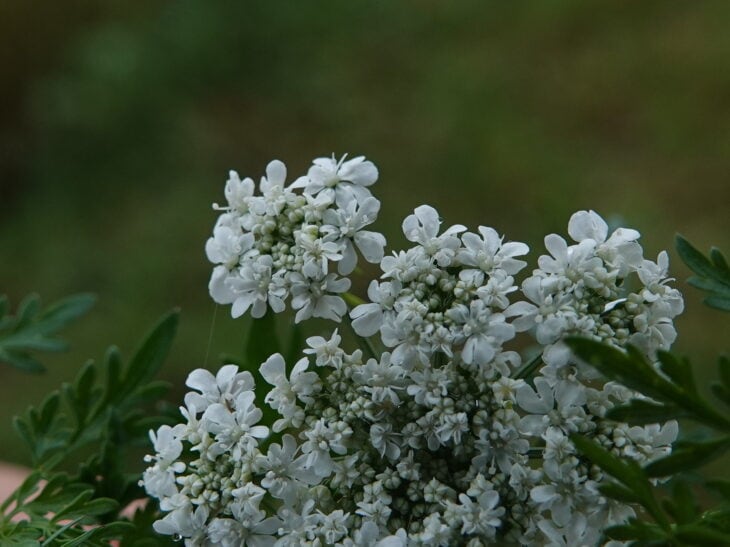
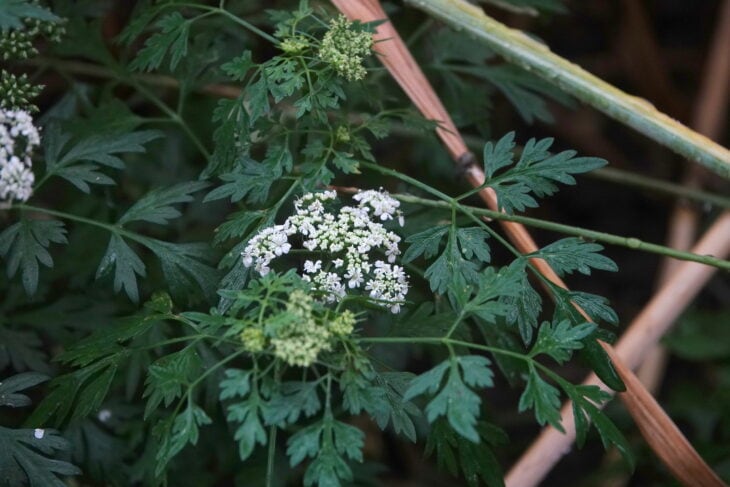
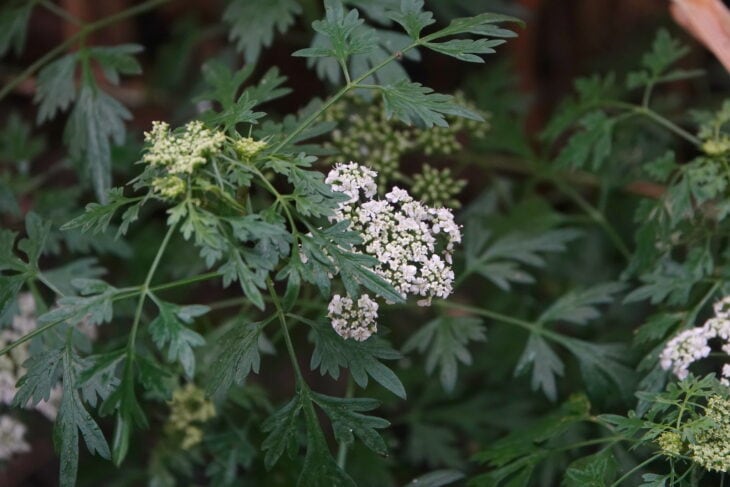
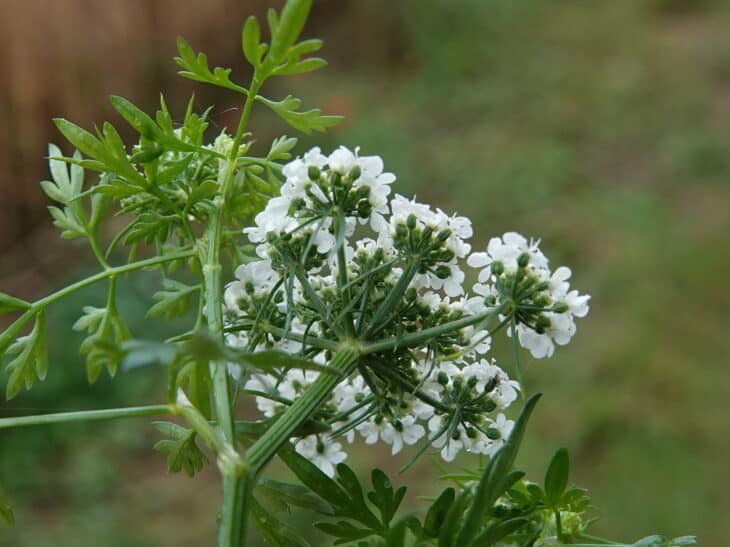
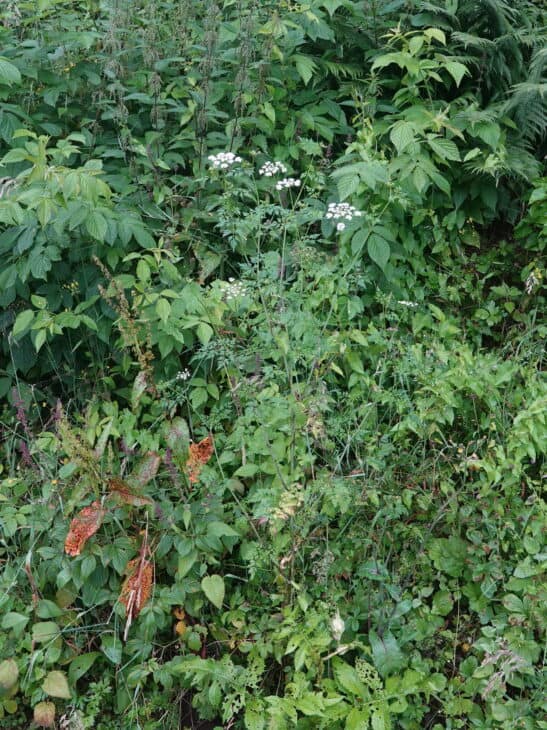
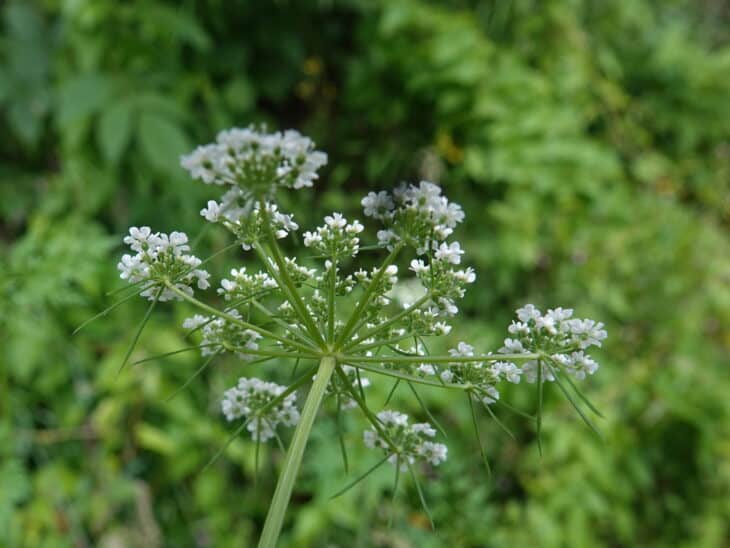
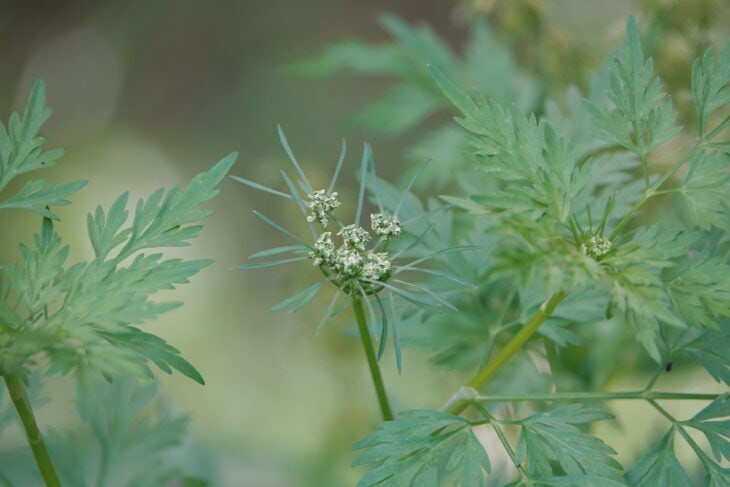
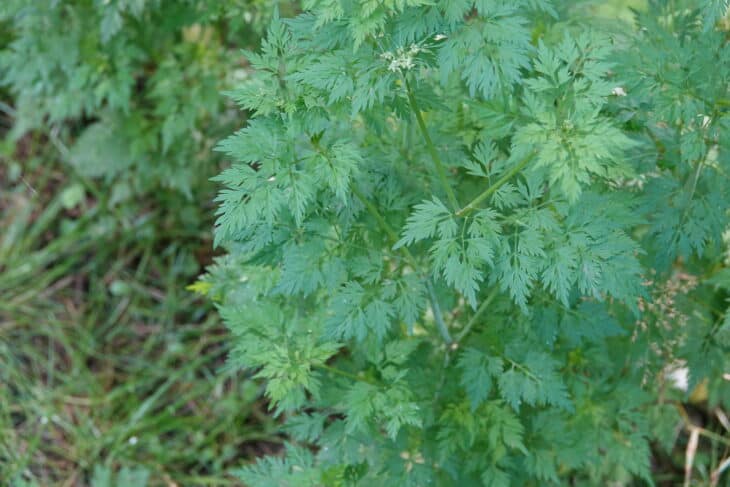
- Produces small white umbels of flowers and finely divided leaves.
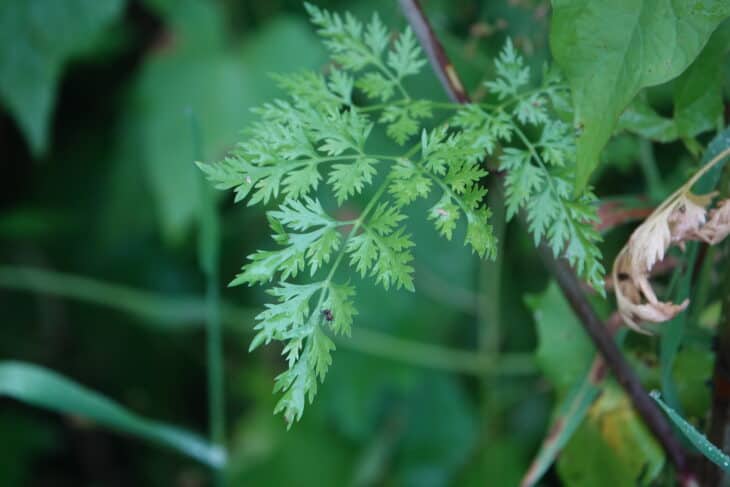
- Leaves resemble garden parsley which can cause misidentification.
- All plant parts are reported as poisonous.
- Common in disturbed ground waste areas and field margins.
- Propagates primarily by seed and can self seed.
Fool’s Parsley is a small annual in the carrot family with delicate white umbels and finely divided leaves. It resembles garden parsley which can cause misidentification and is reported poisonous so handle with care around people and animals.
Identification
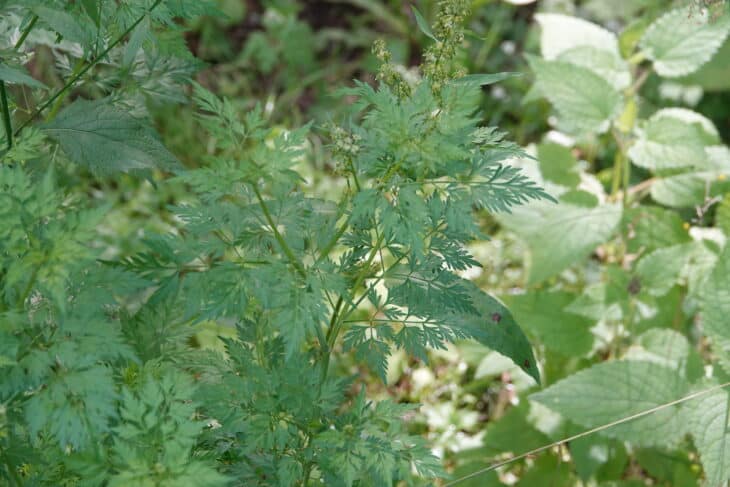
Look for finely divided, parsley like leaves and compact umbels of tiny white flowers held above the foliage. Plants typically reach about 30 to 60 centimeters tall during the growing season. All parts of the plant are reported poisonous which helps separate it from edible species when in doubt.
Where to grow and best uses
This annual appears on disturbed ground waste areas and field margins and is not recommended as a garden plant. It can reseed in disturbed beds and is best treated as a weed to remove from vegetable plots and areas frequented by pets or livestock. Use caution when clearing stands.
Planting and seasonal timing
Propagation is by seed and sowing in spring will produce plants that flower later in the season. Flowers usually appear in summer in temperate climates. Allowing plants to set seed will create a local seedbank and produce future volunteer plants the next season.
Soil light and watering
Fool’s Parsley tolerates poor and well drained soils and establishes readily on open, sunny sites and lighter shade. It does poorly in waterlogged conditions so heavy wet soils reduce its vigor. In cultivated beds manage moisture to favor desired plants and discourage volunteer seedlings.
After flowering and control
Prevent seeding to control spread by removing plants before umbels go to seed or by pulling seedlings from the root while small. Regularly inspecting borders and field margins reduces reseeding. Where infestations are dense repeated removal over seasons reduces the local seedbank.
Toxicity and safety
All parts of Aethusa cynapium are reported poisonous if ingested. Keep children and pets away from plants and removed material. For specific symptoms or concerns consult a local poison control center or a veterinary source for accurate guidance.
Frequently asked questions
- How fast does Fool’s Parsley grow?
- As an annual it completes its life cycle in a single season and can reach about 30 to 60 centimeters during that time. Speed depends on site conditions and competition.
- Is Fool’s Parsley edible?
- No. All parts are reported poisonous and it should not be used as food or herb substitute for parsley.
- How do I stop it from coming back?
- Remove plants before they set seed and pull seedlings while small. Repeated removal over successive seasons reduces the seedbank and future volunteers.
- When does it flower?
- Flowering typically occurs in summer in temperate climates. Exact months vary by region and local climate conditions.
- Can it grow in shade?
- It tolerates lighter shade but establishes best in open sites and margins where light is abundant.
Gallery