
Key Facts
- Edible taproot grown as a vegetable.
- Botanically a biennial usually grown as an annual.
- Best as a cool season crop that tolerates light frost.
- Prefers loose, deep, well drained soil for straight roots.
- Typically propagated by direct sowing of seed.
- Develops foliage 12–24 in (30–60 cm) tall depending on cultivar.
- Prone to bolting in hot weather or when stressed.
- Generally safe for people and pets to eat but some individuals may have allergic reactions.
Carrot is a cool season root vegetable grown for an edible taproot and fresh tops. It performs best in full sun with loose, deep soil and is usually direct sown from seed. Bolting in hot weather or stress reduces root quality so timing and soil preparation matter.
Identification
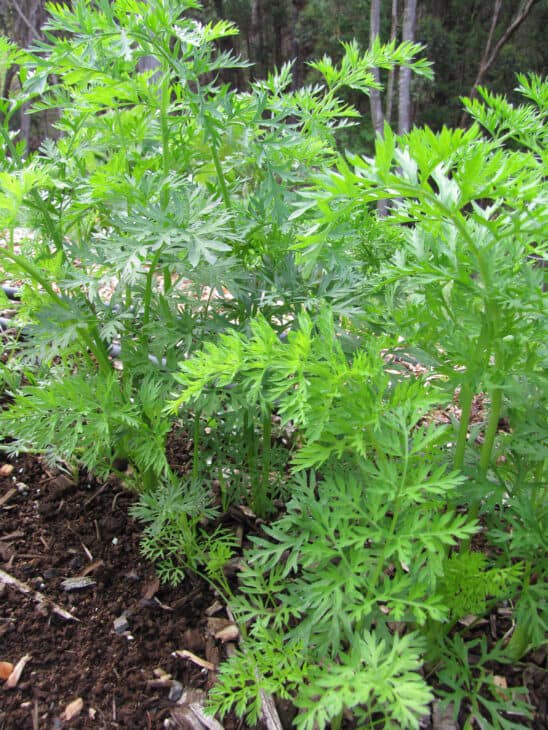
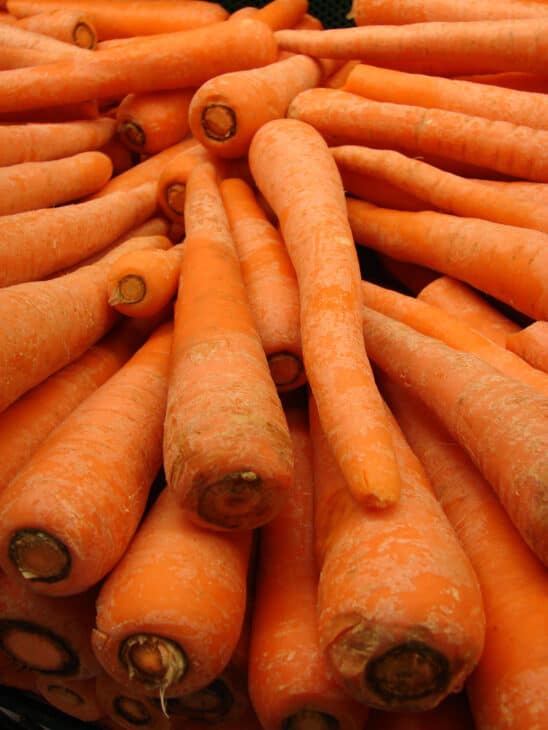
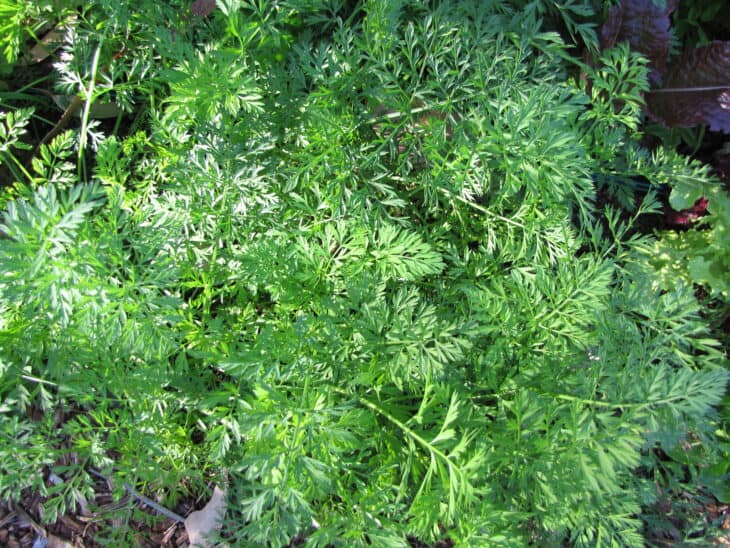
Carrot is the cultivated Daucus carota subsp. sativus with an edible taproot and foliage that typically reaches 12 to 24 inches tall. Botanically a biennial usually grown as an annual, it will flower in a second year if left in the ground. Different cultivars produce varying root shapes and lengths.
Where to Grow Carrot Best Uses
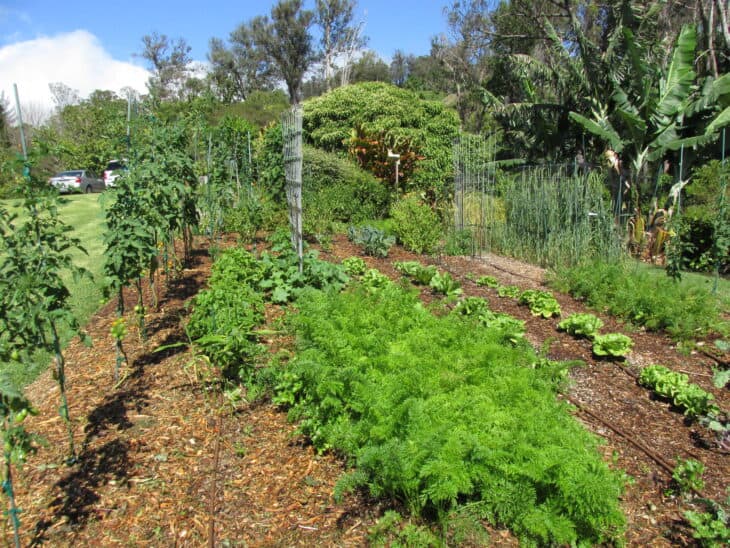
Grow carrots in vegetable beds, raised beds or deep rows where soil is loose and stone free to encourage straight roots. They suit USDA zones 3 to 10 and tolerate light frost, making them ideal for spring and fall plantings in temperate gardens. Light afternoon shade helps in very hot climates.
Planting Time
Carrots are a cool season crop so sow when soils are cool rather than hot. In many regions plant early spring for a summer harvest and again for a fall crop. In warmer zones avoid the hottest months to reduce bolting and poor root development.
Planting Depth and Spacing
Direct sow seed shallow at about 1/4 to 1/2 inch deep and thin seedlings to a final spacing of about 2 to 4 inches apart, with rows spaced wider for cultivation. Thin early to avoid crowding and to allow roots room to develop without forking.
Watering
Keep soil evenly moist to avoid splitting and stunted roots. Inconsistent moisture and drought stress encourage poor root shape and can increase bolting. Water so the root zone stays damp but not waterlogged and reduce surface crusting to aid seedling emergence.
After Flowering Care
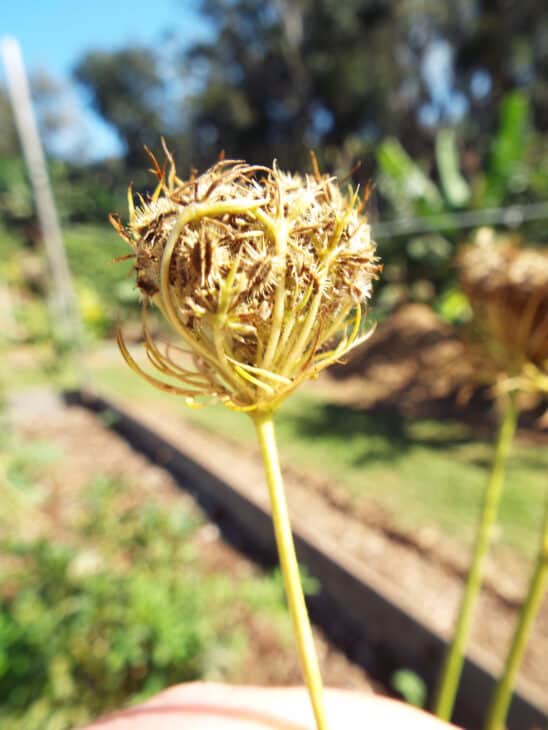
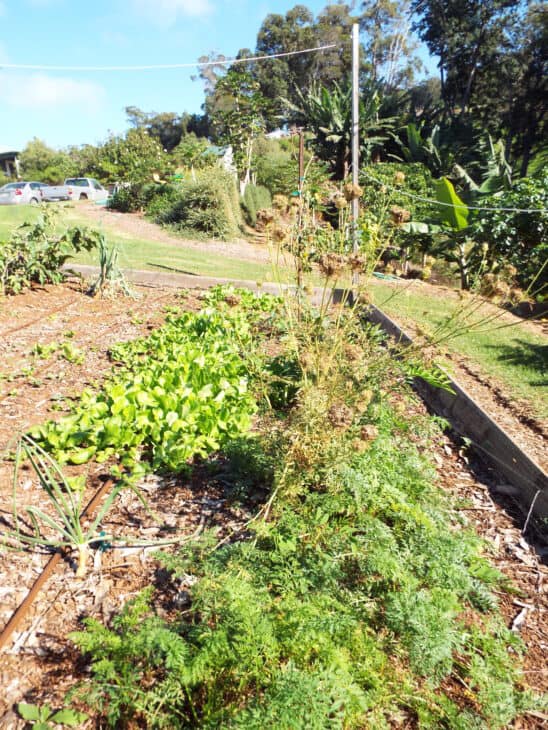
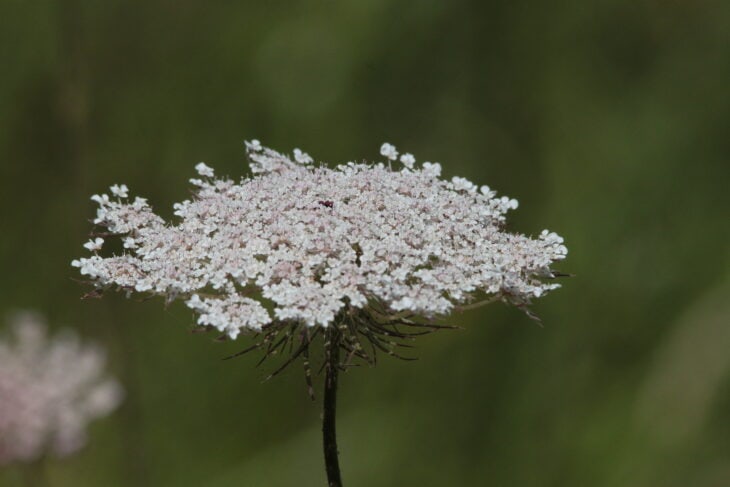
If carrots are left to overwinter they will flower and produce umbels of seed in the second year. Once plants flower the roots become woody and are no longer good to eat. Remove flower stalks to prevent self-seeding or collect seed only from healthy, isolated plants.
Spread and Naturalizing Control
Cultivated carrots can self-seed if allowed to flower and set seed, and wild Daucus carota is widely naturalized in temperate areas. Prevent unwanted spreading by cutting off flower heads before seeds mature. Dispose of mature seed heads carefully to limit volunteer seedlings.
Containers and Forcing
Carrots can be grown in deep containers filled with loose, stone free medium but require enough depth for the chosen cultivar. Expect smaller or shorter roots in confined containers and avoid transplanting large root balls because disturbance can deform roots. Use raised beds if soil depth is limited.
Frequently asked questions
- How fast does Carrot grow?
- Growth rate varies by cultivar and season. Seedlings emerge slowly in cool soil and foliage reaches about 12 to 24 inches while roots mature over weeks to months depending on variety and planting time.
- Are carrots safe for pets?
- The roots are generally non toxic to dogs and cats and are commonly fed as a treat. Some people have oral allergy symptoms to raw carrot and very rarely handling foliage can cause mild skin irritation.
- Why do my carrots bolt?
- Bolting is usually triggered by hot weather or stress. Sudden heat, drought or root disturbance can cause plants to switch from root development to flowering, producing poor edible roots.
- How deep should I prepare soil for carrots?
- Prepare loose, deep soil free of stones and heavy clods to allow straight root growth. If native soil is compacted consider deep cultivation or raised beds to provide adequate depth.
- Can I transplant carrots?
- Transplanting is possible but can deform roots. Direct sowing is recommended. If you must transplant use small, undisturbed root balls and plant carefully to reduce misshapen roots.
Gallery
Related Plants
Mentioned In (2)

Plants
8 Plants That Look Like Cilantro
Cilantro is easy to identify by its unique smell and taste, which people associate with citrus or, in some cases,…

Plants
Companion Plants for Tomatoes: What Works and Why
Companion planting can significantly improve the health and yield of your tomato plants, but choosing the right partners is key…