
Key Facts
- Cool season vegetable usually grown as an annual.
- Grown for crunchy leaf stalks and aromatic leaves.
- Slow and sometimes uneven to germinate.
- Prefers rich, consistently moist soil.
- Often started indoors and transplanted outdoors.
- Can bolt and flower in its second year if left in the ground.
- Suitable for garden beds and large containers.
Celery is a cool season vegetable grown for crunchy stalks and aromatic leaves, prized in kitchen gardens and large containers. It needs rich, moisture-retentive soil and steady watering, and is slow to germinate so early planning rewards the harvest.
Identification
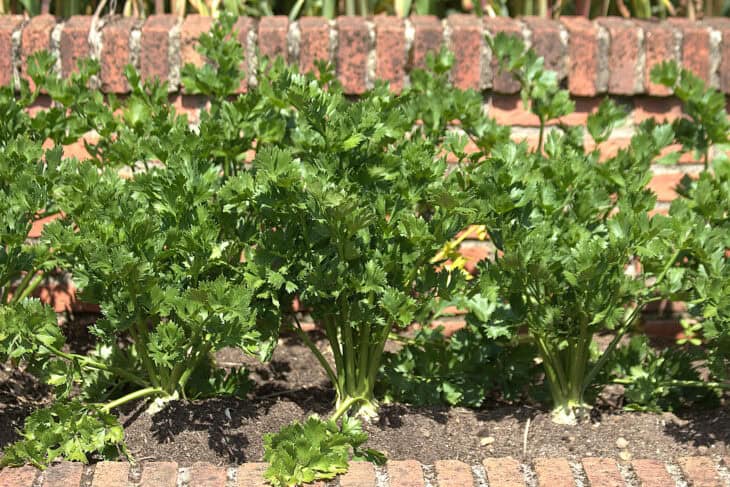
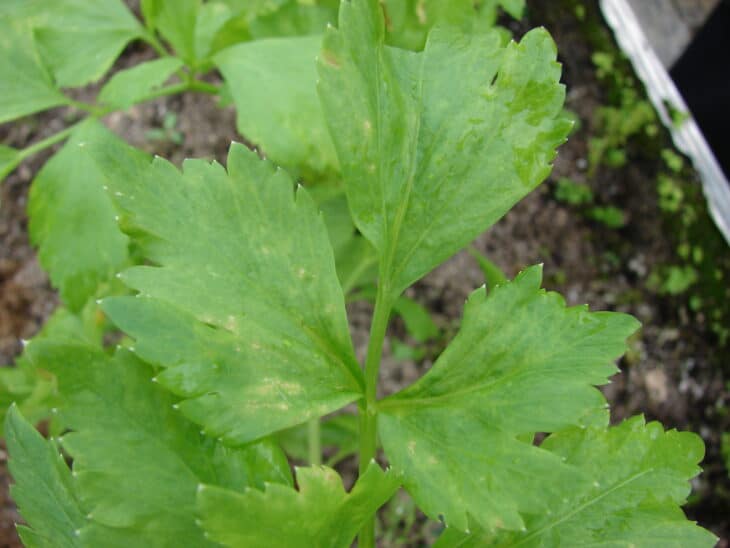
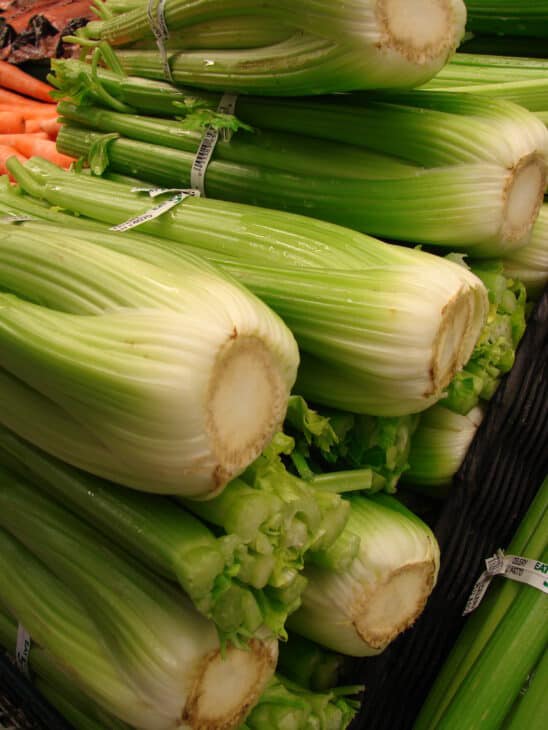
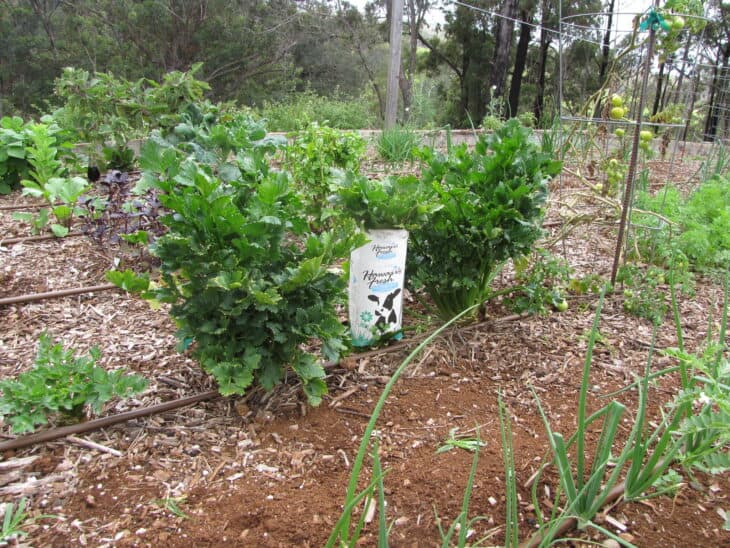
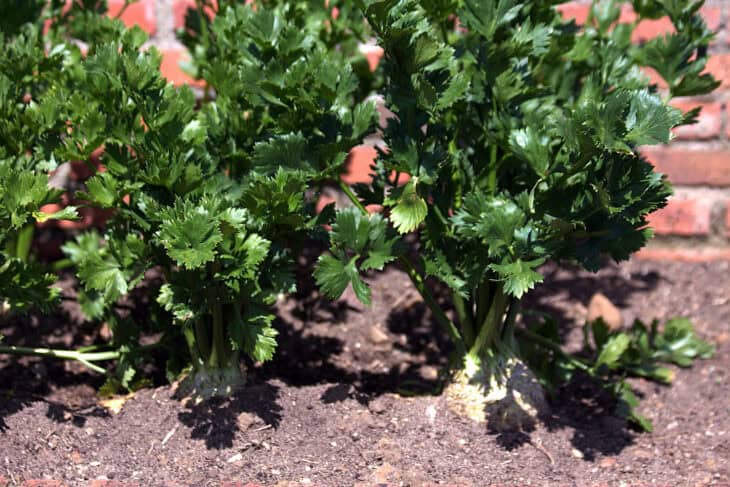
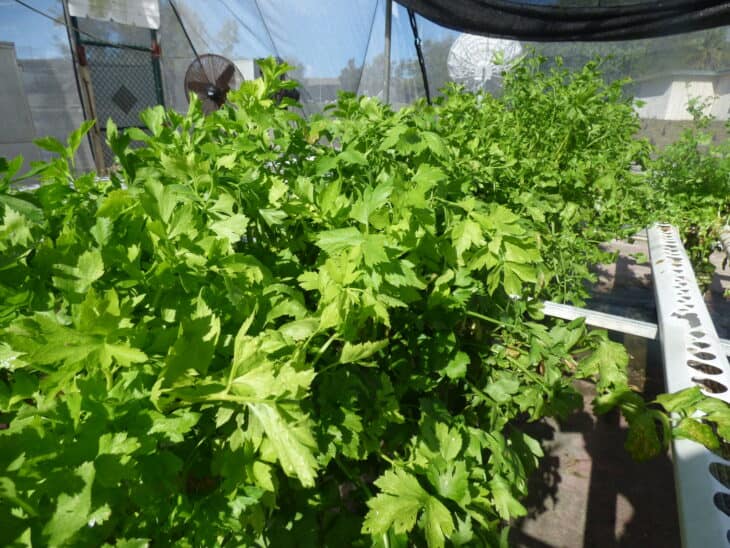
Celery forms upright clumps of ribbed leaf stalks and feathery aromatic leaves, typically 12 to 24 inches tall with a spread near 12 to 18 inches. Different cultivar groups such as Pascal, leaf celery and celeriac vary in size and use. Seedlings emerge slowly and sometimes unevenly, which can make early care and consistent moisture essential.
Where to grow Best uses
Use celery in vegetable beds and in large containers where soil can be kept rich and evenly moist. It performs best as a cool season crop in full sun to part shade, with afternoon shade in hot climates to reduce heat stress. Many gardeners grow it as an annual because it tolerates light frost but dislikes prolonged freezing and excessive heat.
Planting time and starting seeds
Start seeds indoors several weeks before the last expected frost and transplant after hardening off, or direct sow in consistently cool conditions. Germination is often slow and uneven, so keep seed flats evenly moist and warm enough for steady sprouting. Adjust sowing dates to local last frost and the length of your cool season.
Spacing and planting
Space plants roughly 12 to 18 inches apart to allow full stalk development and air circulation. When transplanting set plants at the same soil level they grew at in their pots and press soil around the root ball to remove air pockets. Spacing needs change for leaf celery and celeriac, which are typically grown closer or farther apart.
Watering and soil
Plant celery in rich loam high in organic matter with a pH near 6.0 to 7.0 and keep soil consistently moist. Even moisture produces crisp, full stalks while dry or sandy soils make stalks stringy and bitter. Avoid poor drainage because standing wet soil increases risk of root rot and other soil diseases.
After flowering and bolting
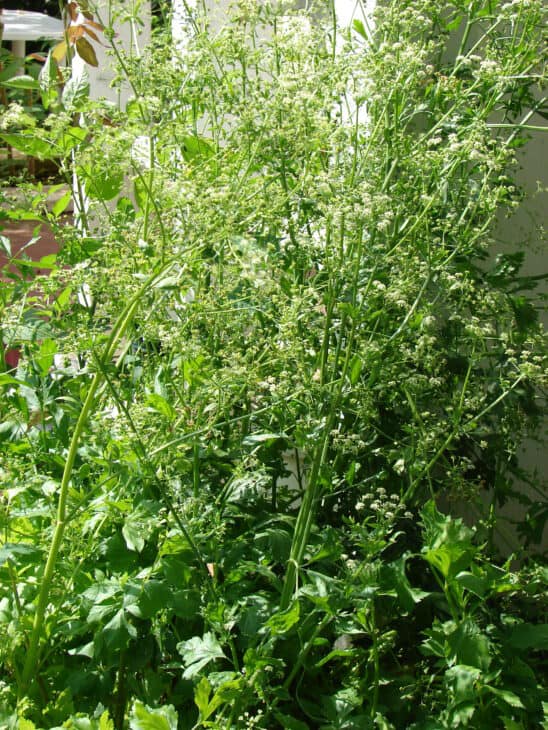
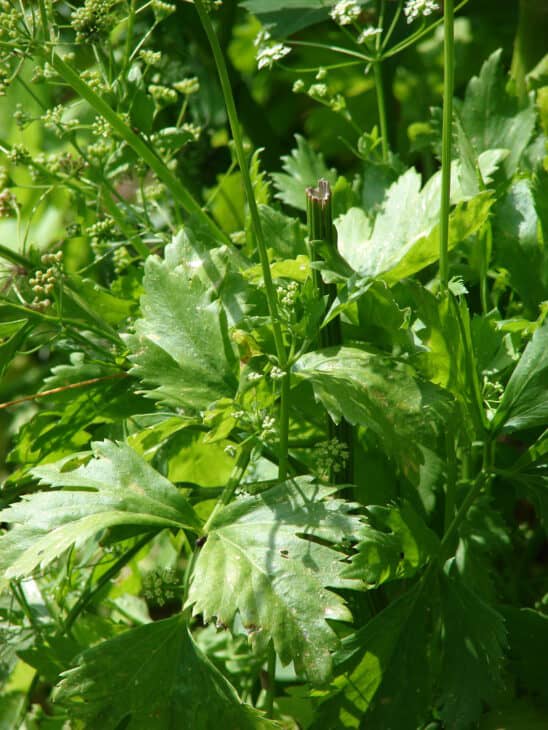
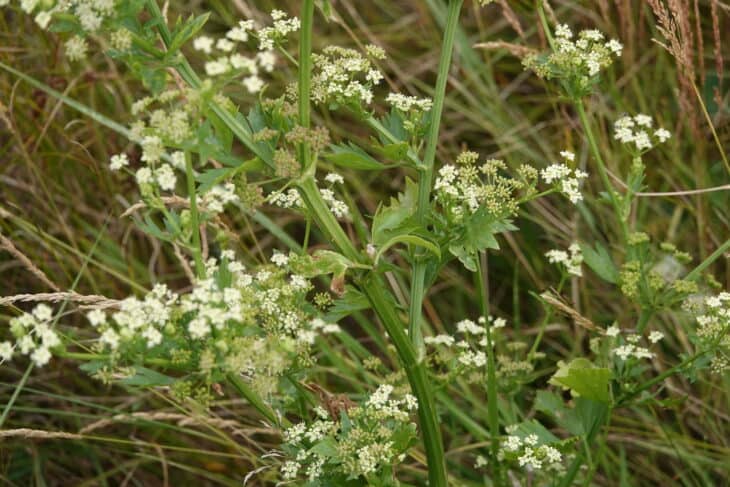
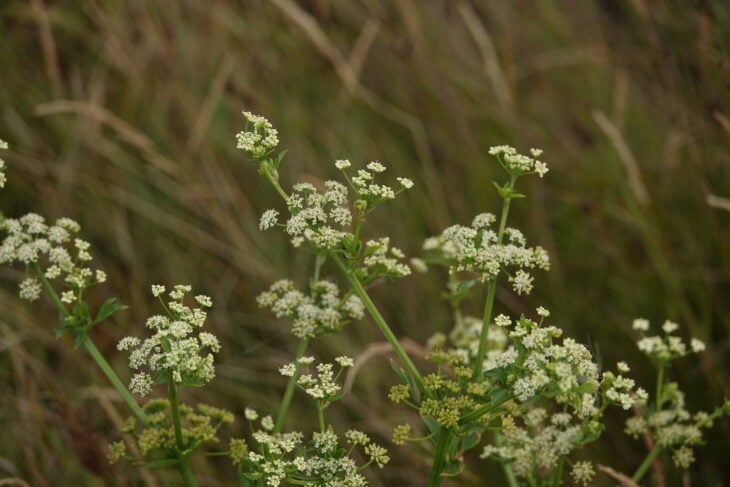
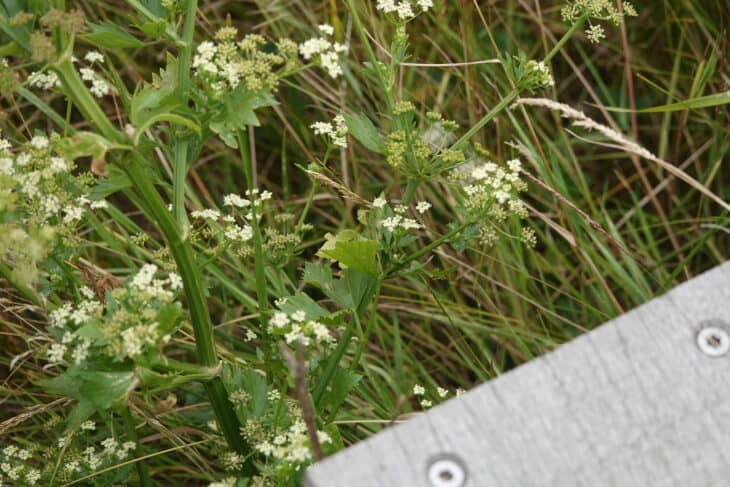
Most edible celery is harvested before flowering. If plants are overwintered or left in the ground they can bolt and produce umbels of small flowers in the second year, which reduces stalk quality. Remove bolting plants to save seed or allow flowers to set for pollinators, knowing bolting ends the harvestable stalk stage.
Containers and protected culture
Celery grows well in large containers when given rich potting mix and steady water. Containers dry out faster so check moisture frequently and feed with balanced fertilizer to replace nutrients leached by regular watering. In hot weather provide afternoon shade to limit bolting and leaf scorch in container plantings.
Propagation
Propagate celery from seed, starting indoors for a longer growing season or direct sow in cool climates. Maintain even moisture during slow germination and transplant carefully to avoid root disturbance. Timing and transplant dates should be adjusted for local frost dates and summer temperature trends to prevent premature bolting.
Toxicity and allergies
Celery is edible for people but is a listed food allergen in some regions and can cause contact photodermatitis in sensitive individuals. It is not listed as highly toxic to common pets though eating large amounts or concentrated oils can cause stomach upset. For medical or veterinary concerns consult appropriate local professionals.
Frequently asked questions
- How fast does Celery grow?
- Growth is relatively slow compared with many vegetables. Seedlings emerge slowly and plants typically take several months of cool, steady conditions to reach harvest size depending on cultivar and climate.
- How often should I water Celery?
- Keep soil consistently moist. Frequent light watering or drip irrigation that maintains even moisture produces the best stalk quality and prevents stringy, bitter tissue.
- What spacing does Celery need?
- Allow about 12 to 18 inches between plants for Pascal-type celery. Leaf celery and celeriac have different spacing needs so adjust by cultivar.
- Can Celery overwinter?
- Celery can survive light frost but dislikes prolonged freezing. In many regions it is grown as an annual. If overwintered it may bolt and flower in its second year.
- Is Celery toxic to pets?
- Celery is not listed as highly toxic to dogs or cats, but large amounts or concentrated plant oils may cause gastrointestinal upset. For specific concerns contact a veterinarian or poison control resource.
Gallery
Related Plants


Mentioned In (3)

Plants
8 Plants That Look Like Carrots
Carrots have long been a staple in many culinary dishes and can be easily cultivated in nearly every climate. Carrots…

Plants
8 Plants That Look Like Cilantro
Cilantro is easy to identify by its unique smell and taste, which people associate with citrus or, in some cases,…

Plants
8 Plants That Look Like Lettuce
Lettuce is grown everywhere. Lots of it. The world produced about 24.9 million tons of lettuce in 2013. Though, anyone…