
Key Facts
- A culinary basil cultivar of the species Ocimum basilicum.
- Named for a licorice or anise like scent on the leaves.
- Tender and frost sensitive. Usually grown as an annual outside frost free zones.
- Prefers fertile, well drained soil and regular watering without waterlogging.
- Performs best in full sun but will tolerate some afternoon shade in hot climates.
- Flowers in summer if allowed to bloom and will set seed.
- Easily propagated by seed or softwood stem cuttings.
Liquorice Basil is a licorice scented cultivar of sweet basil grown for cooking and as an ornamental herb. The leaves carry anise like notes but the plant is tender and usually grown as an annual outside USDA 10 to 11.
Identification and key traits
Leaves smell of licorice or anise and resemble common sweet basil in shape and texture. Plants typically reach 12 to 24 inches tall and form mounded clumps about the same across. Flowers appear in summer when plants are allowed to bloom and will set seed.
Best uses and where to grow
Use Liquorice Basil for fresh culinary herbs, small informal hedges and container culture near kitchens. It performs best in full sun where essential oils develop but will tolerate some afternoon shade in very hot climates. Treat plants as tender annuals unless you are in USDA 10 to 11.
Planting time and spacing
Start seeds indoors in spring then transplant after all danger of frost has passed. In colder zones begin plants indoors and move outside after soils warm. Space plants about 8 to 12 inches apart to allow a bushy habit and good air circulation.
Soil and watering
Grow Liquorice Basil in fertile, well drained soil with a pH near neutral. Regular watering encourages steady growth but avoid waterlogging because poor drainage leads to root rot and stunted plants. Moderate fertility gives better flavor while excess nitrogen can blunt aroma.
After flowering and maintenance
Pinch flower spikes to prolong leaf harvest and delay bloom. If allowed to flower plants will set seed which is useful for saving true to type only if seed source is confirmed. In warm zones left in place plants can become woody with age.
Propagation and containers
Propagate by seed or by softwood stem cuttings which root readily in water or moist potting mix. Cuttings produce a clone of the parent while seed may vary. The ease of propagation makes this basil well suited to pots and window boxes for easy access to fresh leaves.
Frequently asked questions
- How fast does Liquorice Basil grow?
- Growth is rapid in warm weather and with regular water. Plants commonly reach 12 to 24 inches during the growing season depending on cultivar, fertility and pruning.
- Can it overwinter outdoors?
- Only in warm climates where USDA zones are 10 to 11 will plants persist. In colder zones grow as an annual or overwinter plants indoors.
- Is Liquorice Basil safe for pets?
- Culinary basil is not listed as toxic to cats and dogs but concentrated essential oils can cause irritation or digestive upset. Check a veterinarian for specific concerns.
- Should I let it flower?
- Pinch flowers to extend leaf production. Allowing flowers to set seed is useful when saving seed or producing volunteers in the garden.
- How should I propagate to keep the same scent?
- Use softwood stem cuttings to clone the parent plant. Seed from open pollinated plants may not breed true to the same aroma.
Related Plants


Mentioned In (7)
Plants
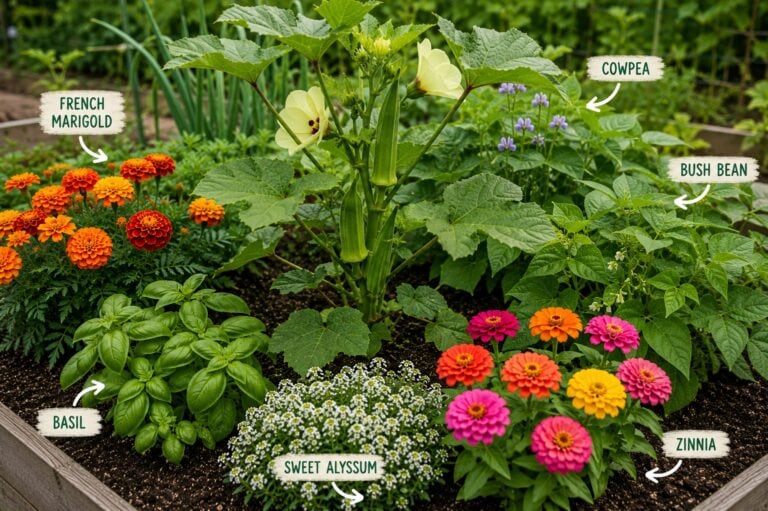
Companion Plants for Okra: What Works (and what doesn’t)
Root-knot nematodes, aphids, and pod-feeding stink bugs are the pressure points that make okra companion planting worth planning carefully. The…

Plants
9 Plants That Look Like Thyme
Thyme has been used as a flavor for food and burned as incense in temples. It has been and still…

Plants
10 Plants That Look Like Salvia
Salvia (Lamiaceae) is a large genus with more than 1000 species of shrubs, herbs, annuals, and perennials. Most salvia plants…

Plants
9 Plants That Look Like Sage
Sage (Salvia officinalis) is an herbaceous plant often used in cooking worldwide. Sage has long, oval leaves that look wrinkled…
Plants
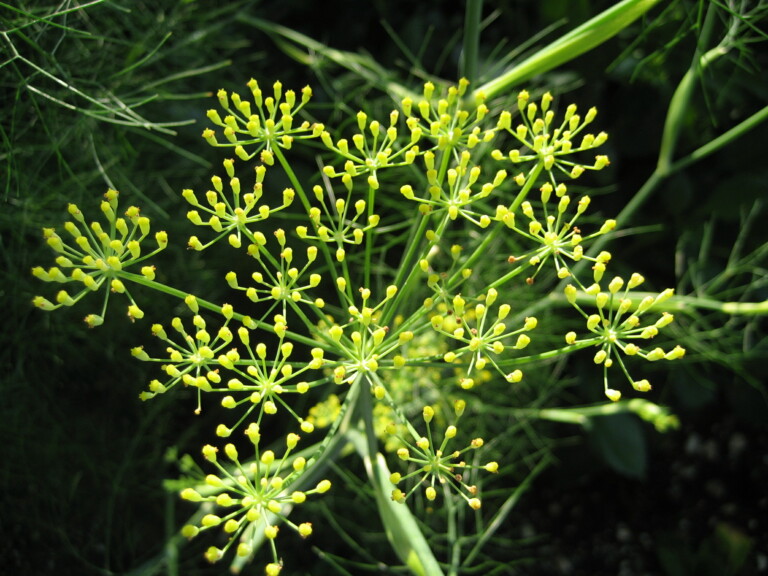
8 Plants That Look Like Fennel
Fennel (Foeniculum vulgare) is an edible plant with delicate, feathery green leaves and large white bulbs. Fennel can reach up…

Plants
Top 12 Insect Repelling Plants
Want to enjoy your patio without the constant buzz and bite of mosquitoes? While no plant alone will eliminate these…
Plants
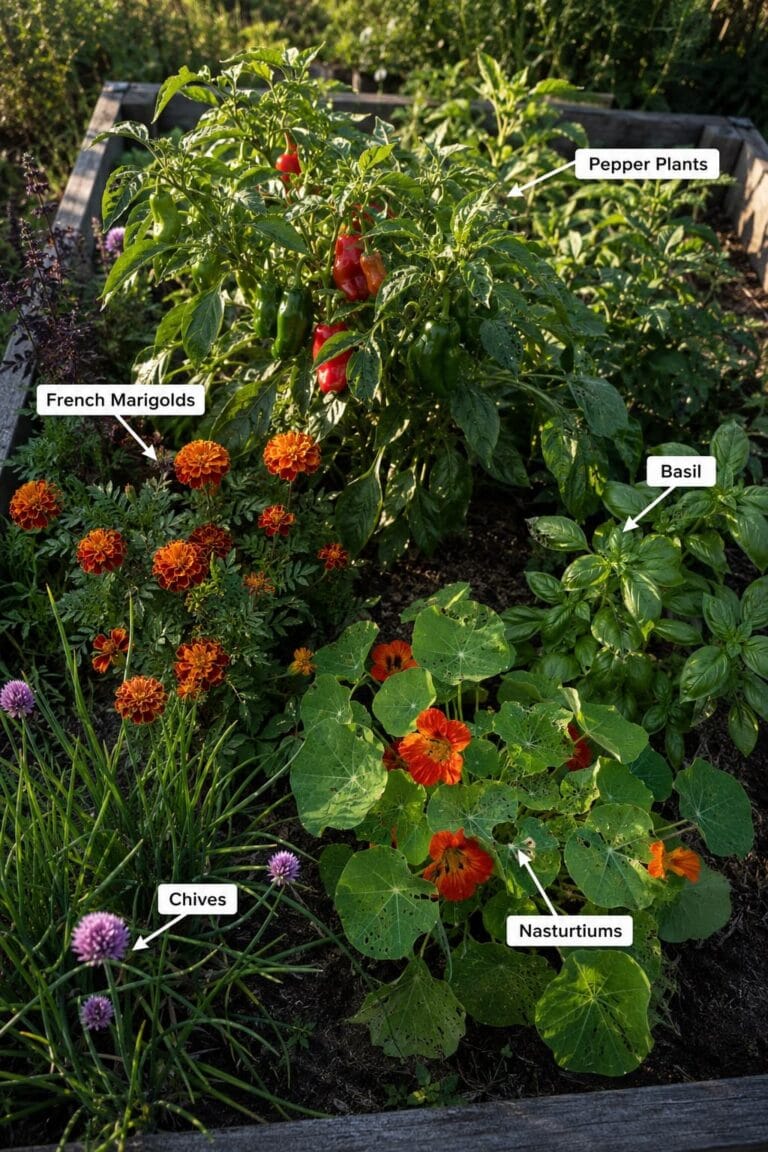
Companion Plants for Peppers: What Works and Why
Peppers are a magnet for aphids and thrips from the moment they go in the ground, and a plant this…