
Key Facts
- Warm season vining annual.
- Produces sweet, musky-fleshed fruit.
- Plants form separate male and female flowers on the same plant.
- Bees and other pollinators are required for reliable fruit set.
- Usually grown from seed and sown after danger of frost.
- Prefers full sun and fertile well-drained soil.
- Not winter-hardy. Frost kills plants.
- Fruit can carry foodborne pathogens if contaminated during harvest or handling.
Cantaloupe (Cucumis melo) is a warm season, frost-tender vine grown for sweet, musky-fleshed fruit. It performs best in full sun on fertile, well-drained soil and is usually started from seed after the danger of frost has passed.
Identification
Cantaloupe is a vining annual with a low canopy about 12 to 24 inches high above the crown and vines that typically spread 4 to 8 feet or more. Plants produce separate male and female flowers on the same vine and yield round to oblong melons with sweet, musky flesh when pollinated and allowed to mature in warm weather.
Where to grow and common uses
Grow cantaloupe in sunny vegetable beds where vines can sprawl or be trained on a trellis to save space. Cantaloupe is not winter-hardy and is used as a warm season annual; in frost-free climates vines may persist but remain sensitive to cold. Best used for fresh eating, salads and preserving when fully ripe.
Planting time and propagation
Propagate primarily by seed. Direct sow outdoors after the danger of frost or start seeds indoors 2 to 4 weeks before the last frost and transplant after hardening off. Ensure soil and air are warm at planting to reduce transplant shock and to encourage quick establishment and flowering.
Soil, light and watering
Plant in full sun with at least 6 to 8 hours of direct light for best fruit quality. Prefer fertile, well-drained loam with pH near 6.0 to 6.8. Maintain moderate, consistent moisture; poorly drained or waterlogged soils reduce yield and increase root disease. Mulch and raised beds help in heavier soils.
Pollination and after-flowering care
Bees and other pollinators are required for reliable fruit set because male and female flowers are separate on the same plant. Encourage pollinator activity during bloom so flowers are fertilized. After fruit sets, keep soil evenly moist and avoid practices that stress vines while fruit fills out.
Managing vines and spacing
Allow vines to sprawl or train them vertically to reduce footprint; trellising changes spread and can improve air flow. Expect a vine spread commonly between 4 and 8 feet depending on cultivar and training. Control space by planning bed layout or using supports to keep fruit off the ground when possible.
Harvest and food safety
Harvest when fruit shows cultivar-specific signs of ripeness and a sweet aroma. Cantaloupes have been linked to foodborne illness outbreaks when contaminated, so clean the rind before cutting and handle fruit with clean hands and surfaces to reduce contamination risk. Refrigerate cut fruit promptly.
Frequently asked questions
- How fast does Cantaloupe grow?
- Growth speeds up in warm conditions; vines and flowers develop through the warm season. Rate depends on cultivar, heat, soil fertility and whether plants started from seed or transplants.
- When should I plant cantaloupe?
- Sow seeds outdoors after the danger of frost or start indoors 2 to 4 weeks before the last frost and transplant after hardening off into warm soil.
- Do cantaloupes need pollinators?
- Yes. Bees and other pollinators are needed for reliable fruit set because male and female flowers are separate on the same plant.
- Are cantaloupes toxic to pets?
- Cantaloupe fruit and plants are not considered toxic to dogs and cats, though large amounts can cause stomach upset. For specific pet concerns consult local poison-control resources.
- How much space do cantaloupe vines need?
- Vines commonly spread 4 to 8 feet or more. Train vines on a trellis to reduce ground area or allow them to sprawl in roomy beds.
Related Plants


Mentioned In (2)
Plants
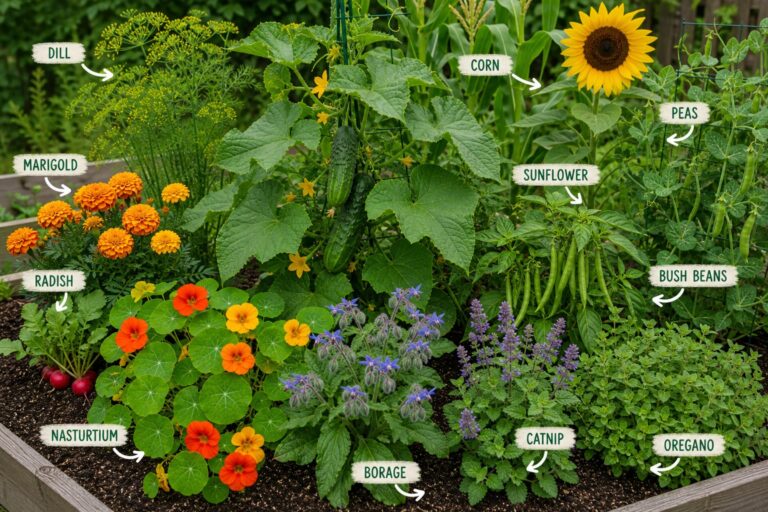
Companion Plants for Cucumber: What Works (and what Doesn’t)
Cucumber beetles are one of the most destructive forces in the vegetable garden — and they don't just eat foliage.…
Plants
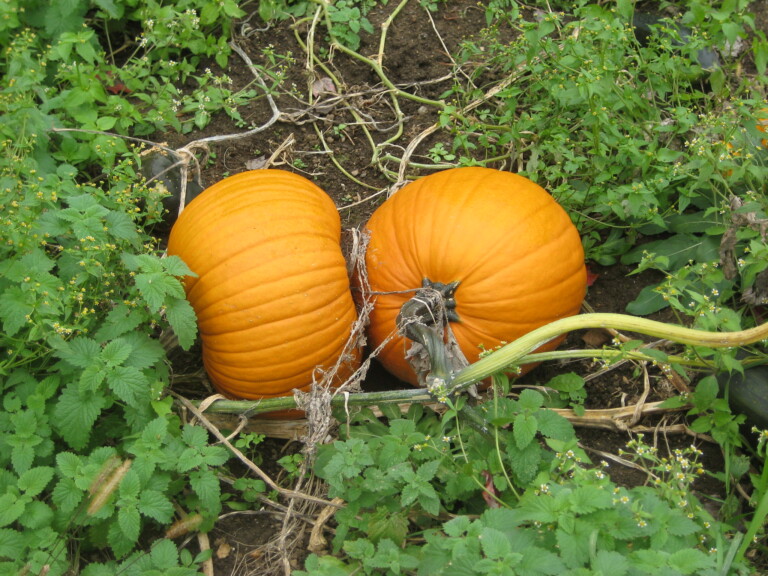
7 Plants That Look Like Pumpkin
Pumpkins have long been a staple food for many delicious culinary creations across many cultures. Pumpkins is another vernacular term…