
Key Facts
- Deciduous oak native to eastern and central North America.
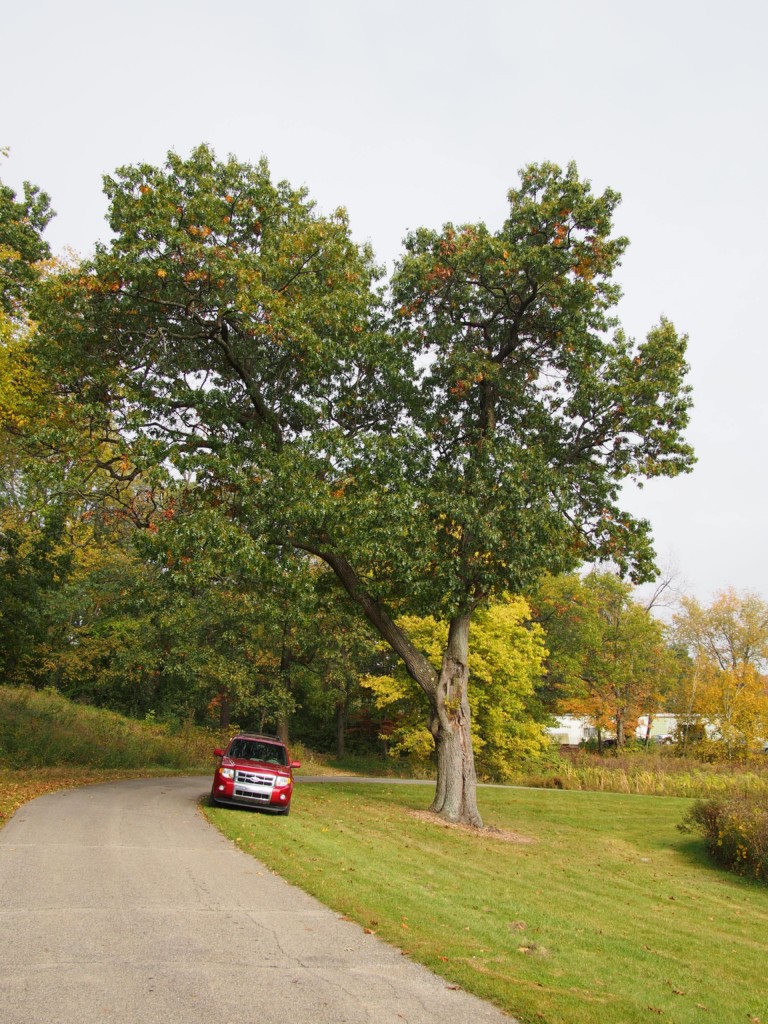
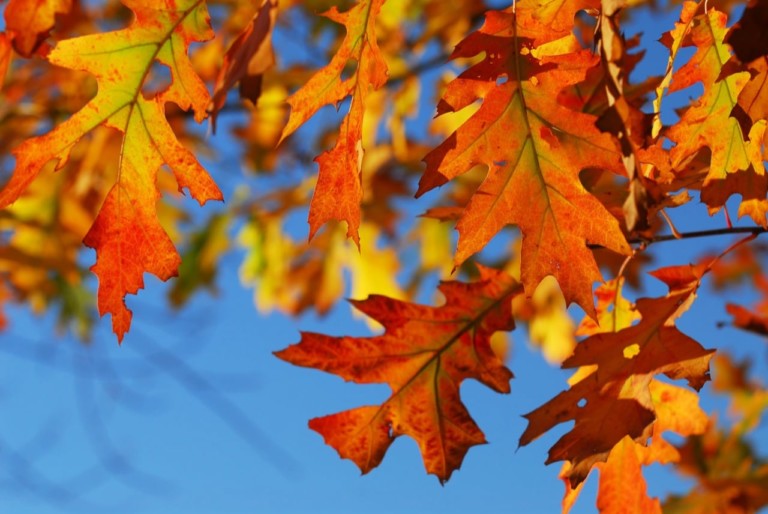
- Leaves are lobed with a pointed tip and turn reddish in autumn.
- Valued for shade, street planting, and timber.
- Produces acorns that feed many wildlife species.
- Prefers full sun and moist well drained soils.
- Cold hardy but slower to establish in very cold climates.
- Flowers are inconspicuous catkins that appear in spring.
- Can develop a deep taproot that makes transplanting difficult.
Northern Red Oak is a large deciduous oak grown for shade timber and wildlife value. It prefers full sun and moist well drained acidic to neutral soils and can develop a deep taproot that makes transplanting difficult.
Identification
Leaves are lobed with pointed tips and turn reddish in autumn which helps identify mature trees. Flowers are inconspicuous catkins that appear in spring and the tree produces acorns that feed many wildlife species. The species is native to eastern and central North America.
Where it grows and best uses
Hardy in USDA zones 3 to 8 the tree is valued for street planting shade and timber where space allows. Use it in larger yards parks and avenues where a long lived canopy is desired. Avoid small confined sites because mature height and crown spread are substantial.
Planting and spacing
Allow room for a mature crown spread often reported at 40 to 50 feet so plant trees at least that far apart from each other and from structures. Choose a sunny site with moist well drained soil. Young nursery trees establish more successfully when the root ball is planted level with the surrounding soil.
Soil and light
The species prefers moist well drained acidic to neutral soils and tolerates loam and clay when drainage is good. Best growth comes in full sun while light shade is tolerated. Poor drainage and compacted soils increase root stress and raise the risk of decline and root rot.
Watering and establishment
Provide consistent moisture during the first years after planting to help root development especially on heavier sites. Trees at colder zone limits are slower to establish and may show winter dieback. In warmer zones faster growth can occur but avoid waterlogged conditions that cause root problems.
After flowering and wildlife value
Spring catkins are not showy and require no special care after bloom. The tree produces acorns that provide important food for birds and mammals which can also lead to volunteer seedlings nearby. Monitor for pests and decline on poorly drained or stressed trees.
Containers and transplanting
Nursery trees are available as balled and burlapped or container grown stock but the species can develop a deep taproot that makes moving large specimens difficult. Northern Red Oak is generally not well suited to long term container culture and performs best planted in the ground where roots can expand.
Propagation
Propagate from acorns which are commonly sown after cold stratification or grown as nursery stock. Named cultivars are propagated by grafting. Expect taproot development in seedlings which can complicate transplant success for larger young trees.
Toxicity and safety
Acorns and wilted foliage contain tannins and other compounds that can be toxic to livestock when consumed in large amounts. Household pet toxicity is less documented but acorn ingestion can cause gastrointestinal symptoms. Handle fallen acorns with caution around grazing animals and verify pet specific concerns with local resources.
Frequently asked questions
- How fast does Northern Red Oak grow?
- Growth varies with site quality and climate. It can grow moderately to quickly on fertile moist sites and is slower to establish near cold zone limits.
- How tall does Northern Red Oak get?
- Mature height is commonly 60 to 75 feet with larger specimens possible under optimal conditions.
- Are acorns toxic?
- Acorns and fresh or wilted foliage can be toxic to livestock in large amounts and may cause gastrointestinal upset in pets.
- Can it be grown in a small yard?
- Because of its mature height and wide crown it is not recommended for small yards. Allow space for a 40 to 50 foot crown and for root spread.
- Can I transplant a mature tree?
- Transplanting large trees is difficult because of a deep taproot. Smaller nursery trees transplanted as balled and burlapped or in containers have the best success.
Related Plants


Mentioned In (25)
Trees
22 Most Common Trees in Maine
The state of Maine is home to many different species of trees, but according to the forestry department, only about…
Trees
33 Most Common Trees in Virginia
Let's have a look at the 33 most common trees in Virginia. Which of the names of these tree species…

Trees
21 most common trees in Connecticut
Connecticut is home to over 600 species of trees. That's a lot of shade! Some are more common than others,…
Trees
27 Most Common Trees in Ohio
Ohio is one of the most beautiful states in the United States, thanks to the millions of native trees that…
Oak
4 Common Types of Oak Trees in New York State
New York State has many land and aquatic habitats that are home to diverse plant and animal life. If you've…
Trees
27 Most Common Trees in Canada
There are many different types of trees in Canada. Some unique to certain regions, others common across the country. This…
Oak
9 Types of Oak Trees in Ontario
Do you plan to grow Oak Trees in your Ontario garden? Oaks are stately, tall, and attractive trees with dark…
Oak
9 Types of Oak Trees in New Jersey
If you want to grow Oak Trees in New Jersey, you’ve come to the right place! New Jersey is home…
Trees
19 Most Common Trees In New Jersey
When you think of New Jersey, the most heavily populated state in the country, your first thought might not be…
Trees
17 Most Common Trees in Massachusetts
The diverse ecosystems in Massachusetts include lakes, rivers, swamps, valleys, mountains, and hundreds of miles of forests, offering a variety…

Oak
8 Typical Types of Oak Trees in Kentucky
One of the best parts about being a gardener in Kentucky is the amazing variety of oak trees that you…
Oak
9 Common Types of Oak Trees in Minnesota
There are many different oak trees growing all across Minnesota, offering this state a gorgeous green cover for particularly sunny…
Oak
8 Common Types Of Oak Trees In Iowa
Do you want to plant an Oak Tree in your garden? Well, you will be pleased to know that you…
Oak
9 Types Of Oak Trees In Australia
Did you know that there are over 600 Oak species in the world? Oaks are part of the Quercus genus. They…

Oak
12 Common Types Of Oak Trees In Canada
Do you plan to grow Oak Trees in your garden? Well, you will be happy to know that there are…
Oak
19 Types of Oak Trees in Tennessee
Not only does the state of Tennessee have a lot of different trees, but the state is also home to…
Oak
19 Beautiful Types of Oak Trees in Illinois
The state of Illinois is home to more than four million acres of forested land, making it home to a…

Oak
8 Wonderful Types of Oak Trees in Wisconsin
Within Wisconsin’s forests, more than 43% include ash and maple trees, but the state is home to many other trees…
Oak
15 Amazing Types of Oak Trees in Arkansas
Arkansas has more than 18 million acres of forests that account for nearly 60% of the state, so if you’re…
Oak
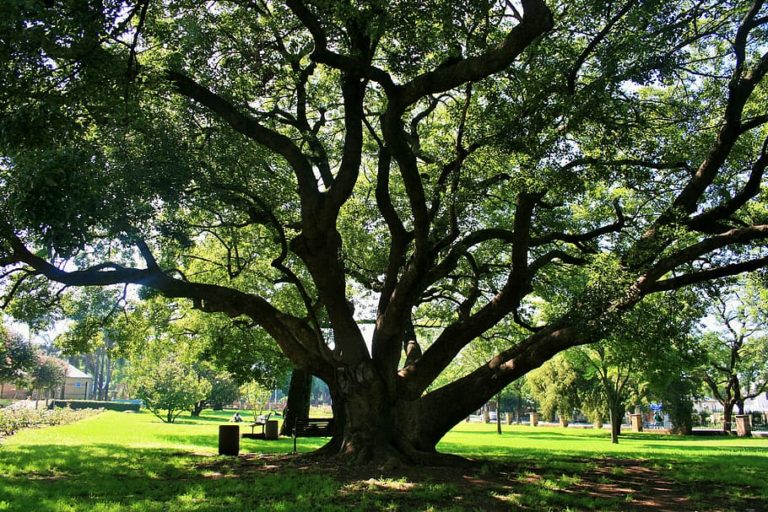
10 Prevalent Types of Oak Trees in Oklahoma
Trees in Oklahoma include everything from elms to black walnuts and pines to dogwoods, and that doesn’t even include the…
Oak
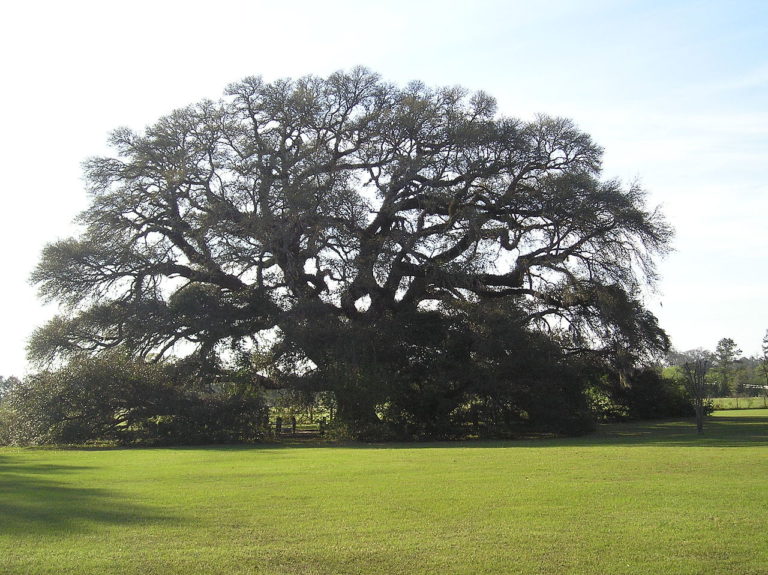
22 Types of Oak Trees in Alabama
The fact that Alabama has a lot of trees shouldn’t be a surprise to anyone. After all, nearly 70% of…
Oak
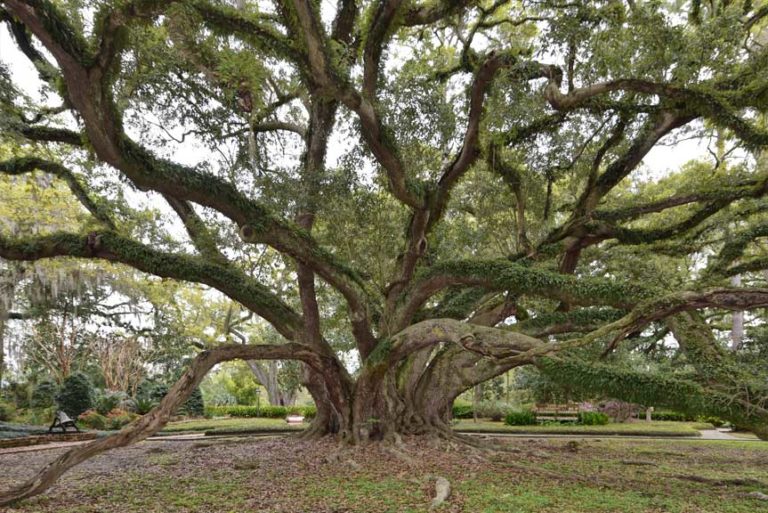
8 Common Types of Oak Trees in Louisiana
Louisiana’s warm weather means that there are lots of plants and trees in the state and you can even see…

Oak
6 Common Types of Oak Trees in Michigan
The majestic oak tree is written about in novels and displayed across the screen in hundreds of movies, and there…
Oak
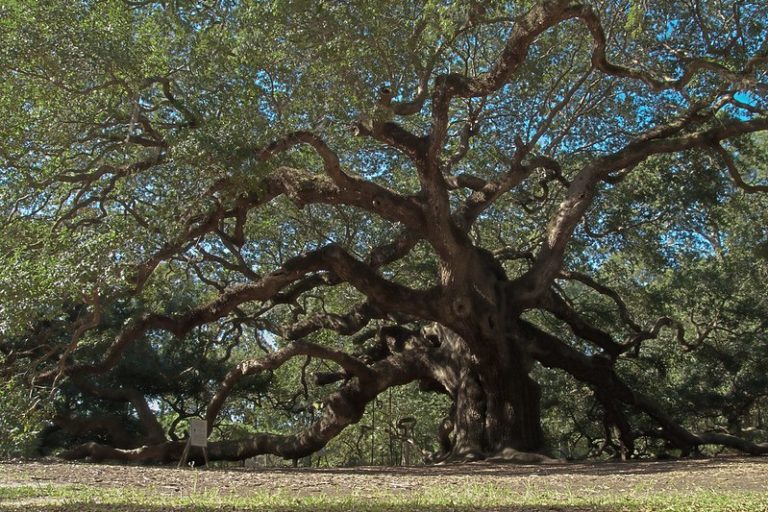
13 Types of Oak Trees in South Carolina
Not only is South Carolina home to tons of species of trees, but it also contains some of the largest…
Oak
76 Types of Oak Trees in North America (foliage photos)
Because of all the forests in North America, you can find just about every tree you can think of if…