
Key Facts
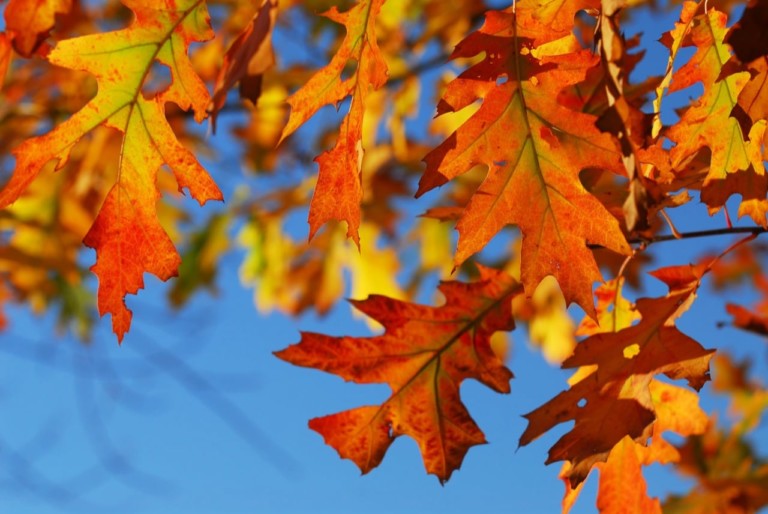
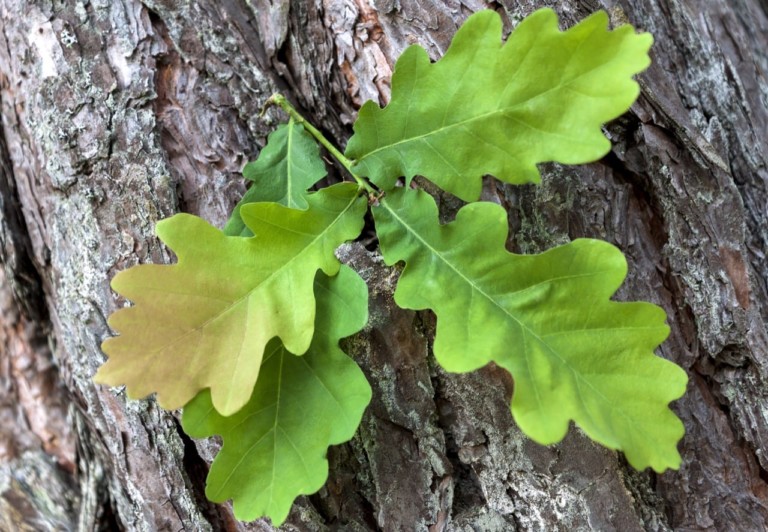
- Deciduous oak in the red oak group with lobed leaves and bristle tips.
- Native to eastern and central North America.
- Distinctive dark, deeply furrowed bark on mature trees.
- Produces acorns that feed many species of wildlife.
- Prefers well drained acidic to neutral soils and tolerates dry sandy sites.
- Performs best in full sun.
- Valued for timber and wildlife habitat.
- Susceptible to common oak pests and diseases including oak wilt and defoliating insects.
Black Oak is a deciduous red oak native to eastern and central North America, valued for timber and wildlife habitat but susceptible to common oak pests and diseases. Mature trees develop dark, deeply furrowed bark and produce acorns that feed many species of wildlife.
Identification
Leaves are lobed with bristle tips typical of red oaks and the tree flowers in spring with male catkins and small female flowers. Mature trunks show distinctive dark, deeply furrowed bark. Typical landscape size ranges from about 40 to 80 feet tall with a crown spread near 30 to 60 feet.
Best uses and where to grow
Use Black Oak as a shade or specimen tree in naturalized settings and wildlife plantings where its acorns support birds and mammals. It performs best in full sun and tolerates light shade. Hardiness is USDA zones 3 to 9 so it fits a wide temperate range across eastern and central North America.
Planting and spacing
Choose a planting site with room for a wide crown and allow roughly 30 to 60 feet between mature trees or structures to avoid crowding. Select well drained ground; Black Oak tolerates dry, rocky, or sandy sites but does poorly in poorly drained clay where root health and overall vigor decline.
Soil and watering
Prefers acidic to neutral, well drained soils and adapts to dry sandy conditions. In heavy or poorly drained soils roots can suffer and the tree will decline, so avoid planting in persistent wet spots. Monitor tree vigor after planting and avoid prolonged saturation of the root zone.
Care and pests
Black Oak is valued for timber but is susceptible to oak wilt and defoliating insects. Maintain tree health by avoiding stress from poor drainage and severe drought, remove dead or dying limbs promptly, and consult local extension or an arborist for suspected oak wilt because management is time sensitive.
Propagation
Propagate by seed using acorns after cold stratification; nursery stock for landscape use is sometimes grafted for selected traits. Softwood cuttings have low success without advanced techniques. Stratification timing and nursery protocols vary by region so follow local guidance for best results.
Toxicity and wildlife
Acorns feed many wild birds and mammals but contain tannins that can be toxic to livestock if eaten in large amounts. Small pet exposures commonly cause gastrointestinal upset. Severity depends on amount eaten and animal species; confirm specifics with a veterinarian or poison control source if needed.
Frequently asked questions
- How fast does Black Oak grow?
- Growth rate varies by site and climate. In favorable conditions a Black Oak will reach the typical 40 to 80 foot size over multiple decades, with slower growth in colder or poor sites and faster growth in warm, well drained locations.
- Is Black Oak invasive?
- Black Oak is native to eastern and central North America and is not considered an invasive species in its native range.
- What soil does Black Oak prefer?
- It prefers well drained acidic to neutral soils and tolerates dry, rocky, or sandy sites. Avoid poorly drained clay where roots and tree vigor suffer.
- Can Black Oak be grown in containers?
- Black Oak is a medium to large tree reaching 40 to 80 feet and is not suitable for long term container culture or small yards where mature crown space is limited.
- When does Black Oak bloom?
- Blooming occurs in spring, typically around April to May in the northern hemisphere, with male catkins and small female flowers.
- Are acorns toxic to pets or livestock?
- Acorns contain tannins and can cause gastrointestinal upset in pets and toxic effects in livestock after heavy ingestion. Check with a veterinarian or poison control for specific guidance.
Gallery

Related Plants


Mentioned In (22)
Oak
4 Common Types of Oak Trees in New York State
New York State has many land and aquatic habitats that are home to diverse plant and animal life. If you've…
Trees
25 Most Common Trees in West Virginia
West Virginia's ecology and wildlife benefit from vegetation. Pollutants are filtered away by vegetation, which also helps to prevent erosion.…

Oak
9 Types of Oak Trees in Ontario
Do you plan to grow Oak Trees in your Ontario garden? Oaks are stately, tall, and attractive trees with dark…
Oak
9 Types of Oak Trees in New Jersey
If you want to grow Oak Trees in New Jersey, you’ve come to the right place! New Jersey is home…
Trees
25 Most Common Trees in Tennessee
Tennessee is America's most biodiverse inland state. It has a topography that is both adaptable and abundant, with an unusual…
Trees
17 Most Common Trees in Massachusetts
The diverse ecosystems in Massachusetts include lakes, rivers, swamps, valleys, mountains, and hundreds of miles of forests, offering a variety…
Oak
9 Common Types of Oak Trees in Minnesota
There are many different oak trees growing all across Minnesota, offering this state a gorgeous green cover for particularly sunny…

Oak
21 Grand Types of Oak Trees in Mississippi
Do you wish to grow Oak Trees in your home garden? Well, you will be pleased to know that Mississippi…
Oak
8 Common Types Of Oak Trees In Iowa
Do you want to plant an Oak Tree in your garden? Well, you will be pleased to know that you…

Oak
12 Common Types Of Oak Trees In Canada
Do you plan to grow Oak Trees in your garden? Well, you will be happy to know that there are…
Oak
19 Types of Oak Trees in Tennessee
Not only does the state of Tennessee have a lot of different trees, but the state is also home to…
Oak
19 Beautiful Types of Oak Trees in Illinois
The state of Illinois is home to more than four million acres of forested land, making it home to a…

Oak
8 Wonderful Types of Oak Trees in Wisconsin
Within Wisconsin’s forests, more than 43% include ash and maple trees, but the state is home to many other trees…
Oak
15 Amazing Types of Oak Trees in Arkansas
Arkansas has more than 18 million acres of forests that account for nearly 60% of the state, so if you’re…
Oak
22 Types of Oak Trees in Alabama
The fact that Alabama has a lot of trees shouldn’t be a surprise to anyone. After all, nearly 70% of…
Oak
8 Types of Oak Trees in Ohio
The state of Ohio is home to more than 100 species of trees, and the most common tree in the…
Oak
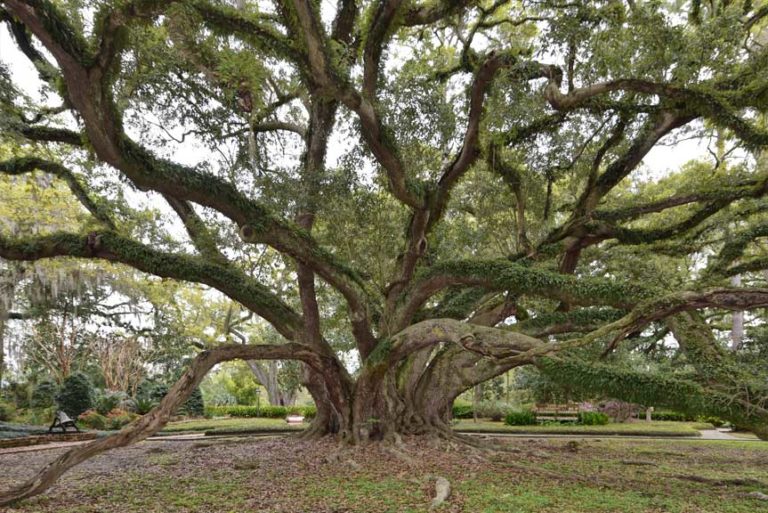
8 Common Types of Oak Trees in Louisiana
Louisiana’s warm weather means that there are lots of plants and trees in the state and you can even see…

Oak
6 Common Types of Oak Trees in Michigan
The majestic oak tree is written about in novels and displayed across the screen in hundreds of movies, and there…
Oak
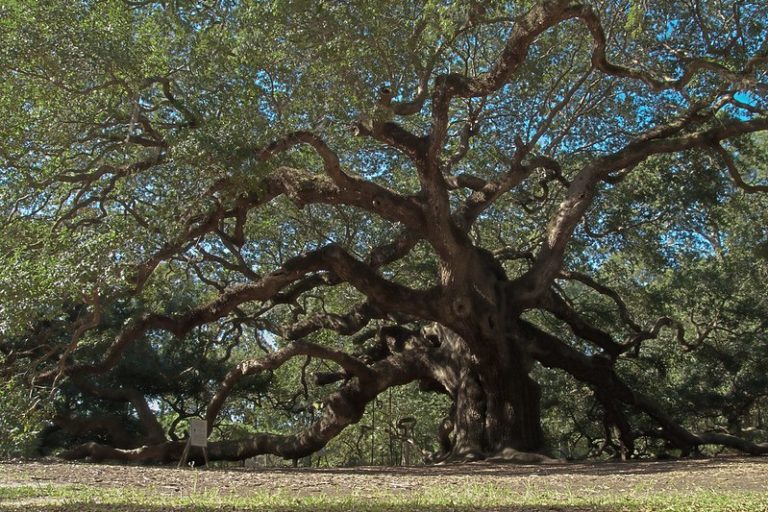
13 Types of Oak Trees in South Carolina
Not only is South Carolina home to tons of species of trees, but it also contains some of the largest…
Oak
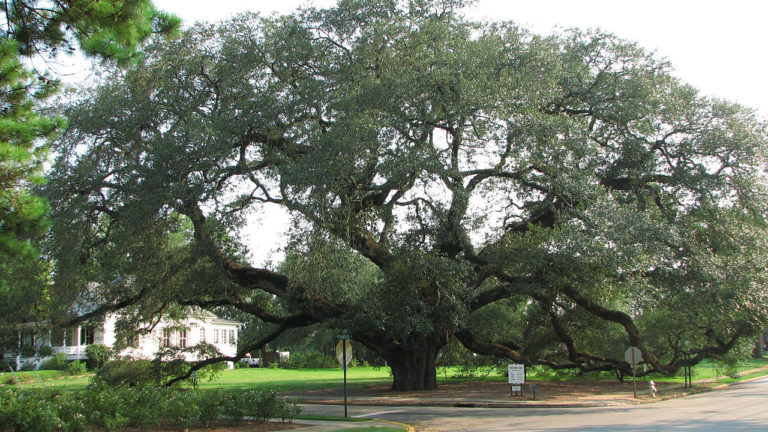
17 Great Types of Oak Trees in Georgia
That states like Georgia have a lot of trees should be no surprise to anyone. Because of its mild climate,…

Oak
16 Types of Oak Trees in Florida
With more than 16 million acres of forests and 180 state parks and forests, Florida is definitely a nature-lover’s paradise.…
Oak
76 Types of Oak Trees in North America (foliage photos)
Because of all the forests in North America, you can find just about every tree you can think of if…