
Key Facts
- Native to the southwestern United States and adjacent Mexico.
- Produces edible seeds known as pine nuts.
- Drought tolerant and adapted to dry rocky soils.
- Small to medium evergreen tree with two needles per fascicle.
- Important food source for wildlife and for traditional human harvests.
- Prefers full sun and well drained soils.
Pinyon Pine is a small evergreen native to the southwestern United States valued for drought tolerance and edible seeds. It works well as a specimen or wildlife tree on dry, sunny sites but can be shrubby on poor soils and produces sticky cones and pine nuts that attract animals.
Identification
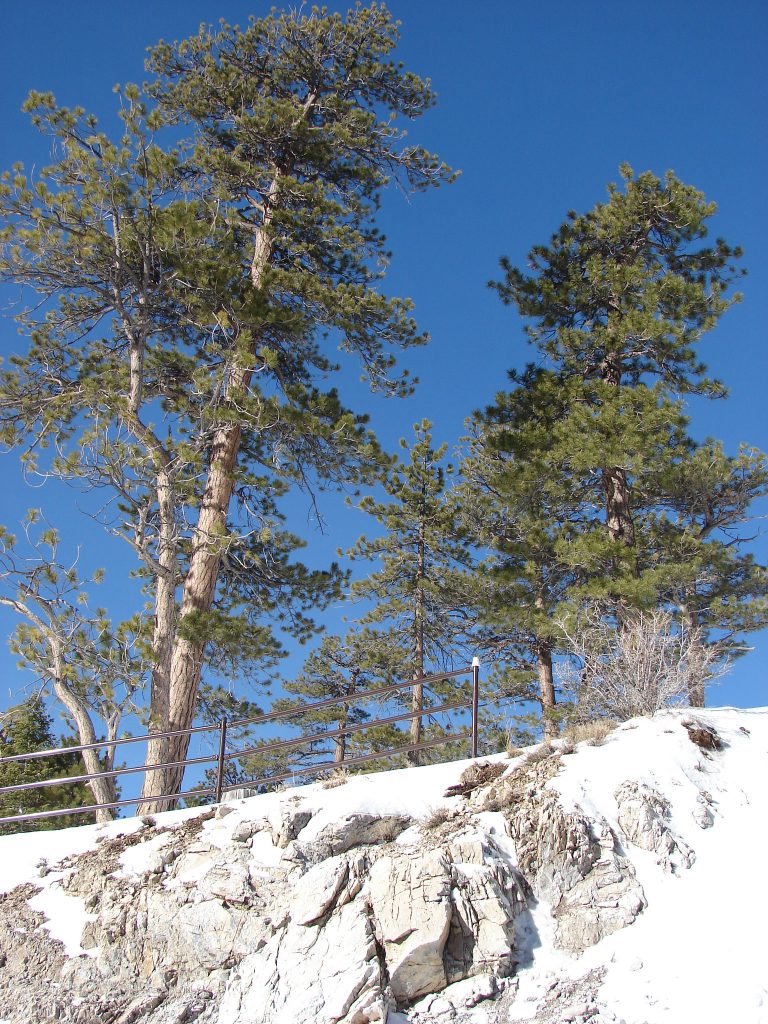
Pinus edulis is a small to medium evergreen with two needles per fascicle and a rounded to irregular crown. Typical mature height is about 10 to 30 feet with a similar spread on open sites. Trees often appear shorter and more shrubby on exposed, droughty sites.
Best uses and landscape role
Pinyon Pine suits dry, sunny landscapes where low water use and wildlife value matter. Use as a specimen, native garden accent, windbreak or to naturalize rocky slopes. Expect tradeoffs: attractive pine nut production and wildlife use come with slow growth and occasional messy nut drop.
Where to grow
Plant in USDA zones 4 through 8, noting cold tolerance varies with elevation and provenance. Prefers full sun and well drained sandy or rocky soils and tolerates alkaline, poor soils. Avoid planting in poorly drained heavy clay where root decline and dieback are more likely.
Planting and spacing
Space trees to match their mature spread, roughly 10 to 25 feet apart depending on site and landscape goals. Place plants where they will receive full sun for best growth and cone production. On exposed sites expect more irregular crowns and reduced height.
Watering and ongoing care
Pinyon Pine is drought tolerant once established but needs regular irrigation during the first few years to develop roots. Overwatering or poor drainage causes root decline and reduced vigor. Minimal pruning is needed beyond removing dead branches and shaping young trees.
Propagation and nut harvest
Propagation is primarily by seed. Seed often benefits from cold stratification or planting fresh; nurseries may graft selected cultivars. Cones produce edible pine nuts that have been harvested traditionally; cone and seed ripening timing varies by local climate.
Pests, toxicity and risks
Seeds are edible for humans and an important wildlife food. Pine needles and pine oils can irritate people or pets and large ingestions may cause stomach upset, so check local poison control for pet-specific guidance. Poor drainage increases risk of root rot and decline.
Frequently asked questions
- How fast does Pinyon Pine grow?
- Growth is generally slow to moderate and varies with site quality. Trees may take many years to reach typical mature height of 10 to 30 feet.
- Are pinyon nuts edible?
- Yes. Pinyon trees produce edible pine nuts that have long been used as a food source, though harvest timing varies by region.
- What soils do they prefer?
- They prefer well drained sandy or rocky soils and tolerate alkaline and poor soils. Avoid poorly drained heavy clay to prevent root decline.
- Are they suitable for small yards?
- Yes when sited carefully. Choose planting spots that accommodate a 10 to 25 foot spread and expect variable crown shape on exposed sites.
- Are pinyon pines toxic to pets?
- Not highly toxic but pine needles and pine oils can cause irritation or stomach upset in pets. Consult poison control or a veterinarian for specifics.
Related Plants


Mentioned In (2)

Pine
29 Different Types of Pine Trees in California (Northern & Southern)
People love pine trees, and there is little wonder why. The cones can be easily decorated for a variety of…

Pine
51 Common Types of Pine Trees in North America (photos)
Wherever you go in North America, it is difficult not to see pine trees. These are tall, elegant trees that…