
Key Facts
- Native to south west Western Australia.
- Showy clusters of red, pink, or orange flowers that attract nectar feeding birds.
- Used as an ornamental street and garden tree in mild climates.
- Prefers full sun and well drained soils.
- Moderately drought tolerant once established.
- Often grown from seed, cuttings, or grafted for named cultivars.
- Contains eucalypt type essential oils that can irritate or be toxic if ingested in quantity.
Red Flowering Gum is an Australian ornamental tree prized for bright nectar rich blooms and a habit of attracting nectar feeding birds. It suits mild climates where full sun and well drained soil are available and is moderately drought tolerant once established.
Identification
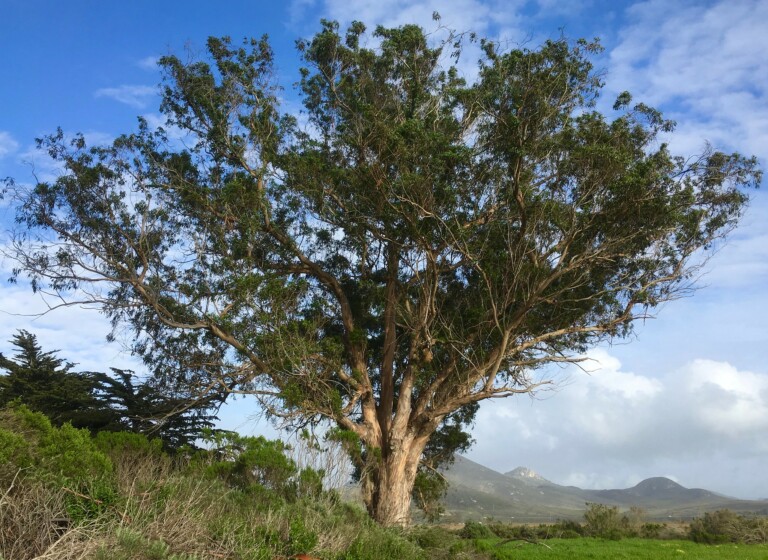
Native to south west Western Australia this small to medium sized tree produces showy clusters of red pink or orange flowers. Many cultivated trees reach about 15 to 30 feet tall and have evergreen leaves containing eucalypt type oils that can irritate skin or be toxic if eaten in quantity.
Where to grow and best uses
Used as an ornamental street and garden tree in mild climates it performs best in sunny sheltered sites. USDA 9 through 11 is the suggested hardiness range and trees do better with frost protection in cooler areas. Plant it where nectar feeding birds can visit and allow room for a broad crown.
Planting timing and spacing
Choose a planting time when the soil is workable and there is minimal frost risk since cold winters cause damage in sensitive areas. Space trees to reflect their mature spread which often ranges from about 12 to 30 feet depending on cultivar and pruning. Give enough clearance from buildings and other trees for a broad crown.
Soil and light
Plant in well drained sandy to loamy soils and avoid waterlogged heavy clay which can lead to root problems. Full sun produces the best flowering and light afternoon shade will reduce bloom. The species tolerates low fertility and neutral to slightly acidic pH but will suffer in poorly drained sites.
Watering and drought tolerance
Keep young trees evenly moist until established to encourage a strong root system. Once established the species is moderately drought tolerant and will survive periods of low water. Prolonged waterlogging or overwatering causes root decline and reduced vigor so mulch and moderate irrigation are recommended.
After flowering and pruning
Light pruning after flowering helps maintain shape and keeps the crown balanced. Remove crossing or dead branches and avoid heavy pruning late in the season that could reduce the following year s blooms. Monitor for dieback after severe frosts and prune out damaged wood to encourage healthy regrowth.
Propagation
Propagate from seed cuttings or by grafting for named cultivars. Seed is easy to grow but produces variable offspring while cuttings and grafting preserve cultivar traits. Many named forms are grafted onto rootstock so check the plant s propagation method when sourcing trees.
Containers and urban planting
This species is commonly used as a street or garden tree rather than a container specimen because many cultivars reach 15 to 30 feet. Some cultivated forms remain smaller so choose a known smaller cultivar or grafted form if space is limited. Allow room for the root system away from paved surfaces.
Frequently asked questions
- How fast does Red Flowering Gum grow?
- Growth rate varies by cultivar site and climate. In favorable warm conditions many trees reach 15 to 30 feet over several years making them moderate to reasonably fast growers.
- When does it flower?
- Flowering generally occurs in late spring to summer in many climates. Exact timing depends on hemisphere cultivar and local weather patterns.
- Is it frost sensitive?
- Yes it is frost sensitive. USDA 9 through 11 is the suggested range and young trees or cold exposed specimens may need protection from hard frosts.
- Are the leaves toxic to pets?
- The leaves contain eucalyptus type essential oils that can cause irritation or be toxic if large amounts are ingested. Consult local poison control or a veterinarian for exposure concerns.
- How should I propagate named cultivars?
- Use cuttings or grafting to reproduce named cultivars true to type since seed raised plants are variable. Many commercial cultivars are sold grafted onto rootstock.
Related Plants


Mentioned In (1)
Plants
7 Plants That Look Like Eucalyptus
Eucalyptus trees have a distinctive fragrance that is easily recognizable but can be tricky to identify visually. There are several…