
Key Facts
- Tender annual grown for bright, long-lasting blooms.
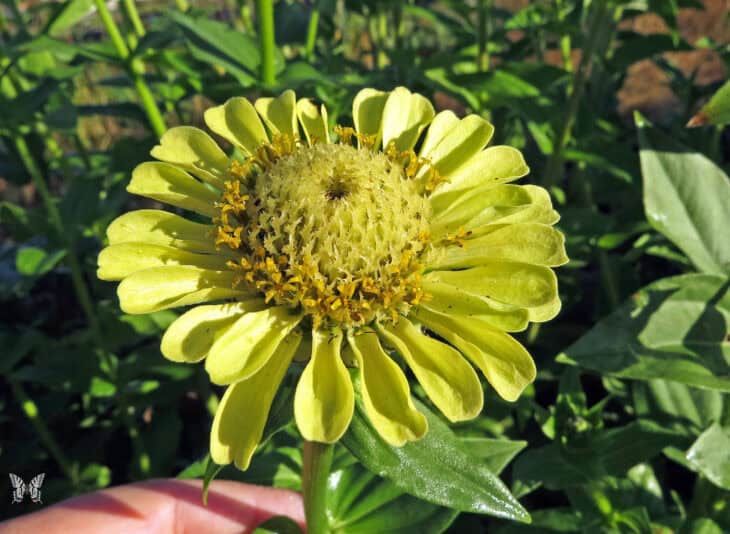
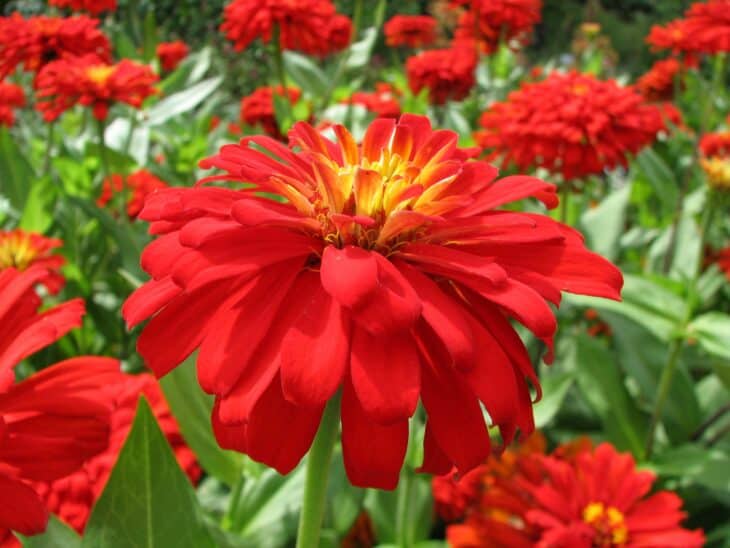
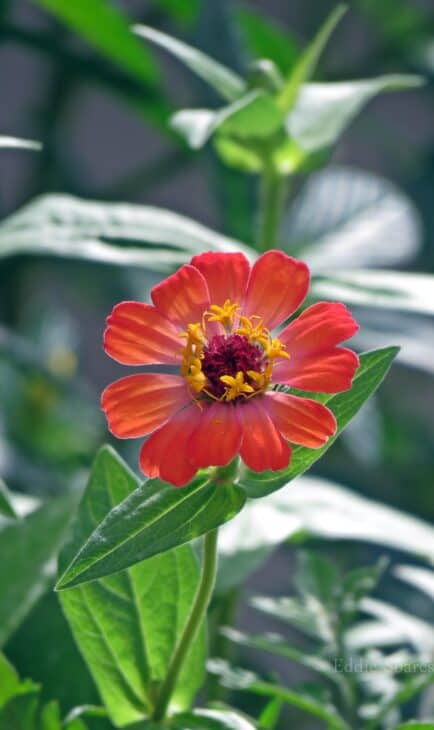
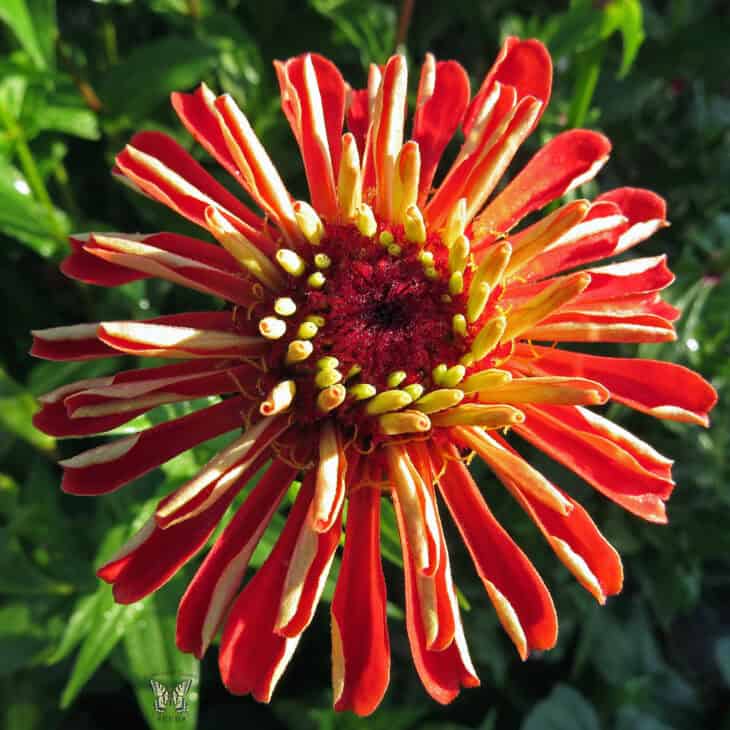
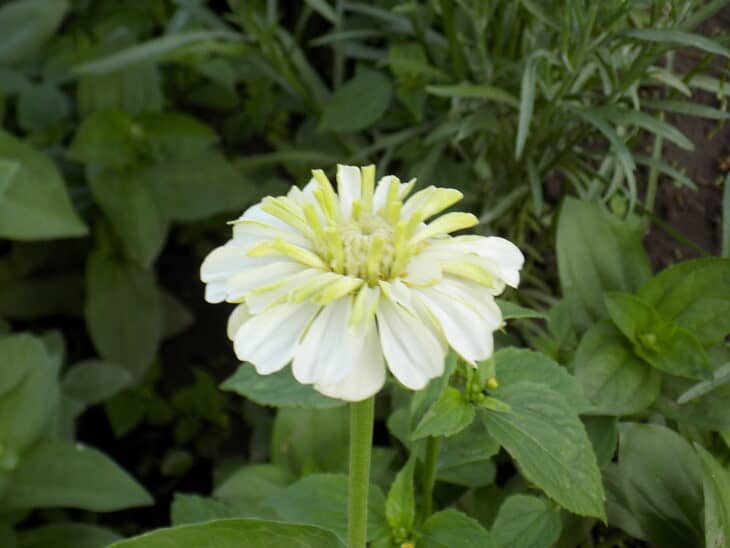
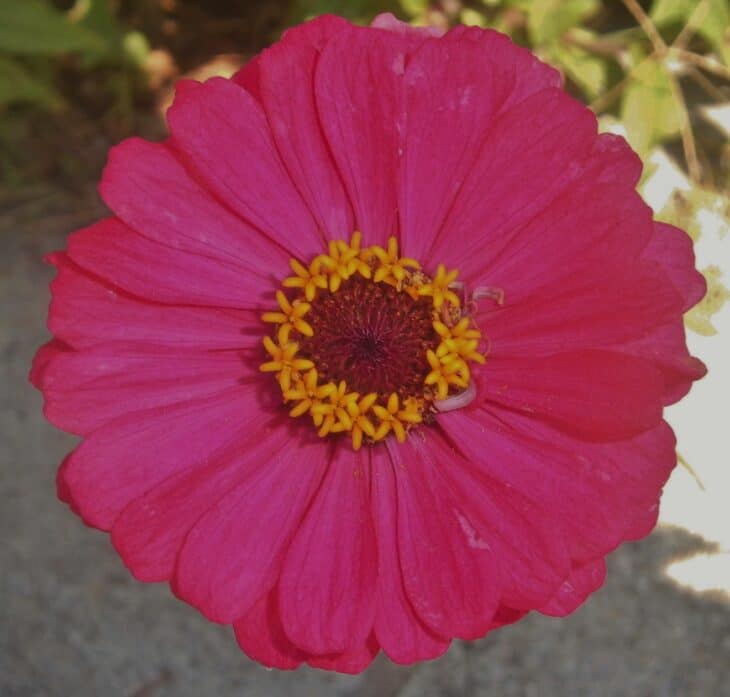
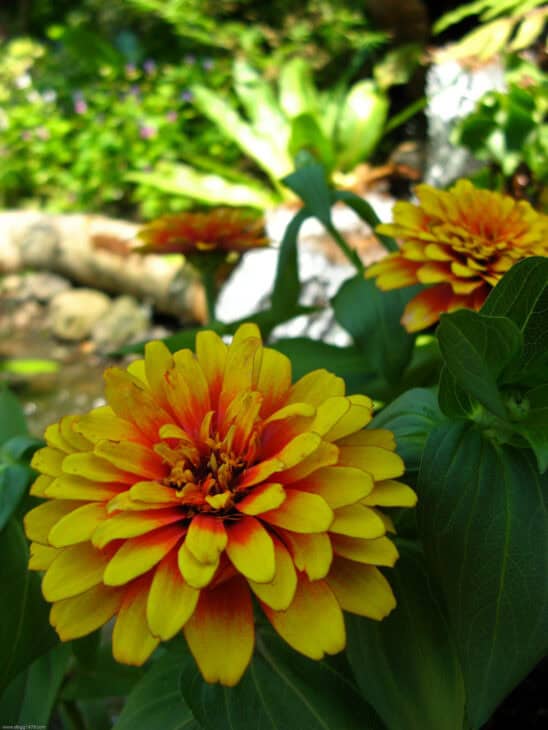
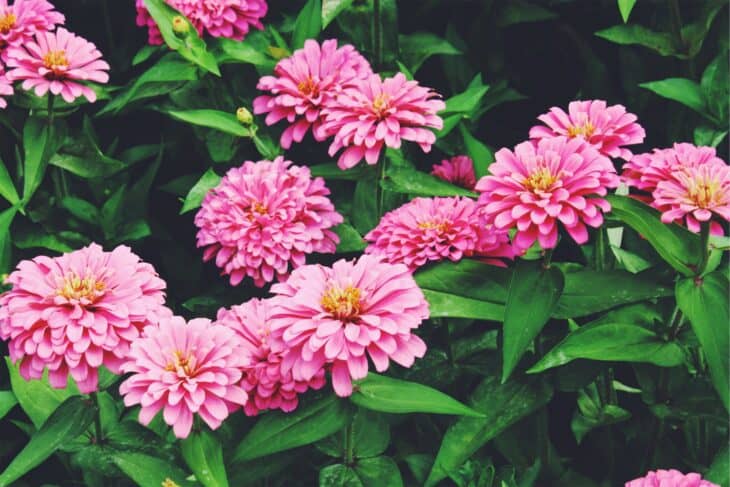
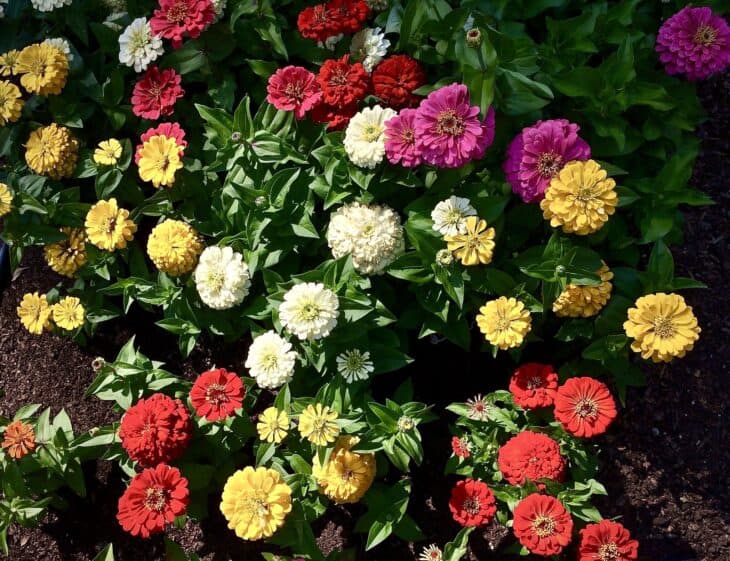
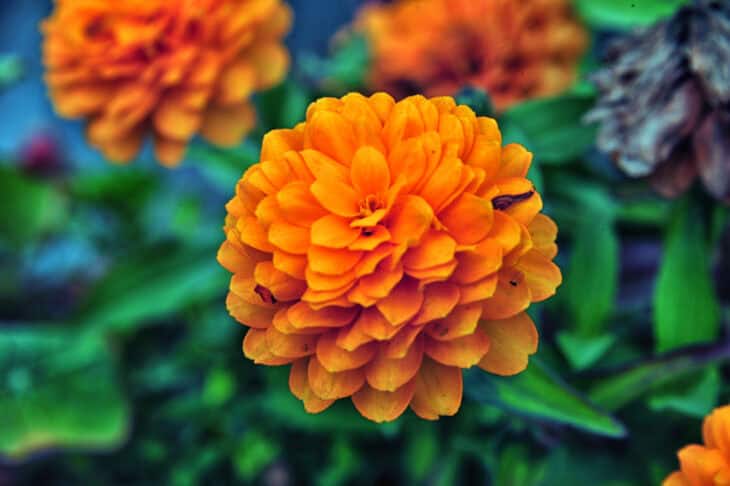
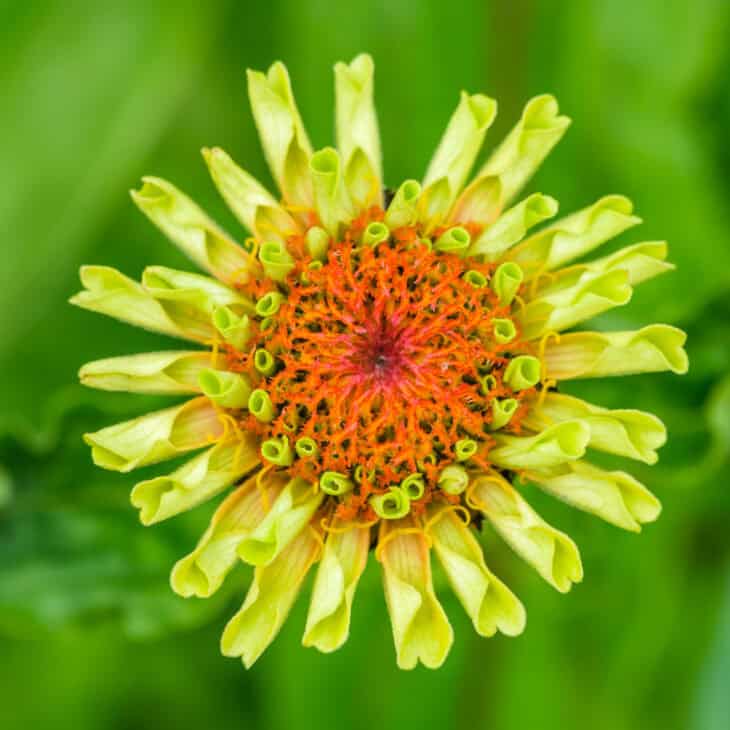
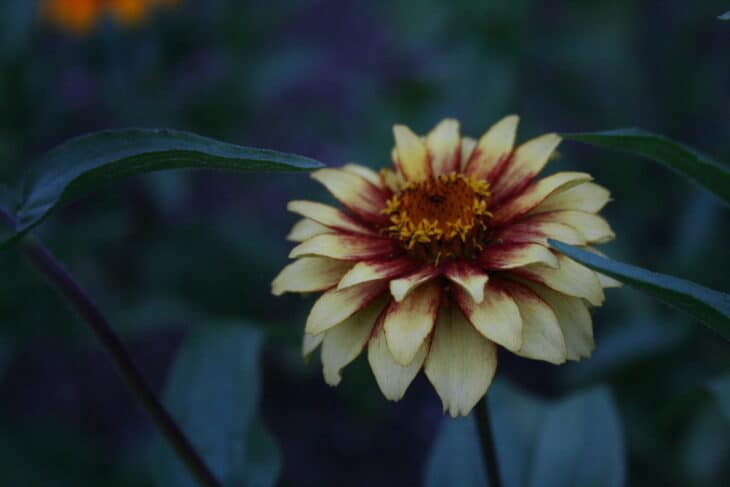
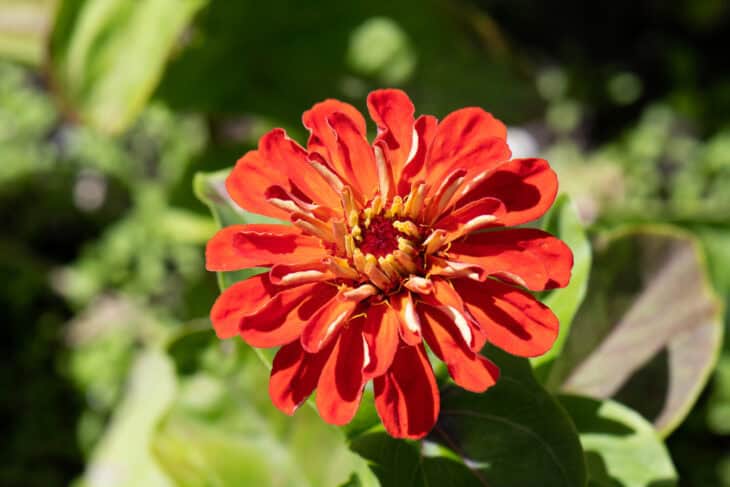
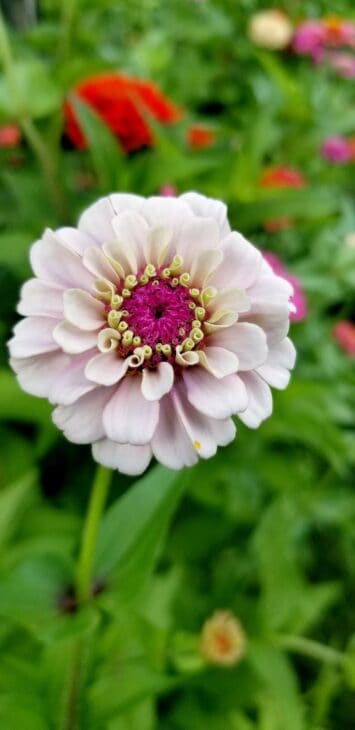
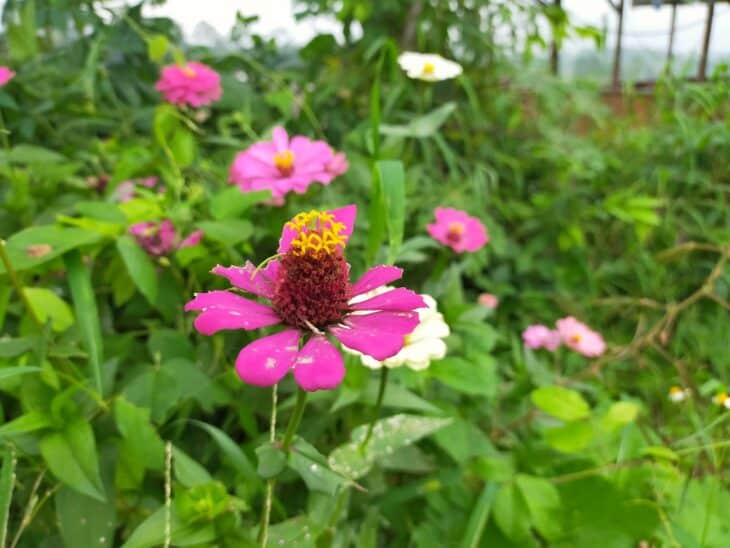
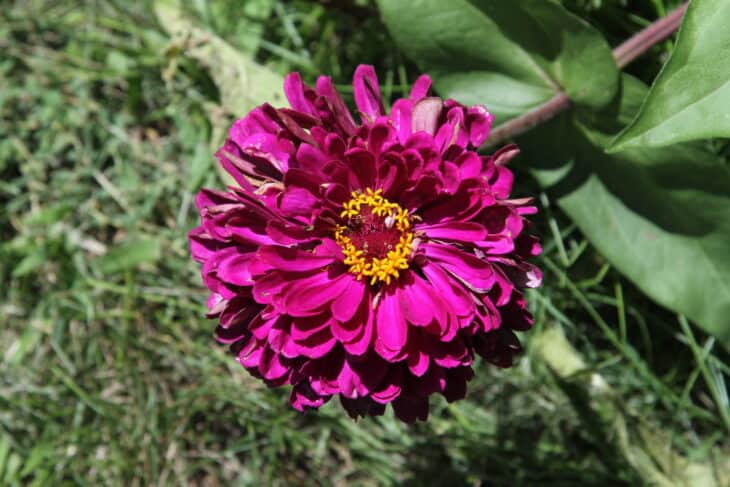
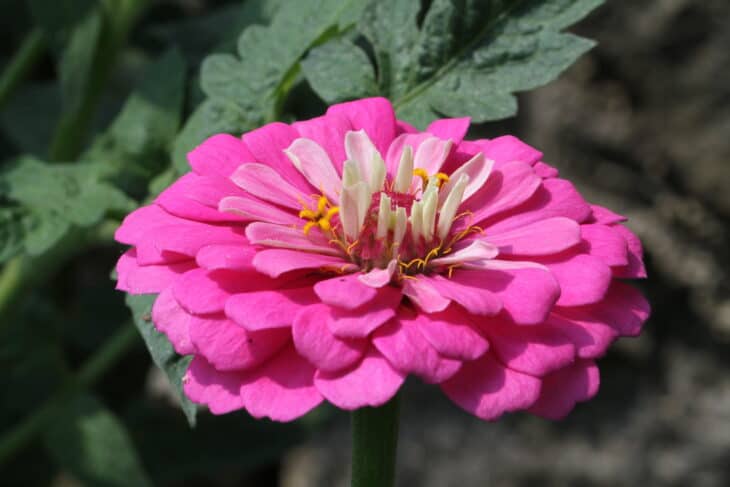
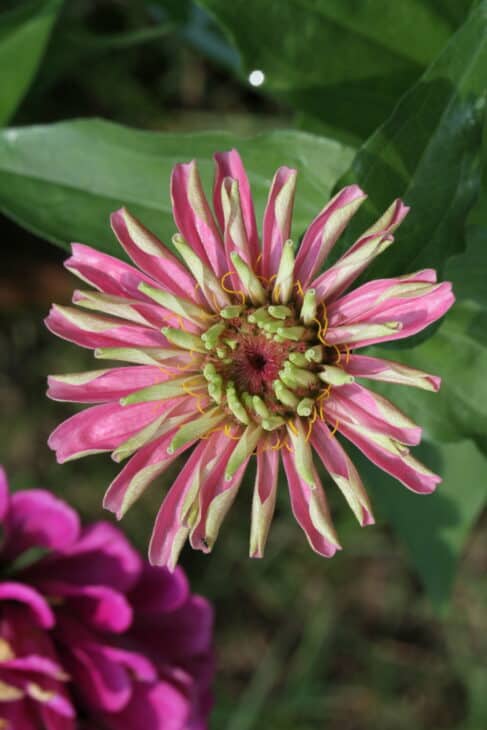
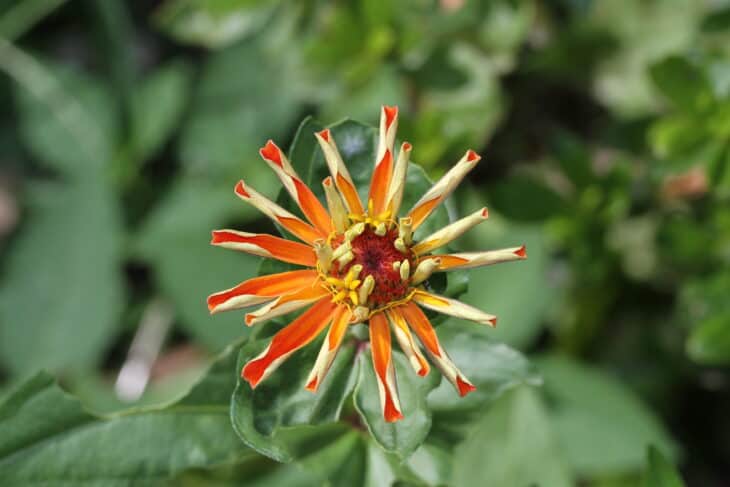
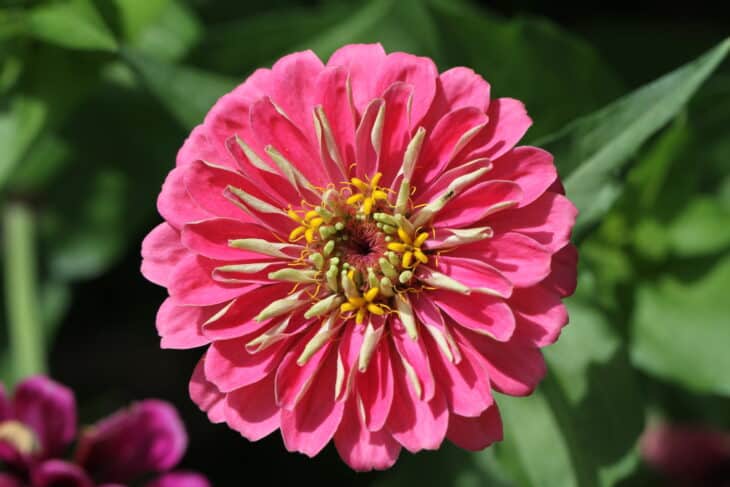
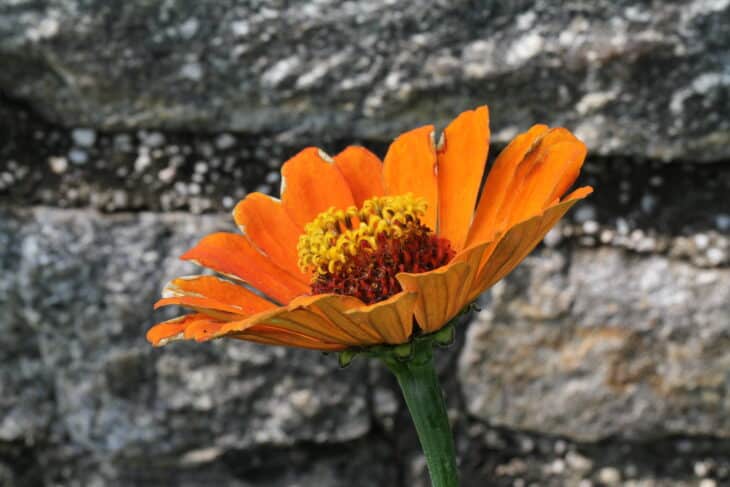
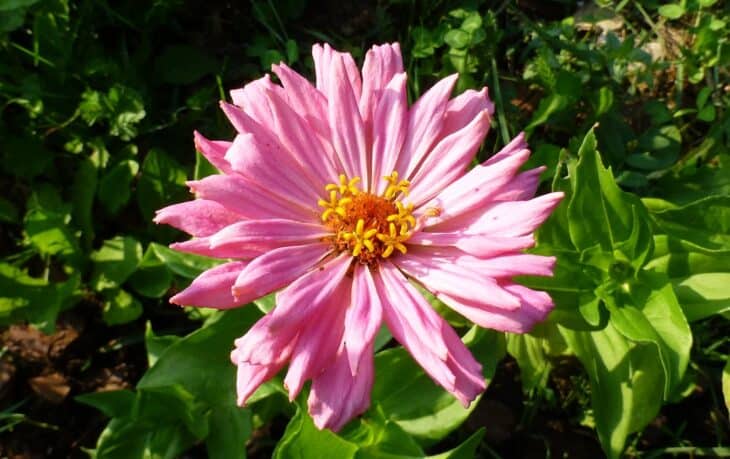
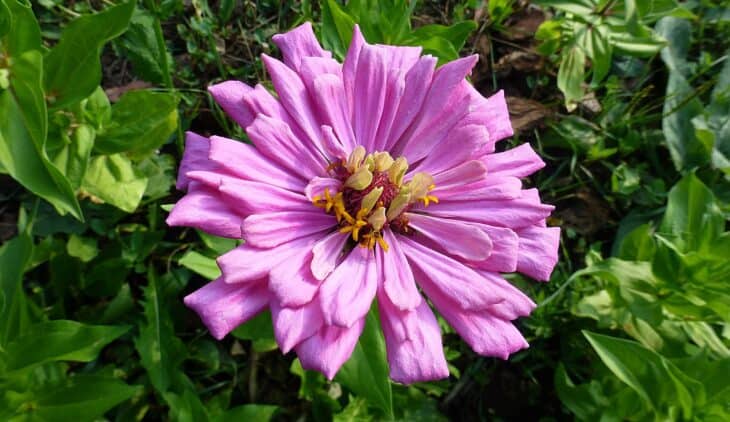
- Flowers appear in many colors and forms from single to double heads.
- Best in full sun with well-drained soil.
- Easy to grow from seed and quick to bloom.
- Attracts bees, butterflies, and other pollinators.
- Deadheading extends the bloom period.
- Can be susceptible to powdery mildew in hot humid conditions.
- Available in compact bedding types and tall cut-flower types.
Zinnias (Zinnia elegans) are tender annuals prized for bright, long-lasting blooms that appear from summer until the first hard frost. They are easy to raise from seed, attract bees and butterflies, and come in many flower forms from single to double heads.
Identification
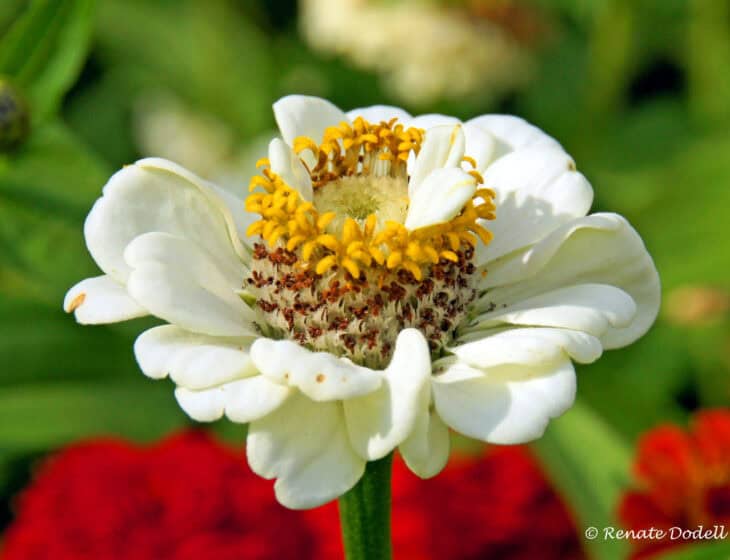
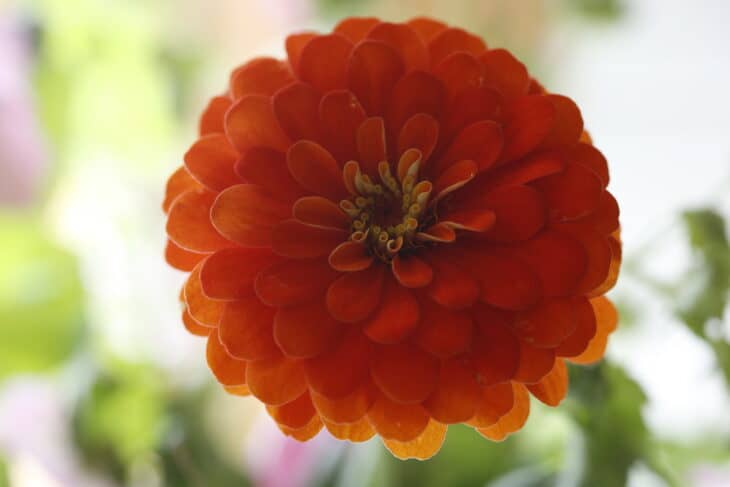
Flowers appear in many colors and forms, from single daisy-like heads to fully double pompon blooms. Common garden varieties are about 12 to 24 inches tall, with some cultivars as short as 6 inches or as tall as 48 inches. Typical spread ranges from about 6 to 18 inches depending on variety and spacing.
Where to grow Zinnias
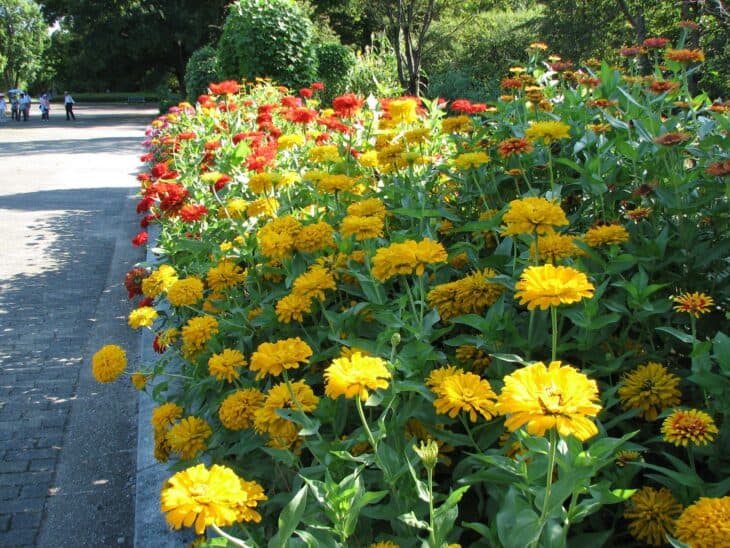
Plant in full sun with well-drained soil for the most abundant flowering. Zinnias suit beds, borders and pollinator patches, and are available in compact bedding types plus taller types for cutting. They are usually grown as frost-tender annuals and may persist or self-seed in frost-free climates roughly USDA zones 9 to 11.
Planting time and propagation
Direct sow outdoors after the last frost for reliable results. For earlier blooms start seeds indoors 4 to 6 weeks before the last frost date for your area. Plants are easy from seed and some types will also root from cuttings or self-seed where conditions allow.
Spacing and planting
Space plants to allow good airflow and match the cultivar habit. Many common varieties perform well at 6 to 18 inches apart; check the seed packet or plant tag for cultivar-specific spacing. Avoid crowding to reduce disease pressure and help stems remain sturdy and well branched.
Soil and watering
Grow Zinnias in fertile, well-drained soil with neutral to slightly alkaline pH. Avoid waterlogged heavy clay since poor drainage leads to root problems and reduced performance. Provide consistent moisture while allowing the surface to dry slightly between waterings to keep roots healthy and plants flowering well.
In-season care
Remove spent blooms to extend the flowering period; deadheading encourages more buds and longer display. Watch for powdery mildew in hot, humid conditions since susceptibility varies by cultivar. Good air flow and appropriate spacing reduce mildew risk and keep foliage healthier through the season.
After flowering and seed saving
Many Zinnias will self-seed if spent flowers are left to dry on the plant. Collect dry seed heads to save seed for next year or to share. In colder climates replant each year since plants do not survive hard freezes, but saved seed makes renewal simple and inexpensive.
Containers and cut flowers
Compact bedding types work well for containers and edging while taller cut-flower types are excellent for bouquets. Zinnias produce long-lasting blooms that hold up well when cut, making them a dependable choice for summer vase work and mixed garden arrangements.
Frequently asked questions
- How fast does Zinnias grow?
- Zinnias are quick to bloom once warm weather arrives and are described as quick to bloom from seed. Starting indoors 4 to 6 weeks before the last frost will bring earlier flowers.
- Are Zinnias perennial?
- They are usually grown as frost-tender annuals. In frost-free areas they can persist or self-seed and appear year to year, roughly in USDA zones 9 to 11.
- Do Zinnias attract pollinators?
- Yes. Zinnias attract bees, butterflies and other pollinators and are a good choice for pollinator-friendly plantings.
- How do I reduce powdery mildew on Zinnias?
- Choose mildew-resistant cultivars when available, space plants for good air flow and avoid prolonged wet foliage. Susceptibility varies by cultivar and climate.
- How tall do Zinnias get?
- Common garden types are about 12 to 24 inches tall. Some cultivars range from roughly 6 inches up to about 48 inches depending on the type selected.
Gallery
Related Plants

Mentioned In (3)
Plants
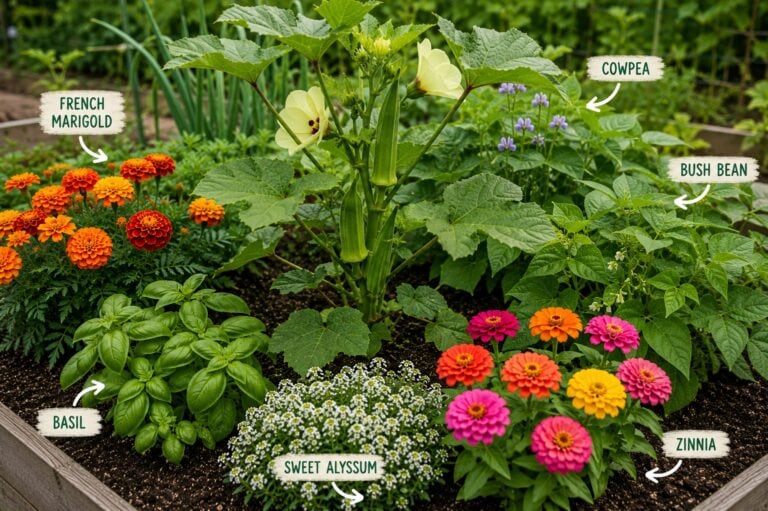
Companion Plants for Okra: What Works (and what doesn’t)
Root-knot nematodes, aphids, and pod-feeding stink bugs are the pressure points that make okra companion planting worth planning carefully. The…
Plants
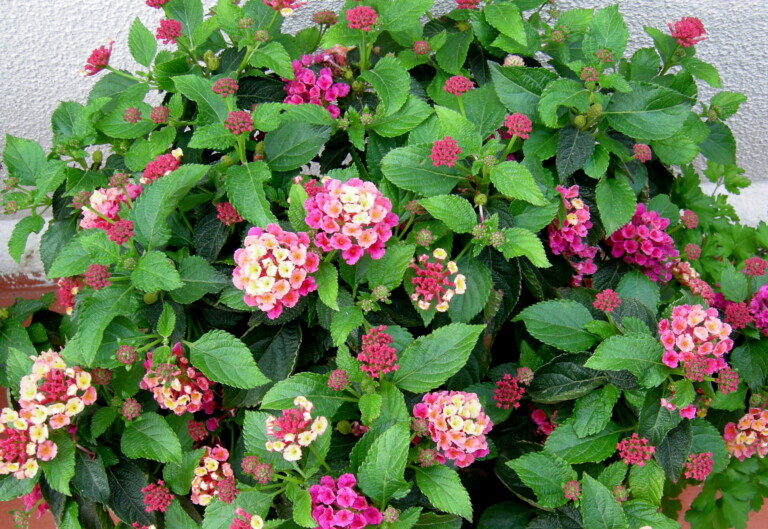
7 Plants That Look Like Lantana
Lantana is an easy-to-grow plant that brings much life and color to your garden. These plants love well-drained soil and…

Plants
Top 10 Plants to Attract Butterflies
Creating a butterfly-friendly garden starts with choosing the right plants. Butterflies need two kinds of plants: nectar sources for adult…