
Key Facts
- Commonly called vervain and grown for clusters of small flowers.
- Attracts bees and other pollinators.
- Herbaceous with a low mounded habit.
- Used historically in traditional herbal medicine.
- Can behave as a short lived perennial or biennial depending on climate.
- Prefers well drained soils and tolerates poorer soils.
- Easily propagated by seed and softwood cuttings.
Verbena is a low growing herb grown for clusters of small flowers that attract bees and other pollinators, valued in borders and pollinator gardens. It often behaves as a short lived perennial or biennial depending on climate and performs best where soil drains freely rather than staying wet.
Identification
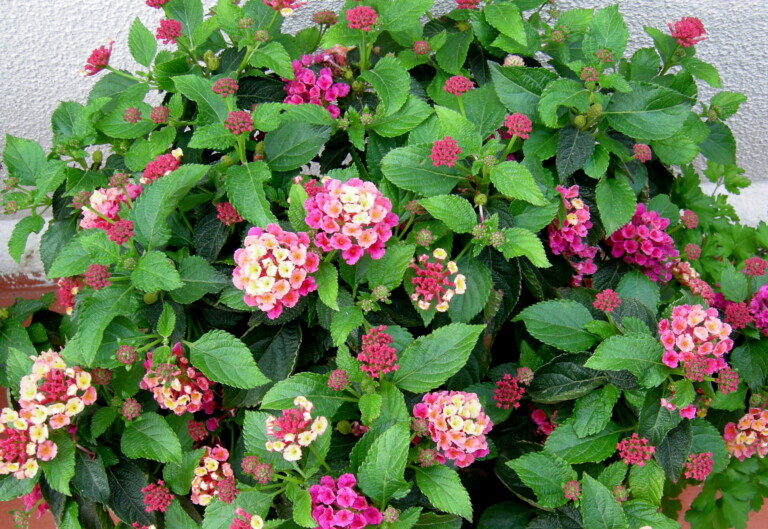
Verbena forms low mounded clumps typically 12–24 in (30–60 cm) tall and similar in spread for many garden forms. Flower heads are clusters of small blooms that appear above the foliage and draw pollinators. Commonly called vervain, this herbaceous plant is often mistaken for other verbena species so check cultivar labels for exact traits.
Where to Grow and Best Uses
Use Verbena as a groundcover, in mixed borders, or in pollinator patches where a low, flowering habit is wanted. It tolerates poorer soils when drainage is good so it suits hot, sunny spots and gravelly beds. In warmer climates it may persist and self seed, while in cooler areas plants can die back and return as short lived perennials.
Planting and Seasonal Timing
Plant nursery starts after danger of hard frost or sow seed in spring when soil can be worked, with flowering mainly from summer into early fall in many climates. Space plants about 12–24 in (30–60 cm) apart to allow mounding and airflow. Timing depends on local conditions and cultivar vigor.
Soil, Light and Water
Verbena prefers full sun for best flowering but tolerates light afternoon shade. Choose well drained soils and avoid heavy waterlogged sites because poor drainage leads to decline and root problems. Water regularly while establishing and reduce frequency once established to prevent weak, leggy growth and to encourage stronger flowering stems.
After-Flowering Care
Deadhead spent flower clusters to extend bloom and keep plants tidy, cutting back longer stems to encourage new growth. In late season or if plants become straggly, trim hard to renew mounds; many forms respond well and produce fresh shoots. Monitor for soggy conditions and remove poor sections to reduce disease risk.
Propagation
Verbena propagates easily from seed and from softwood cuttings, and clumping types can be divided. Many plants self seed in the garden, which helps naturalize beds but may require thinning. Take softwood cuttings in spring or early summer for true-to-type plants and sow seed where you want new patches to establish.
Controlling Spread and Naturalizing
Verbena can self seed and form colonies in favorable sites, so control volunteers by removing seedlings or limiting seed set with deadheading. Plant in defined beds or containers if you want to restrict spread. Hand-pull young seedlings or lift and divide established clumps to manage density and to prevent unwanted naturalizing.
Containers and Landscape Use
Garden forms of Verbena work well in sunny containers where drainage is excellent and pots avoid saturated soil. Containers keep spreading in check while showcasing long flowering stems over edges. In landscapes use as low edging or front-of-border plants where mounded habit and pollinator value are desired.
Safety and Notes
Verbena is not widely documented as highly toxic but ingestion may cause mild gastrointestinal upset in people or pets, so store dried material and garden waste away from children and animals. Historical medicinal use does not imply home safety. For any exposure consult poison control or your veterinarian for guidance.
Frequently asked questions
- How fast does Verbena grow?
- Growth rate varies by cultivar and conditions but many garden forms form low mounds of about 12–24 in (30–60 cm) within a single growing season under favorable conditions.
- Is Verbena invasive?
- Some verbena forms self seed readily and can naturalize. Manage spread by deadheading or confining plants to containers or defined beds to prevent unwanted volunteers.
- Is Verbena toxic to pets?
- Not commonly listed as highly toxic but ingestion may cause mild gastrointestinal upset. Consult poison control or a veterinarian for any exposure concerns.
- When does Verbena bloom?
- Flowering occurs mainly from summer into early fall in many climates, though exact timing depends on local weather and cultivar.
- How do I propagate Verbena?
- Propagate by seed, by taking softwood cuttings in spring or early summer, or by dividing clumping forms. Many plants also self seed in the garden.
Related Plants


Mentioned In (1)
Plants
7 Plants That Look Like Lantana
Lantana is an easy-to-grow plant that brings much life and color to your garden. These plants love well-drained soil and…