
Key Facts
- A low, clumping perennial or short lived perennial grown for spring flower displays.
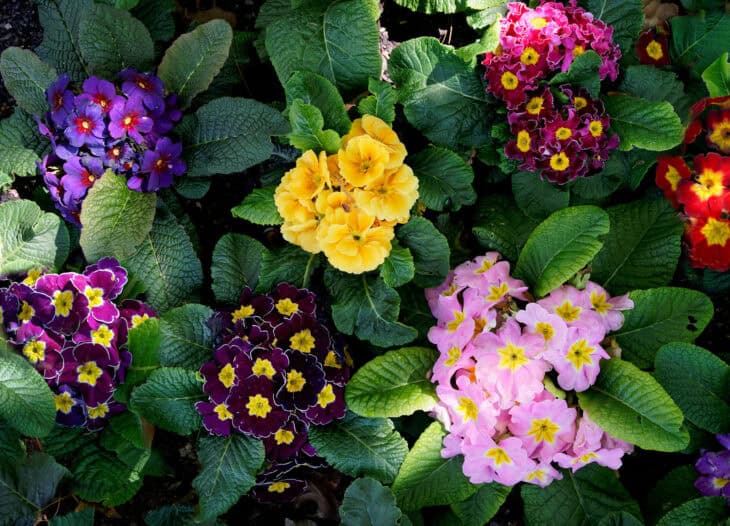
- Produces clusters of single or double flowers in shades of pink red white yellow and bicolor forms.
- Prefers cool moist humus rich soil with good drainage.
- Performs best in part shade or filtered sun in warm climates.
- Commonly propagated by seed and by division of established clumps.
- Often used in borders rock gardens and containers for early season color.
- Handling some primula plants can cause skin irritation in sensitive people.
Primrose is a low clumping perennial prized for early spring flower color and compact habit, often used where low, reliable bloom is needed. It produces clusters of single or double flowers in many colors while preferring cool, moist, humus rich soil and protection from hot sun.
Identification
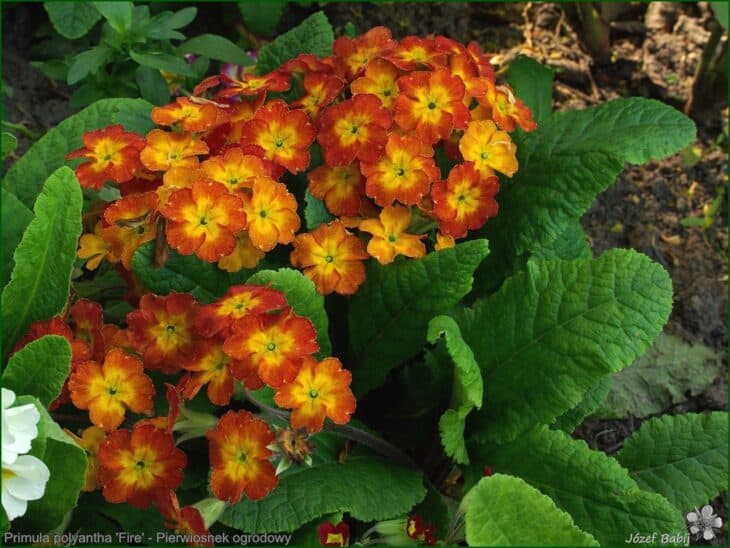
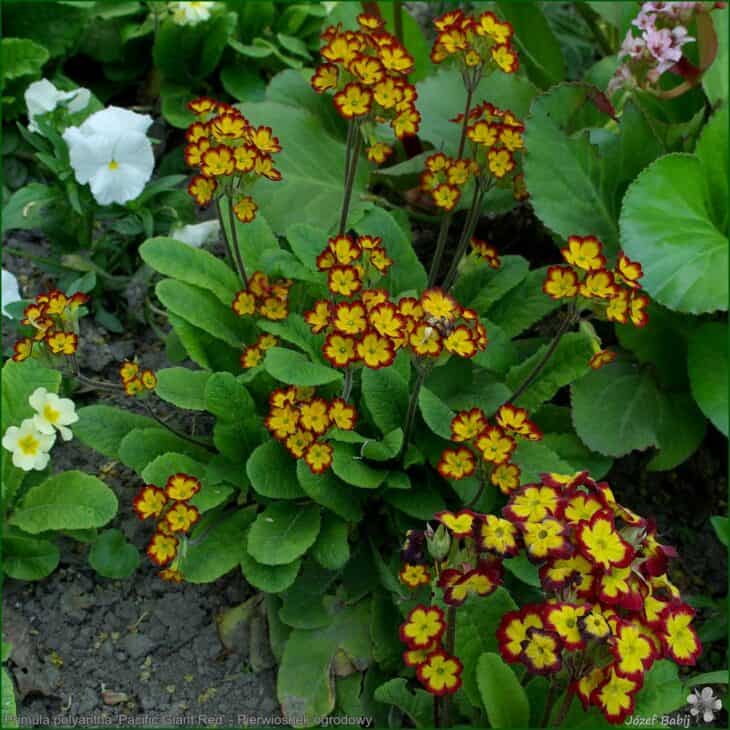
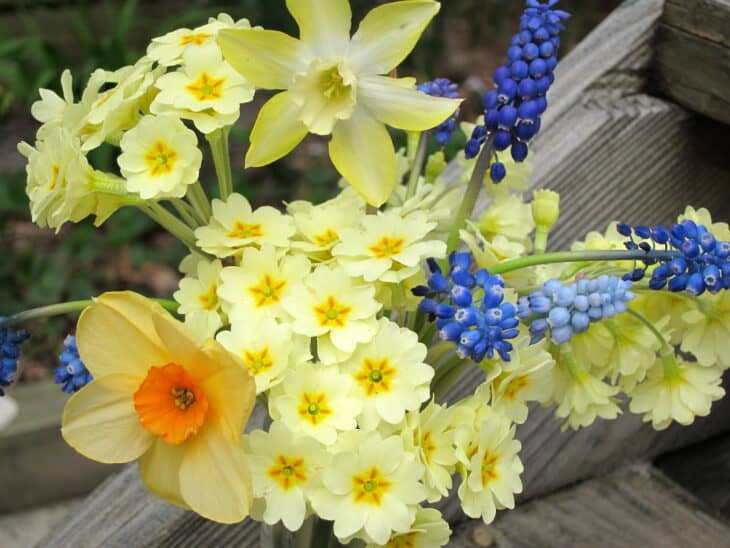
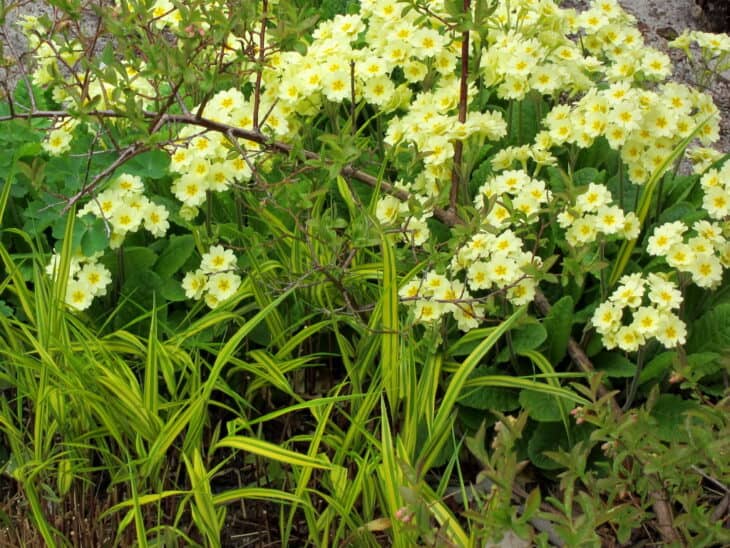
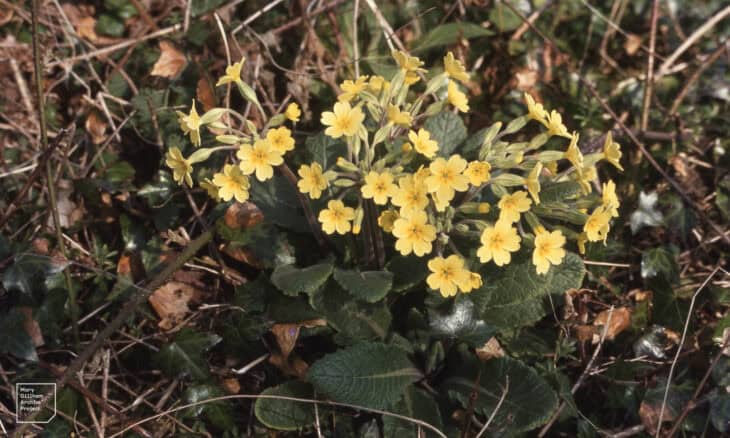
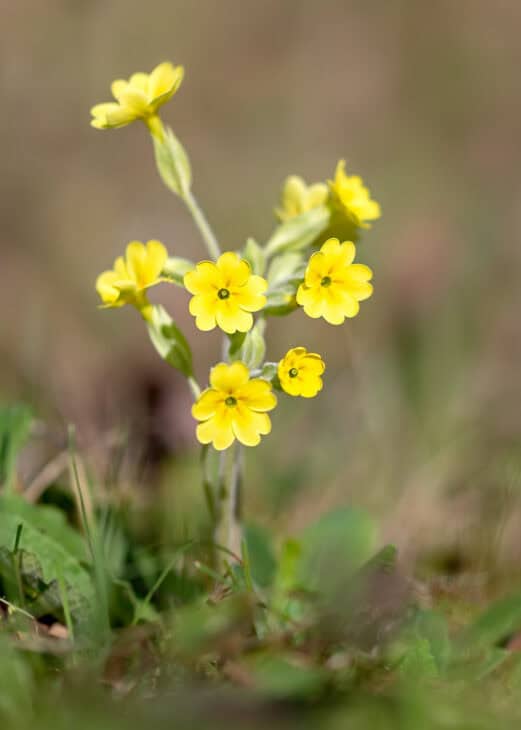
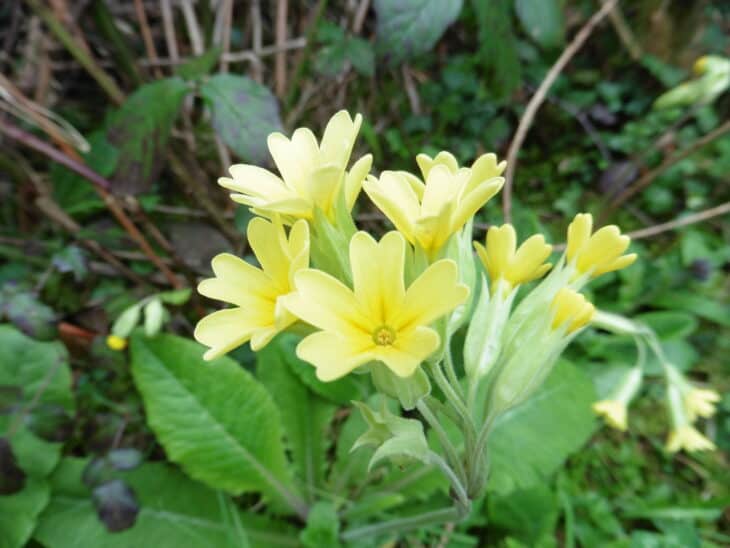
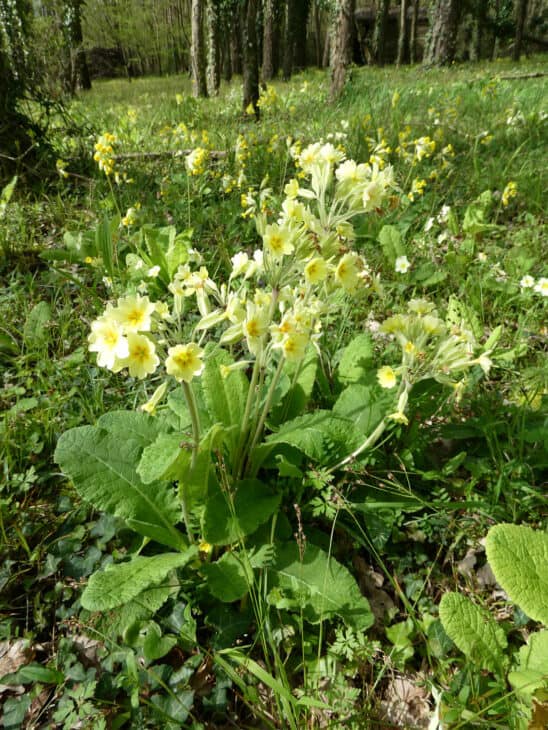
Primula polyantha forms compact clumps with rosettes of leaves and flowering stems that reach roughly 4 to 8 inches tall to the top of the flowers. Flower clusters come in shades of pink, red, white, yellow and bicolor forms. Clumps typically spread to about 6 to 12 inches across before needing division.
Best uses and where to grow
Use primrose in mixed borders, rock gardens and containers for early season color where a low, spring display is desired. It performs best in part shade or bright shade and tolerates morning sun in cool climates. In warmer sites choose filtered light to preserve flowering and plant longevity.
Planting and spacing
Plant primrose so the crown sits at soil level and space clumps to match their mature spread, roughly 6 to 12 inches apart. Crowding reduces air flow and increases disease risk. Division every few years restores vigor and gives plants room to flower well.
Soil and light
Provide cool, moist, humus rich soil that drains freely and sits around neutral to slightly acidic pH. Avoid waterlogged heavy clay that can cause crown rot. Light should be part shade to bright shade with protection from hot midday sun to keep leaves healthy and blooms lasting longer.
Watering and visible effects
Keep soil evenly moist during active growth and flowering. Drought causes reduced flowering and decline while poor drainage leads to crown rot and rapid dieback. Mulch lightly to conserve moisture and maintain cool root conditions without creating a waterlogged environment.
After flowering care
Remove spent flower stems to tidy clumps and reduce seed set if desired. Leave foliage until it dies back naturally because leaves feed the crown for next season. Divide congested clumps in spring or after flowering to renew vigor and prevent long term decline.
Propagation and division
Primrose is commonly propagated by seed and by division of established clumps. Division preserves cultivar traits while seed can be variable for hybrids. Divide in spring or just after flowering and replant promptly to reduce stress and maintain steady spring displays.
Containers and displays
Primrose performs well in containers where soil can be kept cool and moist and plants moved to sheltered spots for display. Use a humus rich potting mix with good drainage and avoid pots that overheat in strong sun. Containers make it easier to protect crowns in warm climates.
Spread and naturalizing control
Clumps expand gradually and can form compact mats over seasons. If allowed to become crowded trim or divide every few years to control spread and maintain flowering. Regular division also prevents decline from old, woody crowns and keeps plantings tidy in beds and edging.
Safety and pests
Handling some primula plants can cause skin irritation in sensitive people due to contact allergens. Ingestion may cause mild gastrointestinal upset. Evidence for pet toxicity is limited and variable, so confirm with poison control for safety guidance. Monitor for general garden pests and avoid prolonged wet crowns.
Frequently asked questions
- How fast does Primrose grow?
- Primrose forms low clumps that reach about 6 to 12 inches across over a few seasons. Size depends on cultivar and site. Division every few years helps maintain steady growth and flowering.
- When does Primrose bloom?
- Primrose flowers in spring providing early season color. Exact months vary by local climate and hemisphere.
- How do I propagate Primrose?
- Propagate by seed or by dividing established clumps. Division in spring or after flowering preserves cultivar traits and restores vigor.
- What soil does Primrose need?
- Primrose prefers cool, moist, humus rich soil that drains freely and is neutral to slightly acidic. Avoid heavy, waterlogged clay.
- How much sun does Primrose need?
- Part shade to bright shade is best. In cooler climates morning sun is tolerated, while in warm climates stronger shade improves longevity and flowering.
Gallery
Related Plants


Mentioned In (1)
Plants
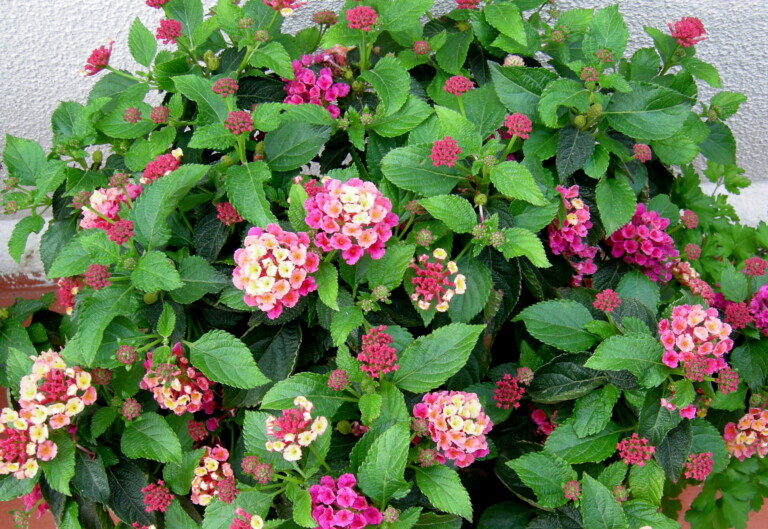
7 Plants That Look Like Lantana
Lantana is an easy-to-grow plant that brings much life and color to your garden. These plants love well-drained soil and…